Clutter builds up quietly and almost invisibly when we bring new things into our homes with good intentions but little thought about how often we will use them. What starts as a seemingly useful addition can quickly become an item that sits unused for months, crowding shelves, drawers, and counters and adding stress to your living space. Experts in professional organizing remind us that being mindful of what we put into our homes is one of the first steps toward maintaining a calm, organized, and functional space. The problem isn’t just what we have but what we keep buying without a clear purpose or plan for its use.
Most people assume that something “useful” must deserve a spot in their home. Yet many of the things we purchase fall into patterns of fads, impatience, and convenience rather than true daily utility. These pieces tend to collect dust rather than bring more ease to life. If you’ve ever felt overwhelmed by the amount of stuff piling up around you, it may be time to examine the types of items you’ve been acquiring. Below are eight categories of purchases that are more likely to add clutter than convenience.
Toys
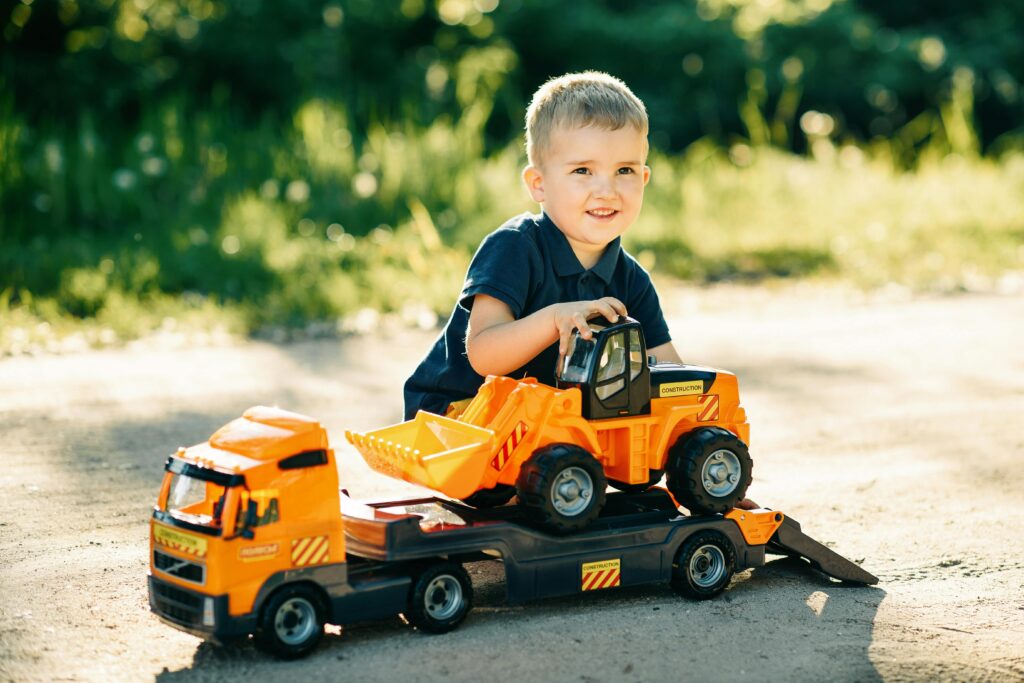
Toys are often bought with the best intentions: to entertain, educate, or reward a child. Unfortunately, children’s interests can shift rapidly, leaving once‑exciting toys abandoned in corners or crammed into overflowing bins. Even well‑meaning gifts from friends and family contribute to an excess of playthings that the child may not truly need or use. Instead of accumulating more, consider rotating a limited number of favorites and encouraging experiences or time together rather than physical items as gifts.
Single‑Use Kitchen Appliances
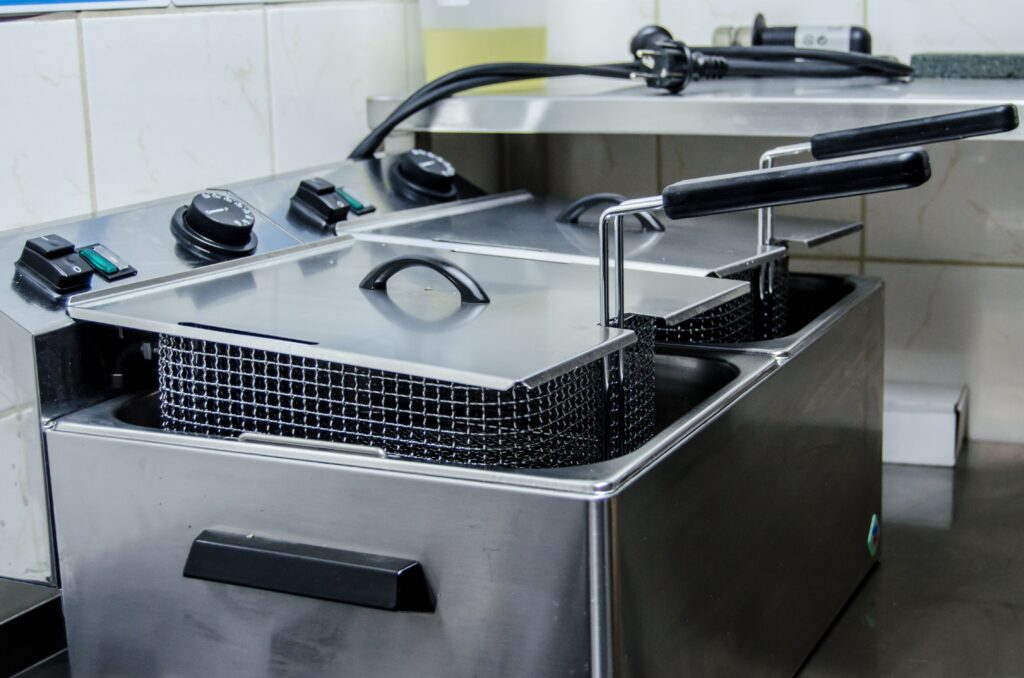
Small kitchen appliances that promise convenience often end up as countertop clutter. Items like specialty waffle makers, single‑purpose air fryers, or mini dessert machines have their appeal at first, but they rarely get used beyond a few meals. When you have too many of these devices, they start competing for space in drawers and cabinets, rather than making cooking easier. A better approach is to choose versatile tools that handle multiple tasks and avoid the temptation to buy every new gadget that goes on sale.
Trend Purchases
Trend‑driven buys such as seasonal drinkware, themed gadgets, or novelty products feel satisfying in the moment but tend to fade into irrelevance shortly after purchase. These items are designed to capitalize on the latest craze, not long‑term usefulness. Once a trend passes, you’re left with objects that serve no real purpose other than taking up room. Being intentional and asking yourself if an item will be meaningful or useful in six months can help cut down on these impulsive buys.
Makeup and Skincare Products
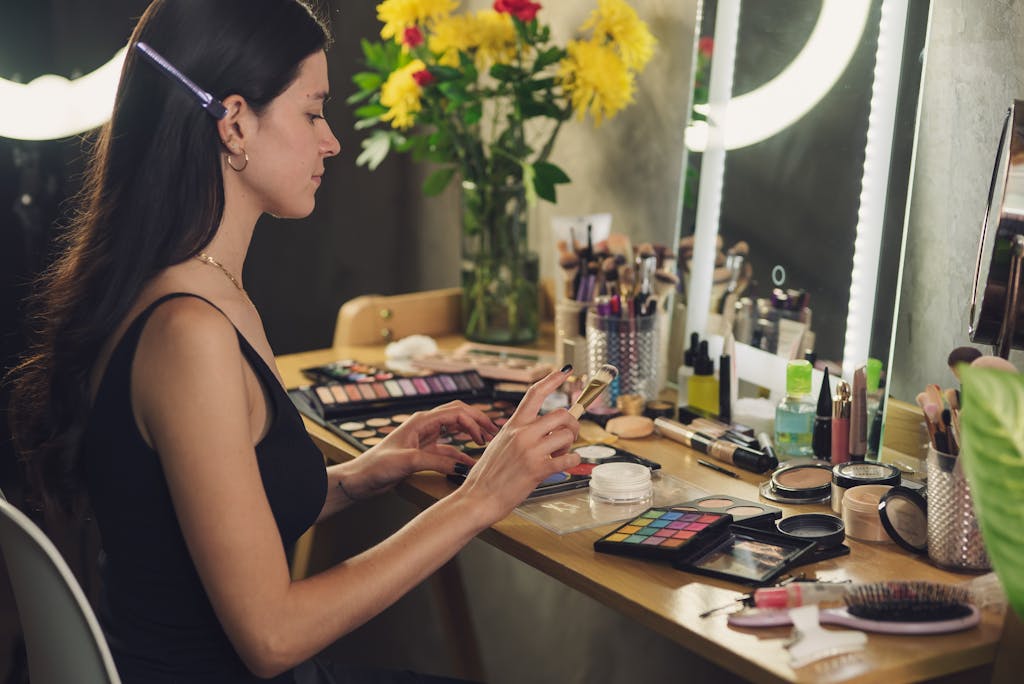
Beauty products can be another source of hidden clutter. The allure of new serums, creams, or cosmetics meant to enhance your daily routine can quickly fill shelves and drawers if you don’t stick to what you actually use regularly. Most of these items have a limited shelf life, and as they accumulate, they take up valuable space without adding lasting benefit. Focusing on a simple, streamlined personal care collection tailored to your skin type can free up space and reduce unnecessary purchases.
Fast Fashion
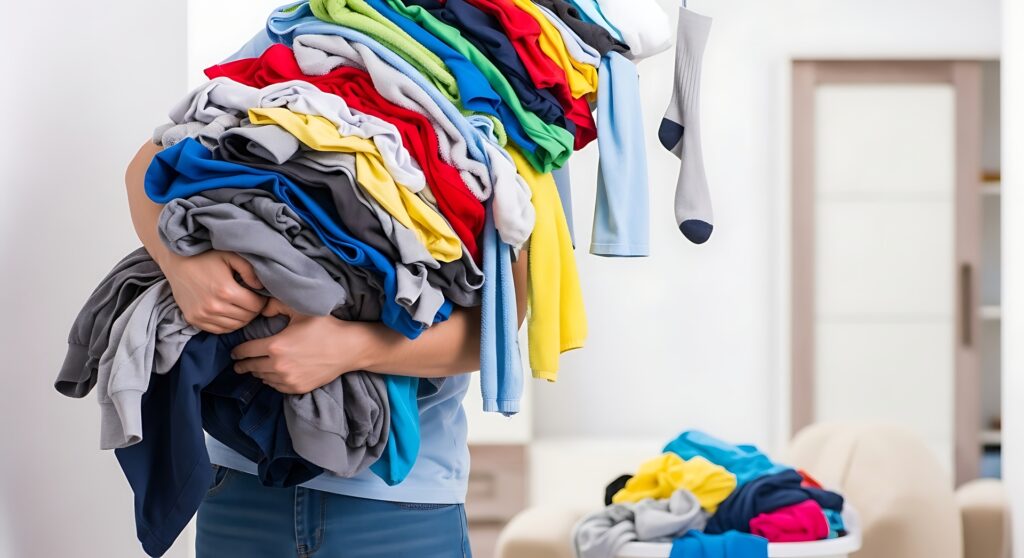
Clothing is a necessity, but the fast fashion model encourages frequent, often unnecessary purchases. In‑season pieces look appealing in the moment, especially when discounted or promoted on social media, but they can quickly crowd your closet if they never get worn. Buying clothing with a specific purpose in mind and taking stock of what you already own before shopping can prevent impulse buys that add to clutter rather than complement your wardrobe.
Bulk Buys
Buying in bulk can feel economical, but it only saves money and space if you will use all of what you purchase before it expires or becomes unwanted. Too often, spices, pantry goods, or snacks bought in large quantities sit unused, only to be thrown out later. This scenario not only wastes food but also takes up space that could be used for items you’ll actually use frequently. Shop strategically and only buy larger quantities when you are certain they will be used completely.
Souvenirs
Traveling often comes with the temptation to bring back souvenirs as reminders of experiences. Trinkets like keychains, shot glasses, decorative figurines, or snow globes can start to pile up and take over surfaces and shelves. While memories are valuable, “stuff” collected along the way doesn’t always enhance your living environment. Choosing a few meaningful mementos, such as photos or a special item that truly reflects the experience, can help you preserve memories without adding clutter.
Miscellaneous Items Bought on Impulse
Small items such as decorative knick‑knacks, impulse buys from checkout lines, or novelty gifts often end up boxed in drawers soon after purchase. These pieces are rarely essential and can add up quickly, making a home feel busy rather than balanced. It’s easy to justify their purchase, but when you step back, these impulse items contribute more to disorder than to joy. Becoming more mindful about spontaneous buys and asking yourself if an item has a purpose beyond immediate gratification can help curb this type of clutter accumulation.
Conclusion
Clutter doesn’t happen overnight, but it builds quietly as we bring more items into our lives than we truly need. Being mindful of what enters your home and regularly evaluating what you already have helps create a space that feels lighter and more intentional. Instead of succumbing to every trend or impulse, focus on purchasing items that support day‑to‑day life and bring genuine value. Your home will feel more spacious, easier to maintain, and better aligned with your lifestyle when ever