Purchasing a home is one of the most significant financial decisions you’ll ever make. While the excitement of finding a place to call your own is undeniable, it’s essential to approach the process with caution. Too often, buyers get caught up in the excitement and overlook key factors that can lead to regret later.
The truth is that even small mistakes in the home-buying process can cause years of stress and financial hardship. To help you make an informed decision, here are 10 critical home-buying mistakes to avoid.
Skipping the Home Inspection

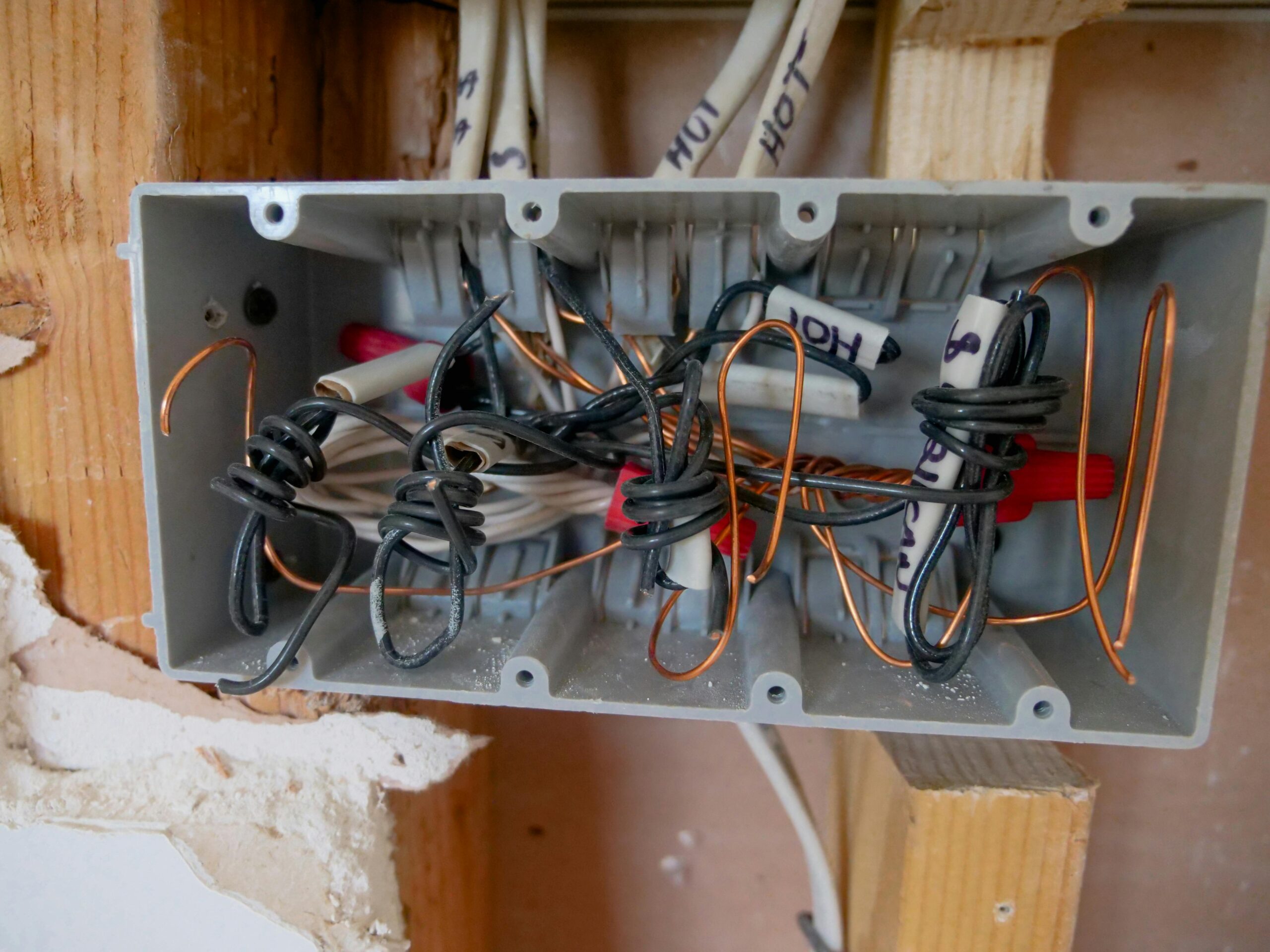
A home inspection is one of the most important steps in buying a house. Many buyers make the mistake of skipping it to save time or money, but this can lead to serious consequences. Without a professional inspection, you might miss hidden problems such as structural damage, plumbing issues, or outdated electrical systems. Even small issues can quickly turn into costly repairs that could have been identified before closing the deal.
For example, foundation issues might not be immediately visible but can lead to significant problems such as cracking walls, uneven floors, or water leaks. Not to mention, the cost of repairing these issues could far exceed the savings from avoiding the inspection. Always hire a certified inspector to thoroughly evaluate the property, and if needed, negotiate repairs or price reductions based on their findings.
Overextending Your Budget

One of the most common mistakes homebuyers make is overextending their budget. Just because a bank offers you a loan for a certain amount doesn’t mean you should max out your budget. You may be approved for a larger loan, but that doesn’t necessarily mean you can comfortably afford it.
When calculating your budget, don’t forget to include additional costs such as property taxes, homeowners’ insurance, maintenance, and utilities. Living in a home that pushes your budget to the limit can cause long-term financial strain, especially if unexpected expenses arise. A comfortable budget allows you to enjoy your new home without constant worry about making ends meet.
Underestimating Maintenance Costs
Many first-time buyers assume that once they’ve purchased their home, the only costs will be the mortgage. However, owning a home comes with ongoing expenses. Maintenance, repairs, upgrades, and utility costs add up quickly. Failure to account for these ongoing costs can leave you unprepared for the future.
For example, a new roof or a major plumbing repair could cost thousands of dollars. Regular upkeep, such as lawn care, HVAC maintenance, and appliance repairs, should also be factored into your financial plan. A well-maintained home will not only preserve its value but will also prevent you from facing more costly repairs later on.
Overlooking Resale Value
When buying a home, it’s easy to fall in love with the property. However, always remember that it’s also an investment. While your dream home might be perfect for your current lifestyle, what happens if you need to move? If your home doesn’t have good resale value, you could struggle to sell it later.
Several factors can impact resale value, including location, condition, size, and style. Homes that are highly customized to the current owner’s tastes, such as a themed home or one with a specific layout, may not appeal to potential buyers. Think about how easy it will be to sell your home in the future and whether it will attract a wide pool of buyers.
Failing to Get Pre-Approved for a Mortgage
One of the most common mistakes in home buying is not getting pre-approved for a mortgage before starting the search. While many buyers assume they can just shop for homes and get a loan afterward, this often leads to disappointment or delays.
Pre-approval gives you a clear understanding of your budget and the mortgage you qualify for. It also makes you a more attractive buyer in a competitive market, as sellers prefer buyers who are financially ready to proceed. Without pre-approval, you may end up wasting time looking at homes that are out of your price range or facing delays when trying to secure a loan.
Choosing a Home Based on Emotion Rather Than Logic

It’s natural to get emotionally attached to a home, especially if it ticks most of your boxes. However, making a decision based purely on emotions can cloud your judgment and lead to regret. A home might have all the aesthetic appeal you desire, but if it doesn’t meet your practical needs, you’ll likely regret your decision down the road.
For example, the charm of a century-old home with hardwood floors and intricate molding may lure you in, but older homes often come with expensive repair and maintenance costs. Assess the home’s long-term functionality, taking into account your family’s needs, your work-life balance, and your future plans.
Overlooking Long-Term Needs
While it’s tempting to choose a home based on your current situation, it’s crucial to think about how your life might change over the next 5-10 years. A starter home may seem ideal for now, but what if you have children or need a dedicated office space in the near future?
Choosing a home with enough space to accommodate future changes, such as a growing family, can save you from the hassle of moving again in a few years. Additionally, consider the potential for home improvements, as not all homes are easy to expand or renovate.
Skipping the Comparison Process
Many buyers make the mistake of rushing into an offer on the first home they see, thinking it’s “the one.” While it might be tempting to put in an offer immediately, failing to compare other homes in the area can lead to missed opportunities. A single home might not offer the best value for your money.
Taking the time to compare several homes, both in terms of price and features, can help you make a more informed decision. A well-researched approach ensures that you’re getting the most for your investment.
Not Planning for Future Repairs and Upgrades
Even if your home is in great condition when you buy it, there are always things to fix, update, or upgrade over time. Many buyers fail to plan for future repairs or upgrades, thinking they will cross that bridge when they get to it. However, this can be a costly oversight.
Budgeting for future improvements, whether it’s new appliances, energy-efficient upgrades, or a renovated bathroom, can help you maintain your home’s value and ensure it meets your evolving needs. Make sure to factor in these future costs when determining how much you’re willing to spend on the home.
Ignoring the Neighborhood
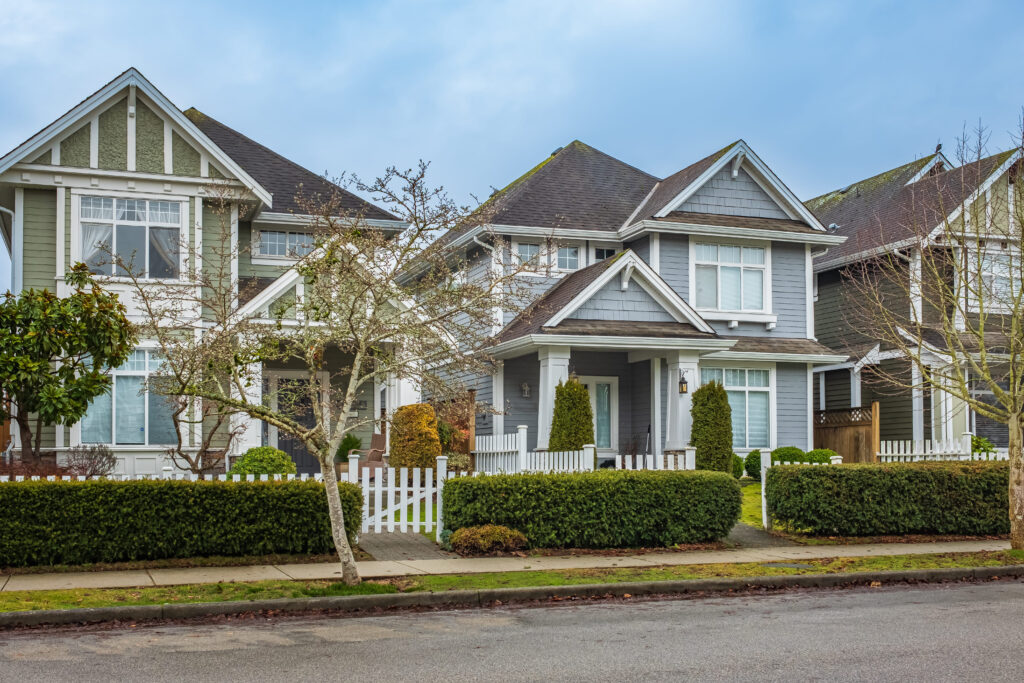
It’s easy to get caught up in the excitement of a beautiful house, but the surrounding neighborhood plays a crucial role in your overall satisfaction. The area you live in will impact your daily life, your ability to sell the property later, and even your long-term financial growth.
Consider factors such as proximity to work, school districts, local amenities, and the area’s overall safety. Visiting the neighborhood at different times of day and throughout the week can give you a more realistic understanding of the environment. What might seem like a quiet neighborhood during a weekend visit could be noisy during rush hour. Also, consider potential future developments that could affect your home’s value both positively and negatively.