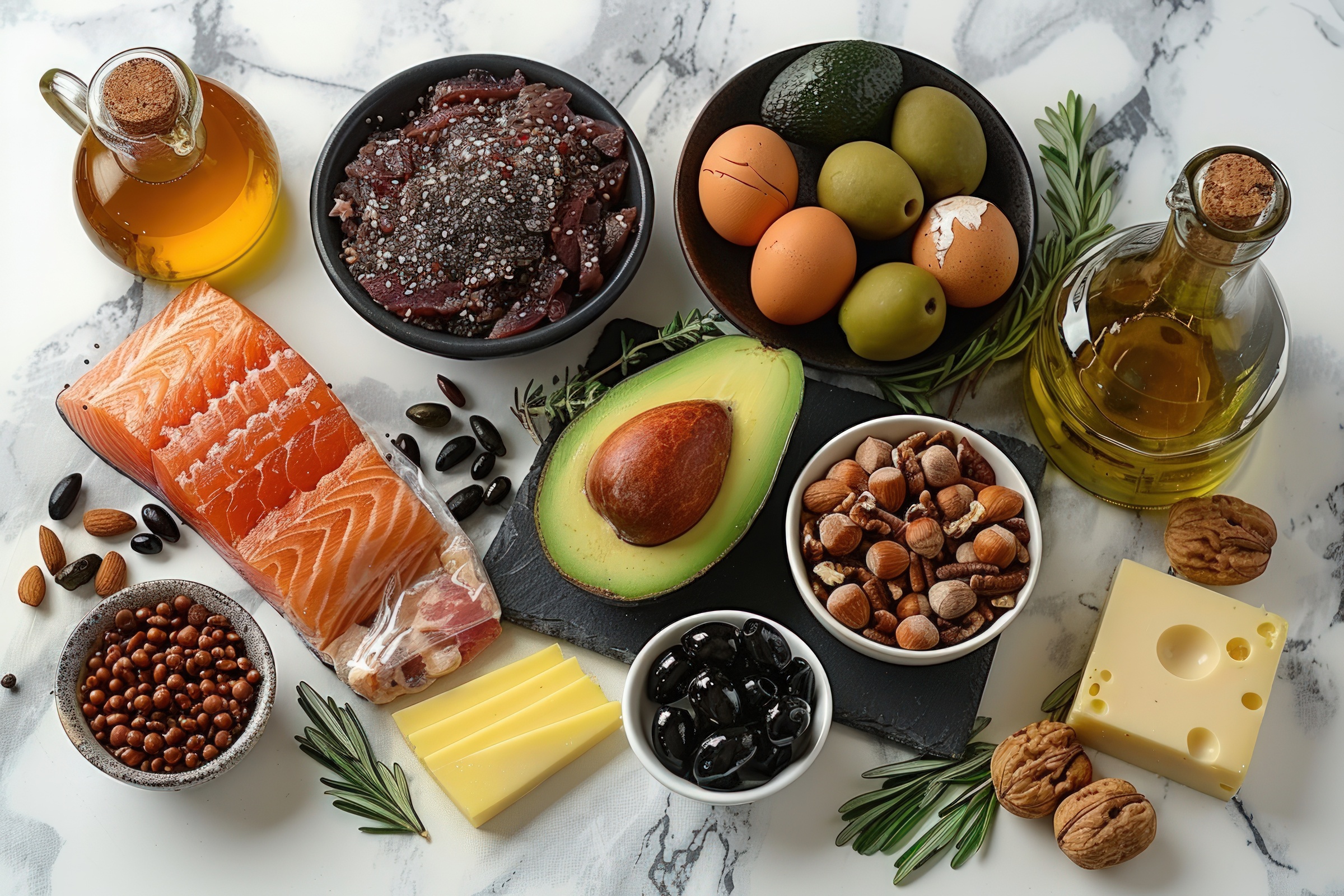
Eating healthy doesn’t mean giving up your favorite foods or making huge sacrifices. You don’t need to completely change your diet to see results. Simple food swaps can build long-term healthy habits and fit easily into your routine. Many people don’t realize how much their food choices affect energy, heart health, and disease risk.
Small changes to your meals can help your body now and protect your health for years to come. These easy swaps can lower chronic disease risk, support immunity and digestion, and even help you live longer, all without losing flavor.
Swap White Bread for Whole Grain Bread

White bread is common in many homes, but it isn’t as harmless as it looks. It’s made from refined flour that loses most of its nutrients, leaving mostly empty calories. This bread quickly turns to sugar in your body, causing blood sugar spikes and energy crashes. Over time, these spikes can lead to insulin resistance and raise your risk of type 2 diabetes.
Whole-grain bread keeps its natural fiber, vitamins, and minerals. The fiber helps control blood sugar and supports good digestion. Whole grain bread also has B vitamins and minerals like magnesium and zinc, which help your metabolism and heart. Choosing whole grain bread gives you more nutrients and supports a healthier lifestyle.
Opt for Olive Oil Instead of Vegetable Oil
Not all cooking oils are the same. Vegetable oils are often seen as healthy, but many are highly processed and can contain trans fats that raise cholesterol and increase the risk of heart disease and inflammation. They also tend to have a lot of omega-6 fatty acids, which can cause more inflammation if you eat too much. Olive oil, especially extra virgin olive oil, is full of healthy fats that lower bad cholesterol and support your heart.
It also has antioxidants that help fight inflammation and protect your body from disease. Olive oil can also help your brain, keep your skin healthy, and may lower the risk of Alzheimer’s. Switching to extra virgin olive oil is a simple change that can benefit your health now and in the future.
Choose Lean Protein Over Red Meat

Red meat has been a staple in many cultures for centuries, but it carries health risks when eaten in large amounts. Processed meats like bacon, sausages, and hot dogs are high in unhealthy fats, sodium, and preservatives, and are linked to higher risks of heart disease, stroke, type 2 diabetes, and colorectal cancer. Lean protein sources such as chicken, turkey, fish, beans, lentils, and tofu are lower in harmful fats and richer in fiber, omega‑3s, and antioxidants.
They help regulate cholesterol, stabilize blood sugar, and support heart and muscle health without the added risks of red meat. By choosing lean meat over red meat, you support better cardiovascular health and lower your long‑term risk of chronic disease.
Swap Soda for Sparkling Water with Lemon

Sugary sodas are one of the biggest sources of empty calories. They’re packed with refined sugars and high‑fructose corn syrup, which spike blood sugar, promote insulin resistance, and lead to weight gain. Regularly drinking sugary beverages is strongly linked to obesity, diabetes, and heart disease. Sparkling water, by contrast, is a zero‑calorie, sugar‑free option that hydrates you without added sugars or artificial sweeteners.
Adding a squeeze of lemon or lime boosts vitamin C for your immune system and skin and gives you a refreshing flavor without extra sugar. By cutting back on soda and choosing sparkling water instead, you can lower your sugar intake, improve hydration, and support your long‑term health.
Switch Out Chips for Veggies and Hummus
Chips and other processed snacks are often loaded with unhealthy fats, sodium, and refined sugars, which can contribute to weight gain, high blood pressure, and higher cholesterol. They may seem like a quick, tasty snack, but they offer little nutrition and can easily lead to overeating. Instead, try snacking on fresh vegetables such as carrots, cucumbers, bell peppers, and celery with hummus. Vegetables provide fiber, antioxidants, and vitamins that support your immune system, digestion, and heart health, while hummus adds healthy fats, protein, and more fiber to keep you full longer.
This simple swap gives you a satisfying, nutrient‑dense snack without the empty calories and unhealthy ingredients found in chips. By choosing hummus and vegetables, you can improve digestion, reduce your risk of heart disease, and manage your weight more effectively.
Choose Greek Yogurt Instead of Flavored Yogurt
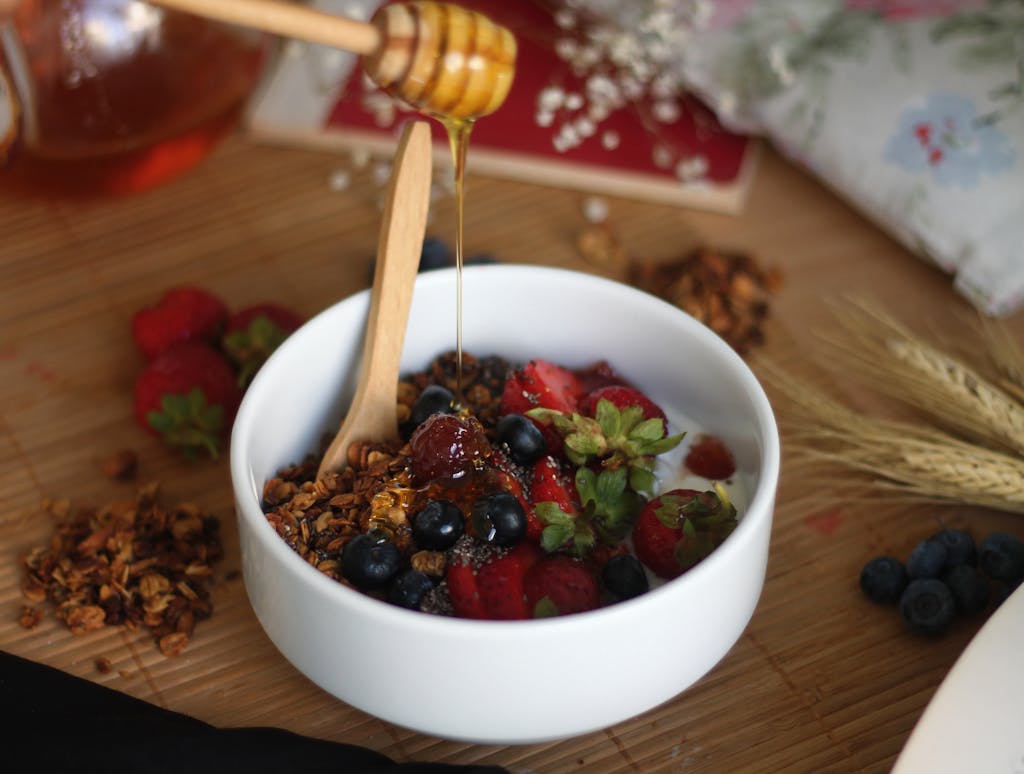
Flavored yogurts often have a lot of added sugar, artificial sweeteners, and preservatives, which can raise your blood sugar and lead to weight gain. Even though they seem healthy, these yogurts are mostly empty calories with little nutrition. Greek yogurt is a better choice. It’s high in protein, which keeps you full and supports muscle growth.
Greek yogurt also has probiotics that support gut health and digestion, reduce inflammation, and boost your immune system. It’s also a good source of calcium for strong bones and teeth. By choosing plain Greek yogurt, you get a creamy, nutritious snack that’s low in sugar and good for your digestion.
Eat Dark Chocolate Over Milk Chocolate
Milk chocolate usually has a lot of sugar, unhealthy fats, and additives that can lead to weight gain and hurt your heart. While it tastes good, milk chocolate doesn’t offer the same health benefits as dark chocolate. Dark chocolate, especially varieties with at least 70% cocoa, is rich in antioxidants called flavonoids. These can help your heart, lower blood pressure, and reduce inflammation.
Antioxidants also protect your cells and support good circulation. Dark chocolate may also help your brain, improve thinking, and boost your mood. Choosing dark chocolate lets you enjoy a sweet treat that’s better for your health.
Substitute Frozen Veggies for Canned Veggies
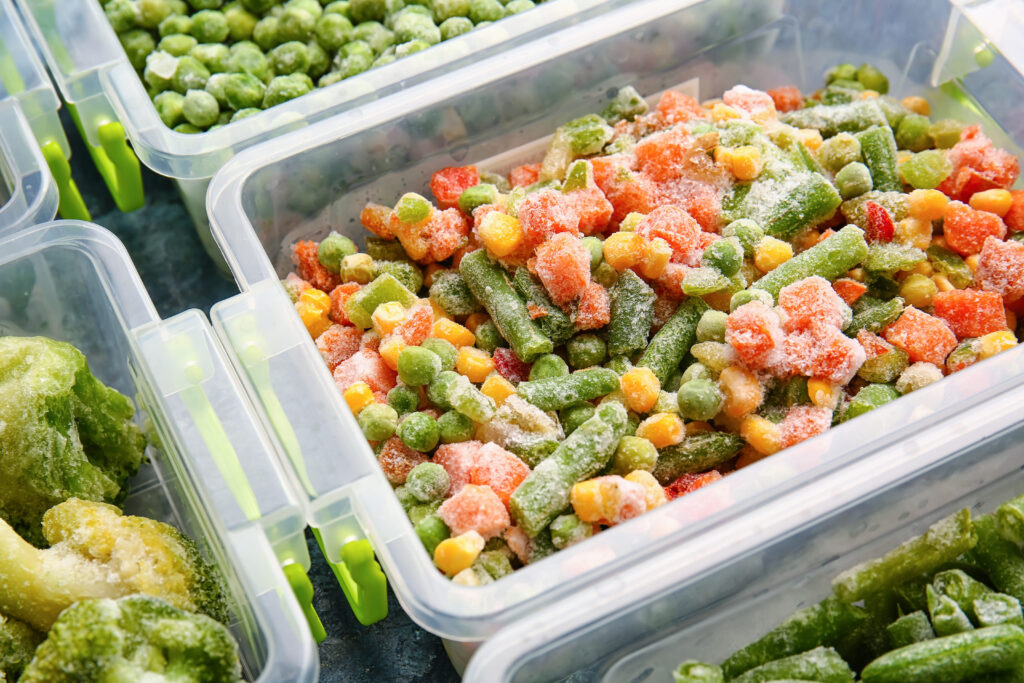
Canned vegetables might be convenient, but they often have a lot of salt, preservatives, and chemicals that can harm your health over time. These extras can raise your blood pressure and cause heart problems. Frozen vegetables usually don’t have added salt or chemicals, and keep more of their vitamins and antioxidants. They’re a simple, affordable alternative that gives you the fiber, vitamins, and minerals you need.
Frozen veggies also last longer than fresh ones, so you can always have healthy options at home. Choosing frozen over canned vegetables helps you get more nutrients and fewer chemicals, supporting your health.