Home maintenance mistakes rarely look dangerous at first. A tiny drip under the sink, a dusty air vent, or a few leaves in the gutter can seem harmless when life gets busy. That’s exactly why they become costly. The problems that destroy a home often start quietly, then grow behind walls, under floors, inside ducts, or around the foundation until the repair bill feels like a punch in the stomach.
The good news is that you don’t need to panic or become a full-time handyman. You just need to know which tasks deserve attention before they turn into emergencies. These are the home maintenance jobs you should never push to “next weekend” forever.
Ignoring Small Leaks
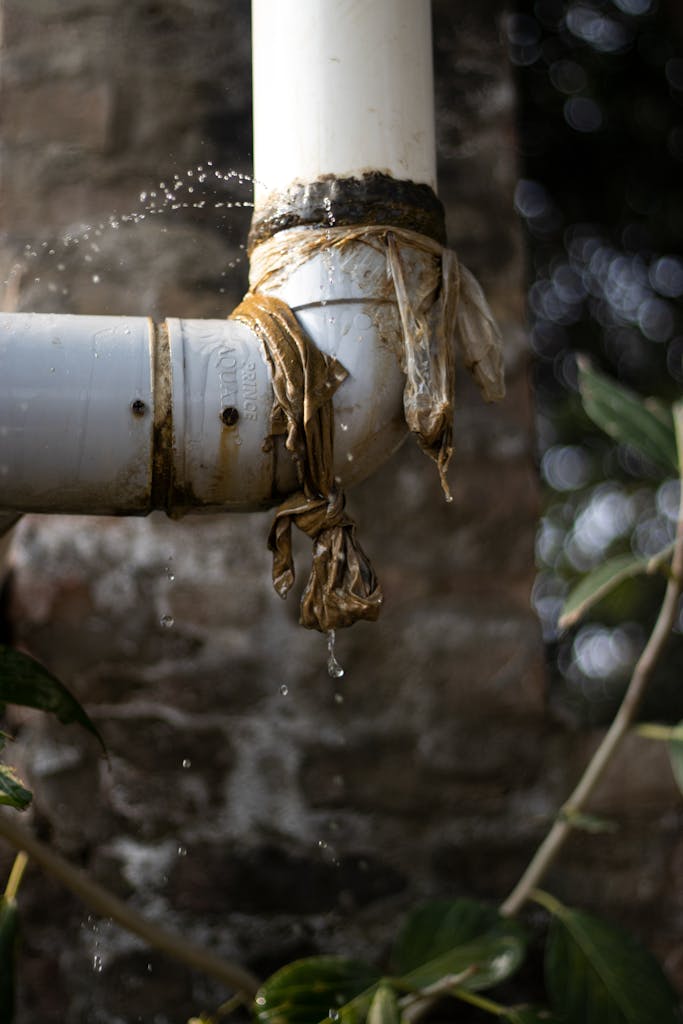
A small leak is never just a small leak. It can soak cabinets, weaken flooring, stain ceilings, and create the perfect place for mold to grow. Many homeowners make the mistake of placing a bucket under the drip and moving on with their day. That may buy time, but it doesn’t solve the real issue hiding behind the pipe, seal, roofline, or wall.
Check under sinks, around toilets, near water heaters, behind washing machines, and under windows after heavy rain. Look for soft spots, bubbling paint, musty smells, or water rings. If the leak keeps coming back, don’t keep patching it with tape and hope. A plumber or repair expert can find the source before the damage spreads. Fixing a leak early is usually cheaper than replacing cabinets, drywall, floors, or insulation later.
Letting Pests Settle In
One bug or mouse may not feel like a disaster, but pests rarely arrive alone. Termites can damage wood, rodents can chew wires, cockroaches can spread bacteria, and ants can find their way into tiny cracks you didn’t even know existed. Once pests feel comfortable in your home, they become much harder to remove.
The warning signs can be subtle. You may notice droppings, scratching sounds, damaged food packages, sawdust-like dust near wood, strange smells, or small holes around walls and baseboards. Don’t wait until you see pests running across the room. Seal gaps, store food properly, clean crumbs quickly, and remove standing water. If the problem continues, call pest control before the infestation grows. Acting early protects both your home and your peace of mind.
Overlooking Mold
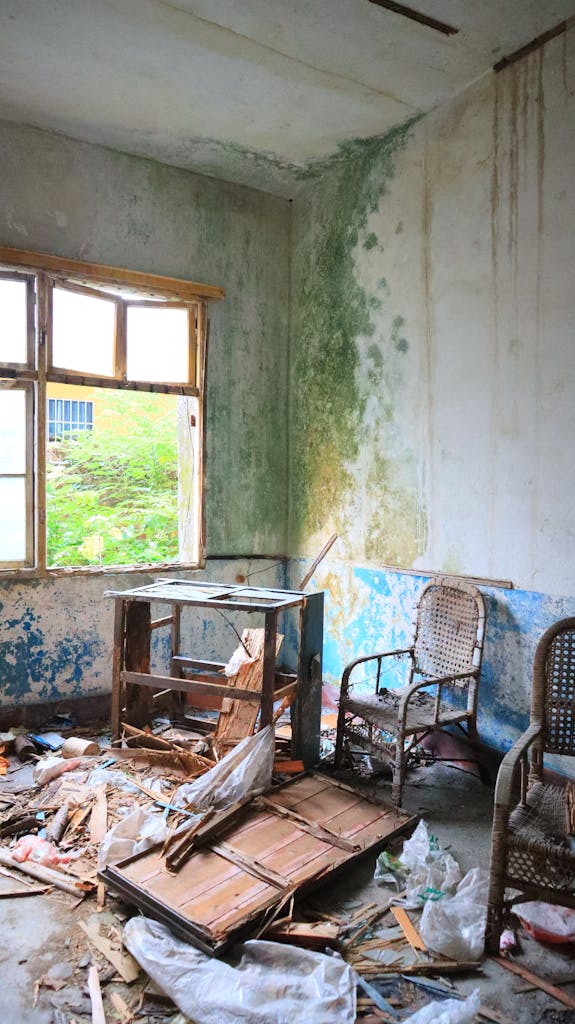
Mold is one of those home problems people love to ignore until it becomes impossible to miss. A little dark spot near the bathroom ceiling or inside a cabinet can signal moisture trouble. Mold can grow behind walls, under carpets, around windows, near air conditioners, and in damp basements. Once it spreads, cleanup becomes more difficult and more expensive.
Pay attention to musty smells, allergy-like symptoms indoors, dark patches, peeling paint, or moisture that never seems to dry. Bathrooms, laundry rooms, kitchens, and basements need regular checks because they hold more humidity. Use exhaust fans, fix leaks quickly, and keep damp areas dry. If you find a large mold patch or suspect mold behind walls, don’t scrub blindly and move on. A professional can help identify the source and remove it safely.
Forgetting HVAC Filters
Your HVAC system works hard behind the scenes, but dirty filters make it struggle. When filters clog with dust, pet hair, pollen, and debris, airflow drops. That means your system has to work harder to heat or cool your home. Over time, this can raise energy bills, reduce comfort, and put extra strain on expensive equipment.
A dirty filter can also push more dust around your house, which is bad news for anyone with allergies or breathing issues. Check your filter monthly, especially during the heating or cooling seasons. Some homes need filter changes more often because of pets, dust, smoke, or frequent system use. If your vents look dusty, airflow feels weak, or your bill suddenly jumps, your filter may be part of the problem. This is one of the easiest home maintenance tasks, yet it can make a big difference.
Leaving Gutters Clogged
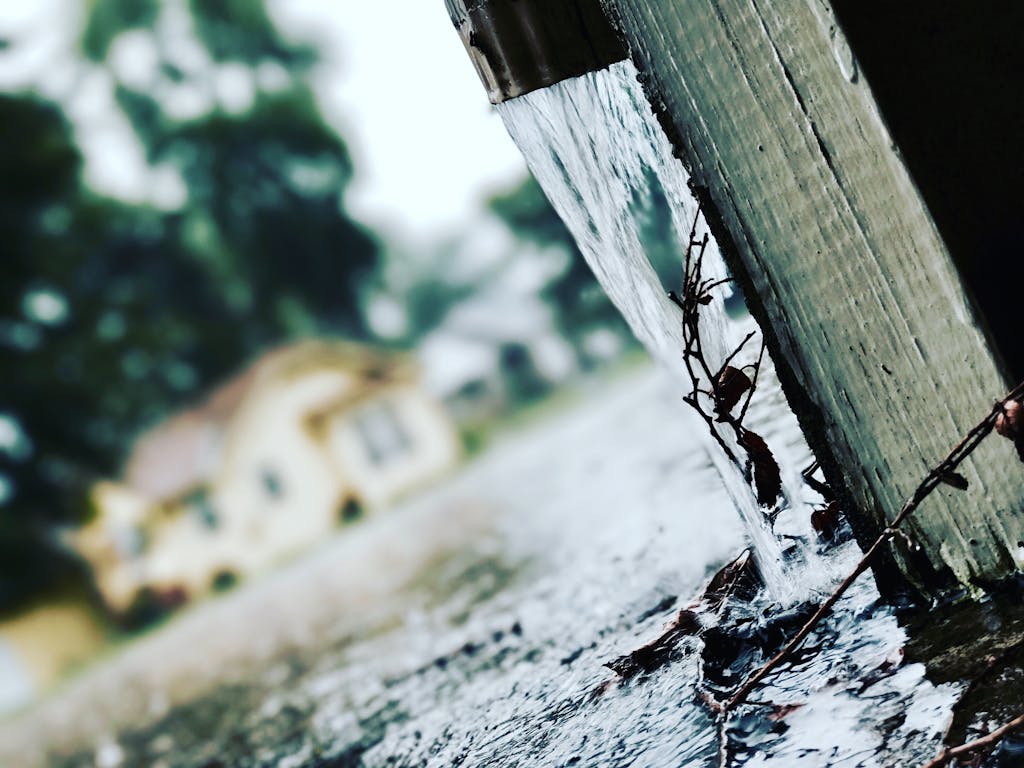
Gutters are easy to forget because they sit above your line of sight. However, clogged gutters can cause serious trouble. When leaves, twigs, and dirt block the flow of water, rainwater has nowhere to go. It can spill over the sides, soak the roof edge, damage siding, flood flower beds, and collect near the foundation.
That foundation problem is the real danger. Water pooling around your home can lead to cracks, basement leaks, soil erosion, and costly structural repairs. Clean your gutters at least twice a year, especially after fall leaves and heavy storms. If you have trees near your roof, you may need to check more often. Watch for water pooling, sagging gutters, plant growth, or siding stains. A clean gutter system helps move water away from your home, exactly where it belongs.
Ignoring Air Gaps
Air gaps around windows, doors, vents, chimneys, and foundations may seem minor, but they can quietly waste money every month. When outside air slips in and indoor air escapes, your heating and cooling system has to work harder. That means higher bills, uneven temperatures, drafts, and rooms that never feel comfortable.
Check for gaps by running your hand around window frames, door edges, baseboards, and attic entrances. If you feel a draft, there’s a leak. Weatherstripping, caulk, foam sealant, and door sweeps can fix many small openings. Larger cracks around the foundation or exterior walls may need a professional inspection. Sealing air leaks doesn’t just save energy. It also helps keep out moisture, dust, insects, and outdoor pollutants.
Conclusion
Home maintenance doesn’t have to be dramatic, expensive, or complicated. The real danger comes from ignoring small warning signs until they become major repairs. Leaks, pests, mold, dirty HVAC filters, clogged gutters, and air gaps can all damage your home in different ways, but they share one thing in common: early action saves money.
Treat your home like something that talks before it breaks. A drip, smell, stain, draft, or strange sound is often a warning. Listen early, fix quickly, and you’ll avoid the kind of repair bill that ruins your week.