Gardening looks peaceful from the outside, but every thriving garden is built on dozens of small decisions. We decide when to water, where to plant, how deeply to mulch, what to prune, which pests to tolerate, and which problems need fast action. A garden rarely fails because of one dramatic mistake. More often, it struggles because we repeat small habits that slowly damage the soil, roots, leaves, and overall plant health.
Overwatering Plants Until the Roots Suffocate
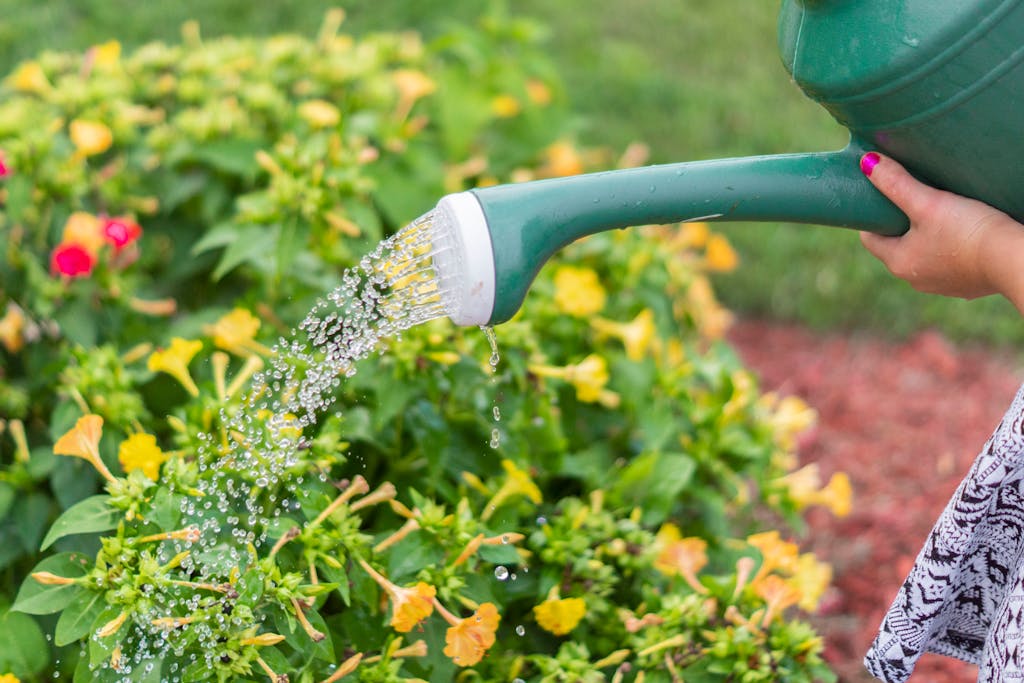
Overwatering is one of the fastest ways to turn a promising garden into a weak, yellowing mess. Many gardeners water because the leaves look tired, but tired leaves can mean several things. When soil stays constantly wet, roots lose access to oxygen, and that stress can invite root rot, fungal disease, and stunted growth. Plants need water, but they also need air pockets in the soil so roots can breathe and function properly.
Underwatering During the Most Important Growth Stages
Underwatering can damage a garden just as much as overwatering, especially during flowering, fruiting, seedling establishment, and hot weather. A plant that lacks water may wilt, drop flowers, produce smaller fruit, or stop growing altogether. Shallow watering also creates shallow roots, which makes plants even more vulnerable when temperatures rise. A thirsty garden does not always die at once. It often declines quietly, with dull leaves, weak stems, bitter greens, cracked tomatoes, and poor yields.
Planting Too Close Together
Crowded plants may look lush at first, but that early fullness often causes trouble later. When we plant too tightly, roots compete for water and nutrients, leaves compete for light, and stems trap humidity between plants. That poor airflow creates ideal conditions for powdery mildew, blight, rust, and other fungal problems. Crowding also makes harvesting harder and pest inspection less effective because hidden insects can multiply before we notice the damage.
Ignoring Soil Health Before Planting
Soil is not just dirt. It is the living foundation of the garden. When we ignore soil quality, we force plants to survive in conditions that may be too acidic, too alkaline, compacted, depleted, sandy, heavy, or low in organic matter. Weak soil leads to weak plants, and weak plants attract more pests and disease. A soil test can reveal nutrient levels, pH, and other issues that affect plant growth, which makes it far more useful than guessing with random fertilizer. Cornell Cooperative Extension notes that soil testing can help identify nutrients, soil health, and even contaminants that may affect plants or people.
Using Fertilizer Like a Quick Fix
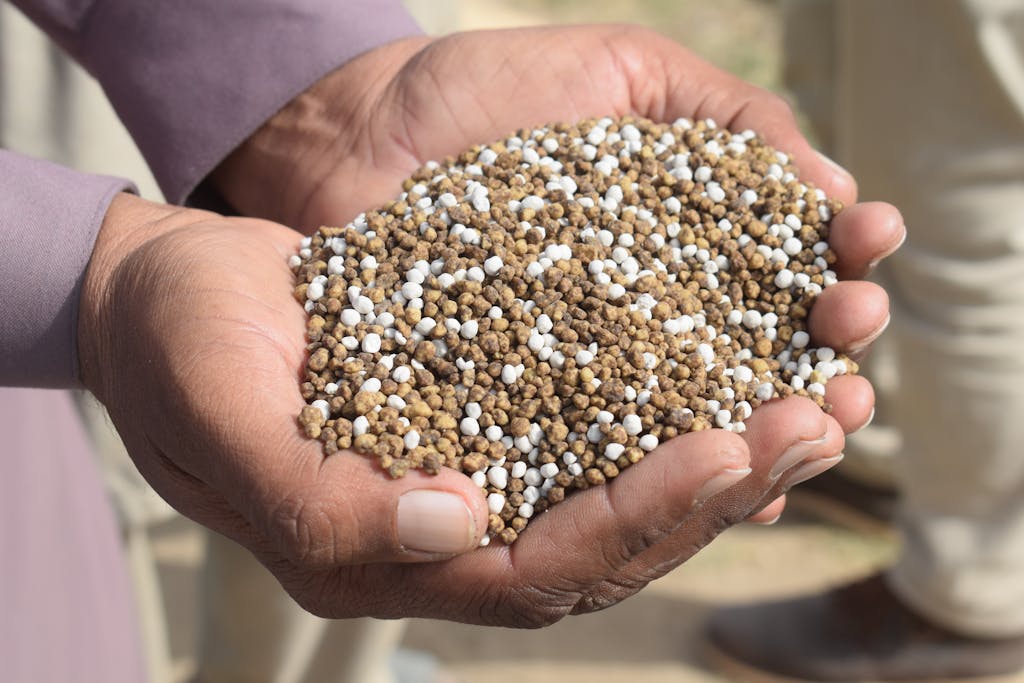
Fertilizer can help plants grow, but it cannot repair every garden problem. Too much nitrogen can push leafy growth while reducing flowers and fruit. Too much fertilizer can burn roots, increase salt buildup, harm soil life, and make plants more vulnerable to pests. A plant with yellow leaves may need nitrogen, but it may also suffer from poor drainage, cold soil, root damage, iron deficiency, or incorrect pH. Feeding without diagnosing can make the real problem worse.
Skipping Crop Rotation in Vegetable Beds
Growing the same crop family in the same spot year after year creates a silent problem. Tomatoes, peppers, potatoes, and eggplants belong to the nightshade family, and they can share certain diseases and pests. Cabbage, broccoli, kale, and cauliflower also share problems. When we keep planting the same families in the same soil, pests and pathogens become easier to repeat, and nutrient demands become unbalanced.
Choosing Plants That Do Not Match the Climate
A beautiful plant tag can tempt any gardener, but the climate decides what survives. Some plants need cold winters. Others cannot tolerate frost. Some struggle in dry heat, salty wind, humid summers, or heavy clay. The USDA Plant Hardiness Zone Map is a standard guide for choosing perennial plants based on average annual extreme minimum winter temperatures, using 10-degree Fahrenheit zones and 5-degree half-zones planthardiness.ars.usda.gov The 2023 USDA map uses 30-year averages and updated GIS-based data, which makes it a useful starting point for modern plant selection.
Planting at the Wrong Time
Timing can make or break a garden. If we plant warm-season crops too early, cold soil can slow germination, weaken seedlings, and cause transplant shock. If we plant cool-season crops too late, heat can make them bolt, turn bitter, or fail before harvest. Many flowers and vegetables have a preferred planting window, and missing that window often creates problems that care alone cannot fix.
Forgetting to Mulch Bare Soil
Bare soil loses moisture faster, grows more weeds, suffers more erosion, and swings between hot and cold more quickly. Mulch protects the soil like a quiet shield. It reduces evaporation, keeps roots cooler in hot weather, limits weed pressure, and softens the impact of heavy rain. Organic mulch also breaks down slowly, adding valuable material back into the soil.
Pruning at the Wrong Time or in the Wrong Way
Pruning can improve shape, airflow, flowering, fruiting, and plant strength. Poor pruning can do the opposite. Cutting too much at once shocks the plant. Cutting at the wrong time can remove flower buds. Using dirty or dull tools can spread disease or crush stems. Some gardeners prune because a plant looks messy, but every cut should have a purpose.
Ignoring Early Pest Signs
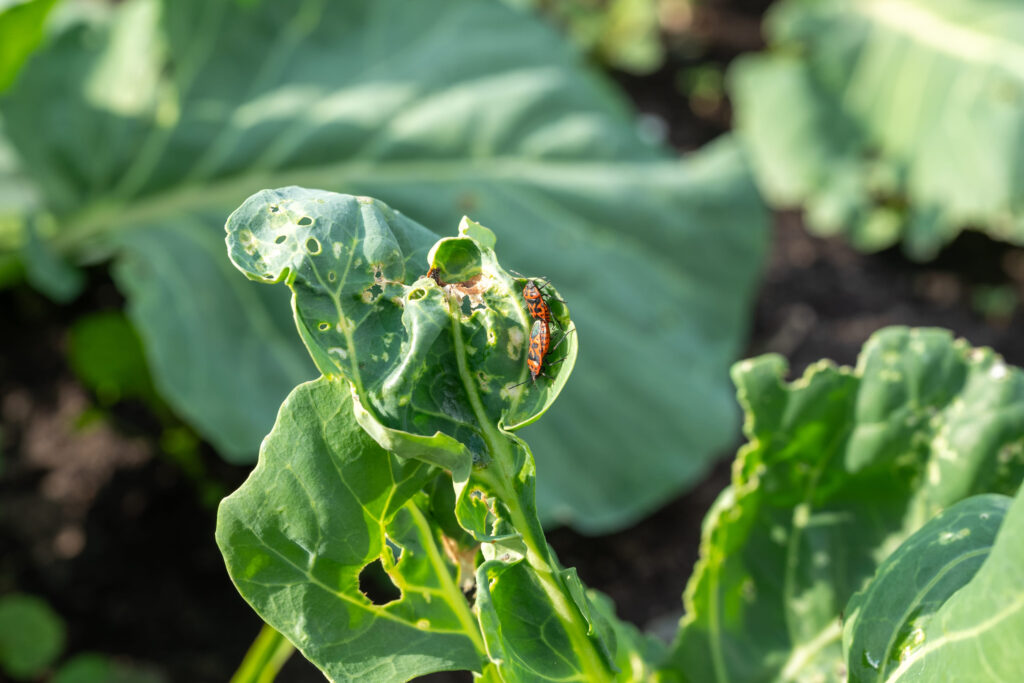
Pest problems rarely start as disasters. They begin with small clues: tiny holes, sticky residue, curled leaves, webbing, yellow speckling, eggs under leaves, or unusual ants moving along stems. When we ignore these signs, pests gain time to multiply. By the time leaves are shredded or plants are coated with aphids, control becomes harder and more stressful.
Planting Invasive Species Without Research
Some plants look harmless in a pot but become aggressive once planted. Invasive plants can spread by seed, roots, runners, berries, or fragments. They may crowd out native species, weaken habitat, and create long-term maintenance problems. A plant that behaves politely in one region can become invasive in another, which is why local research matters.
Misreading Sunlight Requirements
Sunlight is a plant’s energy source. When we plant sun-loving crops in shade, they stretch, weaken, bloom poorly, and produce smaller harvests. When we put shade-loving plants in harsh afternoon sun, leaves scorch, wilt, fade, or dry out. Many garden failures begin with the wrong plant in the wrong light.
Ignoring Plant Labels and Seed Packets
Plant labels are small, but they carry major clues. They tell us spacing, mature height, spread, water needs, light requirements, bloom season, hardiness, and sometimes pruning instructions. Ignoring these details leads to crowded beds, burned leaves, poor blooms, and plants that outgrow their space. Seed packets are equally important because they explain depth, timing, thinning, days to maturity, and germination needs.
Letting Weeds Steal Water, Nutrients, and Space
Weeds compete aggressively because they are built for survival. They steal water, nutrients, light, and root space from garden plants. Some also host pests and diseases. When weeds mature and go to seed, one neglected week can create months of extra work. Weed control is easiest when weeds are small, soft, and shallow-rooted.
Failing to Support Tomatoes, Cucumbers, Beans, and Vining Plants
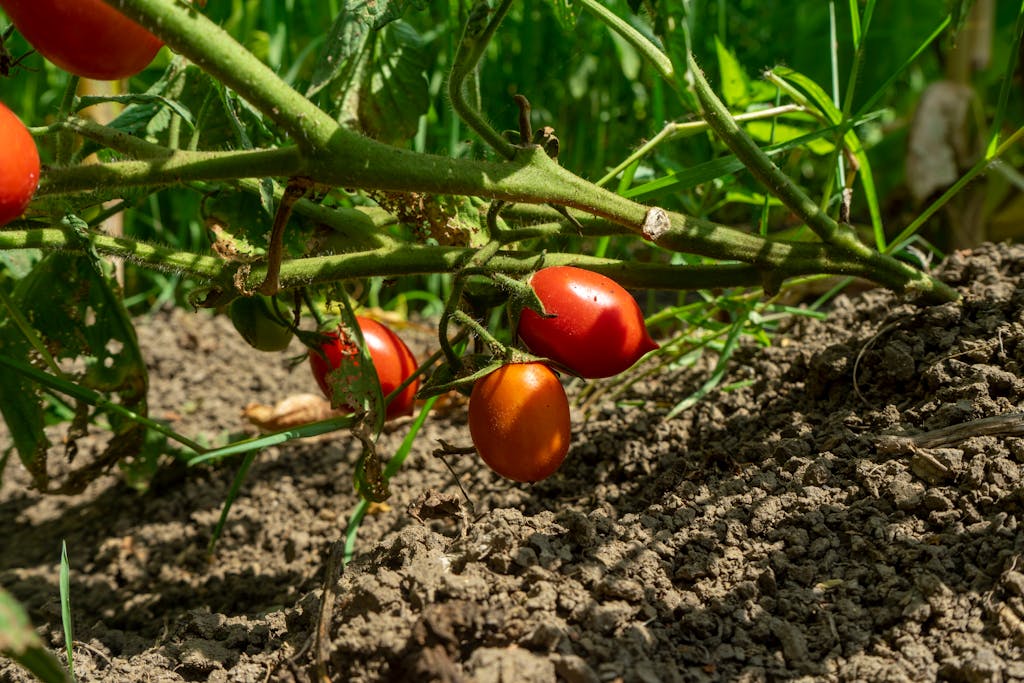
Unsupported plants often sprawl across the ground, where fruit touches damp soil, leaves stay wet, and pests find easy hiding places. Tomatoes may snap under their own weight. Cucumbers may twist through neighboring plants. Beans may tangle into a hard-to-harvest mass. Support is not just about neatness. It improves airflow, sun exposure, harvesting, and disease prevention.
Using Dull, Dirty, or Wrong Gardening Tools
Poor tools make gardening harder and can damage plants. Dull pruners crush stems instead of cutting cleanly. Dirty tools can move disease from one plant to another. A weak trowel bends in compacted soil. A heavy hose can crush seedlings. The wrong tool wastes energy and increases frustration.
Neglecting Regular Garden Maintenance
A garden changes daily. New weeds sprout, pests hatch, flowers fade, fruit ripens, stems lean, soil dries, and diseases appear after wet weather. When we wait too long between check-ins, small problems become bigger and harder to solve. Regular maintenance keeps the garden productive because it lets us correct issues early.
Harvesting Too Late or Too Early
Harvest timing affects flavor, productivity, and plant health. If we leave beans, cucumbers, zucchini, herbs, and leafy greens too long, the plant may slow production or turn tough, bitter, or seedy. If we harvest too early, fruit may lack flavor or size. Many crops reward frequent picking because it signals the plant to keep producing.
Conclusion
A thriving garden is not built through luck. It grows from steady decisions that protect roots, improve soil, manage water, respect spacing, match plants to climate, and catch problems early. Most gardening mistakes come from good intentions applied at the wrong time: too much water, too much fertilizer, too many plants, too little pruning, or too much trust in guesswork.