Pregnancy changes the way we think about food. A normal lunch can suddenly feel like a checklist, a craving can turn into a question, and a grocery label can matter more than ever. We do not need to fear food during pregnancy, but we do need to treat food safety with more care because pregnancy can make some infections more serious for both mother and baby. The goal is simple: we avoid the risky foods, choose safer alternatives, and keep meals nourishing, satisfying, and realistic.
The best pregnancy nutrition plan is not built on panic. It is built on smart swaps. We can still enjoy protein, seafood, dairy, fruits, vegetables, snacks, and comforting meals, but we need to know which foods carry higher risks of mercury, Listeria, Salmonella, E. coli, parasites, or alcohol-related harm. Current guidance from health authorities supports eating low-mercury seafood during pregnancy, limiting caffeine to moderate amounts, avoiding alcohol, and using stronger food-safety habits in the kitchen.
High-Mercury Fish
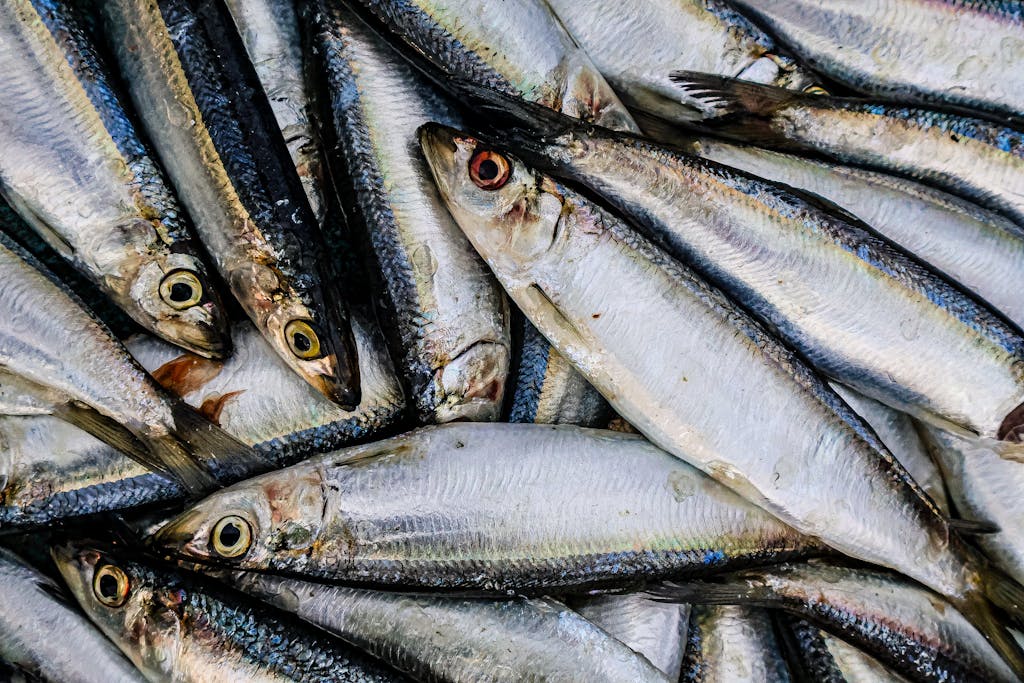
Fish can be one of the best foods in a pregnancy diet because it provides protein, iodine, vitamin D, and omega-3 fatty acids that support fetal brain and eye development. The problem is not seafood itself. The concern is mercury, especially methylmercury, which can affect the developing nervous system. Larger predatory fish often carry higher mercury levels because they live longer and eat smaller fish over time.
We should avoid high-mercury fish during pregnancy for peace of mind. The main fish to skip are shark, swordfish, king mackerel, marlin, orange roughy, bigeye tuna, and tilefish. Instead of removing seafood completely, current dietary guidance supports eating 8 to 12 ounces per week of seafood from lower-mercury choices during pregnancy. Dietary Guidelines
Smoked Seafood
Refrigerated smoked seafood can be risky during pregnancy when eaten cold. This includes products labeled as lox, nova-style, kippered, smoked, or jerky when they are sold refrigerated. The concern is Listeria, which can survive and grow at refrigerator temperatures better than many other bacteria. With a few adjustments, you can still safely include smoked seafood in your meals.
We can still use smoked seafood if it is cooked into a hot dish, such as a casserole, pasta bake, or egg dish that reaches a safe temperature. Shelf-stable canned smoked seafood is generally treated differently because it does not require refrigeration before opening, but we should still check labels and storage directions carefully.
Undercooked Meat and Poultry Should Stay Off the Plate
Pregnancy is not the time for rare burgers, undercooked chicken, pink sausage, or meat cooked by guesswork. Raw and undercooked meat can carry bacteria or parasites, including Salmonella, E. coli, Campylobacter, and Toxoplasma. These infections can cause dehydration, fever, stomach illness, and in some cases, pregnancy complications.
A food thermometer is one of the best pregnancy kitchen tools. FoodSafety.gov lists safe minimum internal temperatures, including 145°F for whole cuts of beef, veal, lamb, and pork with a rest time, 160°F for ground meats, and 165°F for poultry and casseroles.
Ready-Made Deli Salads Can Carry Hidden Risk
Premade deli salads deserve caution during pregnancy because they often sit cold for long periods and may be handled by many people before purchase. Chicken salad, ham salad, tuna salad, seafood salad, coleslaw, and potato salad from a deli counter can carry Listeria risk.
A safer route is to make these foods at home using clean utensils, fresh ingredients, and proper refrigeration. Homemade does not automatically mean safe, but it gives us more control over washing, cooking, storage time, and temperature.
Raw or Runny Eggs Should Be Avoided
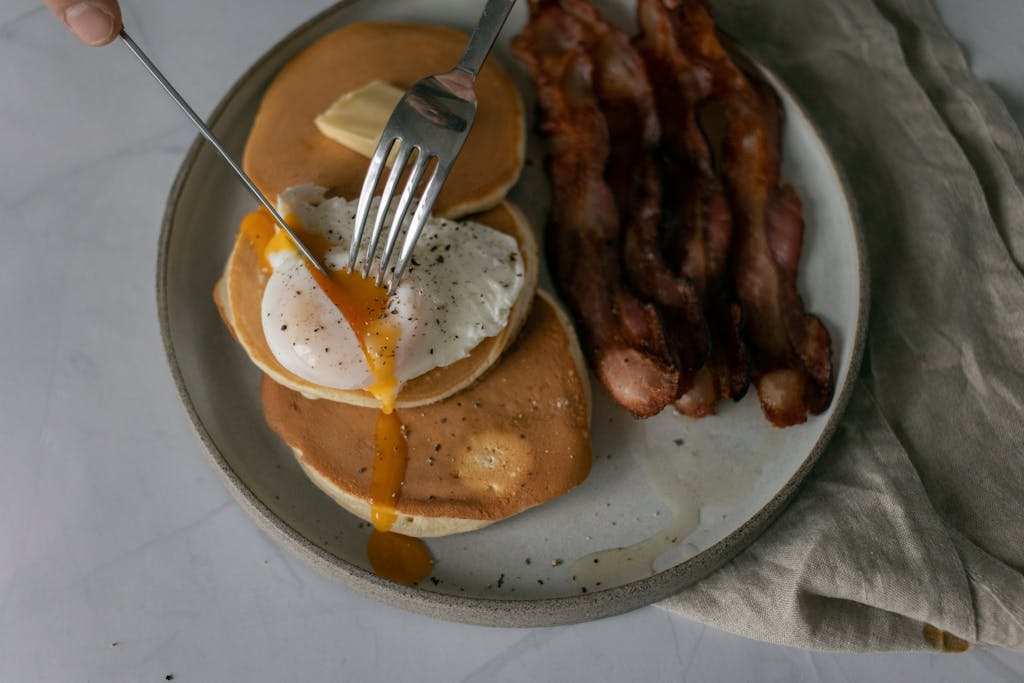
Eggs are nutritious during pregnancy because they provide protein, choline, iodine, and other nutrients. The risk comes from raw or undercooked eggs, which can carry Salmonella. We should avoid runny yolks, raw cookie dough, raw cake batter, homemade mayonnaise made with raw egg, homemade Caesar dressing, homemade hollandaise sauce, some mousses, tiramisu, and homemade ice cream unless pasteurized eggs are used and the recipe is handled safely.
Fully cooked eggs are a strong pregnancy food. Scrambled eggs should be firm, boiled eggs should have set yolks, and egg dishes should be cooked through. Pasteurized egg products can make certain recipes safer, but labels matter.
Unpasteurized Milk and Dairy Products
Pasteurization uses heat to kill harmful germs. Raw milk and products made from unpasteurized milk can carry bacteria such as Listeria, Salmonella, E. coli, and Campylobacter. During pregnancy, we should avoid raw milk, raw milk yogurt, raw milk ice cream, and cheeses made with unpasteurized milk.
Cheese needs a label reading. Hard cheeses are often safer, and many soft cheeses are safe when made with pasteurized milk and handled properly. The CDC lists safer cheese choices such as hard cheeses and pasteurized cottage cheese, cream cheese, string cheese, feta, and mozzarella, while warning against unpasteurized options unless heated appropriately.
Soft Cheeses
Soft cheese is not automatically forbidden. The real question is whether it is pasteurized and stored safely. Brie, Camembert, blue cheese, queso fresco, queso blanco, panela, feta, goat cheese, and similar cheeses should be checked carefully. If the label does not clearly say pasteurized, we should skip it during pregnancy.
This is especially important with fresh Hispanic-style cheeses, which have been linked to Listeria outbreaks in the past. A safer pregnancy cheese plate can include pasteurized mozzarella, cheddar, Swiss, Parmesan, pasteurized feta, pasteurized cream cheese, and pasteurized cottage cheese.
Unpasteurized Juice and Cider
Fresh juice may sound healthy, but unpasteurized juice or cider can carry harmful bacteria. This includes some farmers’ market juices, fresh-pressed juices, refrigerated ciders, and juice-bar products that have not been pasteurized or otherwise treated for safety.
We can choose pasteurized juice, shelf-stable juice, or whole fruit instead. Whole fruit gives us fiber, vitamins, hydration, and a slower blood sugar rise than juice. We should still wash fruit under running water before cutting or eating it.
Unwashed Fruits and Vegetables
Fruits and vegetables are essential during pregnancy, but they still need proper washing. Soil, handling, transport, and cutting surfaces can introduce bacteria or parasites. We should rinse produce under running water, scrub firm produce such as melons and cucumbers, remove damaged spots, and dry items with a clean towel.
Pre-cut fruit and bagged salads need extra caution because more handling creates more chances for contamination. We should buy them cold, keep them refrigerated, use them before the date on the package, and discard anything slimy, sour-smelling, or left out too long.
Alcohol
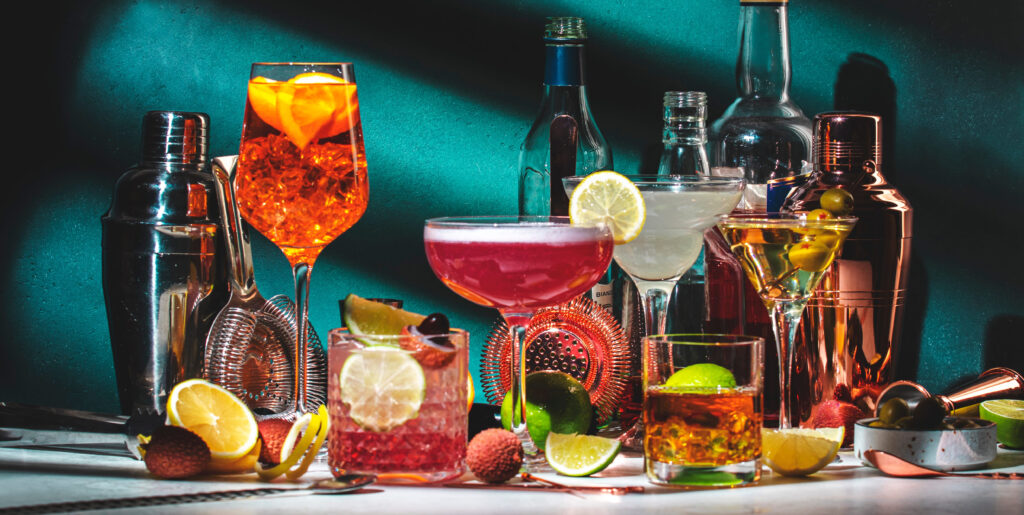
Alcohol should be avoided during pregnancy. The CDC states that there is no known safe amount of alcohol use during pregnancy, no safe time to drink, and no safe type of alcohol, including wine, beer, and liquor. Alcohol exposure can increase the risk of miscarriage, stillbirth, and fetal alcohol spectrum disorders.
This guidance includes early pregnancy, even before a person knows they are pregnant. If alcohol was consumed before pregnancy was confirmed, the best next step is to stop drinking and speak with a healthcare professional for individualized advice, not to panic silently.
Energy Drinks
Energy drinks are not the same as coffee. Many contain high caffeine levels, added stimulants, herbal blends, large amounts of sugar, or ingredients that have not been well studied in pregnancy. Even when the caffeine amount looks acceptable, the combined formula may not be ideal.
A safer approach is to use food-based energy support. We can choose protein-rich snacks, water, fruit with nut butter, Greek yogurt, whole-grain toast, eggs, beans, or small balanced meals. Fatigue in pregnancy is common, but a stimulant-heavy drink is rarely the best answer.
Herbal Teas and Supplements
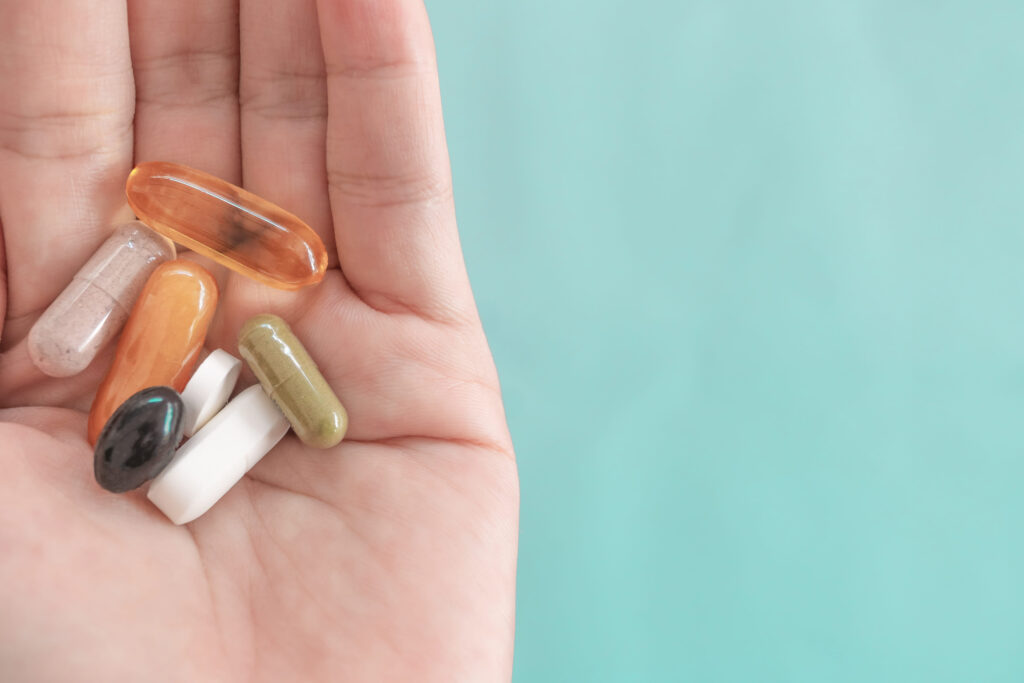
Herbal does not always mean safe for pregnancy. Some herbs may affect the uterus, blood pressure, bleeding risk, digestion, or medication levels. Others simply do not have enough pregnancy safety data. Pregnancy-branded teas can still contain herbs that deserve review.
We should ask a healthcare professional before using herbal teas, concentrated herbal powders, tinctures, detox teas, weight-loss teas, or supplements. Ginger tea or peppermint tea may be acceptable for some people, but individual conditions and medications matter.
Liver and High-Vitamin A Foods
Vitamin A is important for fetal development, immune function, and vision, but too much preformed vitamin A from animal sources or supplements can be harmful. Liver and liver products can contain very high levels of preformed vitamin A. Some prenatal vitamins are designed with pregnancy-safe amounts, but taking extra vitamin A supplements without medical guidance can create risk.
We should not start high-dose supplements during pregnancy unless a clinician recommends them. For everyday nutrition, beta-carotene-rich foods such as carrots, sweet potatoes, pumpkin, spinach, and kale are generally a safer way to support vitamin A needs through food.
Restaurant and Takeout Foods
Eating out can still be part of pregnancy life, but we should choose wisely. Safer orders include fully cooked meals served hot, pasteurized dairy items, cooked seafood, well-done burgers, hot soups, cooked vegetables, and freshly prepared dishes from clean, busy restaurants.
Riskier choices include raw oysters, rare steaks, runny eggs, buffet foods sitting lukewarm, cold deli sandwiches, unpasteurized juices, raw sprouts, and salads from places with poor food handling. We can ask for meat well done, eggs fully cooked, cheese pasteurized, and deli meats heated.
Conclusion
Pregnancy nutrition is not about cutting out every enjoyable food. It is about knowing which foods create real risk and choosing safer versions with confidence. We avoid high-mercury fish, raw seafood, undercooked meat, runny eggs, unpasteurized dairy, unsafe deli foods, raw sprouts, excess caffeine, questionable herbs, and alcohol. Then we build meals around fully cooked protein, pasteurized dairy, washed produce, low-mercury seafood, whole grains, beans, nuts, seeds, and safe hydration.
The best pregnancy diet feels protective without feeling punishing. When we cook thoroughly, read labels, heat risky ready-to-eat foods, and ask for medical guidance when unsure, we give ourselves and the baby a safer, stronger foundation.