Your backyard is meant to be a peaceful retreat, but with rising environmental concerns, several commonly used tools could soon be banned. From gas-powered gadgets to toxic chemicals, these items, once essential for maintaining a flawless garden, may become relics of the past.
As sustainability becomes a priority, it’s time to rethink some of the backyard staples we take for granted. Here are 8 tools that could soon be illegal, along with why it might be time to bid them farewell.
Gas-Powered Leaf Blowers
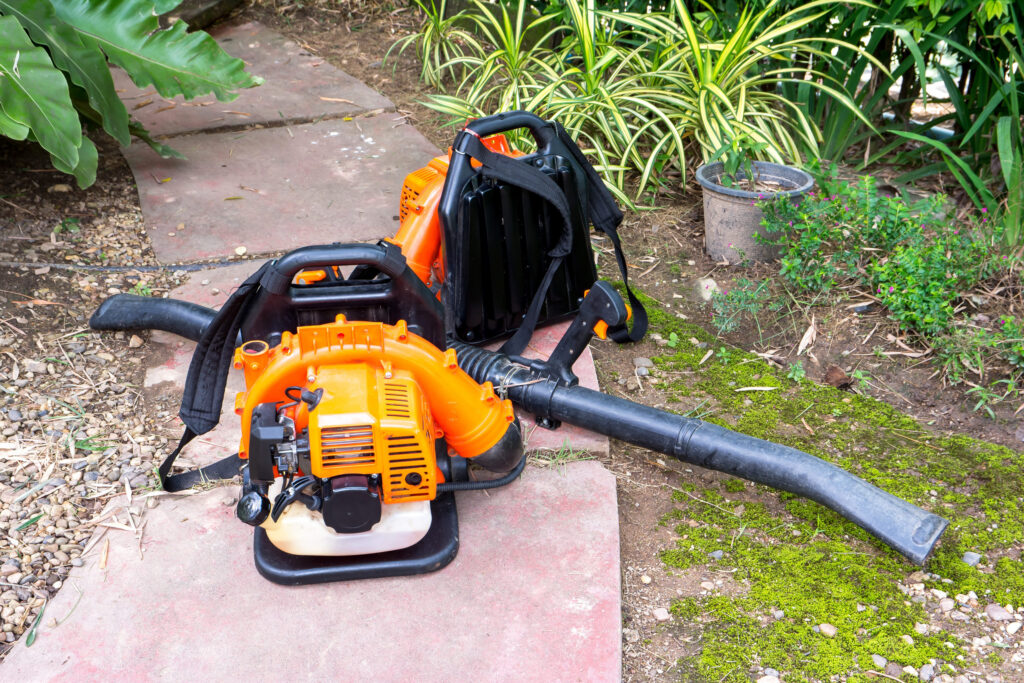
If you’ve ever struggled to get your morning peace with a leaf blower nearby, you’re not alone. These gas-powered machines are notorious for their noise pollution and harmful emissions.
They emit toxic gases such as carbon monoxide and nitrogen oxides, which contribute to both air pollution and climate change. Already, several cities are placing restrictions or outright bans on these noisy, polluting devices. The future of backyard upkeep is going electric—and it’s quieter and cleaner than ever.
Chemical Pesticides
While pesticides may promise a bug-free lawn, their long-term consequences are anything but harmless. These toxic chemicals contaminate soil, water, and air, affecting both humans and wildlife.
Research has linked pesticide exposure to serious health risks, including cancer and developmental issues in children. As awareness around environmental toxicity grows, many municipalities are beginning to restrict their use, urging gardeners to go organic and rely on natural alternatives.
Gas Lawn Mowers

Lawn mowers are another major source of air pollution. Gas-powered versions are not only noisy, but they also emit a staggering amount of carbon monoxide and other greenhouse gases. In fact, a single gas-powered mower can pollute as much as a car traveling hundreds of miles.
With electric models on the rise, it’s clear that the future of lawn care lies in cleaner, greener solutions. Communities are starting to take notice, with some already moving to phase out gas-powered lawn mowers altogether.
Pressure Washers
Pressure washers may seem like the ultimate cleaning tool, but they come with a hidden environmental cost. These powerful machines consume vast amounts of water in a short period, straining already limited resources, especially in drought-prone areas.
With more sustainable cleaning technologies available, pressure washers may soon face tough regulations. Opting for more eco-friendly methods, such as hand scrubbing or using water-efficient devices, can help conserve water while keeping your backyard in tip-top shape.
Plastic Lawn Furniture
Plastic lawn furniture has long been a staple of backyard gatherings, but its environmental impact is undeniable. Not only is plastic non-biodegradable, but it also contributes significantly to pollution and microplastics in oceans and soil.
With the demand for sustainable materials on the rise, alternatives such as recycled plastic, wood, or biodegradable materials are becoming more accessible. It’s only a matter of time before traditional plastic furniture finds itself on the chopping block.
Invasive Plant Species
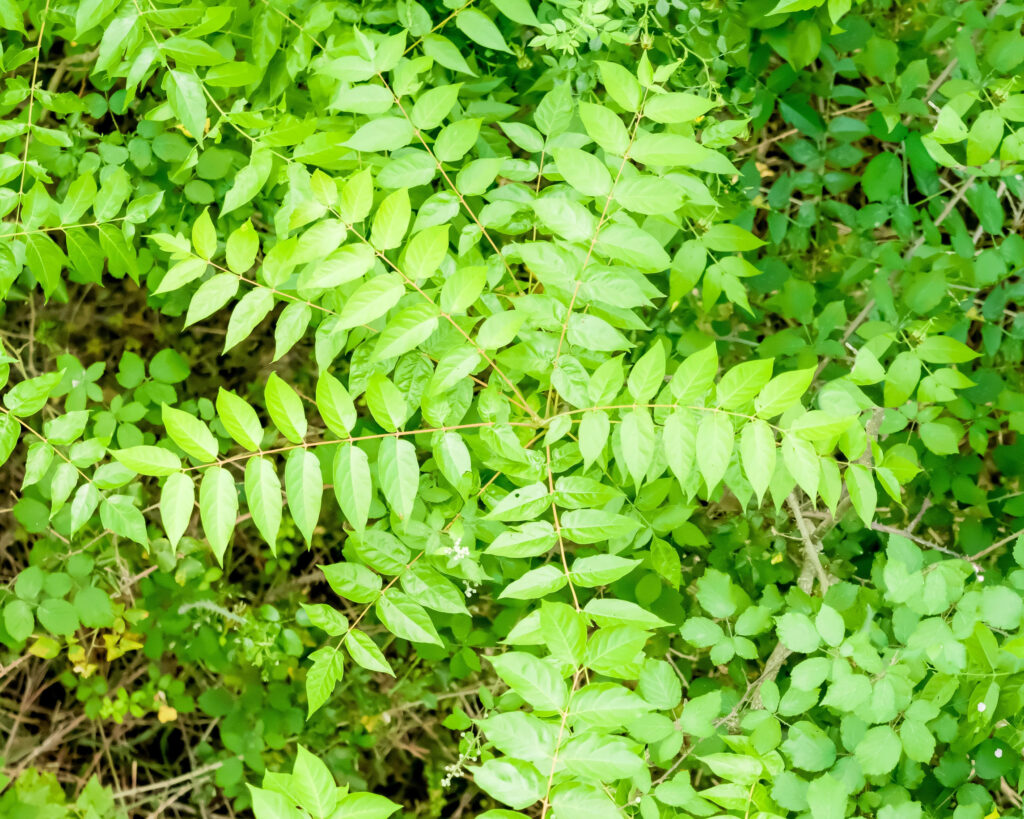
Planting invasive species might seem like an easy way to beautify your garden, but these plants can cause serious damage to local ecosystems.
They outcompete native species, disrupt local wildlife, and can lead to biodiversity loss. With growing awareness of the environmental impacts of these plants, many regions are beginning to regulate their sale and cultivation. Going native is the way forward, offering a safer, more sustainable option for your garden.
Charcoal Grills
While charcoal grills offer a nostalgic cooking experience, they come with serious environmental downsides. They emit harmful particulate matter and carbon dioxide, contributing to air pollution. In some areas, there are growing calls to phase out charcoal grills in favor of cleaner, more energy-efficient gas or electric alternatives.
As we prioritize sustainability, charcoal grilling might just be the next big backyard tradition to be retired.
Toxic Fertilizer

Fertilizers may promise to boost your garden’s growth, but many of the conventional products available are laden with harmful chemicals.
These synthetic fertilizers often run off into nearby waterways, polluting rivers and lakes and disrupting local ecosystems. Organic fertilizers, on the other hand, provide a safer, more sustainable solution that nurtures both your plants and the environment. As laws tighten on chemical fertilizers, now is the time to switch to greener alternatives.