Identity theft is a crime that can sneak up on anyone. It can devastate your finances, reputation, and sense of security. Often, it starts with something small, like losing a wallet or sharing personal information in conversation. Before you know it, the damage spirals out of control. From ruined credit to psychological scars, recovery can take years, if not a lifetime.
Here are 10 dangers of identity theft you must know before it’s too late.
Medical Identity Theft

Medical identity theft doesn’t just steal your money. It also steals your health. If a criminal accesses your personal health information, they can get prescriptions, treatments, or surgeries under your name. This can result in incorrect medical records that follow you for life.
Imagine walking into a doctor’s office and finding conditions and treatments in your records that you never had. Not only is this frustrating, but it could also lead to serious, life-threatening mistakes because your medical history is wrong.
Medical fraud can also affect insurance claims and create billing nightmares. Fixing it is not as simple as a phone call. It takes time, legal battles, and plenty of red tape. This type of identity theft is among the most invasive and one of the hardest to correct.
Family and Domestic Identity Theft
Most people think identity theft is a crime by online strangers. But the worst cases can happen closer to home. Family or close friends often have access to your personal information.
They can use it to commit fraud. With details like your Social Security number and past addresses, they can open bank accounts, apply for loans, and more.
What makes this type of theft so devastating is the emotional toll it takes. You don’t just lose money, you lose trust. Recovering from betrayal within your own circle can be much harder than fighting an anonymous thief online.
The Consequences of Losing Your Wallet
Most people think losing their wallet is just an inconvenience, replacing cards, canceling IDs, and moving on with life. But a lost wallet, especially if it contains sensitive documents like a Social Security card, is a ticket to identity theft.
Thieves can use your personal details to apply for loans, open accounts, or commit fraud. Worse, the damage doesn’t stop once your cards are replaced.
The stolen information can be recycled across different scams, leaving you with years of battles against fraudulent claims and collection notices. One small mistake can haunt you for a decade.
Tax Fraud
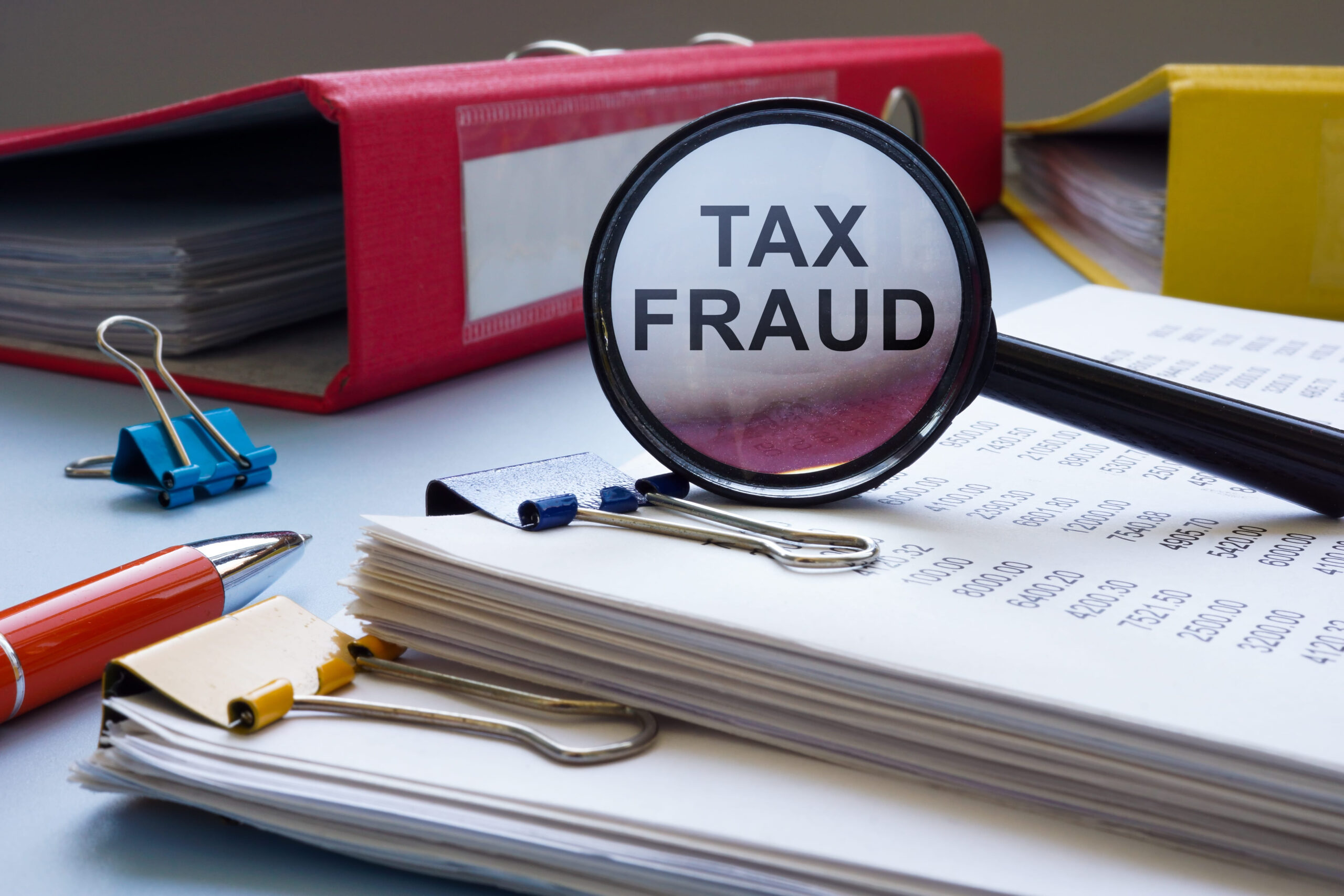
Few things are more frustrating than dealing with tax identity theft. Criminals can file a tax return in your name, claim your refund, and disappear before you notice.
When you file your taxes, you might face rejections, delays, or even notices for wages you never earned. Proving you’re the victim is not easy.
Tax fraud is hard to untangle because it involves government records. Even when you prove fraud, the recovery process is slow and stressful.
Fake Debt
Identity thieves can run up credit cards, loans, and utility bills in your name, leaving you to pick up the pieces. Even if you never made the purchases, the debt affects your credit score.
This blocks you from getting a mortgage, a car loan, or good insurance rates. The worst part is how fast it happens. Your credit score can drop overnight. You then must prove your innocence as creditors pursue you. The emotional and financial toll is immense.
Driver’s License Fraud
If your driver’s license is stolen, it’s not just a piece of plastic anymore. It becomes an entryway to fraud. Criminals can use it to rent cars, sign contracts, or dodge tolls.
This leaves a trail of false activities that make it look like you committed crimes. From fines to legal threats, this creates chaos. The longer it goes unnoticed, the worse it becomes. It can even lead to police involvement and a lengthy cleanup.
Dead People and Children

Identity thieves often target people least likely to notice their information is stolen—children and the deceased. Children lack credit histories, so their identities offer criminals a blank slate.
When someone passes away, their personal details may go unguarded, making fraud easy. The worst part? It can take years to spot the theft. By then, the damage is often irreparable, with many fraudulent accounts in the victim’s name.
Bank Account Takeovers
When a thief gains access to your bank accounts, it is more than fraud it is financial suffocation. Account takeovers can wipe out savings, disrupt income, and destroy financial stability.
Thieves transfer funds, make unauthorized purchases, or even apply for credit in your name. You are left to sort it out. Recovering from this is long and hard, leaving you vulnerable for years.
Identity Theft Scams
Not all identity theft is by hackers. Some thieves pose as government workers, bank employees, or fraud investigators. They use urgency and fear to trick you into giving them your information, making you think you are protecting yourself.
This theft is dangerous because it exploits good intentions. Many people don’t realize they are being scammed until it’s too late.
The Cost of a Stolen Identity
Identity theft damage doesn’t end when the thief disappears. Even after recovering your information, the scars can remain. Cleanup means hours on the phone, endless paperwork, and fighting legal and financial obstacles.
Sometimes, you never finish the recovery process. The stress sticks with you for years, leaving you powerless and on edge.
Conclusion
Identity theft is not just about stolen credit cards or hacked accounts. It is a pervasive crime that seeps into every part of your life, from your medical records to your family’s privacy.
The damage can last a lifetime, harming your finances, emotional well-being, and relationships. By learning the hidden dangers of identity theft, you can take steps to protect yourself and reduce your risk.