Zinnias are supposed to be the easy, cheerful flowers of summer. You plant them, give them sunshine, and expect a garden full of bold pinks, oranges, reds, yellows, and purples. Then reality shows up with leggy stems, faded flowers, mildew-covered leaves, and plants that seem to quit blooming right when they should be showing off. The problem usually isn’t the flower itself. It’s the small care mistakes that slowly weaken the plant.
The good news is that zinnias are forgiving. Once you understand what they hate, you can fix the problem quickly and bring back steady blooms. These are the zinnia mistakes that can stop your flowers from blooming all summer.
Watering From Above Like It’s a Lawn
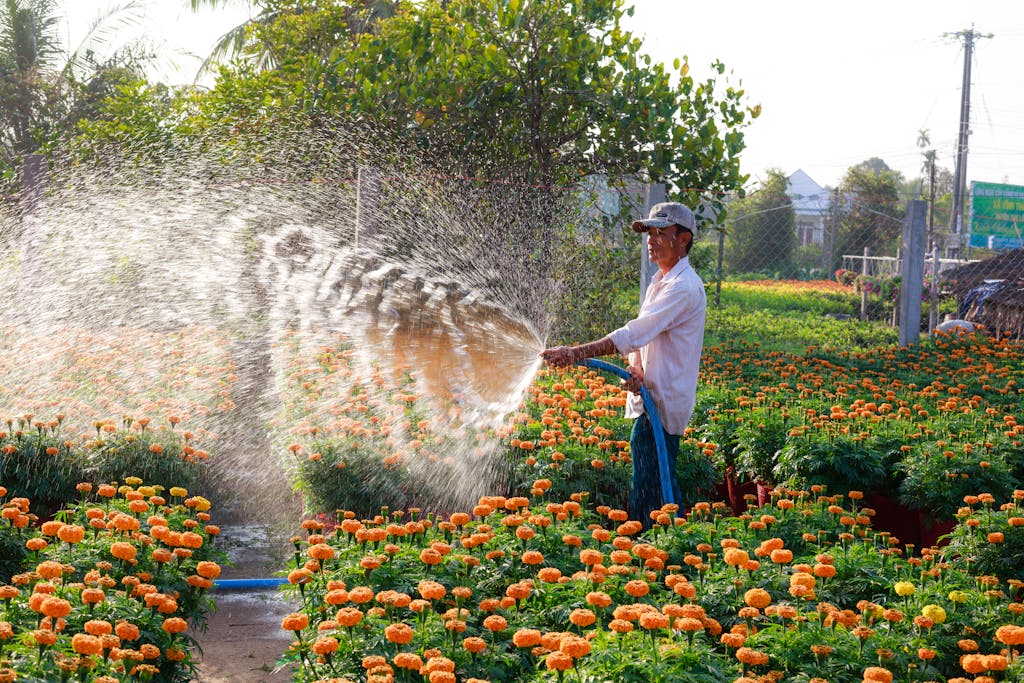
One of the biggest zinnia mistakes is spraying the whole plant from above. Zinnias may look tough, but their leaves can become a playground for fungal problems when they stay wet for too long. Overhead watering leaves moisture sitting on the foliage, especially in humid weather or crowded beds. That can lead to powdery mildew, spotted leaves, and tired-looking plants that spend more energy surviving than blooming. Instead, water at the base of the plant so the roots get moisture without soaking the leaves. A watering can, drip hose, or soaker hose works far better than blasting them with a sprinkler.
Crowding Them Until They Can’t Breathe
Zinnias need room, and many gardeners ignore this because young seedlings look tiny at first. The mistake is planting them too close together and assuming they’ll sort themselves out later. They won’t. As zinnias grow, tight spacing traps humidity, blocks airflow, and increases the likelihood of fungal disease. Crowding also forces the plants to compete for sunlight, water, and nutrients. Give smaller varieties moderate space and larger varieties more breathing room. When air moves freely between the stems, the plants stay drier, stronger, and more willing to keep producing flowers.
Leaving Dead Flowers on the Plant
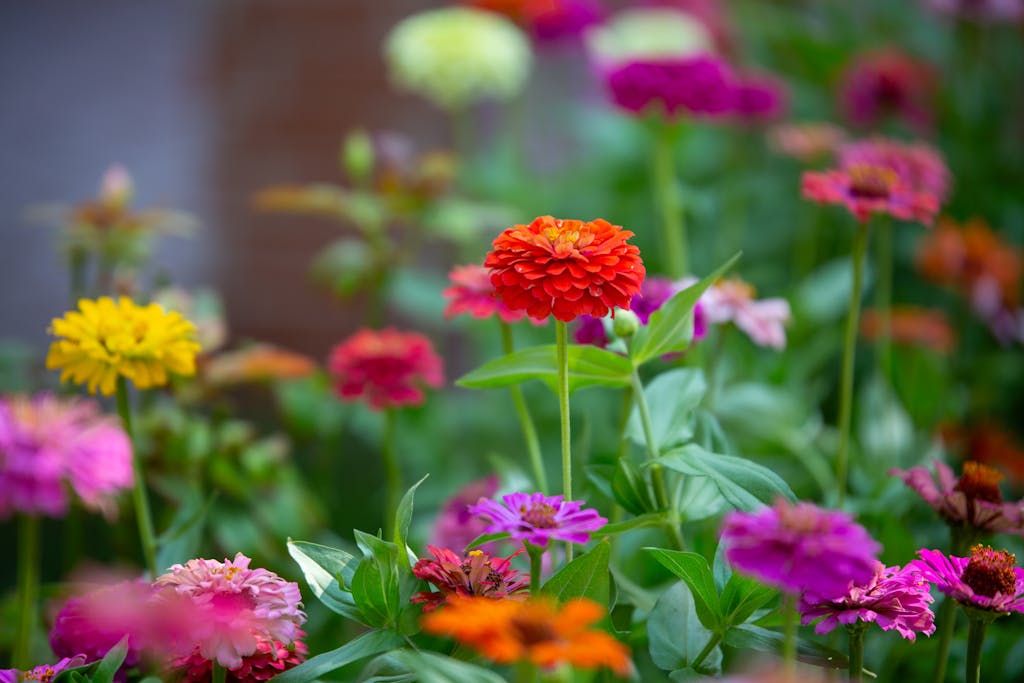
Deadheading may sound like a small chore, but skipping it can make zinnias slow down fast. Once a bloom fades, the plant begins allocating energy to seed production rather than making new flowers. That is useful if you want to collect seeds later, but terrible if your goal is nonstop color. Removing old blooms tells the plant to keep working. Snip the spent flower just above a healthy set of leaves or a new bud. Do this regularly, especially during peak summer, and your zinnias will look fuller, fresher, and much more productive.
Never Pinching Young Plants
Many gardeners wait for zinnias to grow tall, only to wonder why they look skinny. The secret to fuller zinnias starts early. Pinching means removing the growing tip when the plant is young so it branches out instead of shooting straight upward. This simple move encourages a bushier shape and creates more stems that can carry blooms. Without pinching, some zinnias become tall, thin, and less impressive in the garden. You don’t need to be rough. Just pinch or snip above a set of leaves once the plant has enough healthy growth. It feels wrong at first, but the plant usually rewards you with more flowers later.
Ignoring Pests Until the Damage Is Obvious
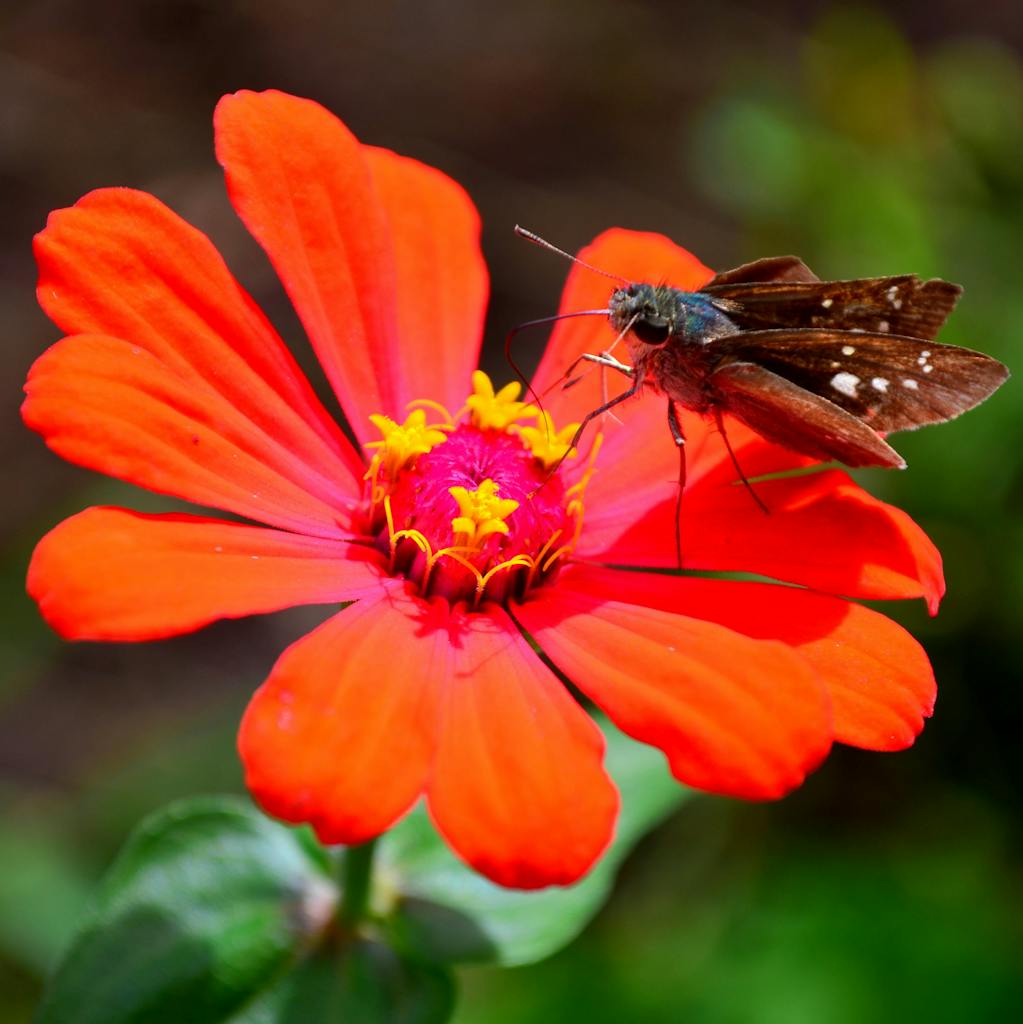
Zinnias are fairly low-maintenance, but that does not mean pests leave them alone. Aphids, spider mites, and other tiny troublemakers can weaken the plant before you notice anything dramatic. They often hide on the undersides of leaves, where they suck sap and stress the plant. A stressed zinnia may still survive, but it won’t bloom as generously. Check your plants a few times a week, especially during hot, dry periods. Look for curling leaves, sticky residue, webbing, or clusters of small insects. If you catch pests early, a gentle spray of water or insecticidal soap can help control the problem before it ruins the show.
Planting Them Where the Sun Is Too Weak
Zinnias are sun lovers, not shade negotiators. If you plant them in a dim corner and expect big summer blooms, you’re setting yourself up for disappointment. Too little sunlight leads to weak stems, fewer flowers, and plants that stretch awkwardly toward the light. Full sun helps zinnias grow strong, dry off faster after rain, and produce brighter, longer-lasting blooms. Aim for a spot that gets plenty of direct sunlight each day. If your zinnias are struggling in partial shade, consider moving future plantings to a sunnier bed, border, or container location.
Forgetting to Feed Fast-Growing Plants
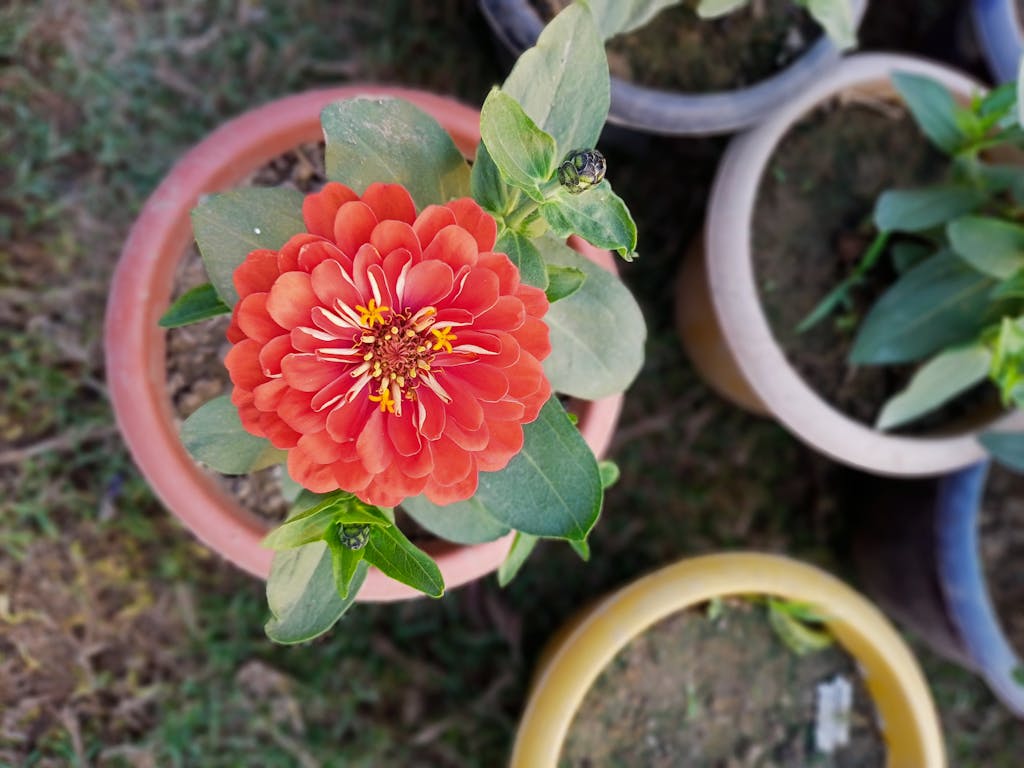
Zinnias grow quickly, and fast growth takes energy. Poor soil can still produce flowers, but the display may fade sooner than expected. One common mistake is assuming zinnias need no feeding at all. They don’t need pampering, but a light monthly boost can help support stronger stems, richer color, and steady blooming. Use a balanced, all-purpose fertilizer and avoid overdoing it. Too much fertilizer, especially nitrogen, may encourage leafy growth rather than flowers. The goal is steady support, not forcing the plant into overdrive.
Conclusion
Zinnias don’t ask for luxury treatment, but they do expect the basics to be done right. Water them at the base, give them space, remove old blooms, pinch young plants, watch for pests, plant them in full sun, and feed them lightly when needed. These simple habits can make the difference between a garden that fizzles out by midsummer and one that keeps throwing color until the season cools down. If your zinnias have stopped blooming, don’t give up on them too quickly. Fix the care mistakes, and they may surprise you with another round of bright, beautiful flowers.