Body odor is something we all deal with, but what if the foods you love are secretly contributing to it? Yes, your diet can play a significant role in the scent your body gives off, and sometimes, the foods you consume can cause unpleasant odors that linger longer than you’d like. While it’s not always about personal hygiene, your daily meals might be fueling the problem without you even realizing it. So, if you’re aiming to smell fresh and stay confident, it’s time to rethink some of your food choices.
In this article, we’ll break down the 10 foods that can intensify your body odor and explain how they impact your scent. By making smarter choices, you can take control of how you smell and feel more comfortable in your own skin. Let’s dive into these surprising odor triggers and learn how to avoid them!
Garlic
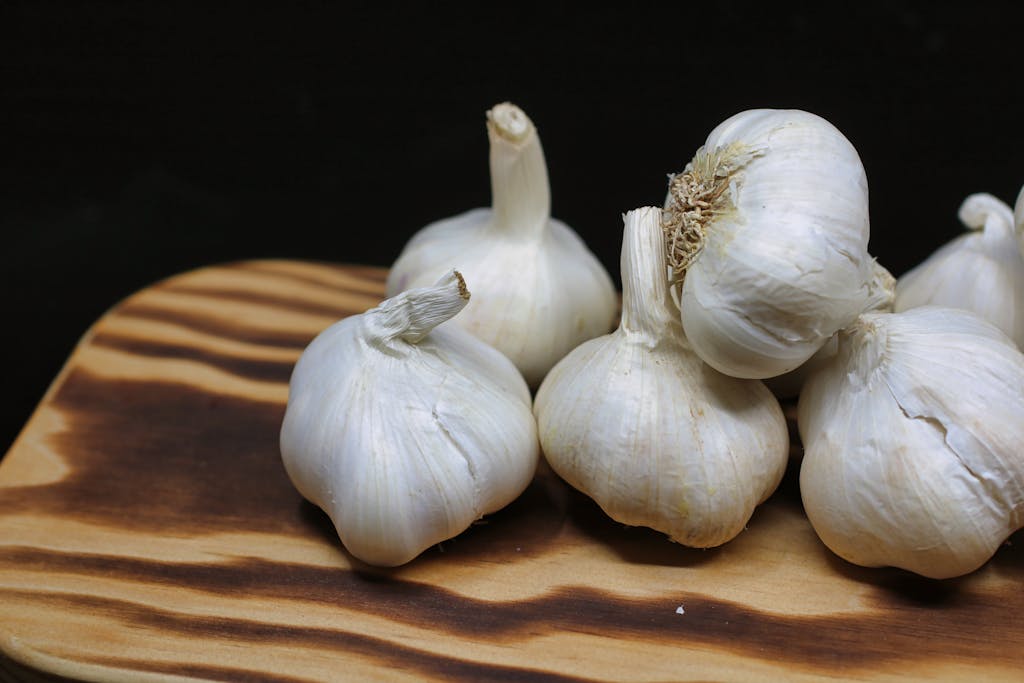
Garlic is often hailed as a health powerhouse, thanks to its numerous benefits, including boosting immunity and reducing inflammation. However, garlic’s strong sulfur compounds are also responsible for its distinct odor. When consumed, garlic is metabolized in your body, and these sulfur compounds are released through your pores, making your sweat smell potent. The effect can last for hours, leaving you with a lingering scent that might not be as desirable.
While garlic is a fantastic addition to many dishes, if you’re heading to a social gathering or just want to avoid unwanted attention, you might want to reconsider how much garlic you’re eating. Eating it in moderation or opting for odor-neutralizing supplements might help you enjoy the benefits without the smell.
Onions
Just like garlic, onions contain sulfur compounds that can affect your body odor. Whether raw or cooked, onions release these compounds as they break down in your body. The result? A strong, sometimes unpleasant body odor that can linger in your sweat. The pungent scent of onions can seep through your pores, especially when consumed in large amounts or raw. Even if you’re not eating them, simply handling onions can leave an odor on your skin.
If you’re concerned about the smell onions leave behind, it’s a good idea to swap them for milder options like chives or green onions. These alternatives still give you the fresh, sharp flavor you love without the same overpowering scent.
Red Meat

Red meat is another food that could be secretly contributing to your body odor. While it’s a rich source of protein and nutrients, red meat can be difficult for your body to digest. As your body works hard to break down the proteins in beef, pork, and lamb, it can release various byproducts that contribute to a stronger body odor. Additionally, red meat promotes sweating, which, when mixed with bacteria on your skin, can create a more noticeable scent.
Opting for leaner meats, like chicken or turkey, or plant-based alternatives can reduce the odor-inducing effects of red meat. By balancing your protein intake with healthier options, you can help maintain a fresher, more pleasant scent throughout the day.
Caffeinated Beverages
Caffeine is a beloved daily pick-me-up, but its effects extend beyond keeping you awake. While that cup of coffee may help with focus and energy, it can also lead to increased sweating. Caffeine stimulates the sweat glands, and as your body sweats more, the risk of body odor increases. More sweat means more opportunities for bacteria to thrive on your skin, resulting in a stronger, less pleasant scent.
If you’re concerned about body odor, consider cutting back on caffeinated beverages, especially during the day. Herbal teas, water, and naturally hydrating drinks are great alternatives to keep you refreshed without the extra sweat.
Spicy Foods
Spicy foods are known for making your taste buds dance, but they can also make you sweat more, which can increase your chances of body odor. When you eat spicy foods like chili peppers or curry, they raise your body temperature, causing you to sweat more. This sweat, when combined with bacteria, can lead to pungent body odor. Plus, the spices themselves often have strong, lingering scents that can contribute to an undesirable smell.
If you’re planning a big event or just want to keep your scent in check, it might be a good idea to avoid overly spicy meals. Opt for milder versions or enjoy the spice in moderation to minimize sweating and the accompanying odor.
Fish
Fish, particularly oily fish like tuna and salmon, are rich in omega-3 fatty acids and other nutrients. However, it also contains trimethylamine, a compound that can make your sweat smell fishy. This odor can linger for hours after eating, and in some people, it can even be more pronounced. While fish is an excellent source of protein, its effect on body odor might not be something you want to deal with regularly.
To avoid the fishy scent, try fresher fish or experiment with non-fish protein sources like tofu or chicken. If you love seafood, consider balancing your intake to reduce the risk of lingering odor.
Alcohol

Enjoying a drink or two may be fun, but alcohol can have an impact on your body odor. As your body metabolizes alcohol, it produces acetaldehyde, a compound that can be exhaled through your breath and excreted through your sweat. This can result in a noticeable smell, even after only one or two drinks. Alcohol also dehydrates your body, which can lead to stronger body odor because your sweat becomes more concentrated.
To keep body odor in check, limit your alcohol intake and be sure to hydrate with water between drinks. This helps dilute the smell and keeps your body from becoming too dehydrated.
Cruciferous Vegetables
Cruciferous vegetables, such as broccoli, cauliflower, and Brussels sprouts, are packed with nutrients, but they can also contribute to body odor. These vegetables contain sulfur compounds that, when broken down in your digestive system, can be released through your sweat. The sulfurous smell is typically milder than garlic or onions, but it can still make a noticeable difference in how you smell.
Instead of cutting out these nutritious vegetables, try cooking them lightly or pairing them with other foods that neutralize their odor. Eating smaller portions might also help you enjoy the benefits without the strong scent.
Processed Foods
Processed foods are convenient, but they often contain artificial additives, unhealthy fats, and preservatives that can affect your body’s natural balance. These chemicals can lead to increased sweating and stronger body odor. Additionally, many processed foods are high in sodium, which can cause your body to retain water, making you sweat more and amplifying any existing odors.
To keep your body odor in check, focus on whole, unprocessed foods like fruits, vegetables, and lean proteins. Meal prepping and cooking at home can help you avoid the hidden dangers of processed snacks and meals.
Dairy

Dairy products like cheese, milk, and yogurt are staples in many diets, but they can contribute to body odor in some people. Dairy contains amino acids that break down into sulfur-containing compounds, which are released through your sweat. For individuals who are lactose intolerant or sensitive to dairy, the odor can be more pronounced and difficult to mask.
If dairy is causing issues with your body odor, consider switching to plant-based alternatives like almond milk or coconut yogurt. You can also try reducing your dairy intake to see if it affects your scent.
Conclusion
Managing body odor goes beyond just washing and deodorizing. Your diet plays a huge role in how you smell, and avoiding the foods listed above can help maintain a more pleasant, neutral scent. By making smart choices and adjusting your diet, you can confidently avoid embarrassing odor issues. So next time you’re planning a meal, consider what’s on your plate, your body, and those around you will thank you!