Meta description: These everyday kitchen habits can spread germs, spoil food faster, and raise the risk of food poisoning. Here is how we can clean, store, cook, and chill food more safely at home.
The kitchen looks harmless when the counters shine, the fridge hums, and dinner smells wonderful. Yet many food safety problems begin with small habits we barely notice, such as using the same sponge for too long, thawing meat on the counter, tasting soup with the stirring spoon, or letting leftovers cool on the stove for hours.
Foodborne illness still affects millions of people every year, and the CDC estimates that 48 million people in the United States get sick from foodborne illness annually, with 128,000 hospitalizations and 3,000 deaths.
The good news is that most risky kitchen habits are easy to fix once we spot them. Food safety does not require fear, expensive tools, or restaurant-level training. It depends on four steady habits: clean, separate, cook, and chill. Those four steps form the foundation of safer home cooking because they prevent germs from spreading, surviving, and multiplying in the areas where food is prepared.
Forgetting to clean the kitchen sink
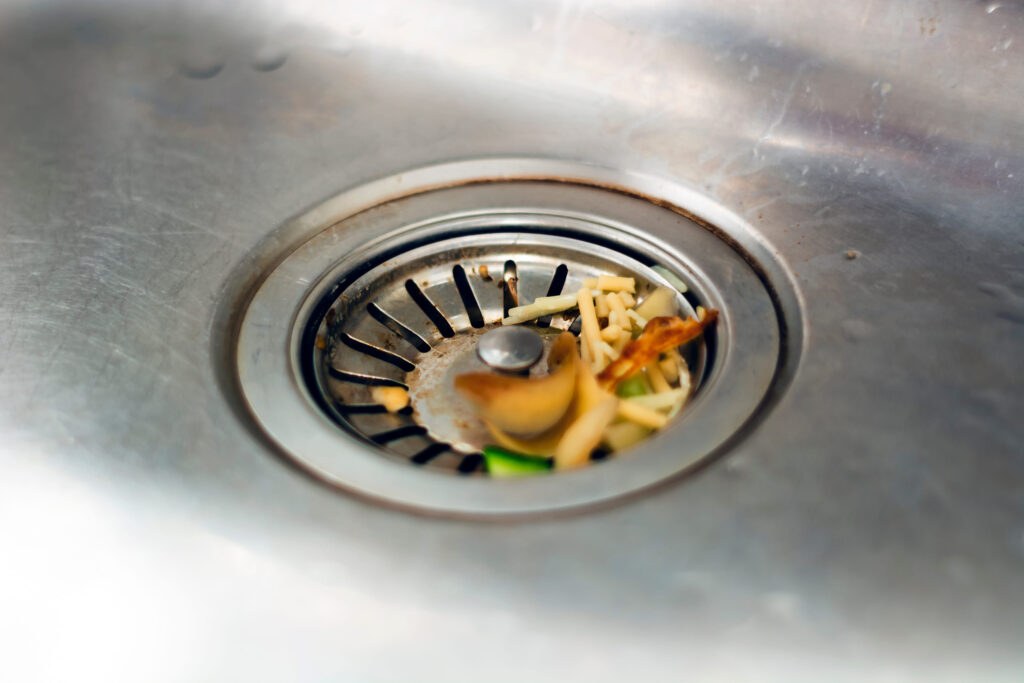
The sink handles dirty dishes, food scraps, raw meat packaging, produce soil, and draining liquids, so a rinse is not enough. Moist surfaces encourage germ growth, especially around the drain, faucet base, basin edges, and disposal area.
NSF found that several of the germiest household hotspots are in the kitchen, including sponges, sinks, and other food-contact areas. We should clean the sink with hot, soapy water, then sanitize it regularly, especially after handling raw meat, poultry, seafood, or leaky packages. A clean-looking sink can still contaminate hands, dishes, and produce if we treat it like a self-cleaning surface.
Washing hands too quickly before cooking
A quick splash under the faucet does not remove enough germs before food prep. We touch phones, cabinet handles, trash lids, eggs, raw meat packages, pets, and refrigerator doors, then move straight to chopping vegetables or plating food. That creates an invisible path for bacteria and viruses to travel from our hands to meals.
We should wash with soap and running water for at least 20 seconds before cooking, after handling raw meat or eggs, after touching trash, after using the bathroom, and before eating. Handwashing matters most during busy cooking moments because that is when we move fast and forget what we touched.
Rinsing raw chicken in the sink
Washing raw chicken feels like a cleaning step, but it can spread germs across the sink, nearby counters, utensils, and clean dishes. Raw chicken is ready to cook, and proper cooking kills the harmful bacteria that rinsing cannot safely remove.
The CDC warns that raw chicken does not need to be washed, and a USDA study found that 1 in 7 people who cleaned their sink after washing chicken still had germs left in the sink. Instead of rinsing poultry, we should carefully open the package, pat the chicken dry with disposable paper towels if needed, dispose of the towels, wash our hands, sanitize the prep area, and cook the chicken to a safe internal temperature.
Letting leftovers sit out for hours

Leftovers can become unsafe long before they smell bad. Once cooked food cools into the temperature “Danger Zone” between 40°F and 140°F, bacteria can multiply quickly. Perishable food should not stay out for more than two hours, or more than one hour when the surrounding temperature is above 90°F.
We should move leftovers into shallow containers so they cool faster, label them with the date, and refrigerate them promptly. A big pot of stew, rice, pasta, chili, or casserole should never sit on the stove until bedtime because the center may stay warm enough for bacteria to grow.
Thawing meat on the counter
Countertop thawing is one of the most common kitchen habits that makes food unsafe. The outside of frozen meat warms first, often reaching unsafe temperatures while the center remains frozen. That gives bacteria time to multiply on the surface before the meat even reaches the pan.
USDA lists three safe thawing methods: in the refrigerator, in cold water, or in the microwave. Refrigerator thawing is the safest choice because the food stays cold the whole time. Cold-water thawing works faster, but the food must be sealed in a leakproof bag, the water should be changed every 30 minutes, and the meat should be cooked soon after thawing.
Using one cutting board for raw meat and salad ingredients
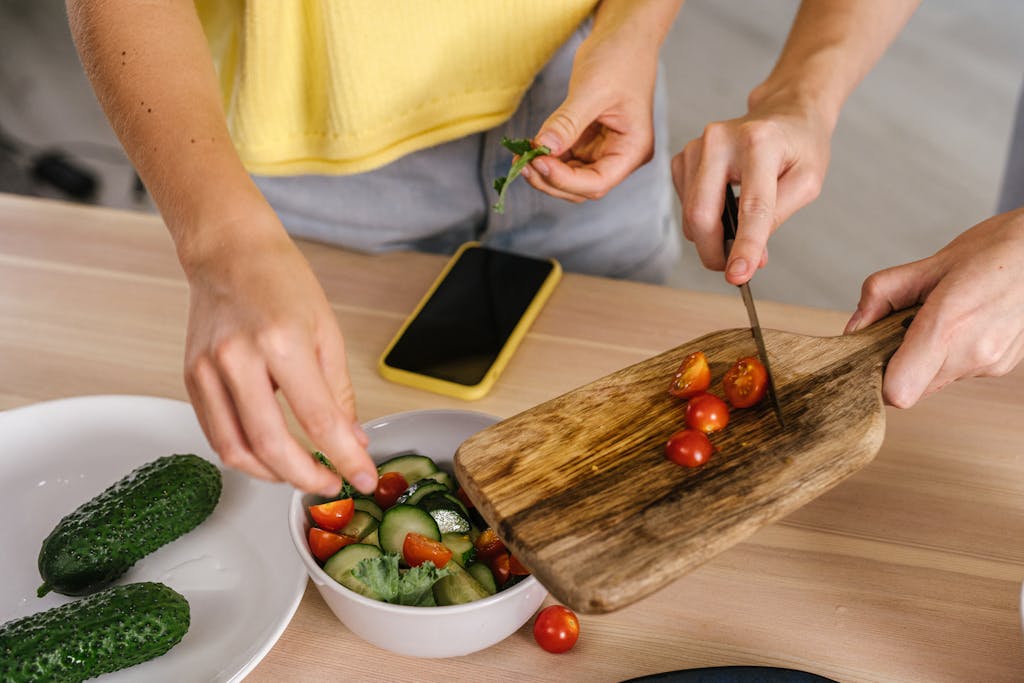
The cutting board can become a transfer station for bacteria if we use it for everything. Raw poultry, seafood, meat juices, and ground beef can leave germs behind, which can then transfer to lettuce, tomatoes, bread, herbs, or fruit that will not be cooked. The safest setup is simple: one board for raw proteins and another board for ready-to-eat foods.
We should wash boards with hot, soapy water after each use, sanitize them often, and replace boards with deep grooves because cuts can trap food residue. Separate boards feel like a small extra step, but they prevent one of the most direct forms of cross-contamination in the kitchen.
Trusting color instead of a food thermometer
Brown meat is not always safe, and pink meat is not always unsafe. Color can mislead us because cooking changes depend on thickness, fat content, pan temperature, resting time, and the type of meat. FoodSafety.gov recommends using a food thermometer to check that food reaches a safe internal temperature because heat must reach a level sufficient to kill harmful germs.
Poultry should reach 165°F, ground meats should reach 160°F, and many steaks, roasts, chops, and fish should reach 145°F with proper rest time where required. A thermometer is one of the cheapest safety tools in the kitchen, and it removes guesswork from dinner.
Reusing the tasting spoon while cooking
Tasting as we cook helps build flavor, but dipping the same spoon back into the pot spreads saliva into the food. That risk matters more when we cook for children, older adults, pregnant people, guests, or anyone with a weaker immune system. The fix is easy: use one spoon for stirring and a separate clean spoon for tasting.
After tasting, that spoon should go straight into the sink or dishwasher. If we need to taste again, we should use a fresh spoon. This habit keeps soups, sauces, stews, gravies, and casseroles cleaner without slowing the cooking process.
Keeping the same sponge for too long
A sponge works hard, but its damp, porous texture makes it a perfect hiding place for germs. It touches plates, counters, cutting boards, sinks, and spills, then often sits wet beside the faucet. NSF’s household germ study ranked kitchen sponges and dish rags among the top germ hotspots in the home.
We should replace sponges frequently, let them dry between uses, and avoid using them to wipe raw meat juices. Dishcloths should be washed often in hot water. For raw meat messes, disposable paper towels followed by proper sanitizing are usually safer than dragging a sponge across the counter.
Ignoring the can opener blade
The can opener may look clean because it only touches cans, but the blade collects food residue, liquid, metal dust, and grime from can lids. When we toss it back into the drawer without washing it, the next can may pick up old residue. NSF identified can openers as kitchen items that often harbor germs because they are not cleaned effectively.
We should wash the cutting wheel and gears with hot, soapy water after each use, scrub any stuck-on residue with a brush, dry them thoroughly, and avoid storing them while damp. Electric can openers need blade cleaning too, even if the rest of the appliance cannot be submerged.
Keeping the refrigerator too warm
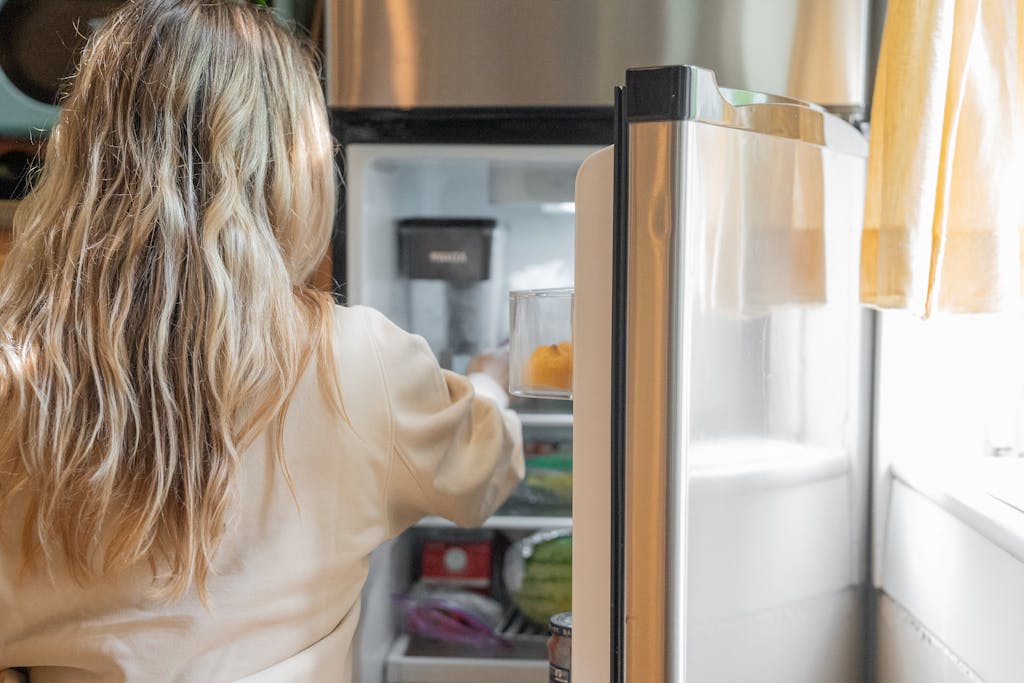
A refrigerator can look cold and still be too warm for food safety. If the fridge temperature rises above 40°F, perishable foods are more likely to fall within the bacterial growth zone. The FDA recommends keeping refrigerators at 40°F or below and freezers at 0°F, and using appliance thermometers because built-in dials often do not show the actual temperature.
We should place one thermometer in the fridge and one in the freezer, then check them regularly. This habit protects milk, cooked meats, leftovers, cut fruits, leafy greens, eggs, deli foods, and other items that spoil faster than we expect.
Storing wet produce in sealed containers
Washing fruit and vegetables before storage may seem efficient, but extra moisture can accelerate spoilage and encourage mold growth. Berries, herbs, mushrooms, leafy greens, and soft produce suffer most when they sit wet in sealed bags or containers.
FDA guidance recommends storing perishable produce in a clean refrigerator at 40°F or below and drying it with a clean cloth or paper towel after washing to reduce bacteria that may be present. We should wash most produce shortly before eating, cutting, or cooking. If we prep the greens ahead, we should dry them thoroughly and place paper towels on them to absorb any excess moisture.