A refrigerator is supposed to protect our food, but many homes use it like a cold-storage closet rather than a carefully managed appliance. That small difference matters. The EPA estimates that food waste costs each U.S. consumer about $728 per year, or $2,913 for a household of four, which means poor storage habits can become a real grocery-budget problem.
The biggest refrigerator mistakes are rarely dramatic. They’re everyday habits like putting milk in the door, packing shelves too tightly, forgetting leftovers, skipping a thermometer, or leaving raw meat where it can leak onto ready-to-eat food. The FDA recommends keeping refrigerators at 40°F or below and freezers at 0°F, and it says appliance thermometers are the best way to check actual temperatures.
Storing Milk, Eggs, and Meat in the Refrigerator Door
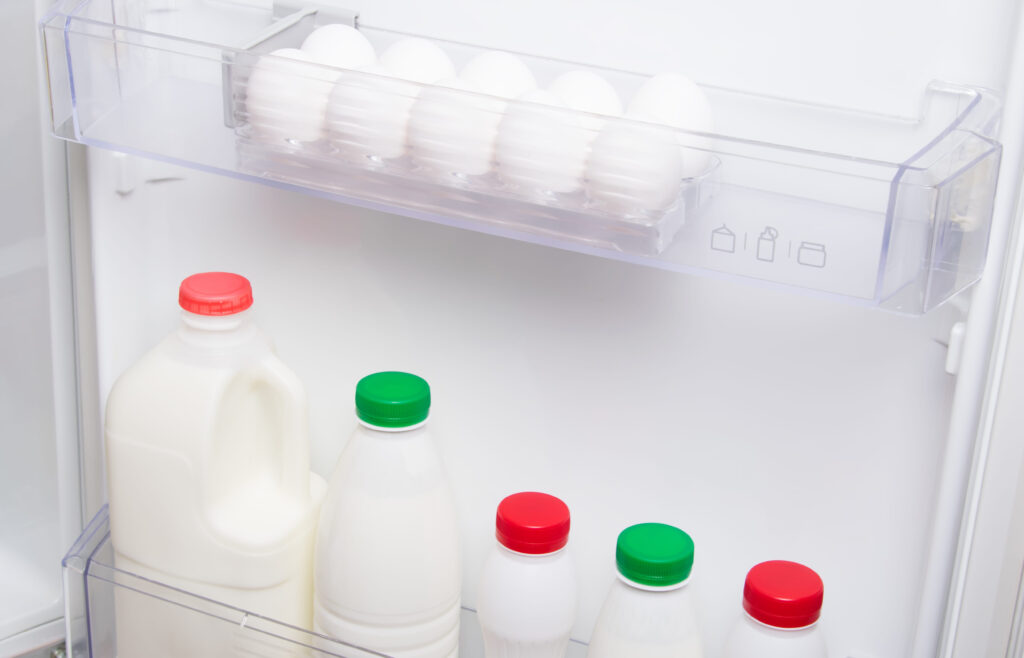
The refrigerator door feels convenient, but it is one of the least stable places in the appliance. USDA guidance notes that door storage bins fluctuate more than the main cabinet area, making the door better suited for condiments than for highly perishable foods.
Milk, eggs, raw meat, and leftovers deserve steadier cold on interior shelves. The door should hold items that tolerate temperature changes better, such as ketchup, mustard, pickles, jams, and some bottled drinks. When we move fragile foods away from the door, they stay colder with less stress from repeated opening and closing.
Setting the Refrigerator Temperature Too Warm
One of the most expensive refrigerator mistakes is assuming “cold” means safe. A fridge can feel chilly and still sit too close to the danger zone, especially after a grocery run, a power flicker, or a long round of door opening during meal prep. The USDA says refrigerators should maintain 40°F, since perishable foods gradually spoil even under refrigeration.
We should treat the temperature setting as a food safety measure, not just an appliance preference. If the fridge sits above 40°F, bacteria can grow faster on foods like dairy, cooked meat, seafood, sliced produce, and leftovers. A safer habit is to keep the refrigerator cold enough for stability, check it often, and avoid relying on guesswork.
Trusting the Built-In Dial Instead of a Thermometer
Many refrigerator dials show numbers like 1 through 7 instead of actual degrees. That can trick us into thinking the fridge is correctly set when it is only generally adjusted. The FDA specifically recommends using inexpensive freestanding appliance thermometers because built-in controls may not accurately reflect the interior temperature.
A thermometer makes refrigerator safety visible. We can place one near the middle shelf and another in the freezer, then check them after grocery loading, cleaning, or power disruptions. This small habit helps catch weak cooling before milk sours early, meat becomes unsafe to eat or produce wilts faster than expected.
Overpacking the fridge until the air cannot move
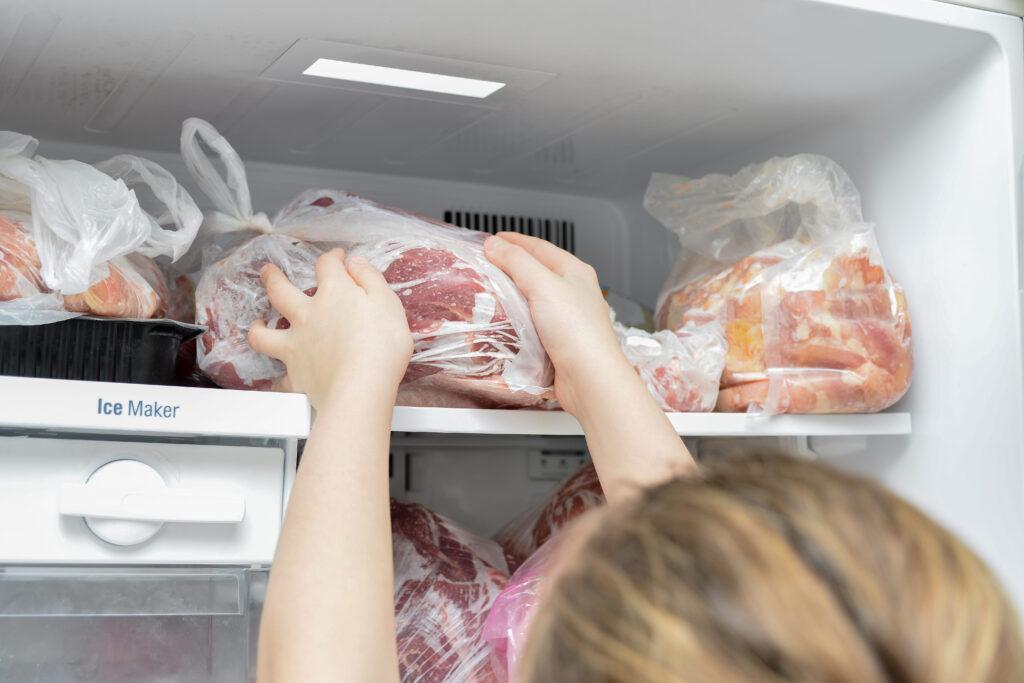
A stuffed refrigerator may look efficient, but it often works against itself. Cold air needs space to circulate around containers, jars, produce bags, and meal-prep boxes. When shelves are jammed from wall to wall, some foods sit in warmer pockets, and others become hidden until they spoil.
The better system is organized abundance, not cold chaos. We should leave small gaps between items, avoid stacking containers so high that vents are blocked, and keep frequently used foods visible. A fridge with breathing room cools more evenly, reduces forgotten food, and makes dinner planning easier.
Leaving Leftovers Unlabeled Until Nobody Trusts Them
Leftovers often start with good intentions and end as mystery containers. The problem is not just appearance; time matters. USDA guidance says leftovers can be kept in the refrigerator for 3 to 4 days or frozen for 3 to 4 months, though frozen leftovers may lose quality over time.
We should label leftovers with the date before they disappear behind yogurt cups and sauce jars. A strip of tape, marker, or reusable label can prevent the “Is this still good?” debate. If we know when food entered the fridge, we can eat it on time, freeze it early, or toss it before it becomes a risk.
Cooling Big Pots Too Slowly
Putting a huge pot of hot soup, stew, rice, or sauce straight into the fridge can slow cooling and warm nearby foods. The safer move is to divide leftovers into small, covered containers before chilling. FDA guidance says perishable foods, such as leftovers, should be refrigerated or frozen within 2 hours, or 1 hour when air temperatures are above 90°F, and divided into small, covered containers before chilling.
We can still refrigerate cooked food promptly, but we should help it cool efficiently. Shallow containers, smaller portions, loose lids at first, and quick transfer to the fridge all support safer cooling. This protects the leftovers and the foods already sitting nearby.
Storing Raw Meat Above Ready-to-Eat Food
Placing raw meat above salad, fruit, cheese, or leftovers creates a cross-contamination risk. Even sealed packages can leak. The CDC warns that raw meat, poultry, seafood, and eggs can spread germs to ready-to-eat foods unless they are kept separate.
The safest fridge layout is simple. Ready-to-eat foods belong higher up, while raw meat, poultry, and seafood should sit on the lowest shelf in a tray, sealed container, or leakproof bag. USDA also recommends placing raw meat, poultry, and seafood in containers, plates, or sealed plastic bags to stop juices from dripping onto other foods.
Mixing Fruits and Vegetables That Spoil Each Other
Produce storage is not just about making everything fit in the drawer. Some fruits release ethylene gas, which speeds ripening and can cause sensitive vegetables and fruits to deteriorate faster. USDA guidance says ethylene-producing fruits should ideally be stored as far from ethylene-sensitive produce as possible.
We should separate apples, pears, avocados, and similar ripening fruits from leafy greens, cucumbers, carrots, broccoli, and other sensitive produce. This one change can keep salads crisp, herbs brighter, and vegetables from turning limp before we use them. The crisper drawer works best when it is sorted with intention.
Ignoring the Crisper Drawers
Crisper drawers are not just extra storage bins. They help manage moisture around produce, which is why leafy greens, herbs, peppers, carrots, and many fruits often perform better there than on open shelves. When we throw everything into one drawer, heavy items crush delicate greens, and ethylene-sensitive foods can spoil faster.
A better method is to group produce by behavior. Keep leafy greens and moisture-loving vegetables in higher humidity when possible, and keep ethylene producers in a separate drawer or container with more airflow. The goal is not perfection; it is giving fresh food the right cold environment, rather than letting it fight for survival in a crowded drawer.
Refrigerating Foods That Prefer the Pantry
Some foods lose flavor, texture, or quality when unnecessarily refrigerated. Bread can stale faster in the fridge, tomatoes can lose their fresh texture, and potatoes, onions, and garlic usually prefer cool, dry, ventilated storage outside the refrigerator. A fridge should protect foods that need to be cold, not punish foods that perform better at room temperature.
We should read labels and separate true perishables from pantry foods. Opened sauces, dairy, cut fruit, cooked grains, eggs, meat, seafood, and leftovers need cold handling. Whole onions, potatoes, many winter squash, unopened shelf-stable condiments, and dry goods usually do better in a pantry unless the package says otherwise.
Forgetting the Two-Hour Rule
Food safety often breaks down before food even reaches the refrigerator. The USDA’s danger zone guidance focuses on the temperature range from 40°F to 140°F, where bacteria can grow faster; perishable food left in that range for too long should not be consumed.
We should refrigerate groceries and leftovers promptly rather than letting them sit on the counter during calls, chores, or after-dinner cleanup. Cooked rice, pasta, poultry, seafood, dairy-based dishes, cut fruit, and deli foods deserve special attention. A clean kitchen timer can be more useful than confidence when food has been sitting out.
Letting “Out of Sight, Out of Mind” Food Spoil in the Back
The back of the fridge is often cold, but it can also become a graveyard for forgotten containers. We buy berries, deli meat, yogurt, sauces, herbs, and meal-prep portions, then push them behind taller items until they pass their best-by window. This creates waste and makes the fridge feel full even when nothing useful is ready to eat.
A front-first system works better. Keep foods that need to be eaten soon at eye level, place older items in front of newer ones, and create one “use first” zone. This turns the fridge into a working meal tool instead of a cold hiding place.
Skipping Weekly Fridge Cleanouts
A messy fridge hides expired sauces, spoiled produce, leaky packaging, and leftovers past their safe window. It also makes meal planning harder because we cannot easily see what we already bought. The EPA says one-third of all food in the United States goes uneaten, and household waste often ends up in landfills, combustion facilities, or down the drain.
A weekly cleanout does not need to become a full scrub-down. We can check leftovers, wipe spills, rotate produce, combine duplicates, and plan one meal around items that need attention. This habit saves money because it helps us shop from the fridge before shopping at the store.
Ignoring Door Seals, Handles, and Spills
A refrigerator can look tidy on the inside while still having dirty handles, sticky seals, and crumb-filled edges. Door seals matter because they help keep cold air inside. The U.S. Department of Energy recommends cleaning refrigerator door seals, doors, and handles with mild dish soap and water, then drying everything thoroughly, especially the seals.
We should clean spills as soon as they happen, especially raw meat juices, dairy drips, and produce leaks. Sticky residue can hold odors and make containers unpleasant to handle. Clean seals also help the door close properly, which supports temperature control and appliance efficiency.
Using the Freezer as a Place Where Food Goes to Disappear
Freezing is useful, but it is not magic. Food kept frozen at 0°F remains safe for long periods, but quality still degrades over time due to freezer burn, dryness, and flavor loss. USDA guidance says frozen leftovers are safe indefinitely, but can lose moisture and flavor when stored too long.
We should freeze with a plan. Label containers with the food name and date, flatten freezer bags for faster freezing, use airtight packaging, and keep a short freezer inventory. The freezer should act like a savings account for future meals, not a cold archive of forgotten food.
Waiting for Bad Smells Before Taking Action
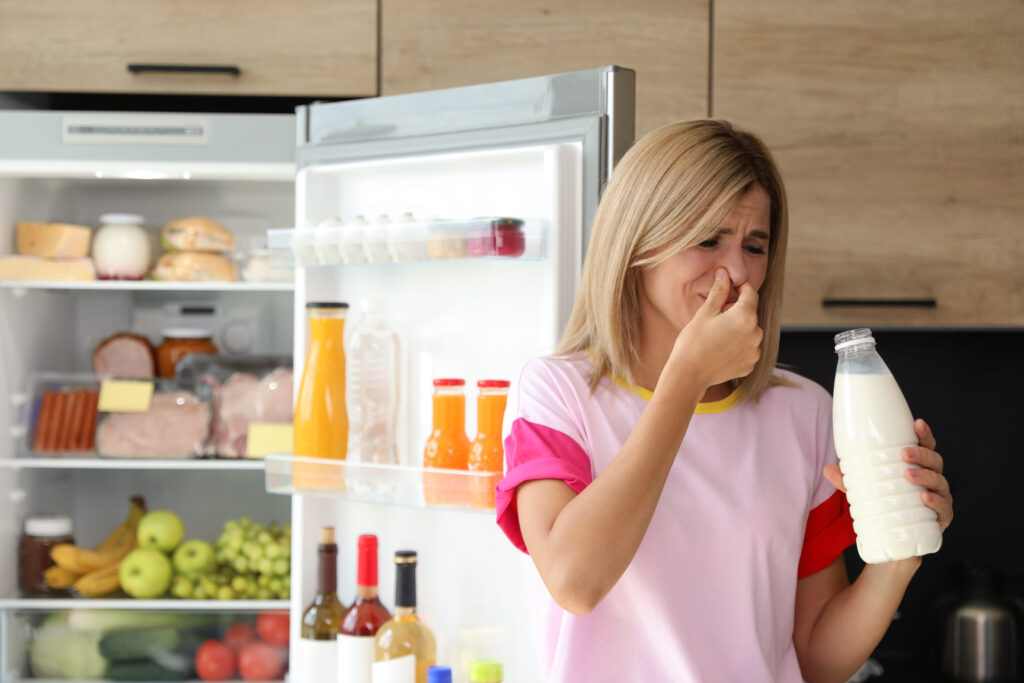
Smell is a poor food-safety system. Some foods can contain harmful bacteria without smelling rotten, and some spoiled foods may look normal at first glance. The FDA advises using ready-to-eat foods as soon as possible and discarding them if they have not been properly refrigerated.
We should use time, temperature, and storage rules before relying on our nose. If leftovers are too old, raw meat has leaked, dairy has been warm too long, or a container has no date and no clear history, guessing is not worth it. The smartest refrigerator habit is making safe choices before food announces a problem.