Food storage is often seen as a simple task, but it has a direct impact on kitchen efficiency and overall profitability. Poor storage habits lead to waste, unnecessary repurchasing, and sometimes even health hazards.
In restaurants, cafés, and home kitchens, improper food storage can quickly add up to significant losses. Understanding common storage mistakes and addressing them can save time, reduce waste, and protect food quality.
Keeping Dry Goods in Their Original Packaging
Dry goods such as flour, pasta, rice, and beans often come in thin, easily damaged packaging. These bags may seem convenient at first, but they are not designed for long-term storage. They do not provide an airtight seal, which leads to exposure to moisture, air, and pests. Transferring dry goods into airtight, food-safe containers helps them stay fresh longer.
Label each container with the product name, opening date, and expiration date. This allows kitchen staff to quickly see when items need to be used. Clear containers make inventory checks more efficient, reducing time spent searching for stock.
Ignoring First In, First Out Rotation
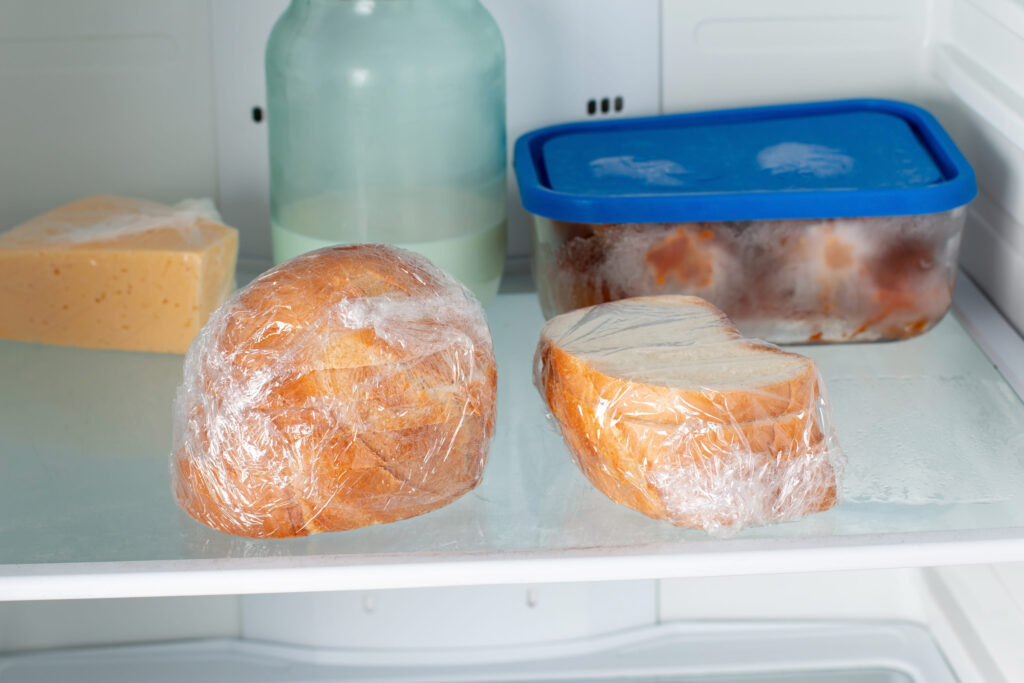
One of the most common food storage errors is failing to rotate stock properly. When newer products are placed in front of older ones, the older items get pushed to the back and may expire without being used. This mistake results in unnecessary food waste and higher costs.
To prevent this, use a first-in, first-out (FIFO) system. Place older items at the front and newer stock behind them. This simple rotation system ensures that food is used in the order it was received, reducing waste and ensuring maximum freshness.
Overpacking the Refrigerator
Many kitchens make the mistake of overpacking the refrigerator. While it may seem efficient to fit as much as possible, cramming items into a tight space prevents proper air circulation. This can cause the fridge to work inefficiently and lead to uneven cooling, which affects food safety.
To avoid this, give each item enough space to breathe. A well-organized fridge makes it easier to find ingredients, reduces the risk of cross-contamination, and helps maintain a consistent temperature. Make sure the fridge is not overloaded and always keep the door seals clean and intact.
Storing Perishable Foods in the Refrigerator Door
The refrigerator door is the warmest part of the fridge, yet many people store perishable foods like milk, eggs, and condiments there. This is a major food storage mistake, as the temperature fluctuates whenever the door is opened, accelerating spoilage.
Store sensitive items like dairy, eggs, and fresh meat on the middle or lower shelves, where temperatures are more stable. The door is better suited for condiments, sauces, and beverages that are less affected by slight temperature changes.
Forgetting to Monitor Storage Temperatures
Food storage temperatures are crucial for maintaining freshness and preventing spoilage. Fridges should be kept at 40°F or lower, while freezers should be at 0°F. Failing to monitor temperature leads to rapid spoilage and potential foodborne illness.
Regularly check the temperatures of your refrigeration units and freezers with appliance thermometers. This ensures that the storage environment is consistently at the correct temperature, protecting both food quality and safety.
Storing Raw and Cooked Foods Too Close Together
Storing raw and cooked foods together can lead to cross-contamination, which is a significant food safety risk. Raw meats, poultry, and seafood may carry harmful bacteria that can contaminate ready-to-eat foods if they come into contact with them.
Separate raw and cooked foods by storing them on different shelves and in leak-proof containers. This minimizes the risk of contamination and ensures that food stays safe for consumption. Label each container with its contents to avoid confusion.
Skipping Date Labels on Prepared Foods
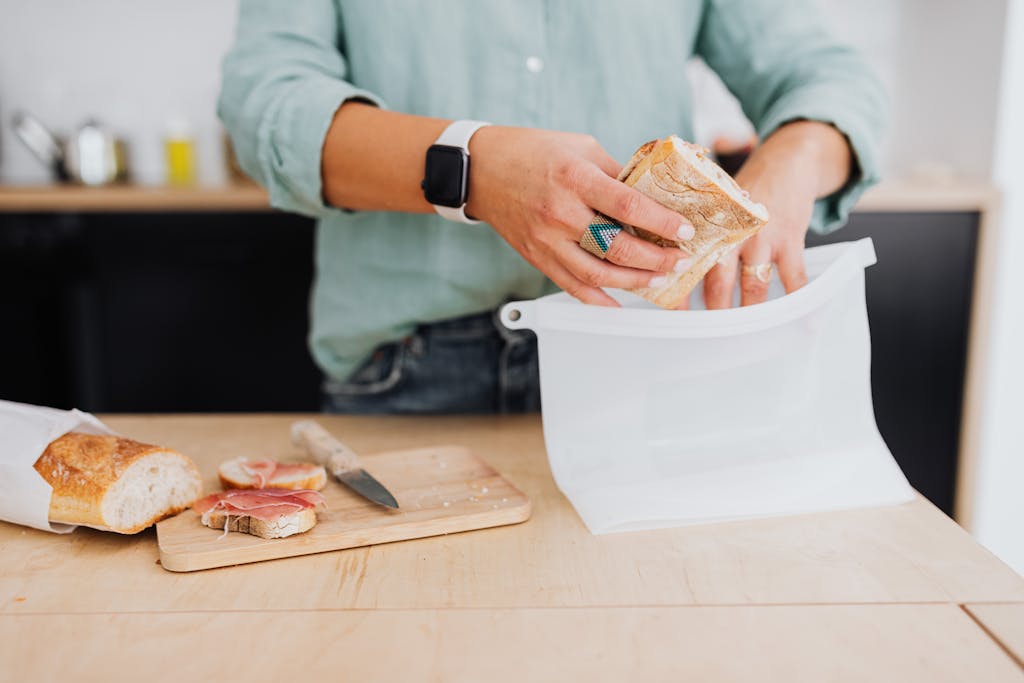
Prepared foods should always be labeled with the date they were made and their expiration date. Without this, it’s easy to forget when the food was made and when it should be used. This leads to food being kept longer than it should, increasing the risk of spoilage and waste.
Use clear labels on all prepared foods, including soups, sauces, and leftovers. This ensures that staff can quickly identify which items should be used first, reducing waste and maintaining food safety.
Washing Produce Too Early or Storing It Wet
Washing produce too early or storing it wet can lead to spoilage. Excess moisture encourages mold growth and causes some fruits and vegetables to deteriorate more quickly. It’s important to only wash produce right before it’s used.
For items like berries, rinse them in a vinegar solution and dry them thoroughly before storing them in a perforated container. This will keep them fresh for longer while avoiding excess moisture that can lead to spoilage.
Storing Ethylene-Producing Fruits Beside Sensitive Vegetables
Certain fruits, like apples, bananas, and melons, produce ethylene gas, which accelerates the ripening of nearby produce. Storing these fruits next to sensitive vegetables like lettuce, cucumbers, and carrots can cause them to spoil prematurely.
Keep ethylene-producing fruits separate from vegetables. Use different bins or storage areas for fruits and vegetables to maintain their freshness and prevent unnecessary waste.
Freezing Food Without Protecting Quality
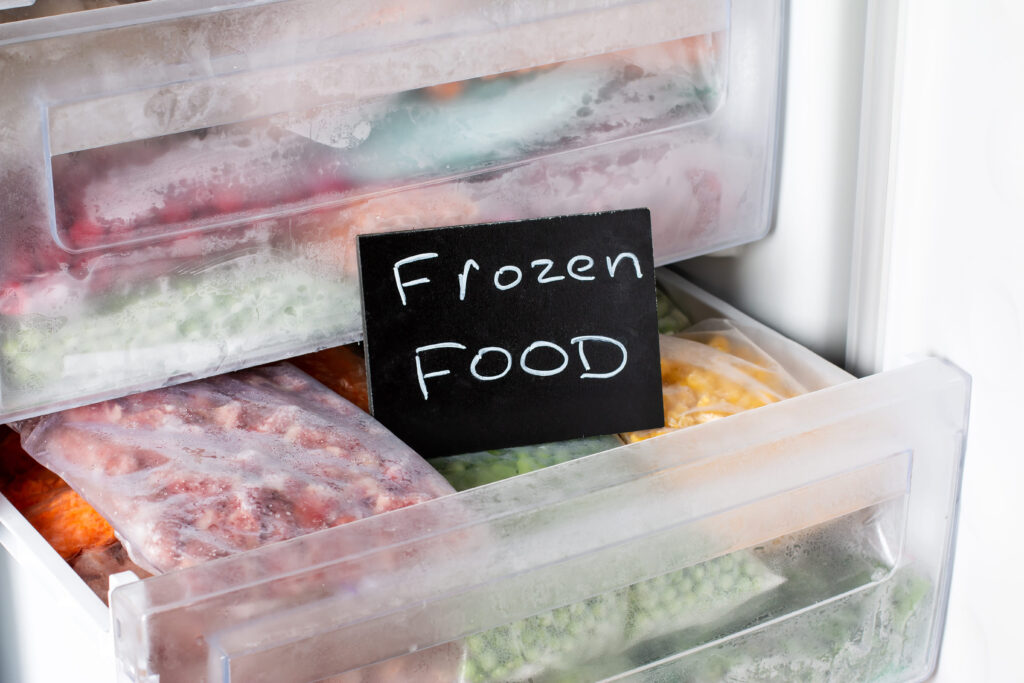
Improperly freezing food can lead to freezer burn, loss of flavor, and poor texture. When food is not wrapped tightly, it can absorb odors from other items in the freezer and lose its quality over time.
Always wrap food tightly in moisture-proof packaging before freezing. Label everything with the date it was frozen and use smaller portions to prevent thawing and refreezing. Properly stored frozen food lasts longer and retains its quality.
The Best Food Storage System for Reducing Waste
A well-organized food storage system helps reduce waste by protecting food quality and making ingredients easier to find. Store dry goods in airtight containers, rotate stock with FIFO, and label everything with clear dates.
Maintain proper fridge and freezer temperatures, and separate raw and cooked items to prevent contamination.
Following these best practices will help you save money, reduce food waste, and create a safer kitchen environment. Implementing proper storage systems ensures that food remains fresh, minimizing unnecessary purchases and reducing spoilage.