Gut health has become a critical focus in the wellness world, with increasing attention given to the intricate relationship between our digestive system and overall well-being. However, many myths surrounding gut health are circulated as gospel, and these misconceptions can often do more harm than good. Understanding the facts behind these myths is essential for optimizing your gut health. This article debunks seven common gut health myths and offers the real facts you need to know.
You Must Avoid All Dairy for Better Digestion
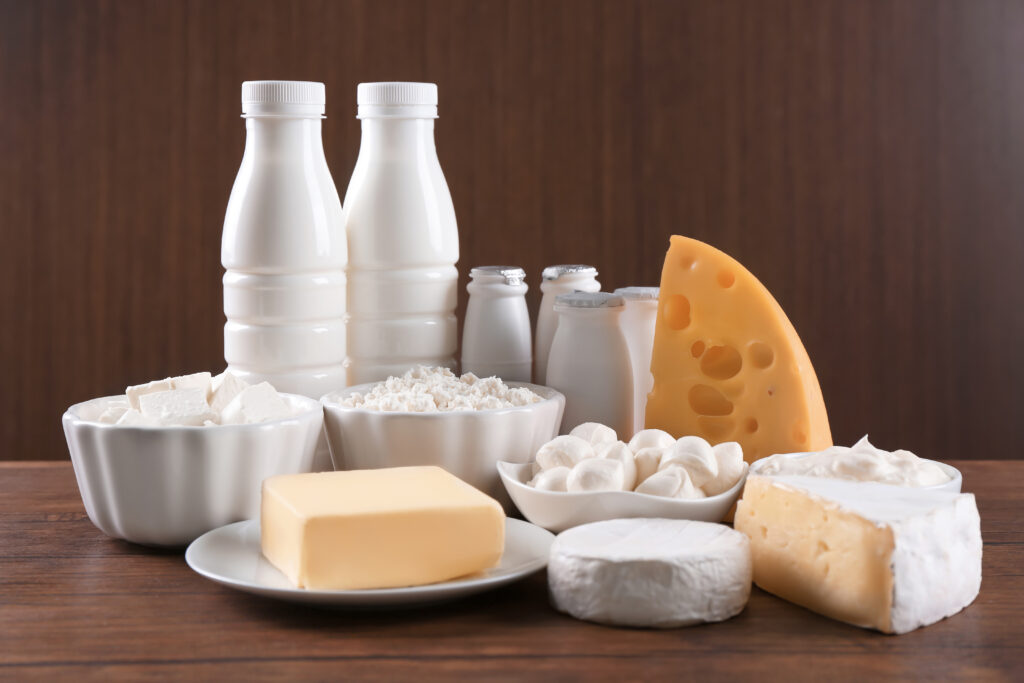
A widespread belief is that dairy should be avoided to improve gut health. While some individuals do suffer from lactose intolerance, the idea that all dairy products are harmful to the gut is far from accurate. Dairy products like yogurt, kefir, and even certain cheeses are rich in probiotics, beneficial bacteria that promote a healthy gut microbiome. These probiotics can aid digestion, boost immunity, and help balance gut bacteria. If you’re not lactose intolerant, there’s no need to eliminate dairy entirely from your diet. In fact, dairy can be an essential part of a balanced and gut-friendly diet, particularly when consumed in moderation.
For those who are lactose intolerant, there are lactose-free options, such as lactose-free milk or plant-based yogurt alternatives, that still offer similar probiotic benefits. The key is to listen to your body and choose dairy options that align with your digestive tolerance, without unnecessarily cutting out a valuable nutrient source that can enhance your gut health.
Probiotics Are a Cure-All for Digestive Issues
Probiotics have long been touted as a miracle solution for gut problems, but they aren’t a universal remedy for everyone. While probiotics can be beneficial, particularly after taking antibiotics or during digestive disruptions, they do not work for everyone. The gut microbiome is highly individual, and what works for one person might not work for another. For some individuals, probiotics may not provide significant relief from issues like bloating, gas, or irritable bowel syndrome (IBS).
It’s important to remember that gut health involves a complex ecosystem of bacteria, and no single intervention can guarantee results. A holistic approach, which includes a balanced diet rich in fiber, plenty of water, and a variety of foods that promote gut health, is often more effective than relying solely on probiotic supplements. Moreover, understanding the specific strains of probiotics that may benefit you is crucial, as not all probiotics are created equal.
You Need to Detox to Cleanse Your Gut
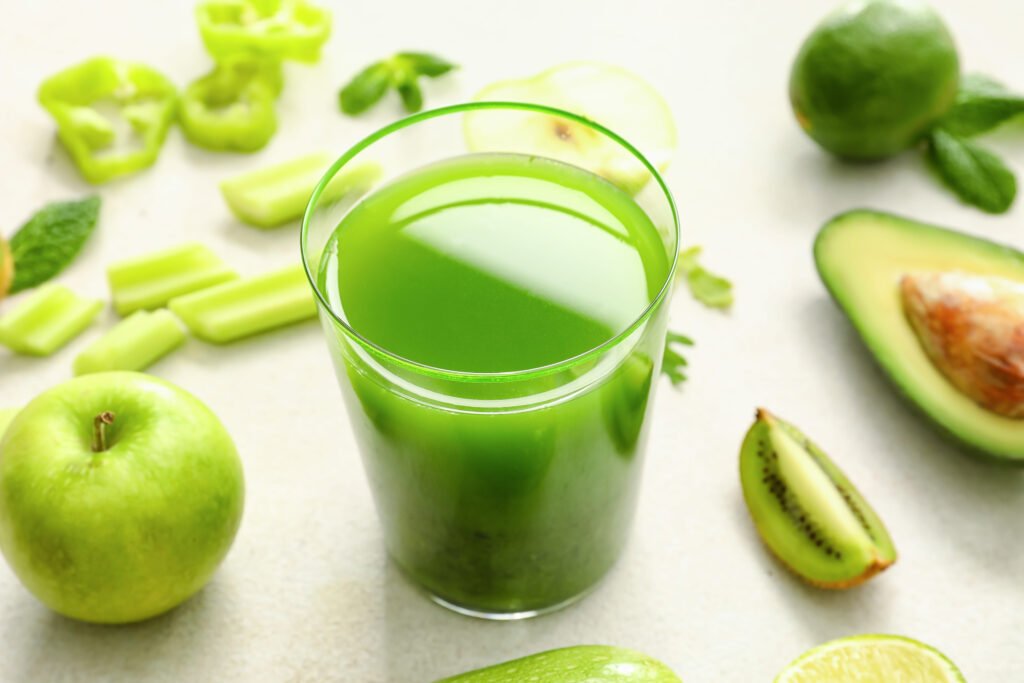
Detox diets have become a popular trend, with many people believing that detoxing is necessary to cleanse their gut and remove harmful toxins. The reality is that your body already has a sophisticated detoxification system, consisting of the liver, kidneys, and intestines. These organs naturally process and eliminate toxins from the body, and there’s little evidence that detox diets offer any additional benefits.
In fact, many detox programs can be restrictive and deprive the body of essential nutrients, which can negatively impact digestion and gut health. Rather than turning to extreme detox diets, focus on maintaining a balanced diet rich in whole foods, staying adequately hydrated, and getting plenty of fiber. This approach supports your body’s natural detoxification process without resorting to drastic measures.
Fiber Is the Ultimate Solution for Digestive Problems
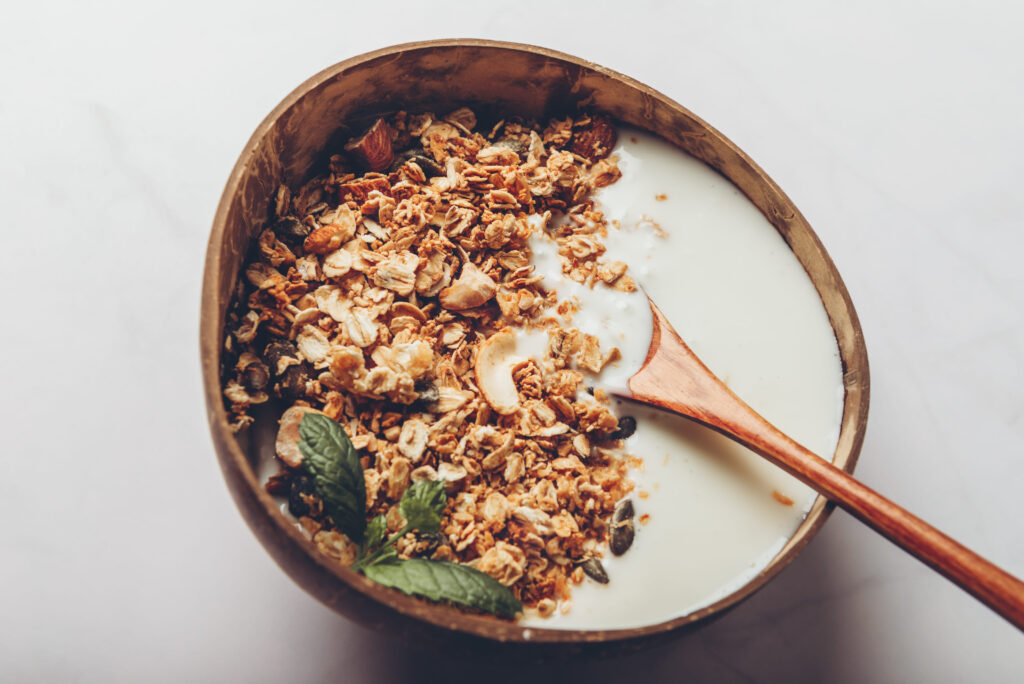
While fiber is an essential part of a healthy diet, it is not a one-size-fits-all solution for every digestive issue. Many people mistakenly believe that increasing fiber intake will automatically resolve all digestive problems. However, for individuals with certain conditions like irritable bowel syndrome (IBS), consuming too much fiber, particularly insoluble fiber, can lead to increased bloating, gas, and abdominal discomfort. This is because insoluble fiber can be difficult for some people to digest.
The type of fiber consumed plays a significant role in gut health. Soluble fiber, found in foods like oats, apples, and legumes, tends to be gentler on the digestive system and can help regulate bowel movements. It’s essential to tailor your fiber intake to your individual digestive needs and consult with a healthcare provider if you experience discomfort after consuming high-fiber foods. The key is moderation and understanding what types of fiber work best for your digestive system.
You Need to Cut Out Gluten for Better Gut Health
The gluten-free diet has gained popularity over the years, but for most people, gluten is not an issue for gut health. While those with celiac disease or a gluten sensitivity must avoid gluten, there is no reason for the general population to cut it out. In fact, many gluten-containing foods, such as whole grains like wheat, barley, and rye, are excellent sources of fiber, vitamins, and minerals that promote a healthy gut.
Eliminating gluten unnecessarily can lead to nutrient deficiencies, as many gluten-free alternatives are highly processed and lack the beneficial nutrients found in whole grains. If you do not have a gluten sensitivity or celiac disease, consuming whole grains can help support a healthy gut microbiome and digestive system. Focus on consuming a varied diet that includes both gluten and gluten-free whole grains, depending on your personal preferences and needs.
Eating Too Much Protein Damages Your Gut
There is a myth that consuming too much protein, especially from animal sources, can harm your gut by stressing your digestive system. While excessive amounts of animal protein can contribute to constipation and digestive discomfort, protein itself is not inherently harmful to the gut. Protein is a crucial macronutrient that supports muscle repair, immune function, and enzyme production, all of which are important for overall health, including gut health.
The problem arises when protein intake is imbalanced or accompanied by insufficient fiber, fruits, and vegetables, which are necessary for proper digestion. A balanced diet that includes adequate protein from both animal and plant sources, along with fiber-rich foods, will ensure a well-rounded, healthy gut. It’s also important to stay hydrated, as water plays a critical role in digestion and the breakdown of protein.
You Must Avoid All Processed Foods for a Healthy Gut

Processed foods often get a bad reputation, with many people believing that avoiding them is necessary for optimal gut health. While it is true that highly processed foods high in sugar, unhealthy fats, and artificial additives can negatively affect gut health, not all processed foods are harmful. Some minimally processed foods, such as frozen vegetables, canned beans, and whole-grain bread, can still be a valuable part of a healthy diet.
The key is moderation and making informed choices. Focus on whole, minimally processed foods that provide essential nutrients, such as fiber, vitamins, and minerals. By prioritizing nutrient-dense, minimally processed foods and limiting ultra-processed, nutrient-poor options, you can maintain a balanced diet that supports a healthy gut microbiome.