Small purchases rarely feel dangerous in the moment. A coffee here, a delivery fee there, a quick online deal at midnight, and suddenly the budget that looked fine on paper starts bleeding from places we barely noticed.
The problem is not always reckless spending. Often, it is quiet spending, the kind that hides inside convenience, routine, stress, boredom, and “I deserve this” moments. Average U.S. food spending reached $10,169 per household in 2024, with $3,945 going to food away from home, including restaurants, delivery, and takeout. That makes everyday choices around meals, drinks, fees, and subscriptions some of the easiest places for a budget to slip.
Daily Coffee Runs That Drain Your Cash
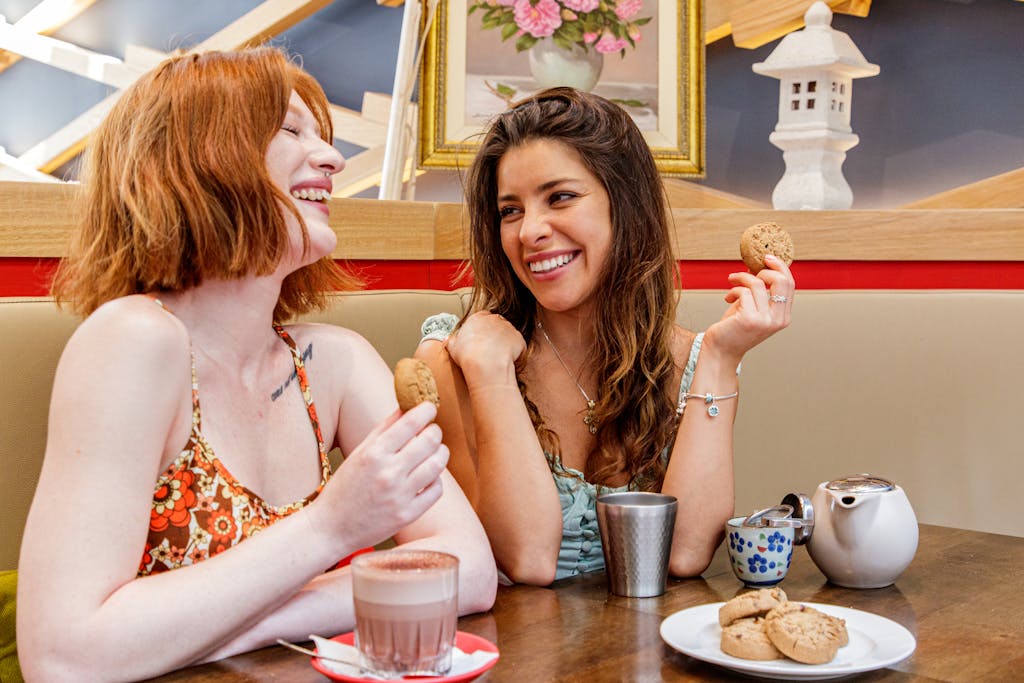
Coffee feels harmless because it is small, familiar, and often tied to the start of a productive day. The problem begins when a $5 or $7 drink becomes a daily routine instead of an occasional treat. Coffee prices have also climbed sharply, with U.S. coffee prices up 18.3 percent in January 2026 compared with a year earlier, and up 47 percent across five years.
We do not need to declare war on coffee to protect the budget. A smarter approach is to keep café coffee for certain days and make the rest at home. Even cutting three store-bought coffees a week can free up real money over a month.
Food Delivery Fees That Make Dinner Cost Double
Food delivery apps are built around convenience, but convenience often comes with a long receipt. Delivery fees, service fees, small order fees, higher menu prices, tips, and taxes can turn a simple meal into a budget trap. The meal may look affordable when we choose it, then suddenly feel expensive once the final total appears.
The real danger is frequency. Ordering once during a chaotic evening is normal, but ordering several times a week can quietly consume grocery money. A simple rule helps: use delivery for emergencies or planned treats, not as the default dinner plan.
Fast Food That No Longer Feels Cheap
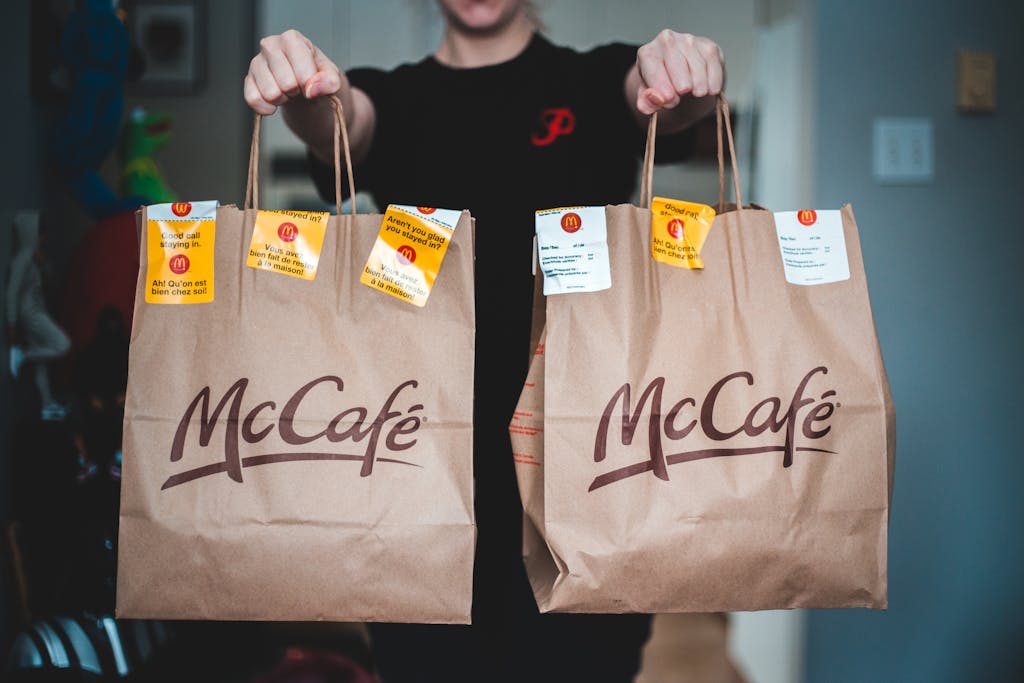
Fast food built its reputation on affordability, but many quick meals now cost more than people expect. Add a drink, fries, sauce, delivery, or an extra item, and a “cheap” stop can become a full restaurant bill. The budget damage gets worse when fast food replaces groceries that are already sitting at home.
We should treat fast food as a convenience cost, not a savings strategy. Planning two or three easy backup meals at home can prevent the drive-thru habit from taking over. Frozen rice, eggs, wraps, pasta, canned tuna, or rotisserie chicken can save money without demanding much energy.
Restaurant Meals That Pretend to Be Normal Spending
Dining out can be joyful, social, and worth the money. The trouble starts when restaurants move from special occasions to ordinary weeknight routines. A few casual meals out can quietly cost more than a full grocery run.
Food away from home is already a major household spending category, and that includes restaurant meals, takeout, and delivery. We can still enjoy restaurants, but the budget needs boundaries. One planned meal out feels better than three unplanned meals that create regret later.
Bar Drinks That Wreck a Weekend Budget
A night out often starts with one drink and turns into a string of card taps. Alcoholic drinks at bars carry high markups, and the spending gets harder to track as the night goes on. The next morning, the card statement can feel like a punishment.
A strong budget move is setting a drink limit before leaving home. We can also carry a fixed entertainment amount in a separate account or pay with cash. Fun should not require financial cleanup every Monday.
Gas Station Snacks With Luxury Pricing
Gas station snacks look small, but they often cost far more than similar items at a grocery store. Chips, candy, bottled drinks, protein bars, and gum can sneak into the budget during road trips, errands, and commutes. The purchase feels tiny because we buy it beside fuel, which is already expensive.
The better move is boring but powerful. Keep snacks and water in the car, bag, or office drawer. We save money because we stop paying emergency prices for things we could have bought cheaper ahead of time.
Energy Drinks That Become a Daily Bill
Energy drinks are easy to justify when we feel tired, busy, or overworked. The problem is that one can become two, then two becomes a weekly habit. A few dollars a day may not sound dramatic, but repeated purchases turn caffeine into a monthly line item.
We can reduce the damage by buying multipacks at a lower unit price, switching to coffee or tea, or setting a weekly limit. The goal is not perfection. The goal is stopping fatigue from becoming a silent subscription.
Bottled Water Bought Out of Habit

Bottled water is one of those purchases people barely count because it feels practical. Buying it at convenience stores, airports, gyms, or events can add up quickly. Many people spend money on water simply because they forgot to bring their own.
A reusable bottle solves most of the problem. It also keeps us from paying inflated prices in places where options are limited. This is one of the easiest small purchases to cut without feeling deprived.
Checkout Lane Items Designed to Break Discipline
Candy, lip balm, magazines, mini gadgets, gum, travel-size products, and seasonal items sit near checkout for a reason. They target the final moment when our guard is down. We came in for groceries or household basics, then leave with extra items that were never part of the plan.
The strongest defense is a short pause before paying. Look at the cart, remove anything that was not intentional, and remember that retailers place those items there because impulse buying works. A budget gets stronger when the checkout lane stops making decisions for us.
Online Impulse Buys That Feel Like Entertainment
Scrolling has become a shopping mall. Social media shops, flash sales, influencer recommendations, and late-night browsing make spending feel casual and fun. The danger is that we are often buying a mood, not a product.
A 24-hour cart rule can save more money than most people expect. Add the item, leave it alone, and return the next day. If the desire disappears, the purchase was probably emotional, not necessary.
Cheap Clothes That Create Expensive Clutter
A $12 shirt or $20 pair of shoes can feel like a bargain. Yet cheap clothing becomes expensive when it stretches, fades, pills, or sits unworn after one photo. The closet fills up, but the wardrobe still feels weak.
We should measure clothing by cost per wear, not sticker price. A $70 item worn 50 times is often cheaper than a $15 item worn twice. The budget wins when we buy fewer pieces that actually solve real wardrobe needs.
Beauty Appointments Without a Monthly Limit
Hair, nails, brows, lashes, facials, and grooming can support confidence and personal care. The issue is not the service itself. The issue is booking without looking at the full monthly cost.
A manicure every week, a lash fill, and a hair appointment can easily compete with utility bills. We can still enjoy beauty spending, but it needs a category and a ceiling. When the beauty budget is planned, it feels like self-care instead of financial sabotage.