American comfort food has always had a crispy side, and for decades, local diners, seafood shacks, lunch counters, county fairs, and home kitchens turned humble ingredients into golden plates of nostalgia. These were the fried foods from the past that made sense in their own time, when cooks wasted less, families stretched ingredients further, and a hot fryer could turn almost anything into a satisfying meal.
Many of these dishes faded because tastes changed, prices rose, menus became more predictable, and diners grew less adventurous about organ meats, seasonal seafood, and old-fashioned pantry cooking. Still, these forgotten fried foods tell a richer story than most modern appetizer menus. They show us how regional cooking, thrift, texture, and bold flavor once shaped everyday eating in ways that feel surprisingly fresh again.
Chicken Fried Brain Sandwiches
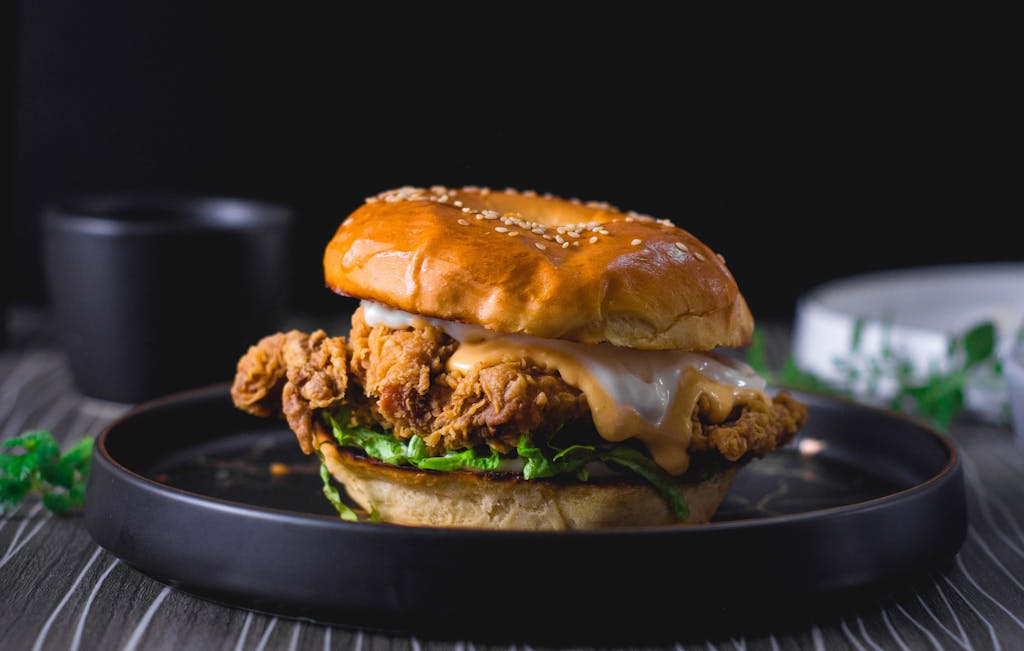
Chicken-fried brain sandwiches once had a loyal following in parts of the Midwest, especially around old lunch counters where cooks knew how to turn inexpensive cuts into memorable meals. The appeal came from contrast, since the outside fried up crisp and golden while the inside stayed soft, rich, and almost creamy. These sandwiches were usually served simply, often with mustard, onions, pickles, and soft bread that made the whole thing feel more like a working-class lunch than a dare. Over time, changing attitudes toward organ meats, stronger health concerns, and harder sourcing pushed them out of ordinary restaurant life. Today, they survive more as a regional curiosity than a common menu item. However, they still represent a time when American diners were far less timid about texture, thrift, and full animal cooking.
Fried Sweetbreads
Fried sweetbreads belonged to the rare category of food that could feel both elegant and deeply old-fashioned. Despite the name, they are not bread or dessert, but delicate organ meat usually taken from the thymus or pancreas of young animals. When cleaned, soaked, poached, dredged, and fried properly, sweetbreads develop a crisp surface with an interior that is tender, rich, and refined. Older restaurant menus treated them as a mark of serious kitchen skill, and confident home cooks respected them for their texture. Their decline came as organ meats lost favor and restaurants leaned toward familiar cuts that required less explanation. Still, fried sweetbreads remain one of the best examples of forgotten fried foods that deserve a second look from anyone who loves crisp edges, careful preparation, and deep savory flavor.
Fried Oysters
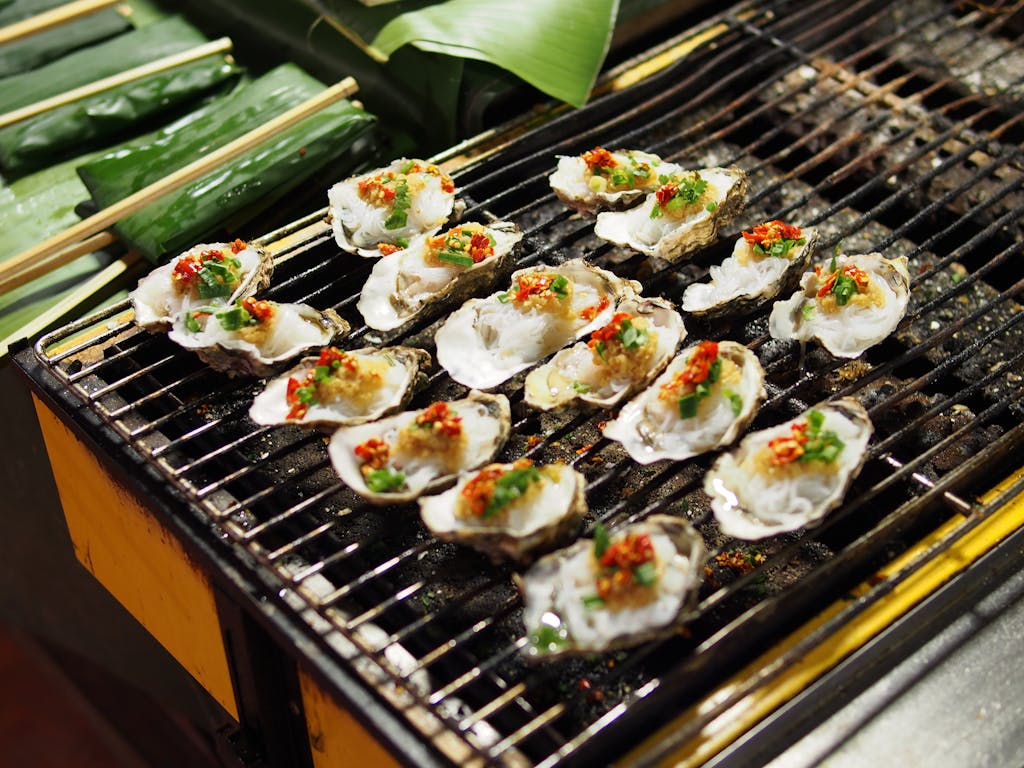
Fried oysters were once much more than a coastal treat. At many diners and seafood houses, they appeared as regular basket food, served with slaw, fries, lemon, tartar sauce, and the kind of casual confidence that made them feel affordable. Their magic comes from the way a thin coating protects the oyster just long enough for the outside to crisp while the center stays briny, tender, and juicy. They became less common as seafood costs climbed, sourcing became more careful, and inland restaurants stopped treating oysters as everyday fare. Now they often feel like a seasonal indulgence or a raw bar special instead of a simple diner order. That shift is part of what makes them so nostalgic, because fried oysters capture the old bridge between blue-collar comfort food and coastal luxury.
Fried Clam Strips
Fried clam strips used to be one of the easiest ways to taste summer without needing a fancy seafood budget. They were chewy, salty, crisp, and friendly enough for kids who might not have wanted whole belly clams. Boardwalk stands, roadside seafood shacks, and family restaurants once served them in paper baskets with fries, lemon wedges, and plenty of napkins. Their decline came partly from menu streamlining, partly from changing seafood costs, and partly from the rise of more polished seafood options. In many places, fried clam strips started to feel less like a staple and more like a nostalgic throwback. When they are done well, though, they still deliver exactly what made them famous, a quick hit of ocean flavor wrapped in crunchy coating and beach town memory.
Fried Smelt
Fried smelt once had a proud place at fish fries, taverns, and family gatherings where small fish were treated as a seasonal pleasure rather than a problem. These tiny fish are usually fried whole, giving them a satisfying crunch from head to tail and making them perfect for sharing. A little salt, a squeeze of lemon, and a cold drink were often enough to complete the plate. Smelt faded as diners became more comfortable with boneless fillets and less eager to eat small fish whole. Availability also became more seasonal and regional, which made them harder to keep on everyday menus. Still, fried smelt remains one of the great examples of simple food with big character, proving that a modest ingredient can feel festive when cooked with confidence.
Fried Frog Legs
Fried frog legs once appeared on more standard restaurant menus than many younger diners would believe. They were especially familiar in parts of the South, Midwest, and Cajun-influenced regions, where they were treated as delicate, slightly adventurous, and surprisingly approachable. The meat has a mild flavor that people often compare to chicken with a faint fish-like sweetness, which makes it ideal for frying. A crisp coating, a little garlic butter, lemon, and hot sauce can make frog legs taste both rustic and refined. Their disappearance from many menus came from niche demand, sourcing issues, and diners becoming less willing to order unfamiliar proteins. Yet fried frog legs still carry the charm of regional cooking that had personality, local roots, and a willingness to serve something beyond the safe, usual choices.
Fried Liver and Onions
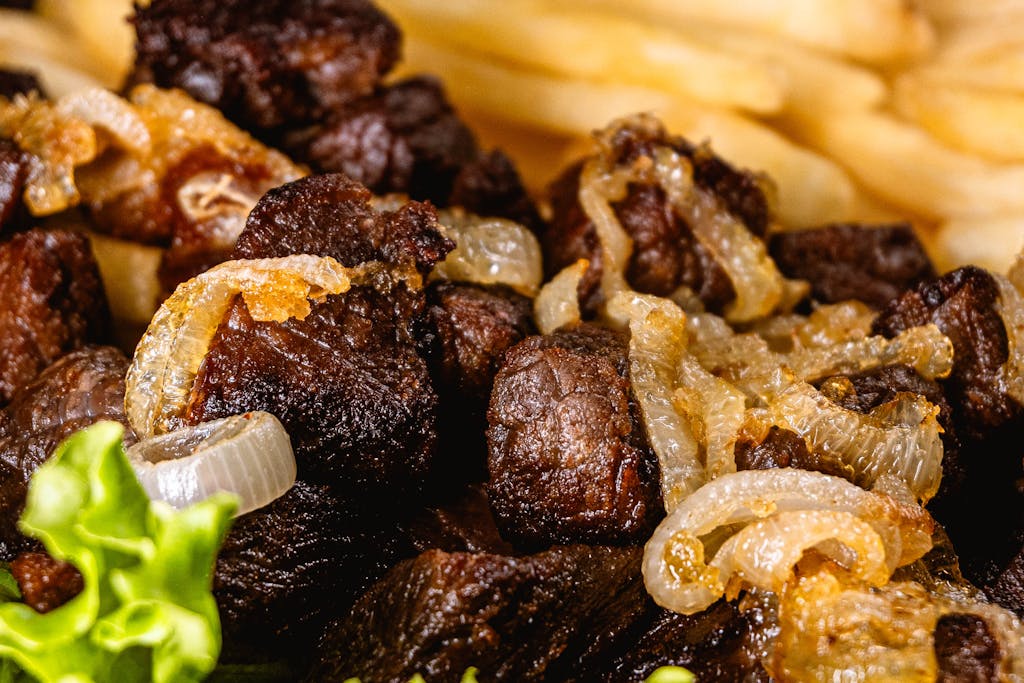
Fried liver and onions used to be a dependable blue plate meal, the kind of dish that promised strength, warmth, and value in one filling plate. The liver was often soaked to soften its sharper flavor, then dredged and fried before being topped with sweet onions that balanced its intensity. Mashed potatoes, gravy, greens, or biscuits usually completed the meal, turning a humble cut into serious comfort food. Its decline reflects one of the biggest changes in American eating, the move away from strong-tasting organ meats toward milder chicken, beef, and pork cuts. Many restaurants also stopped serving liver because demand became too unpredictable. Still, when prepared well, fried liver and onions prove that old-fashioned cooking was not bland. It was practical, bold, and deeply satisfying.
Fried Tripe
Fried tripe is one of those dishes that rewards patience long before the fryer gets involved. It must be cleaned carefully, simmered until tender, sliced, seasoned, and then fried until the surface becomes crisp and lacy. The honeycomb texture catches seasoning beautifully, giving each bite a mix of crunch, chew, and savory depth. Fried tripe was once more familiar in immigrant cooking traditions, especially in communities that valued nose-to-tail eating and knew how to transform overlooked cuts. It faded from many mainstream menus because preparation takes time, and modern diners often hesitate at the word tripe before tasting it. Yet its texture is exactly what makes it special. In a food culture obsessed with crunch, fried tripe should not feel old. It should feel rediscovered
Fried Bologna Sandwiches
The fried bologna sandwich was once a lunch counter hero because it was cheap, fast, filling, and full of smoky flavor. A thick slice of bologna would hit the hot pan or griddle, curl at the edges, brown in spots, and take on a flavor far deeper than cold lunch meat ever could. Some cooks scored the slice to keep it flat, then stacked it on white bread with mustard, cheese, pickles, onions, or mayonnaise. As menus became more polished and restaurants chased artisan sandwiches, fried bologna started to look too plain for the spotlight. That was a mistake, because its charm lies in its simplicity. It is not trying to be elegant. It is trying to be hot, salty, nostalgic, and satisfying in the way only old-school comfort food can be.
Fried Cornmeal Mush
Fried cornmeal mush came from the genius of leftovers, which is where many of the best forgotten foods began. Cooks would make a thick cornmeal porridge, chill it until firm, slice it, and fry the pieces until the outside turned crisp while the inside stayed soft and creamy. It could go sweet with syrup, honey, or jam, or savory with gravy, eggs, or sausage. This flexibility made it a practical breakfast food in many rural and Midwestern households. Its decline came as boxed cereals, frozen waffles, and faster breakfast habits pushed slow, planned leftovers out of the morning routine. Still, fried cornmeal mush has everything modern comfort food lovers claim to want. It is inexpensive, adaptable, crisp, soft, nostalgic, and deeply connected to home cooking.
Fried Sardines
Fried sardines were once a simple coastal pleasure, especially in communities where small oily fish were valued for their flavor instead of dismissed for being too strong. Fresh sardines fry beautifully because they are small, rich, and quick-cooking. A light dusting of flour, hot oil, lemon, herbs, and coarse salt can turn them into a bright, satisfying plate that tastes like the sea without feeling heavy. They faded from everyday American menus as diners leaned toward mild white fish, canned sardines became more familiar than fresh ones, and seafood counters stopped offering them as often. That loss is unfortunate, because fried sardines deliver bold flavor in a small package. They belong in the same conversation as anchovies, smelt, and fried oysters, foods that remind us the ocean has more to offer than fillets.
Fried Macaroni Fritters
Before modern restaurants filled appetizer menus with mac and cheese bites, home cooks were already frying leftover macaroni into crisp, clever fritters. The old version was usually practical rather than trendy, made by binding cooked pasta with egg, cheese, seasoning, and sometimes breadcrumbs before frying it into small patties. The result was crisp on the outside, soft in the middle, and familiar in the best possible way. These fritters faded as frozen snacks and restaurant appetizers took over the idea and made it feel more processed than homemade. Yet the original version still has more charm because it comes from thrift, not novelty. Fried macaroni fritters remind us that yesterday’s dinner can become tomorrow’s snack with a little imagination, a hot pan, and no need for waste.
Conclusion
Forgotten fried foods have a way of making the past feel edible. They remind us that everyday menus were once more regional, more practical, and often more daring than the polished comfort food we see now. Some of these dishes may never return as mainstream favorites, but they still deserve respect for the creativity behind them.
The best part is that nostalgia does not have to stay trapped in memory. A few of these foods can still be found at old diners, seafood festivals, heritage restaurants, country kitchens, and home tables where tradition has not been fully replaced by convenience. When we bring them back, even occasionally, we bring back more than crunch. We bring back stories, skill, thrift, and flavor that still know how to speak for themselves.