Leftovers offer the perfect solution to those busy days when you want to skip the hassle of cooking. Whether it’s a hearty pot roast, a batch of creamy mac and cheese, or a comforting soup, leftovers can save you time and effort.
However, mishandling your leftovers can lead to food spoilage, unsafe conditions, and less-than-ideal meals. Here are the top mistakes to avoid with your leftover food.
Not Storing Leftovers Promptly
One of the most common mistakes people make is leaving leftovers at room temperature for too long before storing them. According to the USDA, leftovers should be refrigerated within two hours of cooking to avoid bacterial growth. If food stays at room temperature for more than two hours, it enters the “danger zone” where bacteria thrive, increasing the risk of foodborne illnesses.
To prevent this, set a timer to remind yourself to store your leftovers as soon as you finish eating. This will help ensure that your food remains safe to consume for later.
Not Cooling Leftovers Before Storing Them
Another crucial step often overlooked is letting hot food cool before placing it in the fridge. If you place hot food directly into the fridge, the fridge’s temperature can rise, making it harder to maintain a safe environment for other items.
To avoid this, cool food quickly by placing hot dishes in shallow containers or using an ice bath to rapidly lower the temperature before refrigeration.
Skipping Portioning for Easy Storage
Large batches of leftovers, such as casseroles or soups, take longer to cool, which allows bacteria to grow. Portioning your leftovers into smaller containers is an essential step. Smaller servings not only cool faster but also make it easier to reheat individual portions without defrosting the entire dish.
Shallow containers are ideal because they allow more air circulation, helping the food cool more efficiently. Always cut meat into smaller pieces to speed up the cooling process and improve food safety.
Using the Wrong Storage Containers
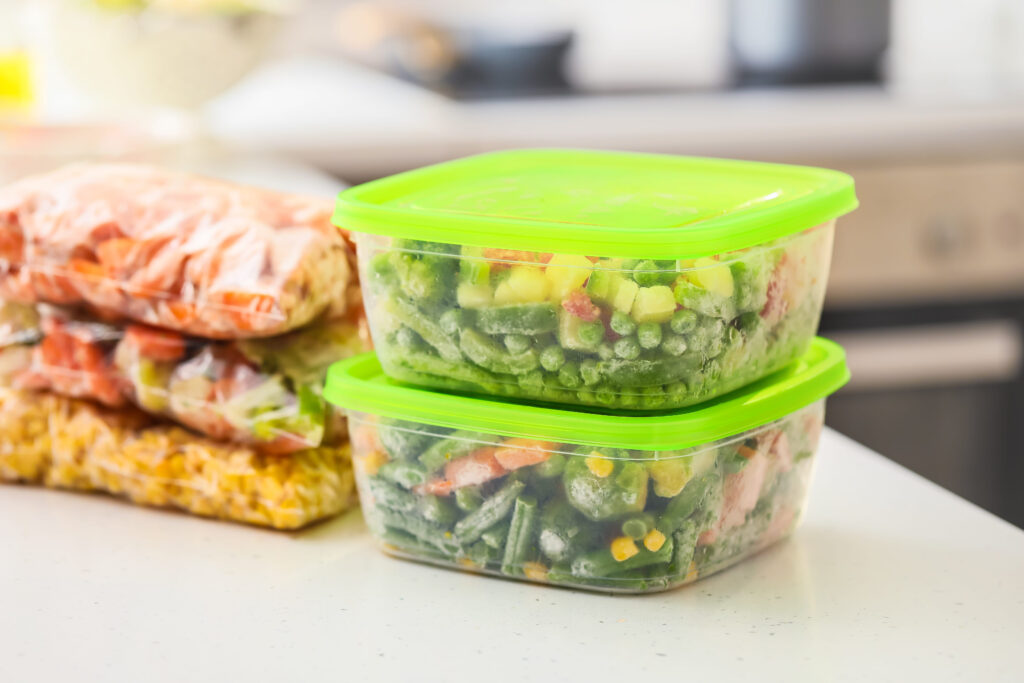
Choosing the wrong type of storage container can compromise the quality and safety of your leftovers. Containers that aren’t airtight or moisture-proof can let air and moisture in, causing your food to dry out or become contaminated.
Opt for airtight containers designed for food storage. Consider silicone food storage bags or freezer-safe containers for meals you plan to freeze. They help preserve the food’s texture, flavor, and moisture.
Forgetting to Label Leftovers
One of the biggest headaches with leftovers is forgetting what’s in your fridge or freezer and how long it’s been there. Leftovers can easily get mixed up, making it hard to know what you’re dealing with. This often results in food being thrown out unnecessarily.
The solution is simple: label your containers with the date the food was cooked and the dish’s name. This will help you track how long the leftovers have been stored and ensure that you eat them before they spoil.
Waiting Too Long to Eat Leftovers
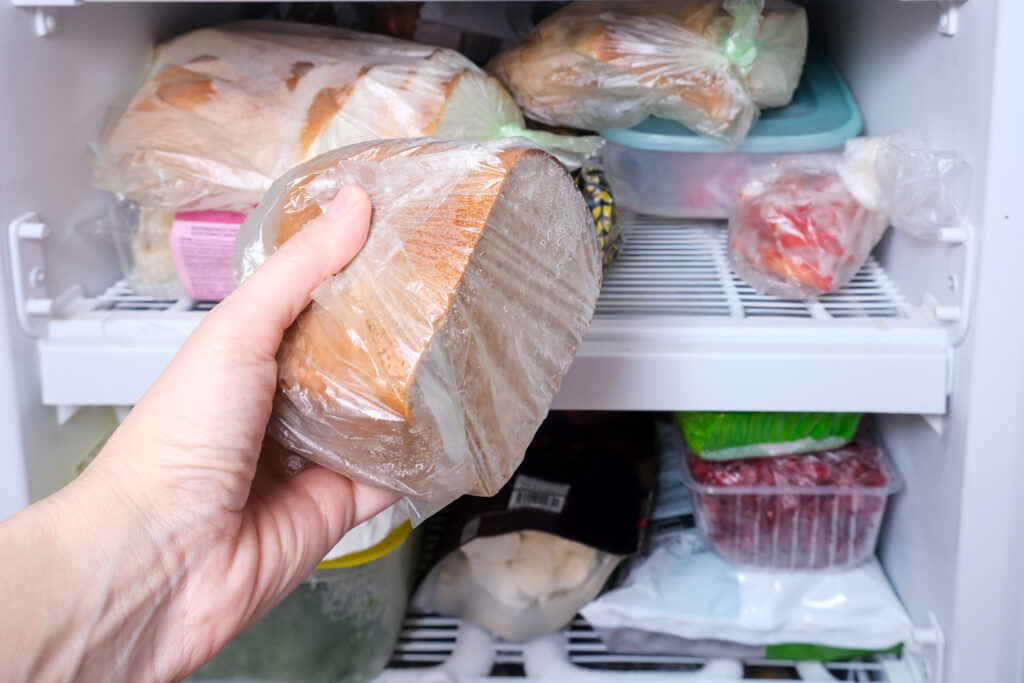
Just because your leftovers are stored in the fridge doesn’t mean they can last indefinitely. The USDA recommends eating refrigerated leftovers within 3 to 4 days. If you can’t eat them within this time frame, consider freezing them. Freezing significantly extends shelf life, but quality may deteriorate over time.
Certain items don’t freeze well, including leafy greens, fried foods, and egg-based dishes. Plan to use these leftovers soon to avoid a decline in taste or texture.
Reheating Leftovers Incorrectly
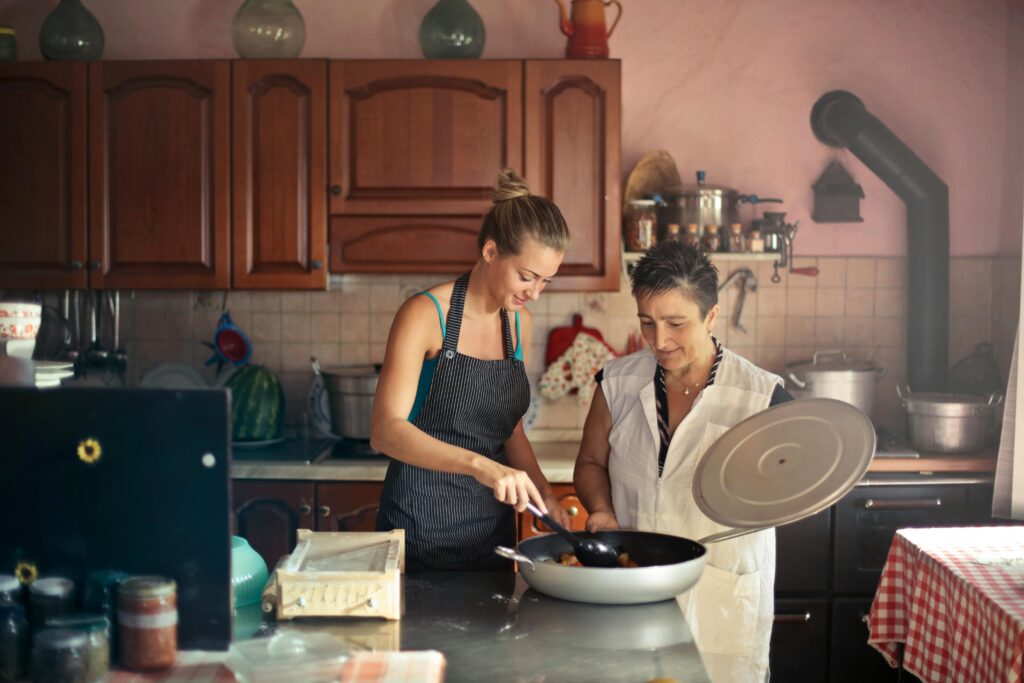
Reheating leftovers can be tricky. You need to make sure they are heated to the right temperature to kill off any bacteria that may have grown. The USDA advises reheating food to 165°F (74°C) to ensure it’s safe to eat. For liquids like soups and sauces, bring them to a rolling boil.
Avoid reheating in the slow cooker as it doesn’t heat food quickly enough and can keep it in the danger zone for too long. When using a microwave, cover the food and rotate it to ensure even heating.
Tasting Food to Check Its Temperature
A lot of people taste their reheated food to check if it’s hot enough. This is a bad practice, especially if the food hasn’t been reheated thoroughly. Instead of tasting, use a food thermometer to confirm that the food has reached the proper internal temperature. This ensures food safety and prevents the risk of foodborne illnesses.
Thawing Frozen Leftovers Improperly
Improper thawing of frozen leftovers can lead to bacterial growth. The best way to thaw frozen leftovers is to place them in the fridge or submerge them in cold water in an airtight bag. Avoid thawing food on the countertop, as it can encourage bacterial growth.
Certain foods, like vegetables and casseroles, can be cooked straight from frozen without thawing. This method reduces the risk of unsafe thawing practices while saving time in the kitchen.
Refreezing Leftovers After Reheating
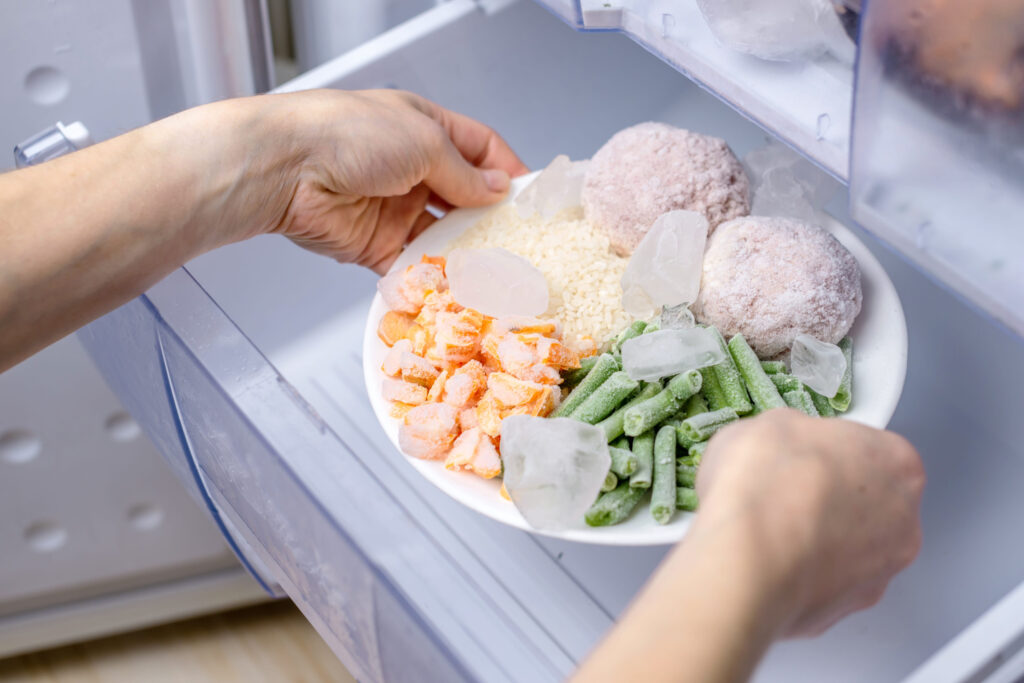
You may be tempted to refreeze leftovers after they’ve been reheated, but it’s best to avoid this habit. Repeatedly freezing and thawing food degrades its texture and can compromise its safety.
Instead, consume your leftovers within 3 to 4 days after reheating. If you find you have too many leftovers to finish in time, consider freezing portions right after cooking, before reheating.
Treating Leftovers the Same Way Every Time
Not all leftovers should be treated the same way. For example, soups and stews freeze wonderfully, while fried foods or salads do not. Understanding which foods are suitable for freezing and which should be eaten quickly can help you manage your leftovers more effectively.
For optimal results, rotate the way you handle leftovers based on the type of food. Always make sure that food is cooled, stored, and reheated according to the specific guidelines for each dish.
Improperly Discarding Leftovers
Sometimes, leftovers can be unsafe even if they’ve been handled properly. If food looks, smells, or tastes off, it’s best to throw it out. Trust your senses; if something feels wrong, don’t risk eating it.
It’s important to dispose of leftovers promptly if you believe they’ve been contaminated. Similarly, don’t keep food in the fridge too long, after all, the purpose of leftovers is to enjoy them while they’re fresh and safe to eat.
Using Leftovers Only Once
A final mistake many people make is thinking that leftovers can only be used once. You can repurpose your leftovers into brand new dishes. For instance, roast chicken can be turned into chicken salad, soup, or even tacos. Stir-fries, omelets, and casseroles are excellent options for transforming yesterday’s meal into something fresh and exciting.