Your entryway should make a strong first impression, setting the tone for the rest of your home. Unfortunately, this space is often neglected, leaving it cluttered and uninspiring.
But with a few adjustments, your entryway can become a welcoming, functional, and stylish part of your home. Let’s dive into 16 common entryway mistakes and how you can avoid them to transform this vital space.
Over-Decorating
It’s easy to get carried away with decor, especially in an entryway that needs to balance functionality with style. Overloading the space with too many decorative items can make it feel cramped and overwhelming. Keep the design simple by embracing negative space and focusing on a few key pieces, such as a standout mirror or a sleek console.
Aim for a balance between form and function. A decorative tray or bowl for keys can complement your storage furniture while adding a personal touch to the room.
Forgetting Soft Finishes
Hard surfaces dominate entryways, but soft finishes, such as rugs and cushions, are just as important. A well-placed rug can bring warmth, texture, and color to the space while also softening noise. Choose low-pile rugs for high-traffic areas and ensure they are durable enough to withstand foot traffic.
Be mindful of rug placement to avoid wear and tear near the door. Leave space around the rug to prevent dirt buildup.
Using Bulky Furniture in Small Spaces
In small entryways, oversized furniture can obstruct flow and make the space feel cramped. Instead of heavy pieces, opt for streamlined furniture that complements the room’s size. Wall-mounted shelves, narrow console tables, and slimline storage solutions maximize space and allow for better movement.
If you have vertical space, use it to your advantage with tall storage units or hooks to keep the floor clear and the room feeling open.
Not Reflecting Your Home’s Personality
Your entryway is a reflection of your personal style and the character of your home. A sterile or impersonal entryway can feel uninviting. Add personality with a vibrant piece of art, a bold rug, or a unique light fixture.
These small touches can inject life into the space and create a more welcoming atmosphere.
Consider adding an eye-catching mirror or a quirky decorative object that tells a story about who you are.
Neglecting to Maximize Light
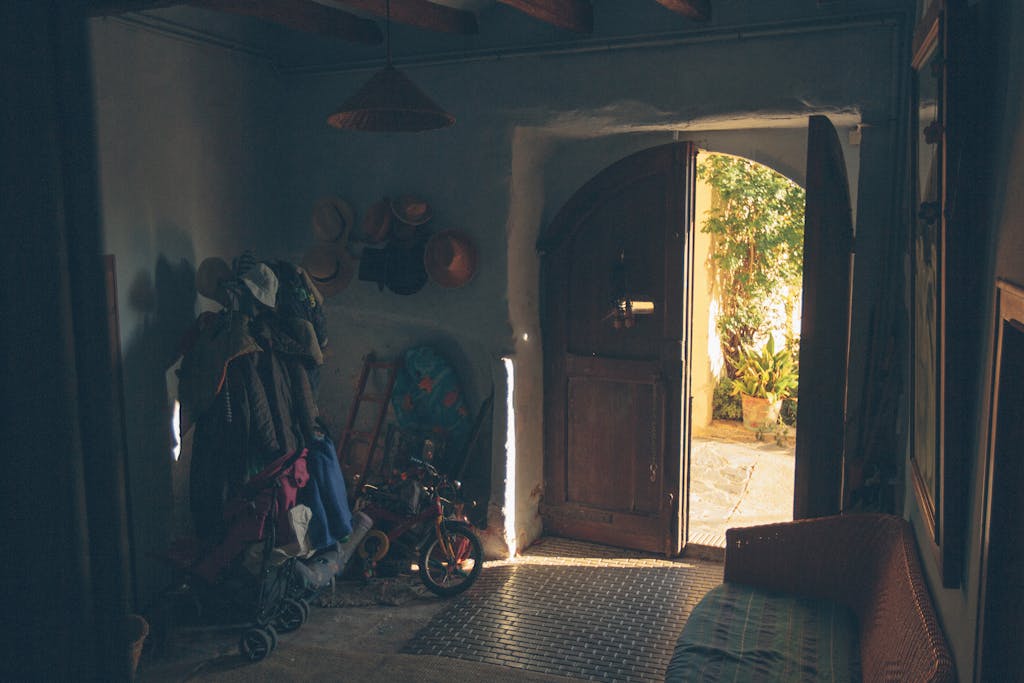
An entryway can often feel dark, especially if it lacks windows or natural light. Maximize the light you have by using reflective surfaces, such as mirrors, and placing them strategically to bounce light around the room. A large mirror on one wall can create the illusion of more space and make the area feel brighter.
If natural light is limited, add a statement light fixture that provides both function and style.
Choosing the Wrong Paint
The paint you choose for your entryway is crucial because it sets the mood and affects the space’s longevity. Opt for high-quality, durable paint, especially in high-traffic areas. Matte finishes can absorb light, but they may also show scuff marks over time. Consider eggshell or satin finishes, which are easier to clean and maintain.
Choose a color that complements the rest of your home while reflecting your personal style. Lighter shades can make a small entryway feel bigger, while deeper tones can create a cozy, welcoming vibe.
Not Getting Creative with Color
Entryways are the perfect space to experiment with bold colors. If you’re not sure where to start, try accent walls or partial painting techniques to add depth. Deep green or navy on the lower half of the walls can evoke drama and sophistication, while lighter shades on the upper half can maintain an airy feel.
Don’t be afraid to break away from traditional neutrals. A touch of color can transform a dull entryway into a statement-making area.
Neglecting Seating
Many entryways lack seating, but even a small bench can be a game-changer. Not only does it provide a spot to sit and put on shoes, but it also offers additional storage. Look for benches with built-in compartments to store shoes, scarves, or gloves.
For larger spaces, consider adding a cozy chair or a small settee to create a welcoming atmosphere.
Ignoring Flow and Functionality
The entryway is a transitional space that connects different areas of the home. To ensure smooth movement and a harmonious flow, avoid placing furniture in the direct path. Ensure there’s plenty of room for people to come and go without feeling congested.
If your space has a door that swings open, make sure your furniture is arranged so it doesn’t obstruct it.
Forgetting the Importance of Flooring
Entryway flooring takes a lot of abuse from dirt, moisture, and foot traffic. Choose a material that is durable and easy to clean, such as tile, hardwood, or high-performance laminate. For added warmth, layer in a rug or runner that complements the style and color scheme.
Avoid overly intricate patterns or high-pile carpets, which can show wear quickly and become difficult to maintain.
Not Incorporating Greenery
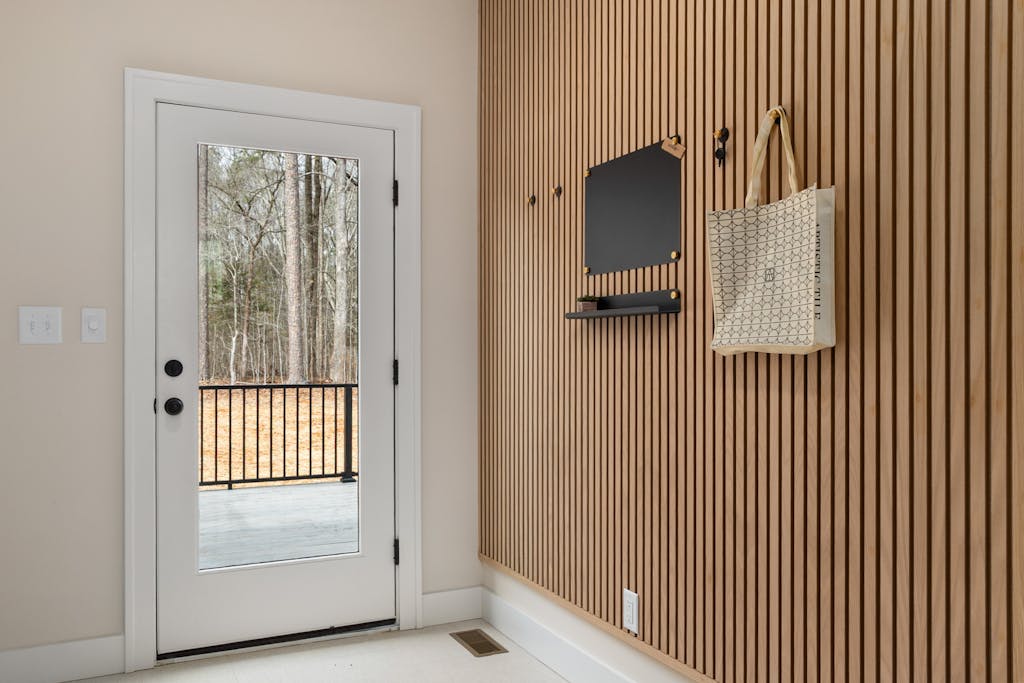
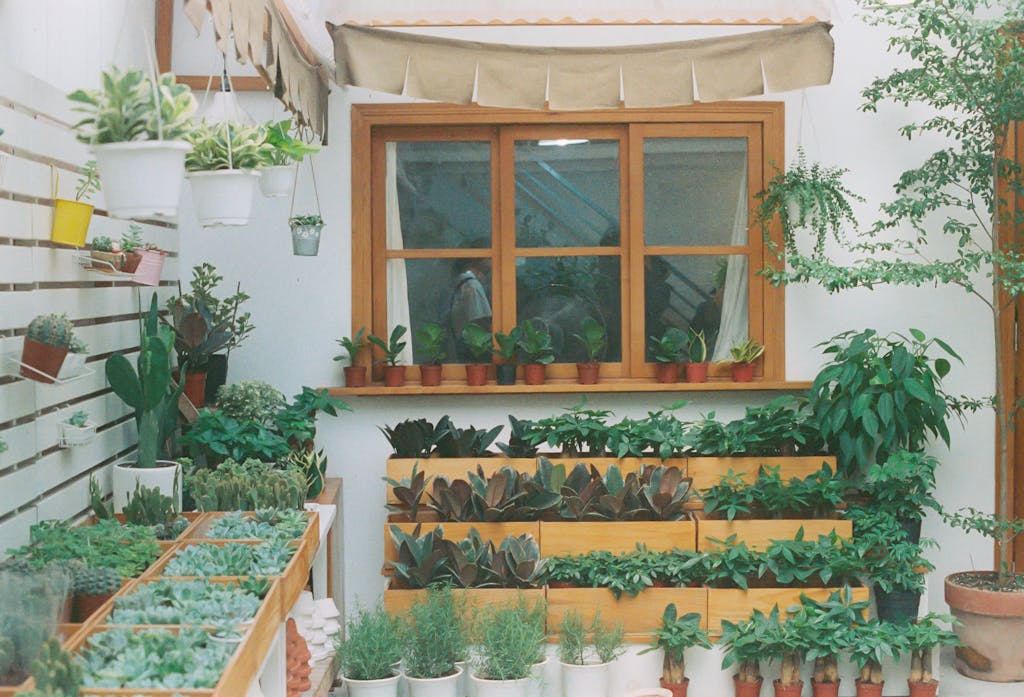
Adding a plant or two can bring life to any entryway. A statement plant can act as a focal point or add color to an otherwise neutral space. Choose plants that thrive in lower light, such as snake plants or pothos, if your entryway doesn’t get much sunlight.
Opt for stylish planters that complement your decor to make the greenery feel integrated into the design.
Failing to Use Vertical Space
In smaller entryways, make the most of vertical space. Wall-mounted shelves or hooks can store items without taking up valuable floor space. A tall coat rack or a narrow console table can also provide storage without overwhelming the room.
Don’t forget about wall art; large, bold pieces can make the entryway feel grand without taking up any floor space.