The wrong exercise does not always hurt on the first rep. That is what makes it sneaky. A workout can feel productive, sweaty, and impressive, yet still overload the same knees, hips, shoulders, wrists, ankles, or lower back every time we do it. For people already dealing with joint stiffness, old injuries, arthritis, poor mobility, weak stabilizing muscles, or extra body weight, certain popular exercises can quietly turn “getting fit” into a cycle of soreness, swelling, and forced rest.
This does not mean we should fear exercise. The opposite is true. Movement is one of the best tools we have for protecting strength, balance, bone health, and independence. The key is choosing exercises that build the body rather than punish it. Arthritis alone affects an estimated 58.5 million U.S. adults, and 25.7 million report activity limitations linked to arthritis, so joint-friendly training is not a niche concern. It is a mainstream health issue. Osteoarthritis, the most common form of arthritis, affects about 33 million U.S. adults and often affects the hands, hips, back, and knees.
Running on Concrete When Your Knees Are Already Complaining
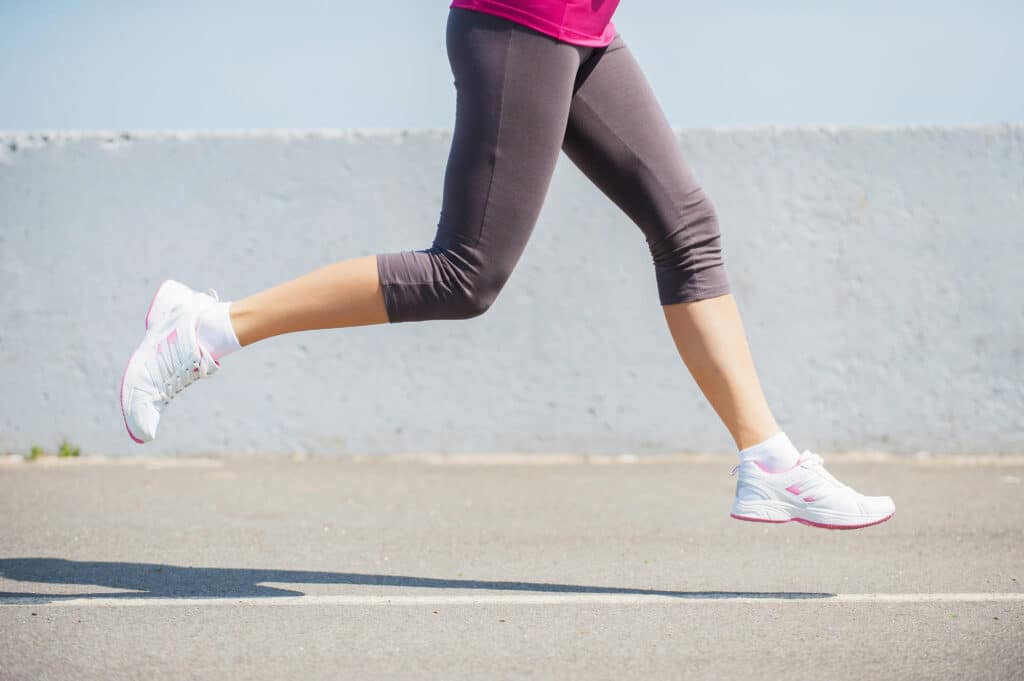
Running is not automatically destructive. For many healthy adults, it can support cardiovascular fitness, endurance, mood, and weight management. The problem begins when we run too far, too fast, too often, on hard surfaces, with poor footwear, weak hips, tight calves, or knees that already ache after daily activity. Each stride sends force through the ankles, knees, hips, and lower back. If the body cannot absorb that force well, the joints end up taking more of the bill.
The smarter swap is not always quitting running. It is changing the dose. We can rotate running days with brisk walking, cycling, swimming, or elliptical sessions. The American Academy of Orthopedic Surgeons notes that people who regularly engage in high-impact aerobic exercise, such as running or competitive sports, may be advised to switch to lower-impact activities that place less stress on weight-bearing joints, such as walking, swimming, and cycling. A run-walk plan, softer surfaces, shorter distances, strength work for the glutes and calves, and at least one recovery day between harder runs can make the difference between progress and nagging pain.
Box Jumps That Turn Every Landing Into a Joint Test
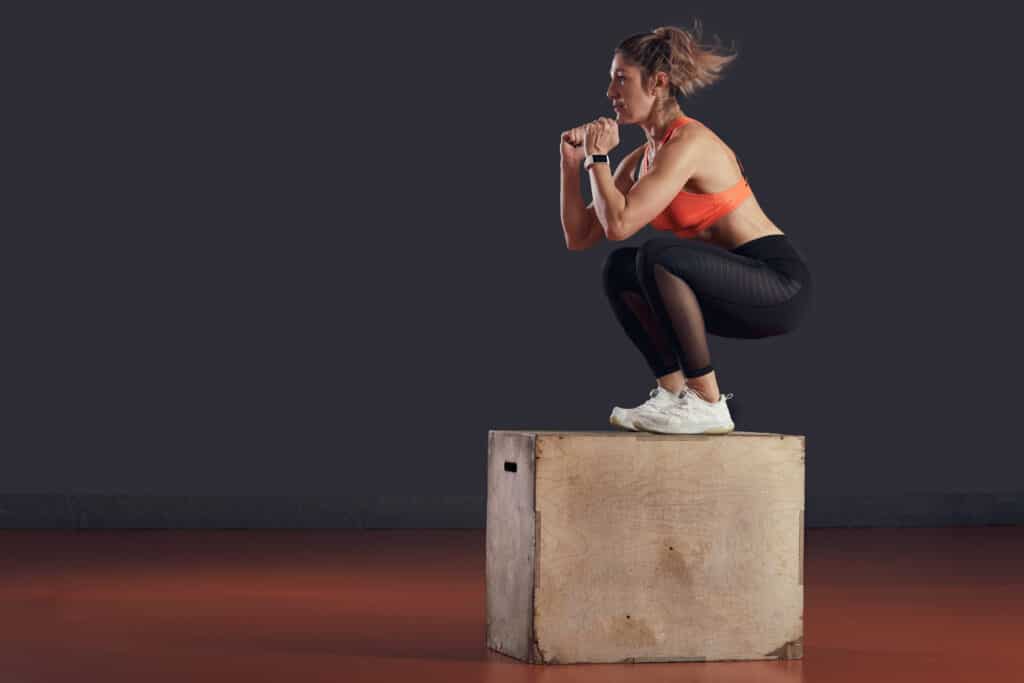
Box jumps look athletic, which is exactly why people love them. They train power, coordination, and confidence. They can also be brutal on the ankles, knees, hips, and lower back when we land stiff-legged, jump from fatigue, use a box that is too high, or chase speed instead of control. The landing matters more than the jump. A loud landing, collapsing knees, forward trunk dive, or wobbly ankles are warning signs that the movement is no longer training power. It is testing joint tolerance.
A safer version keeps the power but removes the crash. Step-ups, low box jumps, squat-to-calf raises, sled pushes, and controlled mini-hops can build strength and explosiveness with less joint shock. People with knee osteoarthritis or sensitive knees should be especially careful when jumping repeatedly. A 2025 BMJ systematic review found that walking, cycling, and swimming were likely the best exercise options for improving pain, function, gait performance, and quality of life in knee osteoarthritis, with aerobic exercise showing strong overall value.
Burpees That Punish Tired Wrists, Knees, and Backs
Burpees are sold as the ultimate full-body move, but they are also among the easiest to butcher when tired. The wrists take a sudden load when the hands hit the floor. The shoulders take the brunt of the pressure in the plank. The lower back can sag during the jump-back. The knees and ankles take repeated impact during the jump. Done carefully by a conditioned person, burpees can be useful. Done fast for high reps by someone with poor core strength or joint pain, they become a messy pile of impact, compression, and compensation.
The better option is to break the burpee into cleaner parts. We can do incline plank step-backs, bodyweight squats, low-impact squat thrusts, wall push-ups, or marching mountain climbers. These choices still raise the heart rate without forcing every joint to survive a rushed floor-to-jump sequence. The goal is not to prove toughness. The goal is to train with enough control that the body gets stronger after the workout instead of being inflamed for the next three days.
Deep Weighted Squats That Go Past Your Mobility
Squats are one of the best strength exercises we have, but deep weighted squats can become a problem when the ankles are stiff, the hips lack mobility, the knees cave inward, the heels lift, or the lower back rounds at the bottom. Depth is not the enemy. Forced depth is. When we load a squat beyond the range we can control, the knees, hips, and spine may take stress that the muscles should have handled.
A joint-friendlier squat keeps the range honest. Box squats, chair squats, goblet squats to a comfortable depth, wall squats, and sit-to-stand drills can build leg strength without chasing a deep position the body cannot own yet. Mayo Clinic emphasizes that strengthening exercises help build muscles that support and protect joints, and resistance bands, hand weights, machines, or body weight can all be used. The point is support, not strain. If pain appears in the joint rather than the working muscle, we should reduce the load, shorten the range, slow the tempo, or get form checked.
Walking Lunges That Let the Knee Cave In
Lunges train balance, glutes, thighs, hips, and single-leg control. They also expose weakness quickly. A walking lunge becomes risky when the front knee collapses inward, the back knee slams toward the floor, the stride is too short, or the torso wobbles from side to side. For people with knee pain, hip irritation, poor balance, or weak glutes, walking lunges can feel like a strength move but behave like a joint stress test.
Reverse lunges, split squats with support, step-ups, or shallow stationary lunges are often better starting points. Holding onto a wall, rail, or suspension trainer is not cheating. It lets the legs train without turning every rep into a balance emergency. We should feel the glutes and thighs working, not a sharp pinch in the knee or hip. If the knee keeps drifting inward, the body is telling us the stabilizers need more work before the exercise gets harder.
Heavy Leg Presses With the Knees Jammed Too Deep
The leg press feels safer than squats because the machine guides the path. That can be misleading. People often load more weight than they could ever squat, then lower the platform until their knees fold deeply toward their chests. That combination can place heavy stress on the knees, hips, and lower back, especially if the pelvis curls off the pad at the bottom. A machine does not automatically make a movement joint-friendly. It only makes the movement more controlled.
A better leg press uses a moderate load, controlled tempo, and a range that does not force the hips or lower back to tuck. The feet should stay planted, the knees should track with the toes, and the weight should move smoothly rather than bounce out of the bottom. People with osteoarthritis are often advised to increase physical activity more gradually and avoid high-impact jumping or pounding movements, and physical therapists commonly recommend low-impact aerobic work, muscle strengthening, balance training, and flexibility exercises to manage symptoms.
Stair Climber Sprints That Keep Grinding the Knees
The stair climber can be useful, but sprinting on it or cranking the resistance too high can irritate knees, hips, calves, and the lower back. The movement keeps the knees bending under repeated load. If we lean hard on the rails, twist the hips, take tiny, rushed steps, or push through knee pain, the machine stops being a controlled cardio tool and becomes a repetitive-strain machine.
The safer approach is steady pacing, light rail contact, upright posture, and shorter sessions. We can alternate stair work with cycling, walking, swimming, or elliptical training. Cycling is especially useful because it works the lower body while remaining low-impact, and Arthritis UK notes that cycling should not cause more joint pain for many people because it is low-impact while still supporting heart and lung fitness. The stair climber should leave the legs challenged, not the knees angry.
Behind-the-Neck Presses That Trap the Shoulders
Behind-the-neck presses are popular in old-school lifting circles, but many everyday exercisers lack the shoulder and upper-back mobility, rotator cuff strength, or posture to perform them comfortably. The bar path places the shoulders in a demanding position, and forcing the movement can irritate the front or side of the shoulder. The neck may also jut forward, and the lower back may arch to compensate.
Shoulder impingement occurs when structures within the shoulder pinch or rub together, often causing pain when the arm moves overhead. It is especially common among athletes and people who do repetitive overhead work. Cleveland Clinic notes that shoulder impingement can worsen with overhead movement, lifting and lowering the arm, reaching, and lying on the affected side. A safer swap is a standard overhead press in front of the body, a landmine press, an incline dumbbell press, a resistance-band press, or a shoulder-friendly lateral raise with light weight and excellent control.
Upright Rows That Crowd the Shoulder Joint
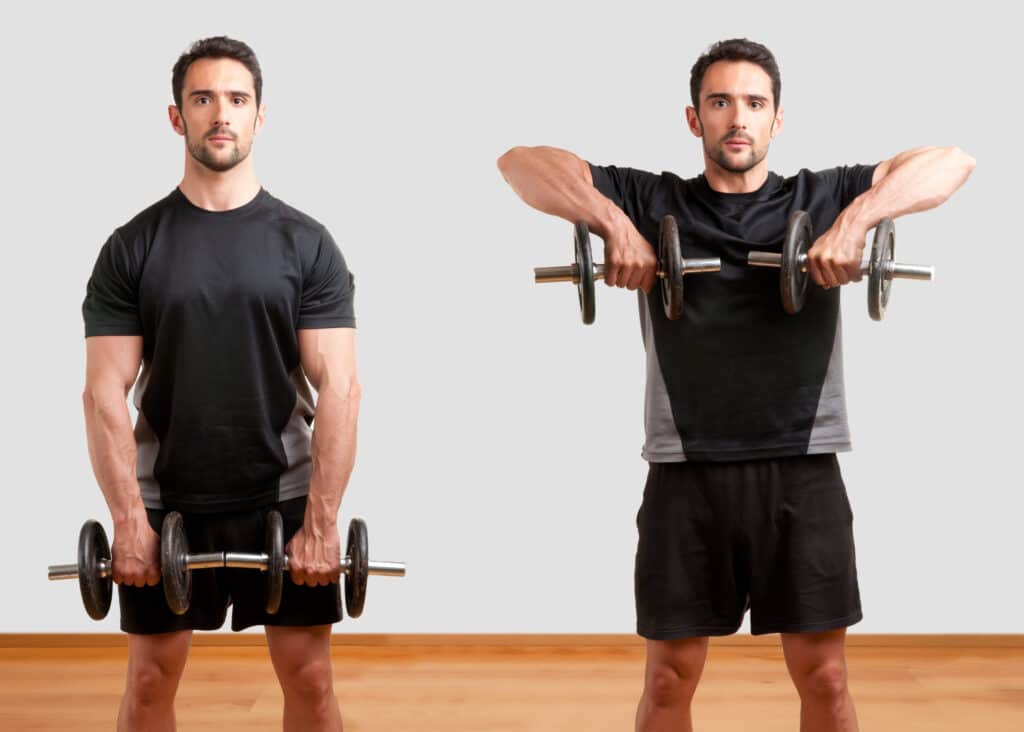
The upright row is another shoulder exercise that can cause trouble when done with a narrow grip, heavy barbell, high elbows, and poor control. The movement can crowd the shoulder, especially in people with pre-existing shoulder irritation or limited mobility. It may feel like a strong upper-body builder, but if it creates pinching, clicking, numbness, or pain at the top of the lift, it is not worth forcing.
We can train in the same general area with safer options. Dumbbell lateral raises, cable lateral raises, face pulls, band pull-aparts, rows, and rear-delt raises often give the shoulders more freedom. AAOS notes that rotator cuff pain is common in young athletes who use their arms overhead and in people who engage in repetitive lifting or overhead activities, and that treatment may include activity modification, physical therapy, stretching, and later strengthening of the rotator cuff and posture muscles. The best shoulder exercises should build strength without creating a pinch every time the arm rises.
High Rep Sit Ups That Yank the Spine Instead of Training the Core
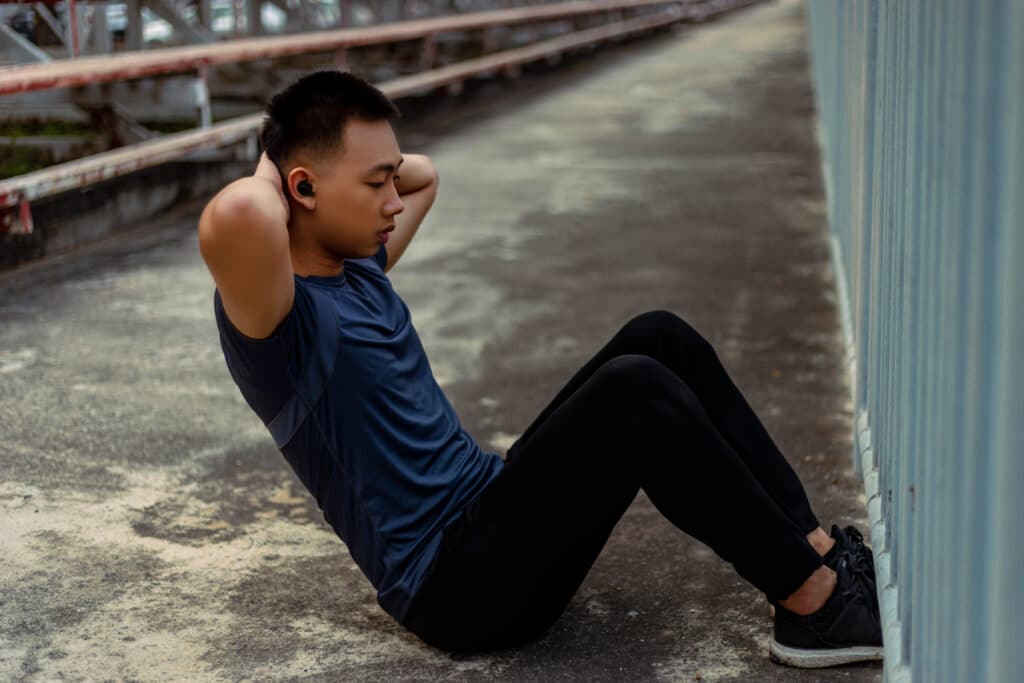
Sit-ups are often treated as a basic core exercise, but high-rep sets can take a toll on the neck, hips, and lower back. Many people pull on the head, round aggressively through the spine, use the hip flexors more than the abdominals, and chase reps long after form has disappeared. The result is often a sore neck, tight hip flexors, and a cranky lower back rather than a stronger core.
The better core plan focuses on stiffness, control, and breathing. Dead bugs, bird dogs, side planks, Pallof presses, suitcase carries, heel taps, and modified planks train the core to protect the spine during real movement. For joint protection, the core should act like a stabilizing system, not just a muscle group we burn at the end of a workout. A strong core helps the hips, knees, and shoulders, too, because the body wastes less energy compensating for poor trunk control.
How to Know an Exercise Is Hurting Your Joints
Muscle effort is normal. Mild next-day muscle soreness can be normal. Sharp joint pain, swelling, catching, locking, numbness, instability, pain that changes your walking pattern, or soreness that makes movement difficult are not signs of a “good workout.” AAOS advises that serious pain after exercise is not expected, and feeling so sore that it is difficult to move may mean the workout was overdone.
We should also pay attention to the timing of pain. Pain during the movement matters. Pain that shows up later that day matters. Pain that keeps returning every time we do the same exercise matters. A smart training plan does not ignore these signals. It adjusts the load, range, speed, frequency, surface, footwear, warm-up, recovery, or exercise selection before a minor irritation becomes a long break.