Coffee feels innocent until the extras take over. One splash becomes two, one pump becomes four, and suddenly that “simple” morning cup tastes more like dessert than coffee. The problem is not coffee itself. Plain coffee can fit into a balanced routine, but the things people pour, scoop, drizzle, and stir into it can quietly change the whole drink.
Many coffee add-ins are marketed as cozy, creamy, low-fat, sugar-free, or café-style. That makes them sound harmless, even smart. But some of the most popular options can add extra sugar, unhealthy fats, artificial ingredients, and calories before breakfast even begins. If your coffee habit leaves you craving more sugar, feeling sluggish, or wondering why your health goals feel harder than they should, your mug may be telling on you.
Flavored Creamers
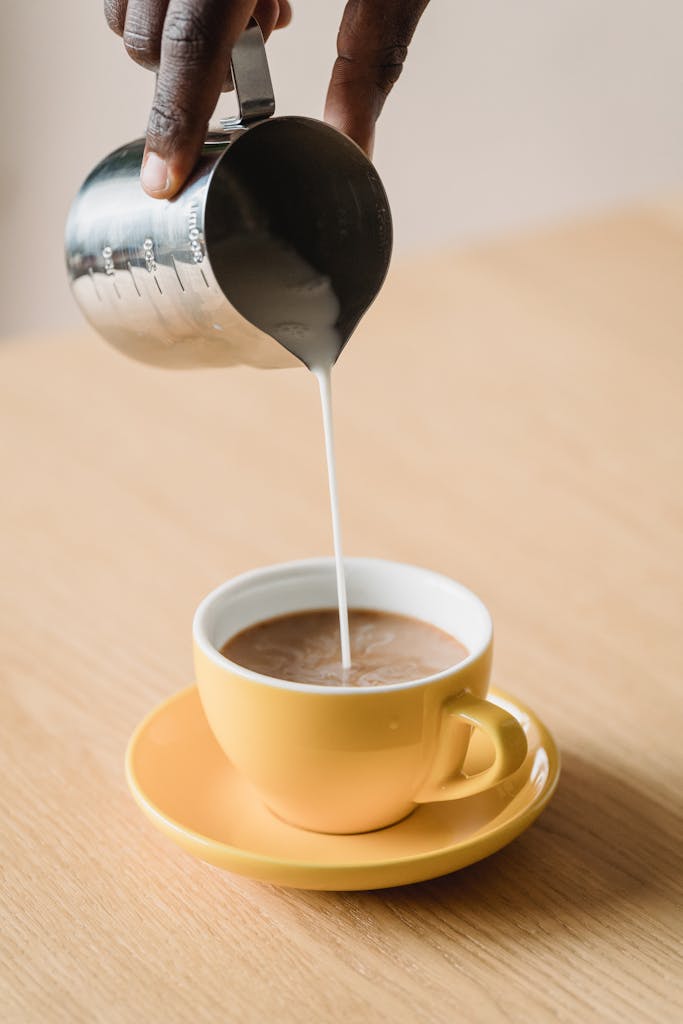
Flavored creamers are the big troublemakers hiding in plain sight. Birthday cake, caramel macchiato, cinnamon roll, cookie dough, and peppermint mocha may sound fun, but they often come with a heavy dose of added sugar and processed fats. That creamy sweetness can make coffee easier to drink, but it can also train your taste buds to expect dessert-level flavor every morning.
The sneaky part is portion size. Most people do not measure creamer. They pour until the coffee looks “right,” which can mean far more than one serving. A better move is to use unsweetened milk, a small splash of half-and-half, or a plain creamer with fewer ingredients. Add cinnamon, nutmeg, or vanilla extract for flavor without turning your coffee into a cupcake.
Cane sugar
A spoonful of sugar may seem small, but daily sugar intake adds up quickly. One teaspoon may not scare anyone, but many coffee drinkers use two or three per cup. Then they drink another cup later. By the end of the day, coffee alone may have added a surprising amount of sugar before snacks, soda, desserts, or packaged foods enter the picture.
Sugar also changes how coffee works in your routine. Instead of a clean caffeine boost, you may get a quick sweet rush followed by a dip in energy. That crash can lead to more cravings and more coffee. If black coffee tastes too bitter, try reducing the amount of sugar slowly over two weeks. Your taste buds adjust better when the change feels gradual, not punishing.
Non-dairy creamers

Non-dairy creamer sounds lighter, cleaner, and more modern than regular dairy. Unfortunately, many shelf-stable versions are packed with corn syrup, oils, stabilizers, and other additives that offer little nutritional value. People often grab them because they are convenient, cheap, and easy to store, but convenience does not always mean your body gets a better deal.
The label matters more than the “non-dairy” promise. Some plant-based creamers are simple and decent, especially those made with oats, almonds, soy, or coconut and minimal added sugar. Others are closer to processed dessert toppings. Look for short ingredient lists, low added sugar, and no hydrogenated oils. A product can be dairy-free and still be a poor everyday choice.
Flavored syrups
Flavored syrups give home coffee that coffee-shop feeling. Vanilla, hazelnut, mocha, caramel, and pumpkin spice can turn an ordinary cup into a fancy one in seconds. The problem is that syrups are usually built around sugar. A few pumps can push your drink from basic coffee into a sweet beverage with far more calories than expected.
Sugar-free syrups can also be tricky. They may cut back on sugar, but many rely on artificial sweeteners that can upset digestion or keep sweet cravings alive. You do not have to give up flavor completely. Use fewer pumps, switch to spices, or try a small amount of real vanilla or cocoa powder. Your coffee can still taste good without becoming a syrup delivery system.
Heavy cream and butter

Some people add heavy cream, half-and-half, or even butter to coffee because it makes the coffee taste richer and keeps them fuller. A small splash may fit into some diets, but heavy pours can bring a lot of saturated fat. That matters more if you drink several cups a day or already get plenty of saturated fat from meat, cheese, pastries, or fried foods.
The danger is how normal it starts to feel. Once coffee becomes thick and buttery, plain coffee tastes weak by comparison. If you love creamy coffee, choose a measured splash instead of free-pouring. Low-fat milk, unsweetened soy milk, or oat milk can still give your morning drink body and smoothness without making it feel like melted ice cream.
Powdered creamers
Powdered creamers are popular because they last forever, travel well, and make coffee taste smooth and fast. But that long shelf life often comes at the cost of processed oils, added sugars, artificial flavors, and preservatives. The powder may look harmless, but it can be one of the least fresh things you add to your daily routine.
Another issue is habit. Powdered creamer is easy to scoop without thinking, especially at work, hotels, gas stations, or break rooms. One cup becomes a daily pattern. If you want a cleaner option, keep small cartons of unsweetened milk nearby or use single-serve shelf-stable milk boxes with simple ingredients. Your coffee will taste fresher, and your routine will feel less processed.
Sweetened condensed milk

Sweetened condensed milk gives coffee a rich, creamy, almost dessert-like taste. It works beautifully in certain drinks and cultural coffee recipes, so the issue is not flavor. The issue is frequency. It contains concentrated sugar and richness, which can make an everyday cup much heavier than most people realize.
This add-in is best treated like a dessert ingredient, not a daily default. A small amount for a special drink is different from pouring it into every morning cup. If you crave that creamy sweetness, try evaporated milk with a tiny amount of sweetener, or use regular milk with a pinch of cinnamon. You still get a smooth cup, but with more control over your sugar and calorie intake.
Low-fat creamers
Low-fat creamer sounds like the safe choice. The label feels responsible, especially for people trying to reduce fat. But many low-fat creamers compensate for missing richness by adding more sugar, artificial flavors, thickeners, or sweeteners. That means you may cut fat, but still end up with a highly processed coffee add-in.
This is where “low-fat” becomes a marketing trap. A healthier coffee habit is not about chasing one label. It is about reviewing the entire ingredient list. A plain milk option with a little natural fat may be more satisfying than a low-fat creamer filled with sugar and additives. Your coffee should support your morning, not confuse your body with fake health promises.
Conclusion
Coffee is not the villain. The real problem starts when sweeteners, syrups, creamers, oils, and processed powders take over the cup. The healthiest coffee routine is usually the simplest one, built around fewer ingredients and smaller pours.
You do not have to drink bitter black coffee to make a smarter choice. Start by cutting back slowly, measuring your add-ins, and choosing plain options more often. A better cup does not need to taste boring. It just needs to stop pretending dessert is breakfast.