Flowering vines can make a backyard look expensive, lush, and beautifully private, but the wrong choice can turn your garden into a tangled headache. Some vines grow too aggressively, some need more support than beginners expect, and others only shine in the right climate or light. If you plant without planning, your dreamy garden wall can become a messy fence fight, a bare trellis, or a plant that refuses to bloom.
The good news is that flowering vines can still be one of the smartest ways to add color, shade, texture, and privacy to your outdoor space. You just need to choose the right climber for the right spot. Here are 10 flowering vine mistakes to avoid if you want a backyard that looks charming instead of chaotic.
Choosing Climbing Roses Without Planning for Support
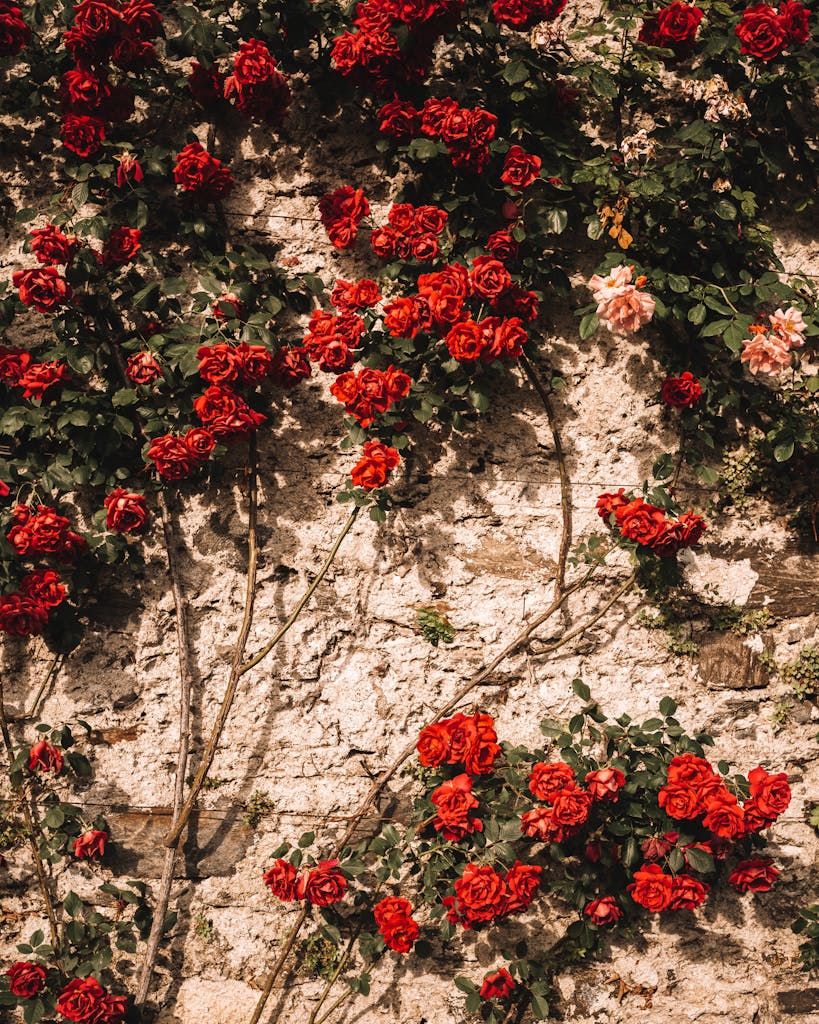
Climbing roses look romantic, classic, and full of charm, but they do not magically climb like some other vines. They need strong support, careful tying, and enough space to spread without becoming crowded. If you plant them near a weak trellis or flimsy fence, the weight of the stems and blooms can become a problem.
For the best results, grow climbing roses on a sturdy arbor, wall frame, or fence that can handle their size. They work beautifully when you want privacy with a polished, cottage-style look. Just remember that they need pruning, airflow, and patience before they reach their full beauty.
Planting Trumpet Vine Too Close to Delicate Areas
Trumpet vine is bold, bright, and loved by hummingbirds, but it can be too vigorous for small spaces. Its orange-red flowers look beautiful, yet the plant can spread aggressively when conditions are right. Planting it near delicate garden beds may create extra work later.
Use trumpet vine where you need a tough climber for a fence, screen, or large structure. It performs well when given space and firm boundaries. If your backyard is small, think carefully before letting this vine move in like it owns the place.
Letting Wisteria Take Over Without Control
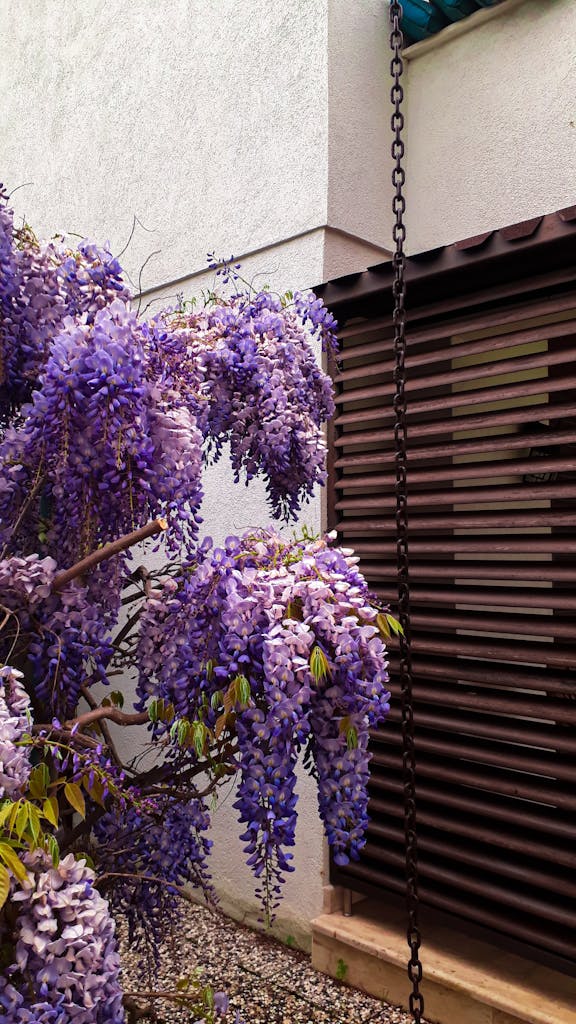
Wisteria is stunning when it drapes over a pergola with purple blooms, but it can become a backyard bully if ignored. This vine grows fast and needs regular training, pruning, and a strong structure. Without control, it can twist around gutters, railings, and nearby trees.
Wisteria is best for gardeners who want drama and are willing to put in some maintenance. It can create shade, privacy, and a breathtaking spring display, but it should never be planted casually. Give it room, give it structure, and keep your pruning shears nearby.
Planting Clematis in the Wrong Spot
Clematis is one of the most loved flowering vines because it offers bright color and a softer look than many heavy climbers. The mistake is assuming every clematis will thrive anywhere. Some types prefer cooler roots, sunny tops, and a trellis they can easily grip.
This vine is perfect for fences, railings, arches, and garden posts. It can return year after year with beautiful blooms when planted properly. Add mulch around the base, provide support, and avoid letting the roots dry out during hot weather.
Expecting Black-Eyed Susan Vine to Survive Cold Winters
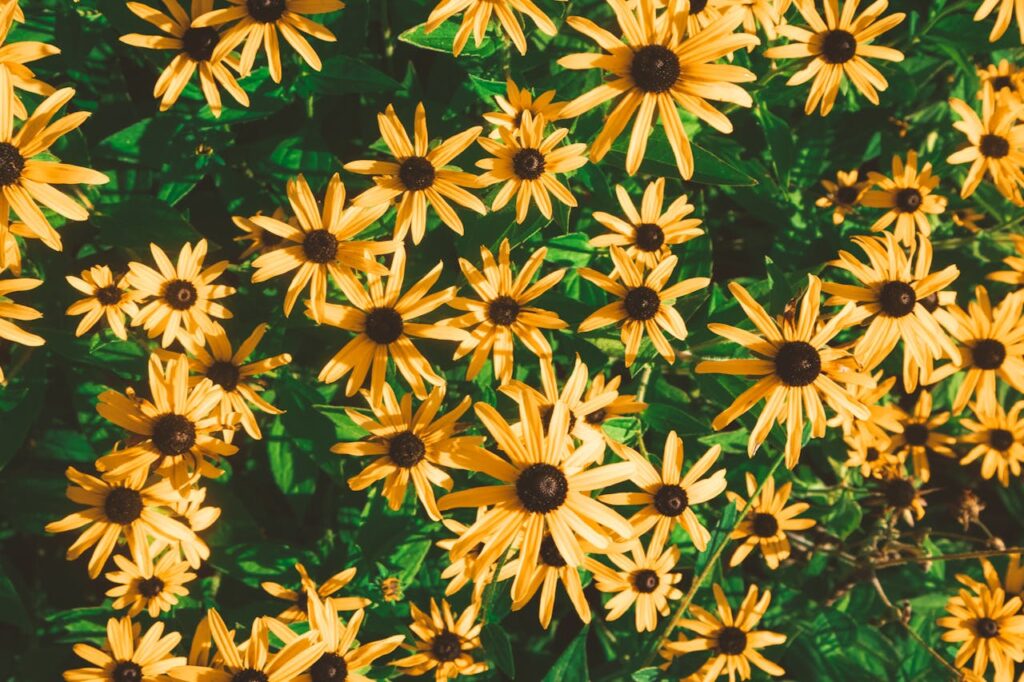
Black-eyed Susan vine brings cheerful yellow, orange, or warm-toned flowers that can brighten a dull fence in no time. The problem is that many gardeners treat it as a hardy perennial, even though it often behaves like an annual in cooler climates. That means it may not come back after frost.
This vine is a smart choice if you want quick summer color on a trellis, balcony railing, or patio screen. It grows quickly and gives a lively tropical feel. Just plan to replant it each year unless you live in a warm region where it can survive longer.
Ignoring the Size of Climbing Hydrangea
Climbing hydrangea looks soft and elegant, especially when it covers a wall with leafy growth and white blooms. The danger is underestimating how large and strong it can become once established. It may start slowly, but later it can grow with serious force.
This vine is ideal for shaded or partly shaded spaces where other flowering vines struggle. It can turn a plain wall into a lush garden feature. Just avoid planting it where you may need to remove it quickly, because once it clings, it likes to stay.
Assuming Honeysuckle Is Always Low-Maintenance
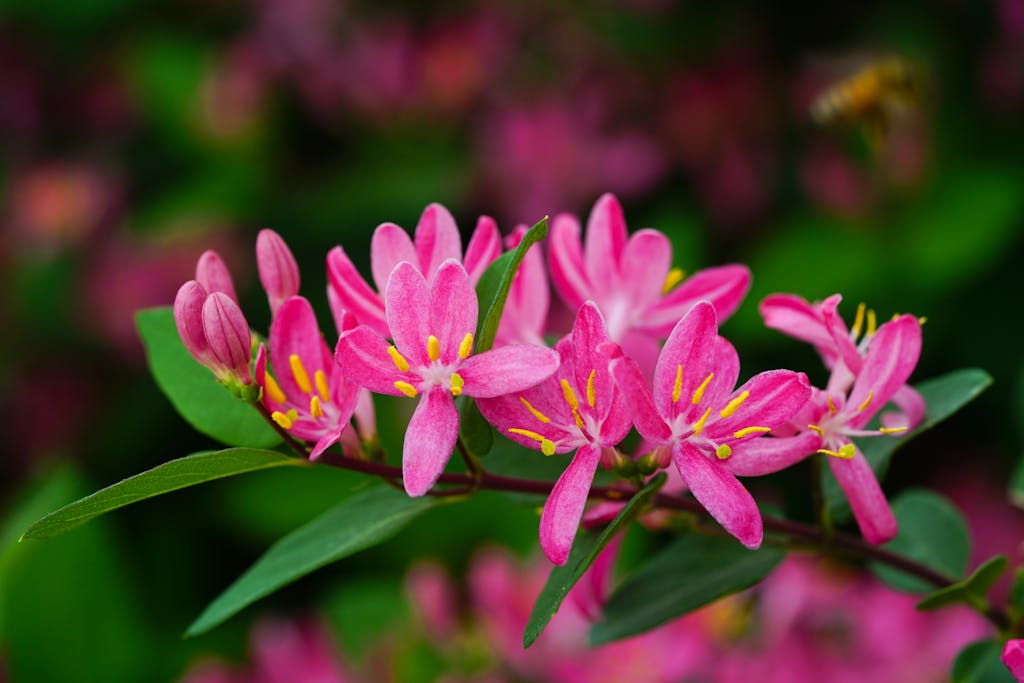
Honeysuckle can be a wonderful flowering vine, especially when you want fragrance, color, and pollinator appeal. The mistake is choosing the wrong type or letting it grow without shaping. Some honeysuckle varieties can become tangled and messy if left alone.
Choose a garden-friendly variety and train it early on a trellis, arbor, or fence. It can add long-lasting blooms and a softer, natural screen. With occasional pruning, honeysuckle can look charming instead of wild and overcrowded.
Growing Star Jasmine Where Winters Are Too Harsh
Star jasmine is loved for its glossy leaves and sweet fragrance, but it performs best in warmer areas. Gardeners in colder regions may be disappointed if they plant it outdoors and expect year-round success. Cold snaps can damage plants or prevent them from thriving.
In the right climate, star jasmine is excellent for privacy, scent, and evergreen beauty. It can climb fences and walls with a clean, elegant look. In colder areas, it may do better in a container that can be protected during winter.
Treating Morning Glory Like a Harmless Little Flower

Morning glory can look innocent with its blue, purple, or pink blooms, but it grows fast and can reseed freely. That means it may pop up in places you did not invite it. For some gardeners, that is charming; for others, it is a yearly battle.
This vine is best for quick color on fences, poles, and simple trellises. It blooms beautifully in the morning, creating a relaxed cottage-garden feeling. To keep it from spreading too much, remove seed pods before they scatter.
Picking Bougainvillea Without Enough Sun
Bougainvillea delivers bold color and a vacation-like feel, but it needs heat, sunlight, and the right conditions. If you plant it in too much shade, you may get leaves instead of the bright display you expected. It also dislikes cold weather, so climate matters.
This vine is excellent for sunny patios, warm fences, and containers in hot regions. It is especially good for gardeners who want dramatic color without constant watering. Give it sun, warmth, and room, and it can become one of the brightest features in your yard.
Conclusion
Flowering vines can completely change a backyard, but they should never be planted on impulse. The right vine can cover an ugly fence, create privacy, attract pollinators, and add color from spring to fall. The wrong vine in the wrong place can damage structures, spread too quickly, or leave you with disappointing blooms.
Before planting, think about your climate, sunlight, space, support structure, and how much maintenance you can handle. A beautiful backyard is not just about picking the prettiest flower. It is about choosing the vine that behaves well in your space and gives you beauty without regret.