Some foods look innocent on the grocery shelf until you taste the garden version and realize how much flavor has been missing. The shiny produce aisle may promise freshness, but many fruits, vegetables, and herbs travel too far and sit too long, losing the punch that makes food feel alive. That is why homegrown food often tastes richer, brighter, and more satisfying than the neat little packages sitting under supermarket lights.
For anyone trying to save money, eat better, and enjoy food with real flavor, a small garden can become more than a hobby. It can turn basic meals into something warmer, fresher, and more personal. These five foods are among the worst offenders when bought from the store, because they often taste dramatically better when grown at home.
Herbs
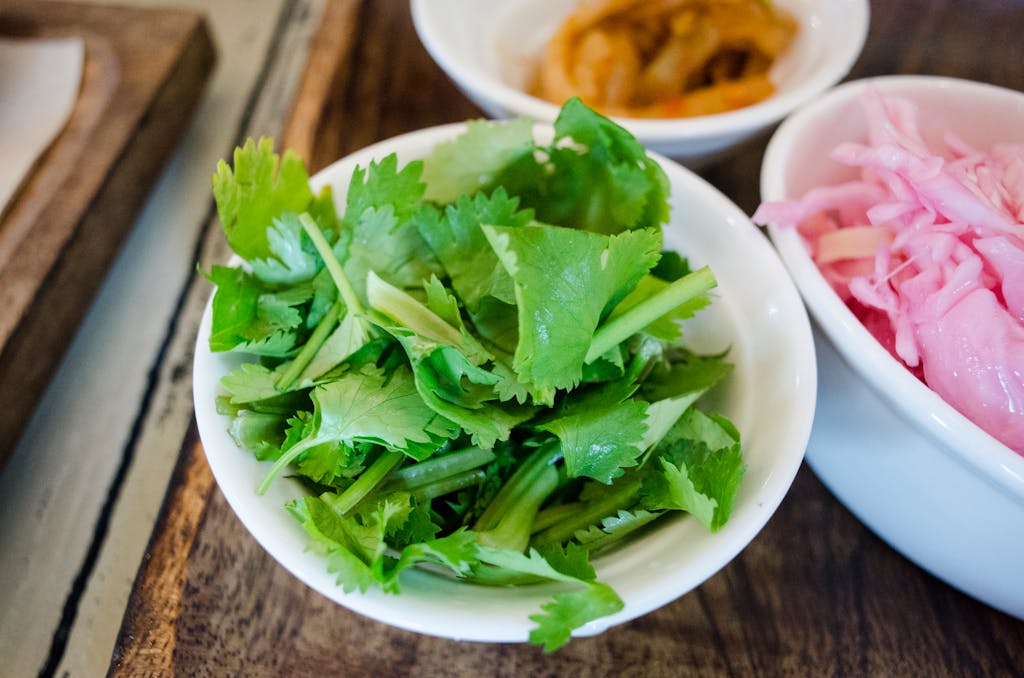
Fresh herbs are among the easiest foods to regret buying at the store. A tiny plastic pack of basil, rosemary, parsley, or cilantro can cost too much, wilt too fast, and lose its fragrance before you even finish cooking. By the time many store-bought herbs reach your kitchen, their flavor has already faded, leaving you with leaves that look green but taste tired.
Homegrown herbs are different because you can cut only what you need at the exact moment you need it. Basil tastes sweeter, rosemary smells stronger, and parsley brings a cleaner bite when it comes straight from the plant. Even a small pot near a window can give soups, sauces, roasted vegetables, eggs, and salads a fresher taste than store-bought herbs that have been sitting in packaging for days.
Tomatoes
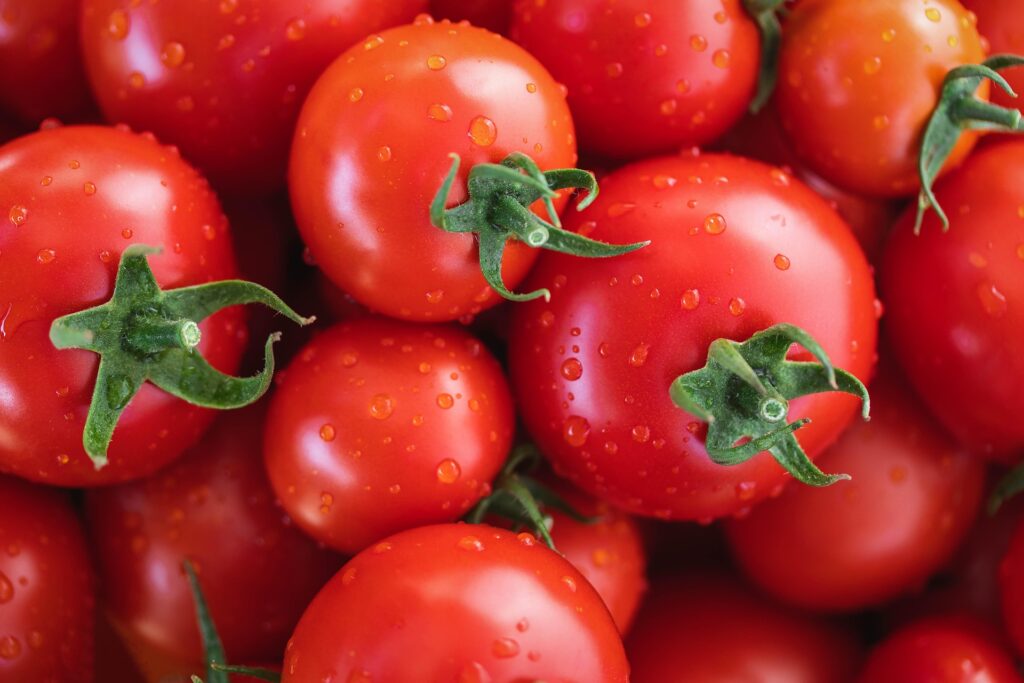
Store-bought tomatoes may be one of the biggest disappointments in the produce aisle. They often look bright and firm, but the flavor can be watery, flat, and forgettable. Many supermarket tomatoes are picked before they fully ripen so they can survive transport, which means the taste never reaches its full potential.
Homegrown tomatoes deliver the kind of flavor that makes people understand why gardeners talk about them with so much pride. They can be sweet, juicy, tangy, and rich all at once, especially when eaten warm from the sun. A homegrown tomato can make a simple sandwich taste special, turn a salad into a full meal, and give pasta sauce a deeper flavor without much effort.
Strawberries
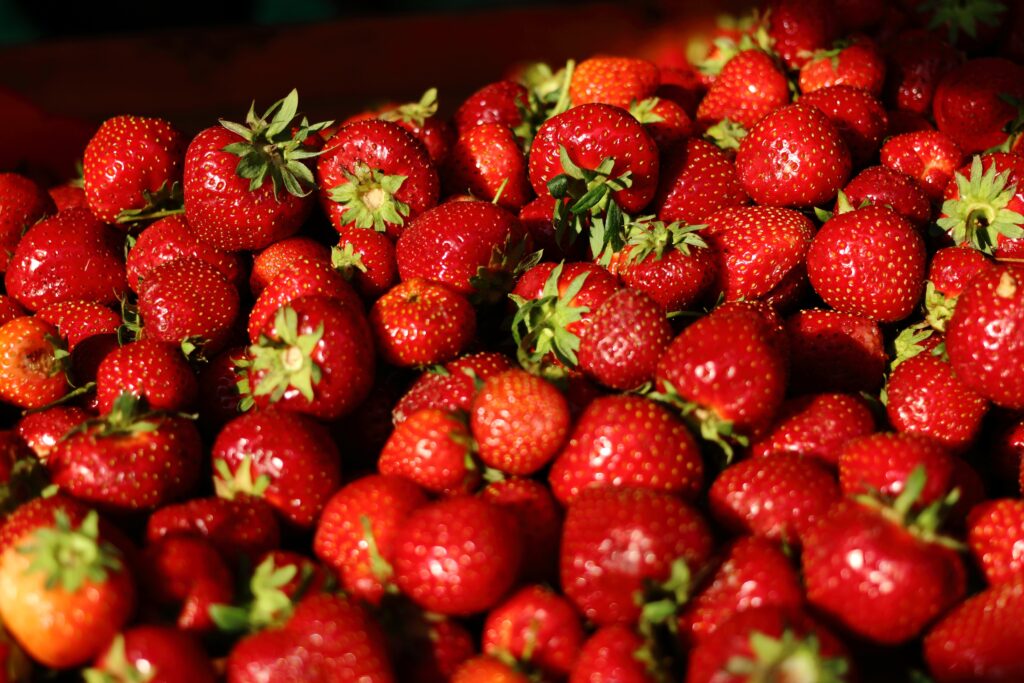
Store-bought strawberries can be painfully misleading because they often look better than they taste. A carton may be filled with large red berries, but many of them end up tasting bland, watery, or slightly sour. They are usually bred and handled to survive shipping, which can make beauty more important than sweetness.
Homegrown strawberries offer a softer, sweeter, more fragrant experience. They may not always look as perfect as the ones in the store, but the flavor is often much better. When picked at the right time, they taste juicy and bright enough to eat plain, with no sugar, cream, or dessert recipe needed to rescue them.
Carrots
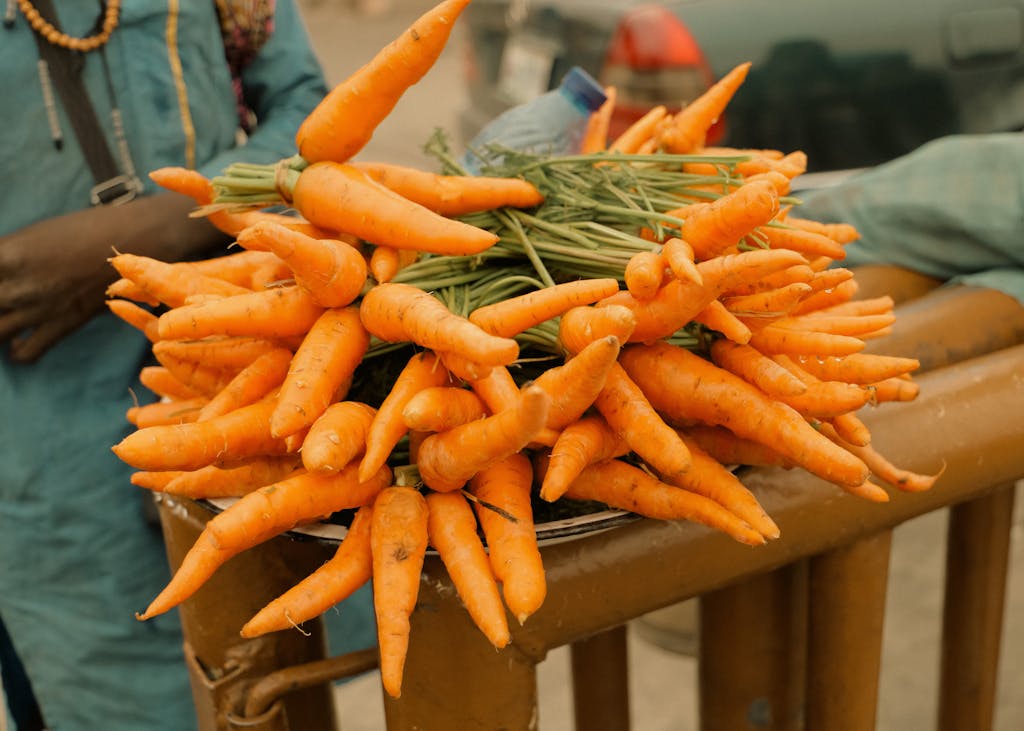
Carrots from the store are useful, but they are not always exciting. Many bagged carrots taste dry, woody, or dull, especially after sitting in storage. Baby carrots can be even more disappointing because their convenience often comes at the cost of that earthy sweetness people expect from a truly fresh carrot.
Homegrown carrots can surprise you with their flavor. When grown in the right season and pulled fresh from the soil, they often taste sweeter, cleaner, and more satisfying. They add real character to soups, stews, slaws, roasted dishes, and lunch plates, rather than simply serving as a crunchy filler.
Kale
Kale has a reputation for being tough, bitter, and hard to love, and store-bought kale is partly to blame. Large bunches can feel stiff, dry, and aggressive in salads, especially when the leaves are older. That harsh texture makes many people think they dislike kale, when they may have only tasted it past its best stage.
Homegrown kale can be picked younger and fresher, which makes a huge difference. The leaves can taste milder, softer, and more pleasant, especially after cooler weather brings out their natural sweetness. It becomes easier to use in salads, smoothies, soups, stir-fries, and quick side dishes when it doesn’t taste like punishment on a plate.
Conclusion
Store-bought produce is convenient, but convenience often comes with a quiet flavor tax. Herbs lose their scent, tomatoes lose their richness, strawberries lose their sweetness, carrots lose their snap, and kale loses its charm before they ever reach the plate. That does not mean every shopper needs a huge backyard garden, but it does mean a few pots, raised beds, or balcony containers can make a real difference.
The best foods to grow at home are often the ones you use often and feel disappointed by when bought from the store. Start with one or two favorites, keep it simple, and let the flavor prove the point. Once you taste the difference, the grocery version may never feel quite as exciting again.