Grocery stores are built for speed, temptation, and convenience. That is exactly why some of the most ordinary items in the aisles quietly become the most expensive mistakes in the cart. The problem is bigger than one overpriced bottle of water or one bag of chopped fruit. In April 2026, the U.S. food-at-home index rose 0.7 percent in a single month, and grocery prices were 2.9 percent higher than a year earlier. Fruits and vegetables jumped 6.1 percent over the year, which makes wasteful grocery habits even harder to ignore.
We do not need to treat every grocery trip like a financial emergency, but we do need sharper rules. The smartest shoppers do not simply ask, “Do I need this?” They ask, “Is the grocery store the best place to buy this?” Many times, the answer is no. These are the products we should avoid buying at the grocery store unless convenience outweighs price, quality, or safety.
Below are 12 things you should never buy at the grocery store if you want to save money:
Pre-cut fruit and chopped vegetables
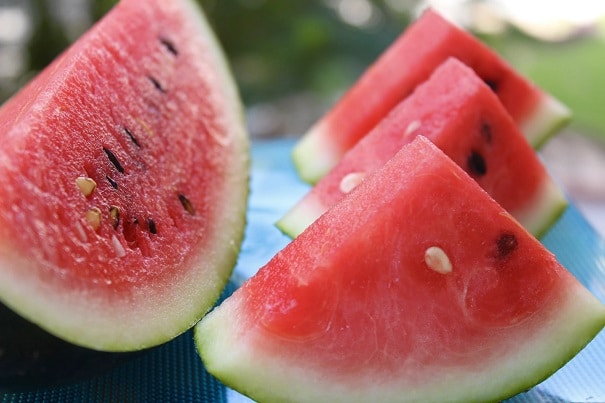
Pre-cut produce looks like a gift to tired shoppers, but it often charges a luxury price for a few minutes of knife work. Watermelon cubes, sliced apples, chopped onions, shredded cabbage, and veggie trays can cost far more per pound than the whole version sitting a few feet away. The price gets even harder to justify because cut produce usually spoils faster. Once the fruit or vegetable is opened, sliced, washed, mixed, and packed, it loses some of the natural protection that helped it stay fresh.
Food safety adds another reason to pause. The FDA says processing fresh produce into fresh-cut products can increase the risk of bacterial growth and contamination because cutting breaks the natural barrier on the produce’s surface. The agency also notes that released plant fluids can create conditions where pathogens may survive or grow if contamination is present. That does not mean every container of cut fruit is unsafe. It means we should buy it only when we plan to eat it quickly and the package is cold, sealed, and clearly dated. For everyday savings, whole fruit and whole vegetables are the better grocery buy.
Bagged salad kits
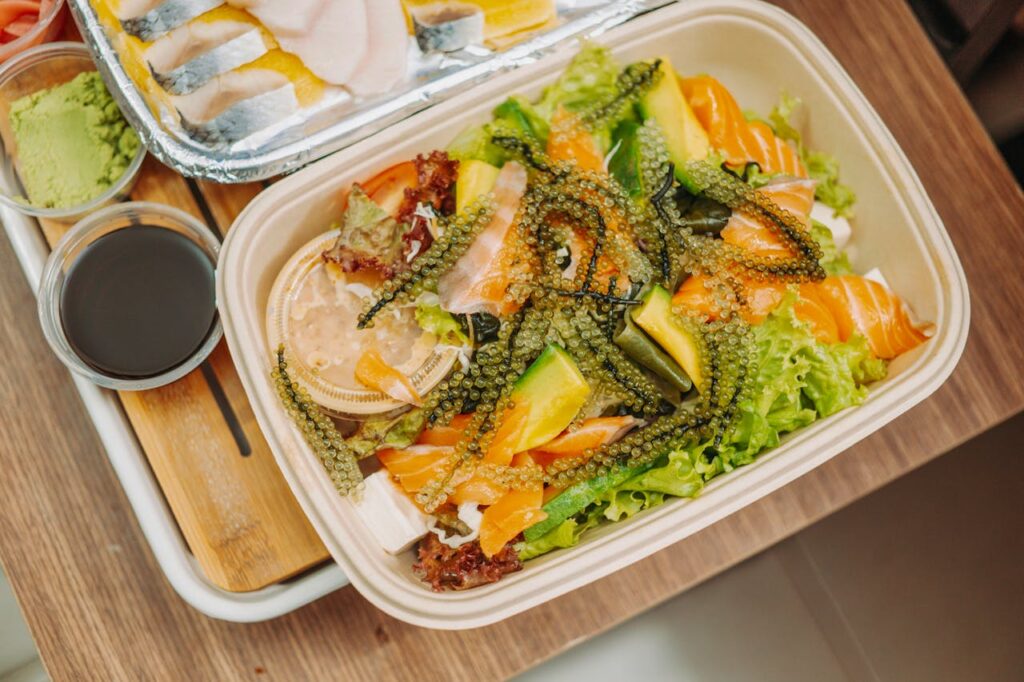
Bagged salad kits are the grocery store’s favorite trick because they feel healthy, fast, and harmless. The problem is that we are paying for chopped lettuce, a tiny pouch of dressing, a sprinkle of toppings, and a bag that often starts wilting before the week is over. A whole head of romaine, cabbage, spinach, or kale usually stretches further and gives us more freshness. We can add our own dressing, nuts, cheese, or protein without paying for a small, prepackaged bundle.
Fresh-cut produce also needs careful refrigeration. USDA guidance for fresh-cut produce processors states that finished, packaged fresh-cut produce should be held at or below 41 degrees Fahrenheit to maintain quality and help prevent microbial growth. That makes the condition of the grocery case matter. If the salad bags look swollen, wet, slimy, crushed, or close to the use-by date, skip them. A smarter habit is to buy sturdy greens and prep only what we need for the next day or two.
Bottled water

Bottled water is one of the easiest grocery store products to overpay for because it feels cheap by the case. The real cost shows up slowly. A reusable bottle and a home filter can replace dozens of plastic bottles over time, especially for households that drink water every day. Buying bottled water for emergencies, road trips, unsafe tap water, or outdoor events makes sense. Buying it as the default home water supply often drains money and creates unnecessary waste.
There is also a bigger public health and environmental conversation around bottled water. A 2024 BMJ Global Health commentary reported that about 1 million plastic bottles are purchased worldwide every minute. That scale should make shoppers think twice before tossing another case into the cart out of habit. In areas with safe municipal water, filtered tap water is usually the more practical choice. The grocery store bottle aisle should be a backup plan, not the household water strategy.
Hot bar meals and prepared deli foods
Hot bar meals can rescue a brutal workday, but they are rarely the best grocery buy. The price per pound can climb quickly once we add roasted chicken pieces, pasta sides, mashed potatoes, wings, mac and cheese, and vegetables sold by weight. A container that looks like a cheap dinner can cost more than a simple home-cooked meal for two. Prepared foods also make it easy to buy too much because the portions are chosen with our eyes, not a meal plan.
Food safety depends on temperature control. Food Safety says bacteria that cause food poisoning multiply most quickly between 40 and 140 degrees Fahrenheit, and perishable food should be refrigerated within 2 hours of being removed from the oven or refrigerator. Hot bars can be safe when stores manage them properly, but shoppers cannot see every step of the handling process. If food looks dried out, lukewarm, poorly covered, or close to closing time, skip it. A rotisserie chicken or a simple frozen meal may offer a safer and cheaper shortcut.
Deeply dented cans
A small dent on a can is not always a disaster, but deeply dented cans are not worth the gamble. Bargain shelves sometimes display canned goods with dents, rust, crushed rims, or damaged seams. The discount may look tempting, especially when food prices are high. Still, canned food is one category where the lowest price can create the wrong kind of risk.
Nebraska Extension advises discarding deeply dented cans, especially when the dent is sharp or located on the top or side seam, because seam damage can allow bacteria to enter. It also advises discarding heavily rusted cans because rust can create tiny holes. This is a simple grocery rule. If the can is bulging, leaking, heavily rusted, deeply dented, or spurring when opened, it does not belong in the pantry. Buy undamaged cans and save money somewhere safer.
Name-brand pantry staples
Name-brand pantry staples often survive on habit, not value. Flour, sugar, oats, rice, pasta, canned tomatoes, beans, broth, salt, vinegar, baking soda, and many frozen vegetables are categories where store brands can perform just as well for everyday cooking. We are often paying for the label, the shelf placement, and the advertising memory from childhood. The food inside may be nearly identical for practical home use.
Store brands have become a major money-saver in grocery shopping. PLMA reported that U.S. consumers saved about $35 billion in 2025 by choosing store brands over national brands during regular grocery shopping, based on average cost-per-unit comparisons using Circana data. Store brand sales also reached $282.8 billion in 2025. Circana separately reported that U.S. private label sales reached $330 billion and captured 24 percent unit share across the total market. The smarter move is clear. For basic pantry items, try the store brand first and make name brands earn their place.
Tiny spice jars and seasoning blends
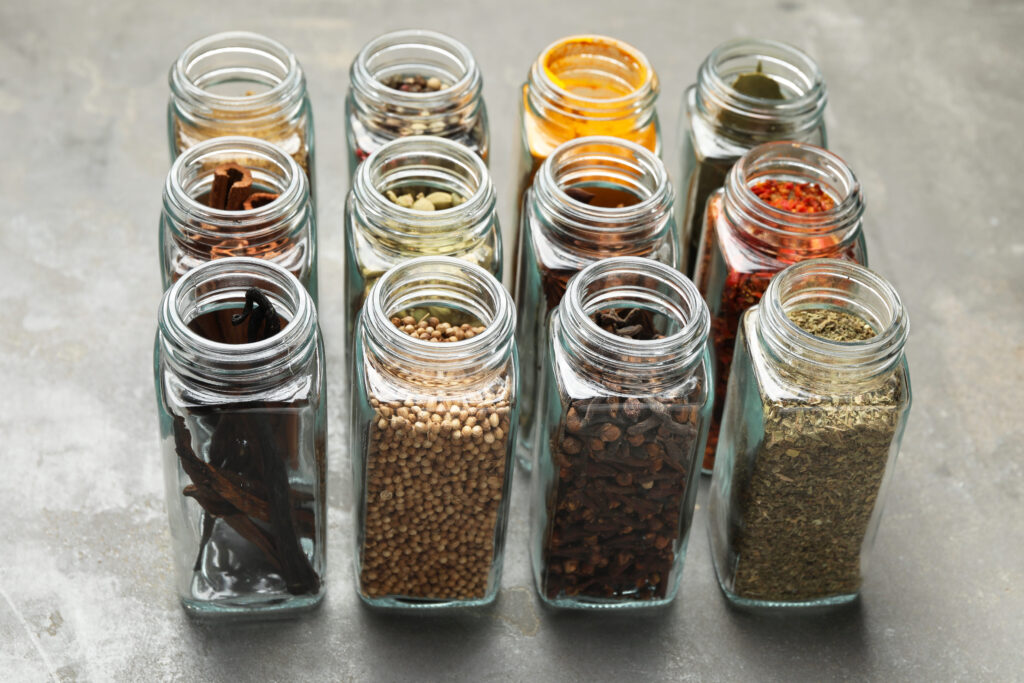
Tiny spice jars are convenient, pretty, and often wildly overpriced per ounce. The problem gets worse when the spice is something we use often, like garlic powder, paprika, cinnamon, chili powder, oregano, curry powder, black pepper, or onion powder. A small jar can disappear after a few recipes, especially in homes that cook from scratch. Seasoning blends can also charge more for salt, sugar, anti-caking agents, and common spices we may already have.
We should buy spices based on how often we use them. For everyday seasonings, bulk bags, international markets, warehouse clubs, refill shops, and larger containers usually offer better value. For rare spices, small jars can make sense, as older spices lose aroma and potency. The mistake is buying every spice in the most expensive grocery format. A better pantry system is simple. Buy small for experiments, buy bulk for staples, and label refill containers with purchase dates.
Shredded and cubed cheese
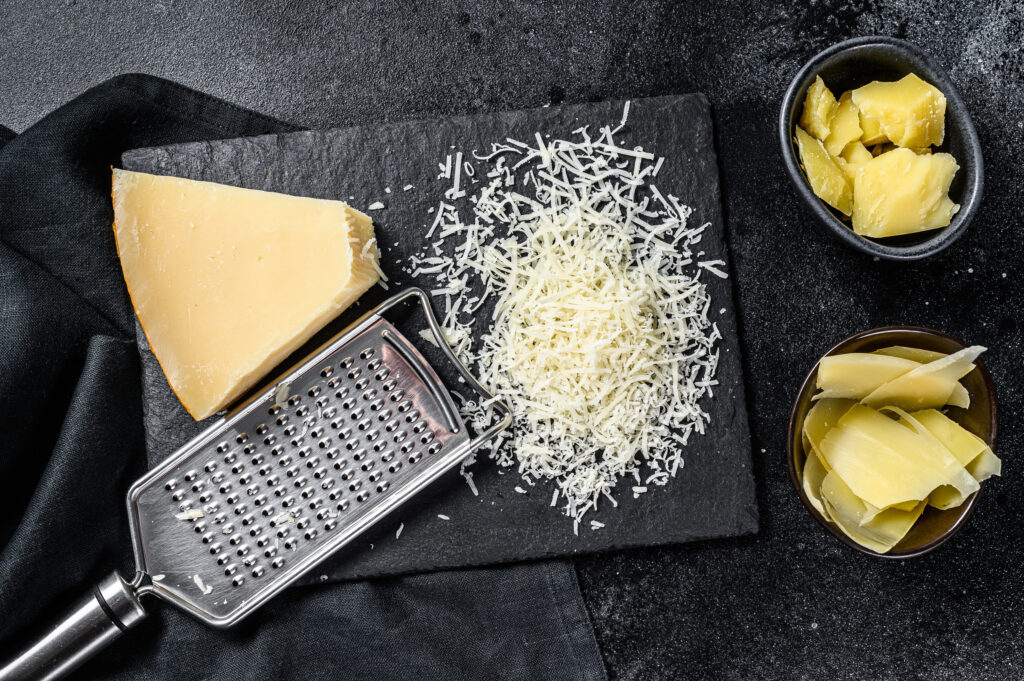
Shredded cheese saves a little time, but it usually costs more than block cheese and can lose freshness faster after opening. Many shredded cheeses also contain anti-caking agents to prevent clumping. That can be convenient, but it is not always ideal for melting smoothly into sauces. Cubed cheese creates the same issue. We pay extra for a shape that a knife can create in seconds.
Block cheese gives us more flexibility. We can grate it for tacos, slice it for sandwiches, cube it for snacks, or shave it into pasta. It also lets us control texture and quantity. If a recipe calls for a lot of cheese, the block usually wins in terms of value. Shredded cheese is fine for busy nights, but it should not be the automatic choice. The grocery store rewards convenience, and cheese is one place where that convenience can quietly tax the cart.
Pancake mixes and basic baking mixes
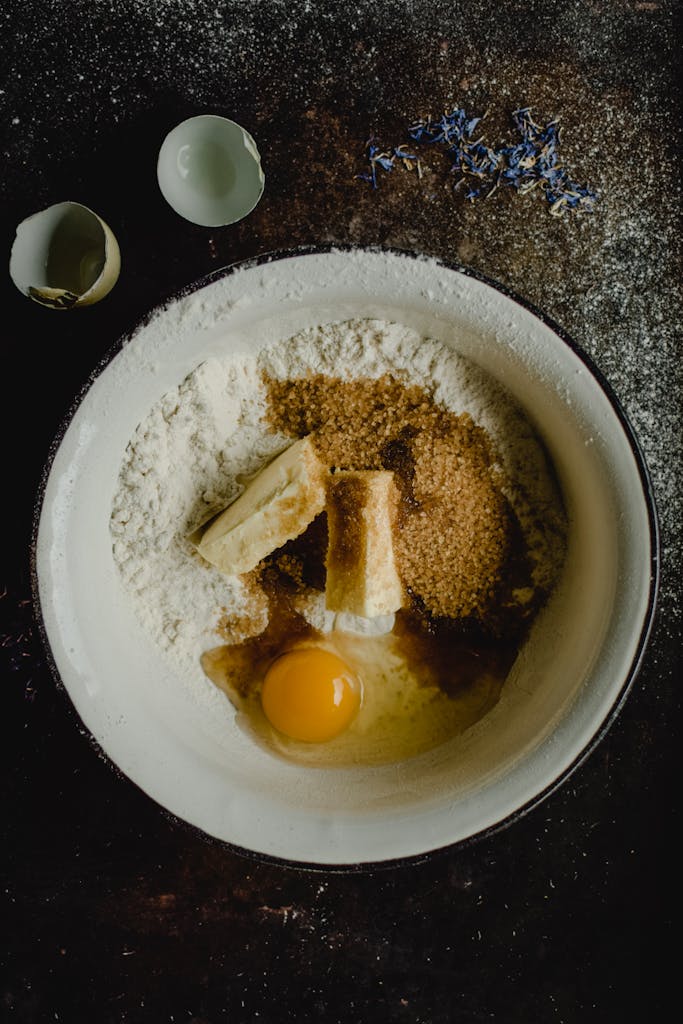
Pancake mix, waffle mix, biscuit mix, muffin mix, and cornbread mix often give a homemade feel without costing much. Many still require eggs, milk, butter, oil, or water, which means the box is mainly premeasured dry ingredients. Flour, baking powder, salt, sugar, and a few pantry basics can produce the same result for less. Once we learn one simple base recipe, the boxed mix starts looking less like a shortcut and more like a subscription to convenience.
The better buy is a basic baking pantry. Flour, baking powder, baking soda, salt, sugar, oats, cornmeal, cocoa powder, and vanilla can be used to make many breakfasts and desserts. We can also control sweetness and portion size. Boxed mixes still make sense for special dietary needs, unfamiliar recipes, or true time pressure. For routine pancakes on a Saturday morning, the grocery store mix aisle usually charges us for the confidence we can build in ten minutes.
Single-serve snacks
Single-serve snacks are designed for lunchboxes, road trips, office drawers, and portion control. They also turn ordinary crackers, chips, cookies, nuts, popcorn, pretzels, and dried fruit into a more expensive format. The packaging does the portioning, and shoppers pay for every tiny bag. For families, those small packs disappear fast because they feel “already measured,” which can encourage more grabbing.
The cheaper option is to buy larger packages and portion them at home. Reusable containers, snack bags, small jars, or bento-style lunch boxes can do the same job for less money. This also lets us mix snacks, such as nuts with dried fruit or popcorn with pretzels, instead of buying a branded variety pack full of flavors nobody wants. Single-serve packs are useful for travel and emergencies. For weekly grocery shopping, they are often a convenience markup, wearing a cute wrapper.
Cleaning products and paper goods

Oleg Gapeenko/Pexels
Cleaning sprays, dish soap, laundry detergent, trash bags, paper towels, toilet paper, foil, plastic wrap, and storage bags are not always the best to buy at the grocery store. Supermarkets carry them because shoppers remember them at the last minute. That last-minute convenience can come at a higher price and with fewer size options. The grocery store may offer a sale now and then, but the regular price often loses to warehouse clubs, mass retailers, dollar stores, online subscriptions, and store-brand household lines.
This category deserves a separate stock-up strategy. We should track the products we use every week and buy them where unit prices are lower. The key is comparing costs per ounce, per sheet, per bag, or per load. A huge package is not automatically a deal, but a smaller grocery bag is often the worst option. Keep a backup at home, and the grocery store cleaning aisle becomes easier to ignore.
Pet food, litter, and pet supplies
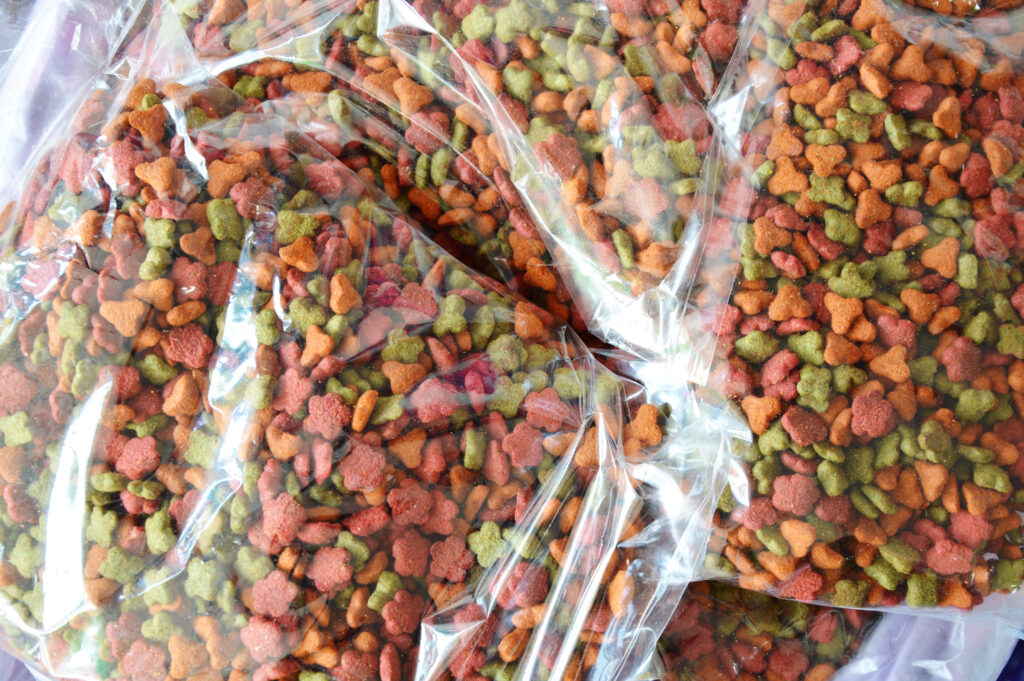
Pet owners know the danger of running out of food, litter, treats, waste bags, or medication-adjacent supplies. Grocery stores know it too. That is why pet products at supermarkets can be priced for urgency. The selection is often smaller, the package sizes may be limited, and specialty needs can be harder to meet. A last-minute grocery purchase is understandable, but routine pet shopping usually deserves a better channel.
AARP recently noted that many grocery stores charge a premium for pet supplies, including food, treats, poop bags, and cat litter, and cited online retailers with autoship or subscribe-and-save programs as lower-price options. The best strategy is to set a reorder point before supplies run low. Changes to pet food should still be handled carefully, especially for animals with sensitive stomachs or those on veterinary diets. For normal repeat purchases, the grocery store should be the emergency stop, not the main supplier.
Greeting cards, flowers, and checkout-lane gifts
Greeting cards, balloons, small bouquets, candles, stuffed animals, and checkout-lane gifts carry a powerful emotional markup. They appear right when we remember a birthday, an apology, a teacher gift, a dinner invitation, or a holiday. The convenience is real. The price can be painful. A basic card can cost as much as a useful gift, and a rushed bouquet may wilt faster than one from a florist, farmers’ market, or warehouse club.
A better habit is to keep a small box of cards at home. Buy blank, birthday, sympathy, and thank-you cards in multipacks. Keep a roll of wrapping paper, gift bags, and tissue paper in one place. For flowers, compare grocery bouquets with local florists, farmers’ markets, and warehouse clubs, and use online delivery only when presentation matters. The grocery store gift section works in a pinch, but it should not become the default place to buy emotion at full price.
Raw sprouts
Raw sprouts look fresh, crunchy, and healthy, but they carry a food safety risk that many shoppers underestimate. Alfalfa, clover, radish, and mung bean sprouts, as well as similar products, grow in warm, humid conditions. Those same conditions can help germs multiply. For older adults, young children, pregnant women, and people with weakened immune systems, the risk matters even more.
The CDC has warned that eating raw or undercooked sprouts may lead to food poisoning, and that thoroughly cooking sprouts can reduce the risk. In a 2022 Salmonella outbreak linked to alfalfa sprouts, the CDC reported 63 cases and 10 hospitalizations across eight states. We do not need to panic over every sandwich topping, but we should treat raw sprouts differently from ordinary greens. If we want sprouts, cooking them is the safer move. If we are shopping for someone at high risk, raw sprouts should stay out of the cart.
Oversized perishables without a plan
Bulk buying feels smart until half the food lands in the trash. Giant tubs of yogurt, huge salad boxes, family packs of berries, big trays of meat, oversized bakery items, and multi-packs of dips can all become expensive waste if there is no plan to use them. The sticker deal doesn’t matter if the food spoils before we eat it. This is one of the most common ways shoppers lose money, believing they are saving.
The USDA estimates that 30 to 40 percent of the U.S. food supply is wasted, with consumers contributing by buying or cooking more than they need and throwing out the extras. That statistic should change how we shop. The right question is not “Is this cheaper per ounce?” The right question is “Will we actually finish it?” Buy oversized perishables only when there is a meal plan, freezer space, or a household large enough to use them quickly.
Conclusion
The products we should never buy at the grocery store are usually not “bad” products. They are products sold in the wrong place, at the wrong size, in the wrong format, or at the wrong moment. Grocery stores make money from urgency. They sell chopped food to tired people, tiny packages to busy families, branded staples to habit-driven shoppers, and nonfood essentials to customers who do not want another stop.
A better grocery strategy is simple. Buy fresh food, true weekly staples, strong sale items, and store brands at the supermarket. Buy household goods, pet supplies, bulk snacks, bottled drinks, and routine nonfood items elsewhere when prices are better. Skip products that spoil fast unless they fit the week’s meal plan. Avoid convenience packaging unless it solves a real problem. That one shift can make the grocery cart lighter, the pantry smarter, and the receipt a lot less annoying.