Every gardener, novice or seasoned, can make mistakes that quietly stress plants and stunt growth. You might think you’re doing everything right, but certain well‑intentioned habits can actually harm your garden. Horticulturists and gardening pros say many common practices cause more damage than you might expect by disrupting root health, interfering with plant physiology, or exposing plants to unnecessary stress. Understanding and breaking these habits can transform struggling plants into thriving landscapes.
Below are 6 gardening habits that are hurting your plants:
Planting at the Wrong Time of Day

One of the most pervasive gardening mistakes is working in the heat of midday. When you transplant during the hottest hours, you expose plants to a dual assault: transplant shock and heat stress. High temperatures accelerate water loss through leaves while newly disturbed roots are trying to recover. This combination significantly stresses plants and weakens their establishment.
Instead, plan planting for the cooler parts of the day, early morning, or late afternoon when temperatures are gentler and humidity is higher. Your plants get a calmer start, with better root establishment and fewer instances of wilting.
Transplanting plants in the heat of midday is a silent disaster for any garden, forcing seedlings and young plants into a fight they cannot win as their disturbed roots struggle to draw water while scorching sunlight accelerates leaf moisture loss, leaving stems limp, leaves curled, and growth stalled; the solution is simple yet powerful schedule planting for early morning or late afternoon when temperatures are gentle, humidity is higher, and the soil is forgiving, allowing roots to reconnect, leaves to retain water, and plants to establish strong foundations, transforming fragile transplants into resilient, thriving additions to the garden.
Digging Too Deep
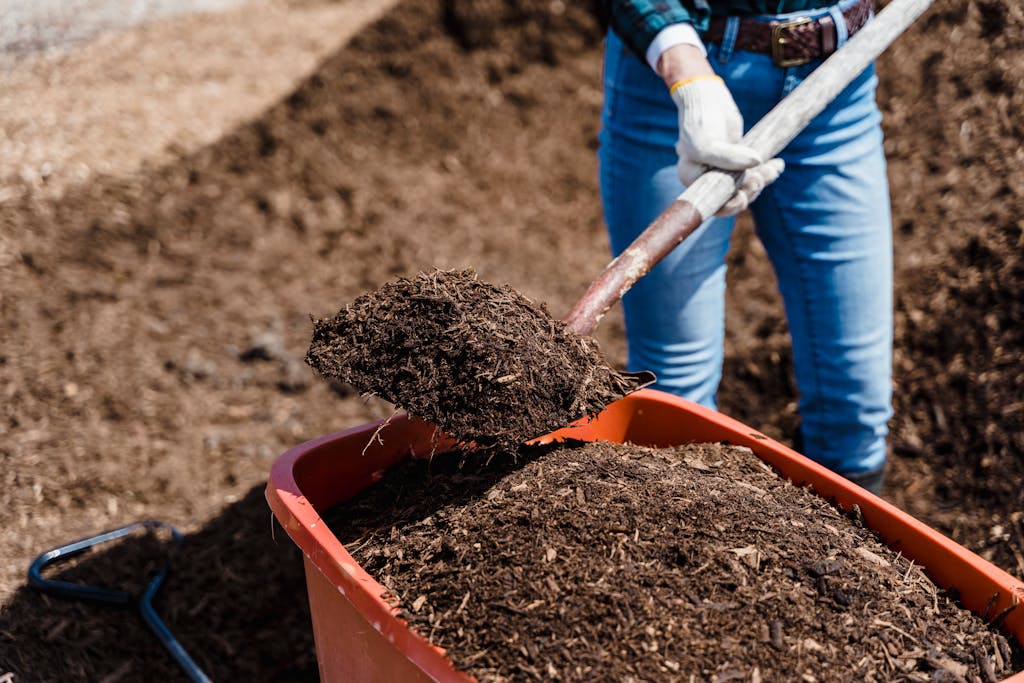
You may believe a bigger hole equals a better start, but excessive depth suffocates roots and disrupts oxygen flow. Plants rely on oxygen around the root zone to stay healthy; burying their crown too deep restricts this vital exchange and can lead to crown rot and other root diseases.
The rule of thumb? Match the planting hole to the height of the plant’s container, leaving just enough space for proper drainage, then fill in loosely amended soil around the roots. This ensures roots get both air and moisture in the right balance.
While it may be tempting to dig a deep, generous hole to “give roots room to grow,” overdoing it backfires by creating pockets of compacted or soggy soil that trap water and suffocate delicate root hairs, slowing establishment and increasing vulnerability to disease; instead, aim for a precise, measured depth that mirrors the container, gently teasing out tangled roots if needed, and surround them with loose, nutrient-rich soil that encourages outward growth, promotes oxygen circulation, and supports steady water absorption, giving the plant a strong, healthy start without risking the hidden dangers of over-planting.
Over‑Fertilizing with Good Intentions
Fertilizer is essential, but too much fertilizer is like feeding a child a three‑course meal at every snack time: confusing, unbalanced, and ultimately unhealthy. Excessive nutrients, especially nitrogen, cause plants to produce lush foliage at the expense of strong roots, flowers, or fruit. Worse, a high concentration of soluble salts near roots can draw moisture out of plant tissues, causing nutrient imbalances and “fertilizer burn.”
Beyond visible leaf burn, over‑fertilization can make plants more susceptible to pests and disease, because excessive growth often outpaces the plant’s natural defenses. Slow‑release formulas and precise application timing help plants grow steadily without shock.
Even when using slow‑release fertilizers, precision is key; scattering nutrients haphazardly or applying too frequently creates hotspots that stress roots and disrupt soil microbiology, reducing the plant’s ability to absorb water and essential minerals efficiently. We should measure carefully, following the recommended rates for each species and adjusting for soil type, rainfall, and plant size, ensuring that nutrients support balanced growth rather than forcing rapid, unsustainable spurts.
By giving plants exactly what they need when they need it, we cultivate strong root systems, resilient stems, and vibrant blooms, all while minimizing environmental runoff and preserving the garden’s long-term health.
Ignoring Seasonal Timing and Frost Risk
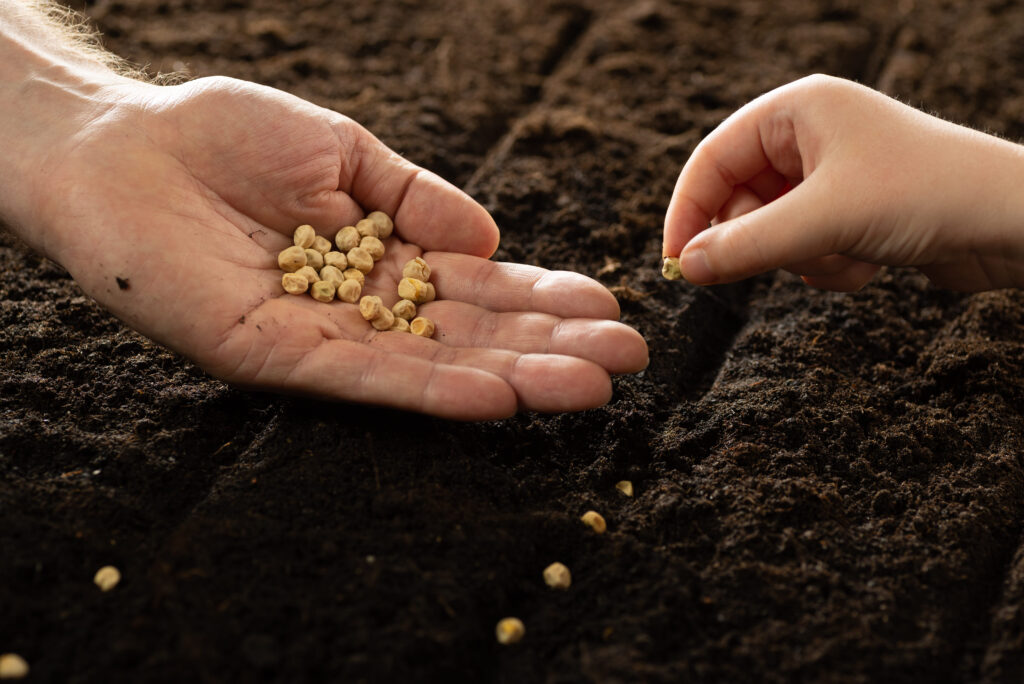
Enthusiasm for spring can backfire when annuals go into the ground too early. Tender seedlings may look resilient in March, but an unexpected late frost can wipe out entire beds overnight. These “early starts” set your garden up for disappointment and expense.
Gardeners should base planting times on local climate cues, such as last frost dates, soil temperatures, and actual seasonal conditions, rather than on calendar dates. Taking a patient approach ensures that roots and shoots emerge in an environment supportive of healthy growth.
Even hardy-looking seedlings can suffer hidden damage from early exposure, with frost‑nipped leaves, stunted growth, and weakened root systems that linger long after the cold has passed. By monitoring soil warmth with a simple thermometer and observing nighttime lows rather than relying solely on charts or folklore, we can identify the precise window when plants transition from vulnerable to resilient.
This patience pays off as seedlings establish strong roots in stable conditions, produce fuller foliage, and flower or fruit on schedule, transforming a cautious start into a thriving, long-lasting garden display.
Over‑ and Under‑Watering
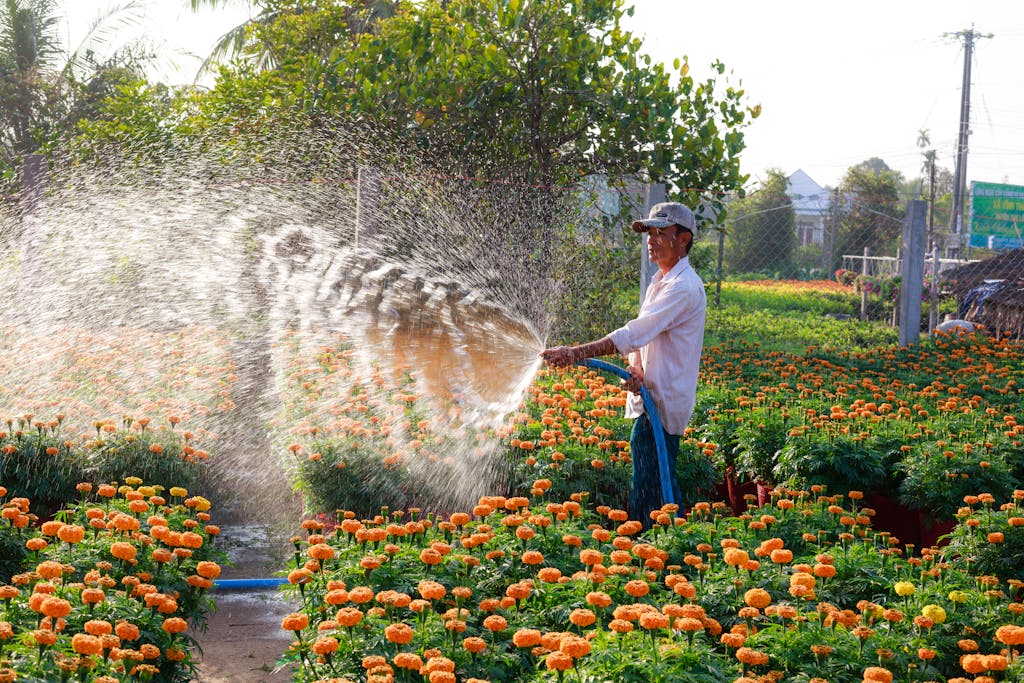
Watering seems like the simplest part of gardening, yet it’s one of the most complex. Too much water suffocates roots and encourages fungal disease; too little water causes dehydration and weak, spindly growth. Both extremes ultimately lead to plant death.
Many gardeners water on a routine rather than responsive care, ignoring plant signals and soil conditions. Moisture needs vary with species, weather, and soil type. Healthy plants thrive on a consistent, balanced watering strategy that responds to real moisture levels, not schedules.
Effective watering requires observation as much as technique; checking soil moisture a few inches below the surface reveals whether roots are truly hydrated or struggling, while noticing leaf color, turgor, and growth rate indicates how plants are responding. Drip irrigation, soaker hoses, or targeted hand-watering allow water to reach roots efficiently without wetting foliage unnecessarily, reducing disease risk. By adjusting the volume and frequency to match seasonal changes, rainfall, and plant maturity, we create a dynamic system where water supports steady growth, robust roots, and vibrant foliage, turning a simple task into a precise tool for healthy, thriving gardens.
Planting Invasive Species

Not all vigorously growing plants are beneficial. Choosing aggressive, non‑native species can undermine your garden’s ecosystem, outcompeting native plants while depriving pollinators and beneficial insects of resources. Some invasive plants spread rapidly, choking out neighbors and altering soil balance.
Horticulturists recommend investing time in research before selecting plants. opt for native or regionally adapted species that support local biodiversity and require less maintenance. This not only protects your garden’s health but also enriches local wildlife habitats.
Even plants that appear low-maintenance or visually striking can cause long-term problems if they dominate aggressively, creating monocultures that deplete nutrients, alter pH, and reduce soil microbial diversity. By prioritizing native perennials, shrubs, and groundcovers, gardeners foster a balanced ecosystem where pollinators, birds, and beneficial insects thrive alongside their plants. Thoughtful plant selection also reduces the need for chemical interventions, conserves water, and encourages natural pest control, turning a beautiful garden into a resilient, self-sustaining habitat that supports both flora and fauna for years to come.
Conclusion
Even well‑meaning routines, such as overzealous mulching, misinterpreting soil needs, or ignoring plant spacing, can contribute to chronic stress in plants. Gardening is an ecosystem: every action has a reaction, and in delicate biological systems, timing, balance, and environmental awareness are everything.
Breaking destructive gardening habits doesn’t require radical change; it just requires mindful practice. Pay attention to weather, soil, plant signs, and timing. When you stop unknowingly harming your plants and start working with their natural rhythms, your garden transforms from stressed and fragile to resilient and vibrant.