AI is not a future concept but a current reality transforming workplaces worldwide. AI is not a future thing; it’s happening all around us in the workplace. Much like the other potential benefits of AI, the promise of increased efficiency, productivity, and innovation is also threatening the job, industry, and financial stability of countless workers in the background. Whereas AI is taking over tasks for humans, such as automated customer service or driving cars, many people still aren’t ready for the change. The impact is not just on salary; experiencing job loss due to AI can have mental health, social, and life purpose implications.
The following article provides 10 examples of how AI can affect your job and your day-to-day life if you’re not ready for it, and the downside of what could happen to you. Whether you’re facing a sudden job loss or prolonged economic instability, it’s important to recognize the risks and protect your future. The scenarios described here are designed to make readers more aware of the need to accept a future in which artificial intelligence could be their means of making a living.
Automation Could Replace Your Job Overnight
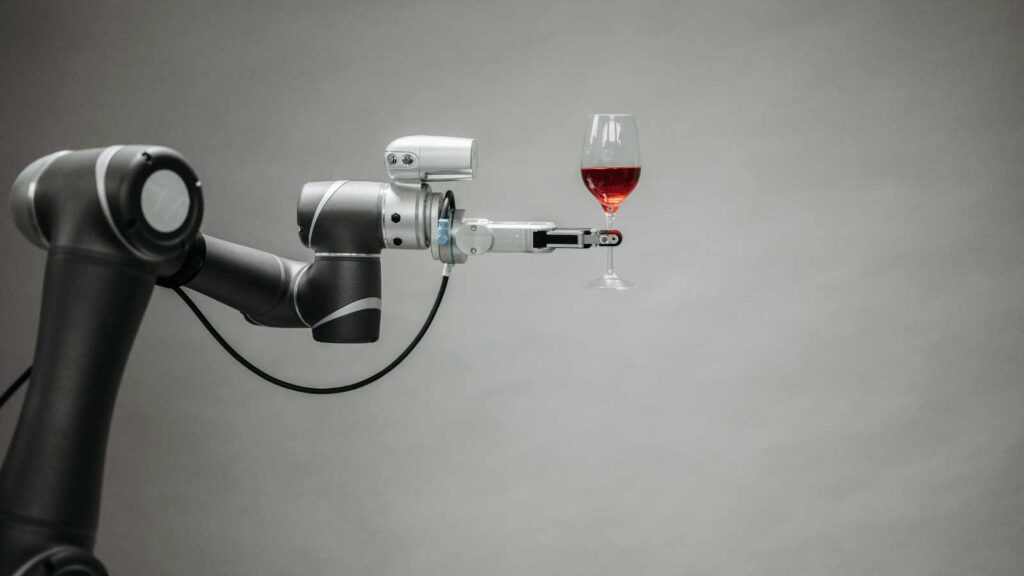
AI is designed to do tasks faster and more accurately than humans, which means entire roles could disappear almost instantly. Jobs in retail, administration, transportation, and even creative industries are vulnerable to automation. For example, cashier roles are being replaced by self-checkout systems and automated kiosks, while customer service chatbots are handling inquiries that humans once handled. Workers who relied on these roles could wake up one day to find themselves unemployed, facing the emotional and financial consequences of sudden displacement.
AI-Powered Software Can Outperform Creative Roles
Even roles traditionally considered “creative” are not safe. AI tools can now write news articles, generate marketing copy, and create digital art, often at a fraction of the time and cost required by a human worker. Copywriters, graphic designers, and content creators may find their projects being produced more efficiently by AI, reducing the demand for human labor. Over time, companies could prioritize AI outputs, leaving human workers struggling to compete in industries they once dominated.
Gig economy jobs are increasingly threatened.
The gig economy, once seen as a flexible alternative to traditional employment, is also at risk from AI. Rideshare companies are testing autonomous vehicles, delivery services are trialing robotic couriers, and freelance platforms are experimenting with AI-generated solutions. Workers who relied on these flexible jobs for income may find themselves without opportunities as AI continues to take over these roles. This shift highlights how AI doesn’t just replace office jobs; it can also eliminate the small-scale, independent work that millions depend on.
Loss of Income Can Trigger a Ripple Effect on Life

The impact of getting fired because of AI is not just about losing your job but about the domino effect this triggers. If someone does not have the income to afford their bills, pay for care, or keep a roof over their head, they may find it difficult to maintain these. Stress and anxiety increase, relationships begin to suffer, and major financial objectives, such as purchasing a home or saving for retirement, become unachievable. AI unemployment is not a standalone phenomenon but a transformative shift that affects life’s emotional, social, and economic aspects.
Skills Quickly Become Obsolete
AI is advancing quickly and outpacing traditional retraining courses. What is needed today might be unneeded or superfluous tomorrow, if machines can do it more effectively. Those who once had a clear career path may realize that they don’t need to learn the same skills to become and stay employed. The possibility of workers going through multiple cycles of jobs and unemployment, with little or no safety nets to fall back on, is a risk if they are not educated or trained to take advantage of new opportunities.
Fewer Job Opportunities, Greater Competition.
With the rise of AI in automating entry-level and mid-tier jobs, humans are being pushed to compete for less common roles that demand more advanced thinking or emotion. This increases competition and lowers wages and worker stress across industries. Experience and education can be no guarantee of adequate compensation or value, since more and more employers are seeking efficiency and cost reduction rather than the contributions of people. The workforce is skewed in favor of employers and machines, leaving workers behind.
AI may minimize interaction between people in the workspace.
Many people appreciate socializing and working together in their jobs. However, AI often replaces these face-to-face interactions with automated processes or virtual interactions. For instance, an AI platform can be used to manage or track human resource activities, customer inquiries, and even team communications. This results in work that is isolating and robotic and eliminates the social component of work, which can lead to a lack of fulfillment and mental well-being.
Job security turns into a myth.
Even within the upper echelon, positions are exempted. AI systems can often make decisions, predict future outcomes, and analyze data more quickly and accurately than a human team, providing valuable assistance to executives, analysts, and managers. This weakens job security, leaving employees at risk of dismissal or redundancy at any time. Being in constant fear of losing a job can have a serious psychological effect on a person and can create chronic stress as well as a lack of faith in institutions that promised secure jobs.
The incidence of mental health challenges increases.

Losing one’s job, cut wages, and facing competition due to AI can lead to psychological tolls that can be devastating. When people feel replaced by machines, they may be depressed and anxious and even feel worthless. These effects can worsen without proper mental health care and impact everything in life. AI’s influence is not limited to the workplace; it also affects mental and emotional well-being, with long-lasting effects after someone leaves their job.
Life after AI replacement may be uncertain and frightening.
The move from human to AI jobs is no simple matter of money; it’s a matter of life and death. When a job, identity, and schedule change, it can be difficult for many employees to find meaning in their work. While retraining programs, unemployment benefits, and career counseling can help, the psychological impact of the job being replaced by a machine is significant. Life after being replaced by AI demands resilience, adaptability, and sometimes even a complete shift in career trajectory.
Conclusion: Adapt or Risk Being Left Behind
The emergence of AI has fundamentally transformed the workforce, with widespread impact. Although some people believe that AI will make work more efficient and innovative, it poses risks for millions of employees who could lose their jobs, their financial stability, and their emotional well-being. It is essential to recognize the signs of an AI takeover and prepare for them. Risks can be reduced by upskilling, adopting a lifelong learning perspective, and keeping an eye on industry developments. Yet the truth is, we need to adapt, or many will find it hard to keep their jobs and maintain meaning in a rapidly evolving world thanks to AI.