Public servants help keep daily life from falling apart. They teach children, inspect restaurants, respond to emergencies, defend people in court, process benefits, and enforce rules that most people only notice when something goes wrong.
Most do honest, exhausting work. Still, public service comes with power, pressure, and access to vulnerable people. When that power is poorly managed, the damage can reach far beyond one bad employee. This highlights the need for responsible oversight, making the audience feel that fairness is essential.
Health inspectors can make or break public safety
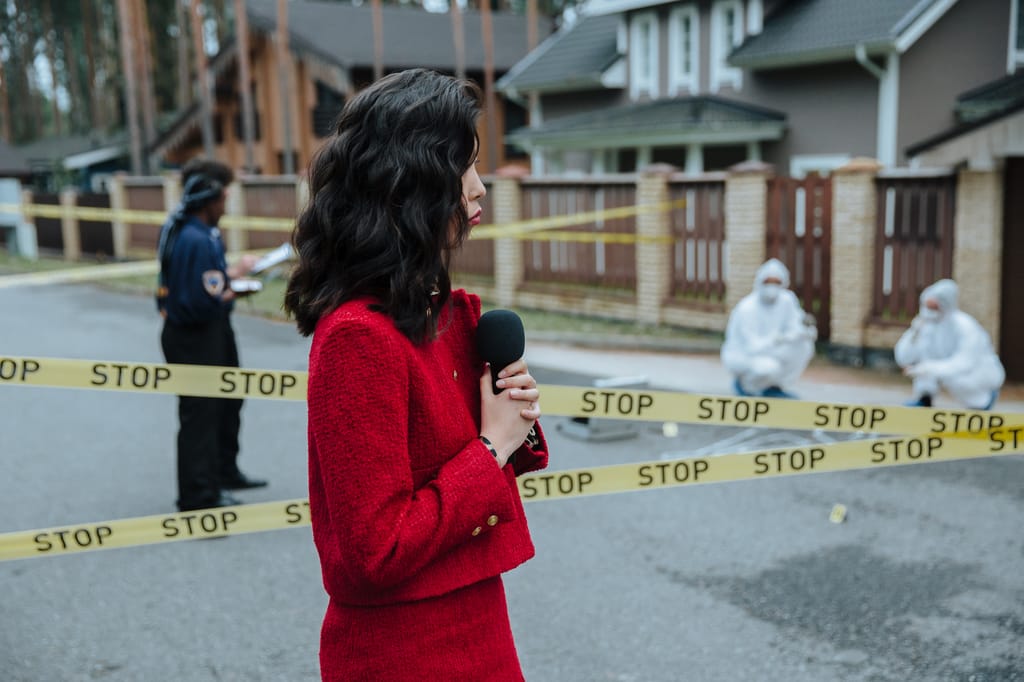
A restaurant can look spotless from the dining room and still hide problems in the kitchen. Health inspectors check food temperatures, storage conditions, cleanliness, pests, equipment, and hygiene practices that customers never see.
That makes weak inspections deeply worrying. If an inspector misses violations, rushes through visits, or looks the other way, people may not know there is danger until they get sick. Food safety should never depend on favors, shortcuts, or luck.
Police mistakes can leave lasting scars
Police officers often step into tense, dangerous situations. Many do brave work under heavy pressure. Still, policing carries enormous authority because officers can stop, search, arrest, use force, and shape how safe people feel in their own communities.
A single mistake can cause serious damage. A wrongful stop, rough arrest, poor crisis response, or careless use of force can change how a person sees the entire system. Trust grows when power is checked, not when it is protected from questions.
Some public workers hold more power than people realize
Not every powerful public servant wears a badge or robe. A benefits officer, housing official, clerk, inspector, or caseworker can make decisions that affect money, shelter, permits, family stability, or business survival.
That kind of power can feel frightening because it often moves quietly through forms, deadlines, and office rules. Effective oversight, audits, and clear procedures are essential to prevent indifference and abuse.
Judges can damage lives from behind the bench

Judges hold quiet but enormous power. Their decisions can affect prison time, custody, bail, eviction, lawsuits, debt, and personal reputation. A courtroom may look calm, but the consequences can be life-changing.
That is why judicial misconduct feels so serious. A biased, careless, cruel, or corrupt judge can harm people who have nowhere else to turn. Courts survive on trust, and that trust disappears when authority becomes untouchable.
Public defenders are often stretched far too thin
The right to a lawyer sounds fair and comforting. But many public defenders handle huge caseloads with limited time and resources. They may be skilled and committed, yet still forced to juggle more cases than any person can reasonably manage.
That matters because defense takes time. Lawyers need to review evidence, speak with witnesses, explain options, and prepare arguments. When that time disappears, people can feel rushed into choices that affect their freedom, their record, their job, and their family.
Emergency help can depend on where you live
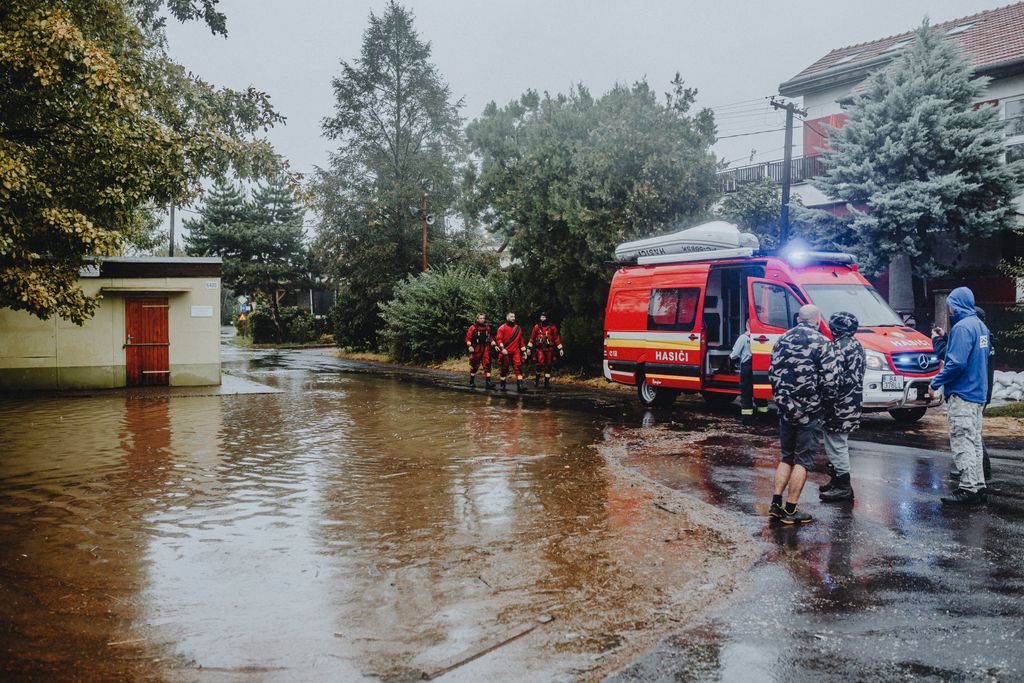
Emergency services are supposed to feel automatic. A fire starts, someone calls, and help comes. But in rural communities, underfunded towns, and stretched cities, response times can be slower because there are fewer stations, fewer workers, and longer distances to cover.
That gap can turn a crisis into a tragedy. A house fire, medical emergency, or break-in feels different when help is too far away. The scary part is not that emergency workers do not care. It is that broken systems can make equal protection feel like a privilege tied to location.
Key takeaway
Public servants are not the enemy. Many carry hard workloads, face public anger, and keep showing up because society depends on them. Emphasizing accountability helps the audience feel reassured that their trust is valued and protected.
But respect should never cancel accountability. Citizens can play a role by demanding transparency, supporting oversight initiatives, and holding public servants responsible for fair, supervised, and answerable service.