Cooking oil is one of those small kitchen choices that can make or break a meal. It affects flavor, texture, heat, and even the kind of fat your body gets from food. The best healthy oils are not all the same, and that is where many people get confused. Some are perfect for frying, others are better for salads, and others should only be added after cooking.
A good oil should match the food, the heat, and the purpose of the meal. Extra virgin olive oil may be the everyday favorite, but it is not the only healthy option worth knowing. Avocado oil, canola oil, sesame oil, walnut oil, flaxseed oil, and grapeseed oil all have their own place in a smart kitchen. Here are seven healthy cooking oils that deserve more attention.
Extra Virgin Olive Oil

Extra virgin olive oil is one of the best oils to keep in any kitchen. It has a rich, slightly peppery taste that works well with vegetables, fish, pasta, beans, eggs, and salads. It is loved because it contains mostly unsaturated fats, which are often linked with better heart health when used in place of heavier saturated fats. It also brings natural flavor, so food tastes fuller without needing too much butter or creamy sauce.
This oil works best for salad dressings, dips, roasting, gentle sautéing, and finishing cooked meals. It can handle everyday cooking, but it should not always be pushed into very high heat. A small drizzle over roasted vegetables or grilled chicken can make a simple plate taste expensive. Extra virgin olive oil is the quiet kitchen classic that keeps proving itself.
Avocado Oil
Avocado oil is the confident choice for people who cook with higher heat. It has a mild taste, so it does not clash with the food’s flavor. That makes it useful for roasting potatoes, searing chicken, stir-frying vegetables, grilling seafood, or cooking eggs. It is also rich in monounsaturated fat, the same type that makes olive oil so popular.
The biggest strength of avocado oil is its heat stability. It can withstand higher cooking temperatures better than many delicate oils, making it practical for busy home cooks. If you want one oil for frying, roasting, and sautéing without a strong flavor, avocado oil is a strong pick. It is usually more expensive than basic oils, but a little goes a long way.
Canola Oil

Canola oil is often overlooked because it sounds ordinary, but it can be a useful, healthy oil when chosen well. It has a neutral flavor, making it ideal for baking, light frying, sautéing, and recipes where you do not want the oil to overpower. It contains mostly unsaturated fats and has less saturated fat than many traditional cooking fats. That makes it a practical option for everyday meals.
Canola oil is especially helpful when you need something simple and affordable. It works in muffins, pancakes, stir-fries, marinades, and homemade dressings. The light flavor lets spices, herbs, garlic, onions, and fresh ingredients shine. It may not feel fancy, but it earns its spot because it is flexible, budget-friendly, and easy to use.
Sesame Oil
Sesame oil is the bold one in the group. It has a nutty flavor that can instantly wake up noodles, rice bowls, stir-fries, soups, marinades, and roasted vegetables. There are two common types: regular sesame oil and toasted sesame oil. Regular sesame oil is lighter and can be used for cooking, while toasted sesame oil is darker, stronger, and better used as a finishing oil.
A few drops of toasted sesame oil can make a meal taste deeper and more exciting. It works beautifully with ginger, garlic, soy sauce, chili, chicken, tofu, cabbage, mushrooms, and noodles. The trick is not to overuse it, as the flavor can quickly dominate. Sesame oil is healthy, flavorful, and powerful, but it likes to be treated like seasoning rather than plain cooking fat.
Walnut Oil
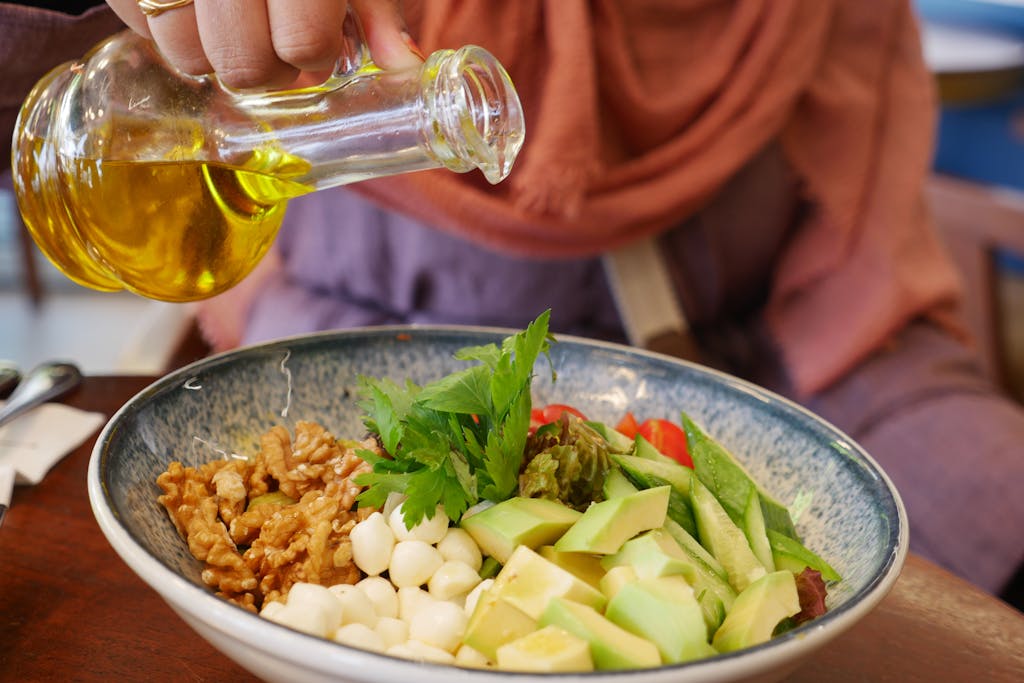
Walnut oil is not the oil to throw into a hot frying pan. It is delicate, rich, and best used cold or at the end of cooking. It has a warm, nutty flavor that pairs well with salads, cooked grains, roasted carrots, steamed green beans, and even simple pasta dishes. It brings a special flavor that makes basic food feel more polished.
This oil is also known for containing omega-3 fats from plant sources. That makes it a smart choice for people looking to add more variety to their fat intake. Because walnut oil spoils more quickly than sturdier oils, it should be stored carefully and used while fresh. Think of it as a finishing touch, not a frying oil. When used well, walnut oil can turn a simple salad into a restaurant-ready dish.
Flaxseed Oil
Flaxseed oil is one of the most delicate healthy oils, and it should not be heated. It is best used in cold foods because heat can damage its quality and ruin its mild, earthy flavor. You can add it to smoothies, yogurt, oatmeal, salad dressings, cooked vegetables after they cool slightly, or grain bowls. It is not flashy, but it has a strong reputation for nutrition.
The main reason people use flaxseed oil is its plant-based omega-3 fat content. This makes it popular with people who want a simple way to add more healthy fats without relying only on fish. Since it is fragile, it should be stored in a cool place, often in the refrigerator after opening. Flaxseed oil is not for every recipe, but for cold meals and quick nutrition boosts, it is a smart bottle to own.
Grapeseed Oil
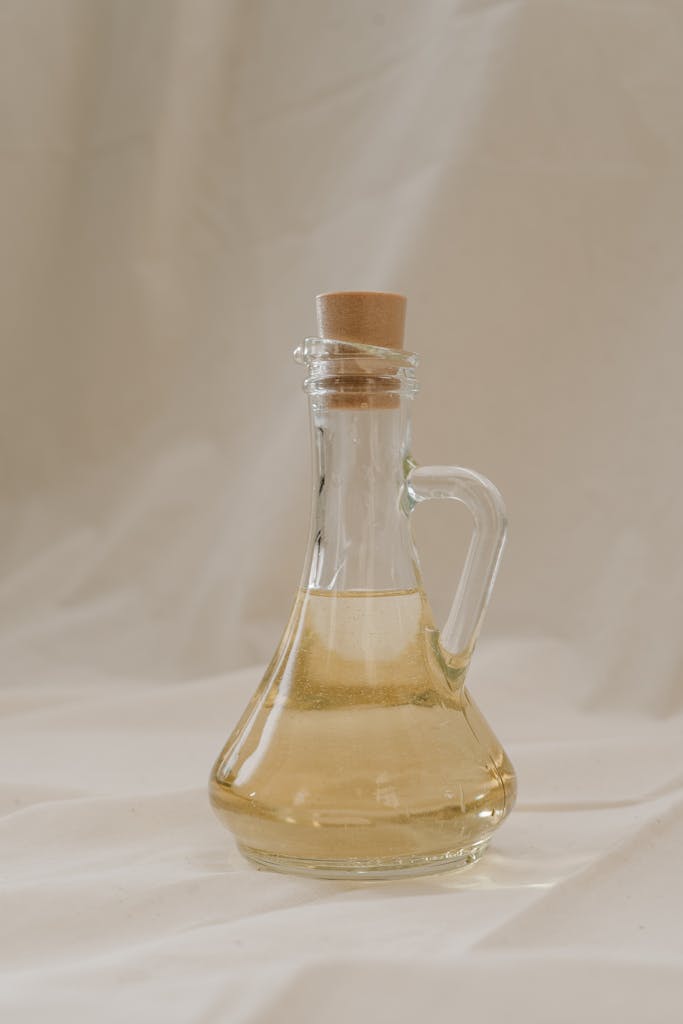
Grapeseed oil is light, clean, and easy to cook with. It has a very mild flavor, so it works well in meals where you want the main ingredients to stand out. It can be used for sautéing, baking, roasting, and homemade dressings. Many cooks like it because it feels lighter than some heavier oils and blends smoothly into sauces.
This oil contains mostly unsaturated fats and can be a useful option when you need a neutral-tasting oil. It works well with chicken, fish, vegetables, eggs, and baked goods. However, it is best to use it in moderation, as with any oil. Grapeseed oil is not the loudest or most famous healthy oil, but it is dependable, versatile, and easy to use in everyday cooking.
Conclusion
Healthy cooking oils are not one-size-fits-all. Extra-virgin olive oil is excellent for everyday meals; avocado oil handles high heat; canola oil keeps things simple; and sesame oil brings bold flavor. Walnut and flaxseed oils work best cold, while grapeseed oil offers a light, neutral option for many recipes.
The real secret is knowing what each oil does best. When you match the oil to the meal, your food tastes better, and your kitchen choices become smarter. A healthy oil is not just about the label on the bottle. It is about how you use it.