The microwave is the unsung hero of the modern kitchen. From reheating last night’s leftovers to softening butter for baking, it saves us precious minutes and rescues meals on busy days. Yet, despite its convenience, microwaves can quickly become dangerous when misused. The real hazards aren’t from radiation, but from heat, steam, sparks, and uneven cooking. Everyday mistakes like heating the wrong container or ingredient can cause burns, fires, and ruined meals. Understanding what not to microwave is essential for safety, food quality, and the protection of your appliance.
Microwave safety experts emphasize that most accidents come from a mix of distraction and misinformation. Small, seemingly harmless habits, such as tossing metal or plastic into the microwave, can have immediate consequences. From containers that melt to food that explodes, the risks are surprisingly common. The good news is that most mistakes are preventable with awareness, proper materials, and a few extra minutes of preparation.
Metal Containers Can Spark and Catch Fire
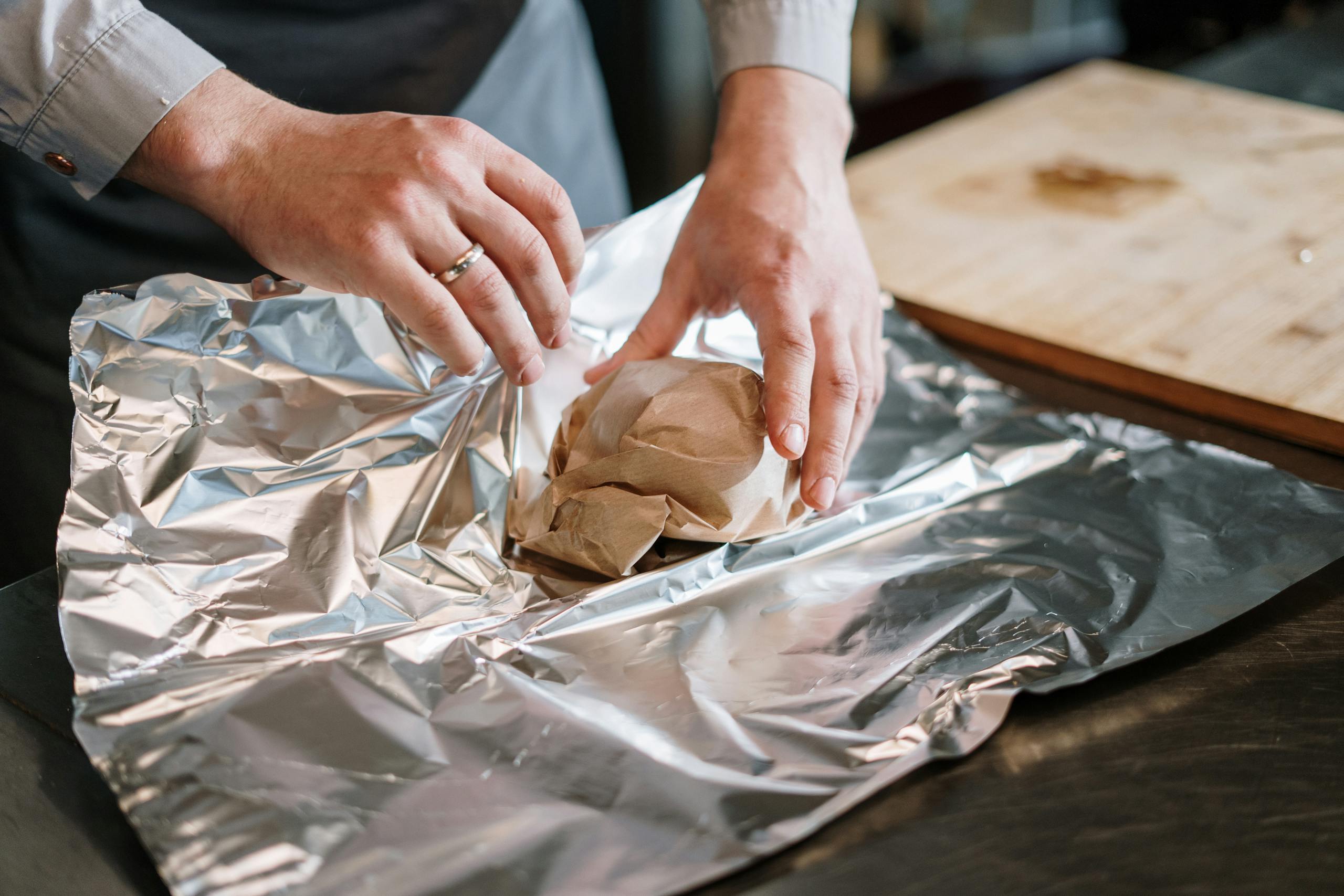
Metal in the microwave is a recipe for disaster. Aluminum foil, takeout trays, or dishes with metallic rims reflect microwaves, creating sparks and intense heat. Sparks can damage the oven, start fires, or leave scorch marks inside. Even small amounts of metal, like twist ties or utensil handles, can cause a mini light show and not the fun kind.
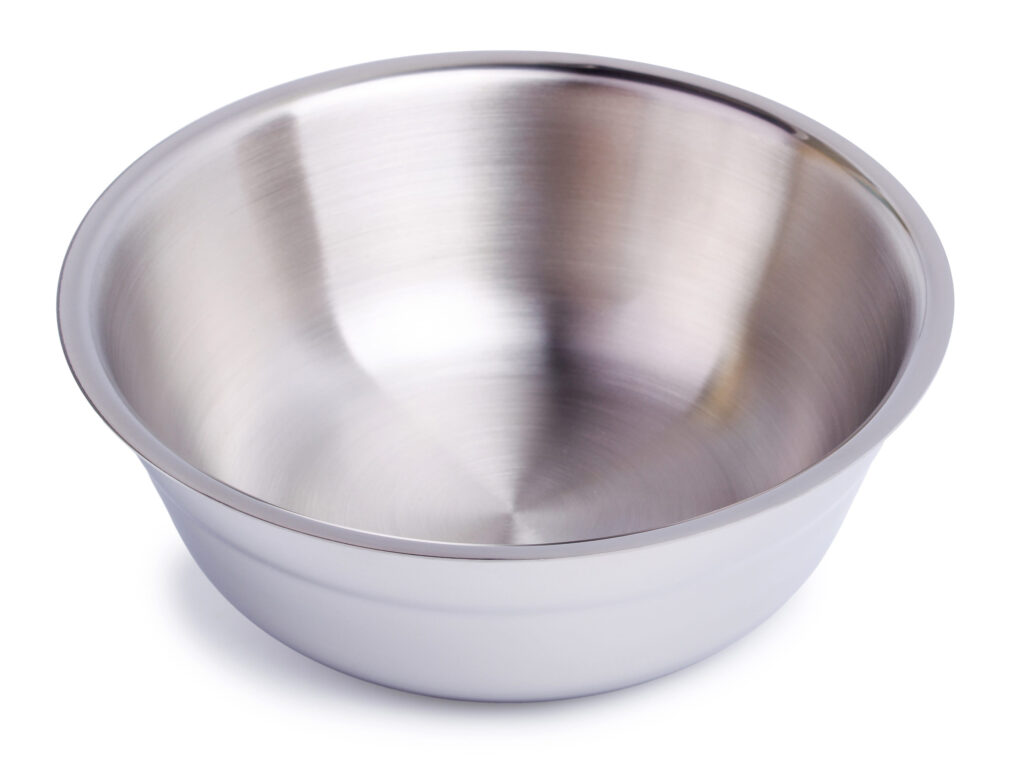
Metal acts like a mirror for microwave energy, preventing it from penetrating food properly. This leads to uneven heating and potential food hazards. Always transfer food to a microwave-safe ceramic or glass dish. For aluminum foil, experts advise only using it in tiny strips to cover food edges, keeping them flat and away from the oven walls. This prevents sparks while still offering protection against overcooking.
Plastic Containers Can Release Harmful Chemicals
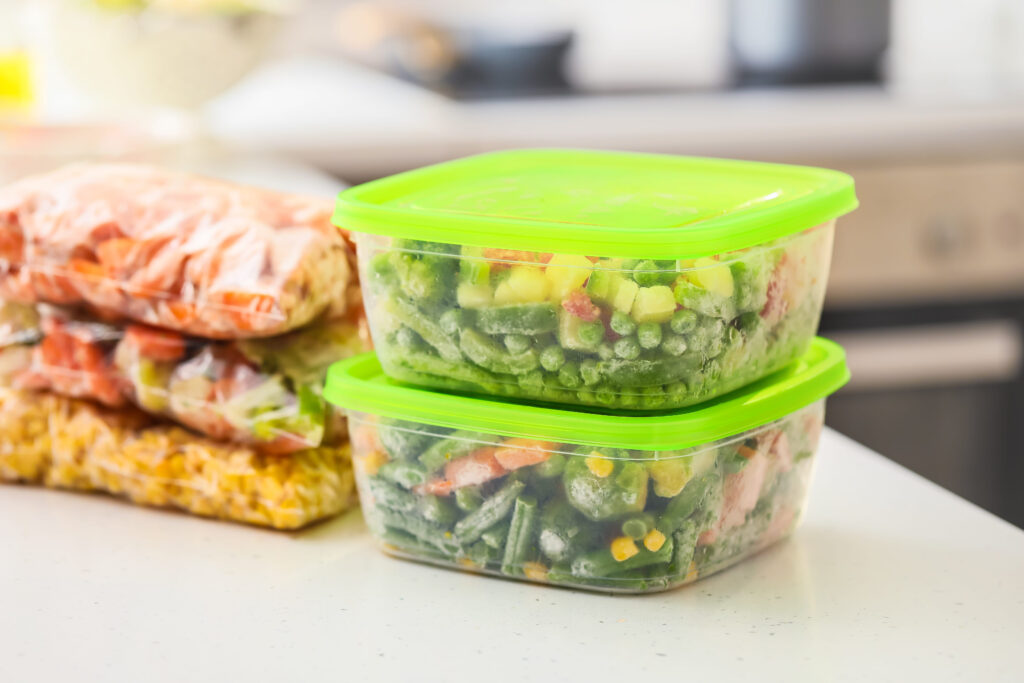
That leftover takeout container may feel safe, but many plastics are not designed for heat. Single-use containers, margarine tubs, and some deli boxes can warp, melt, or leach chemicals when microwaved. High-fat or high-sugar foods increase the risk, as these ingredients can reach temperatures that accelerate container breakdown.
The FDA recommends using containers labeled “microwave-safe.” Glass and ceramic are best, but if you must use plastic, ensure it is sturdy, heat-resistant, and free from cracks or stains. Heating food in unsafe plastic may release substances like BPA or phthalates, which can migrate into your food. Repeated exposure can compromise both health and taste over time.
Styrofoam Can Melt and Contaminate Food
Styrofoam trays and cups are convenient for takeout, but they are not built to withstand microwaves unless explicitly labeled microwave safe. When heated, Styrofoam can soften, collapse, or release toxic chemicals that can mix into your meal.
Hot, oily, or saucy foods are especially problematic. Pizza, curry, pasta, and cheese-heavy dishes can heat unevenly, creating pockets of extreme temperature that warp the foam. Always transfer your food to a microwave-safe plate or bowl to avoid contamination and protect the oven from sticky residue.
Hard-Boiled Eggs Can Explode
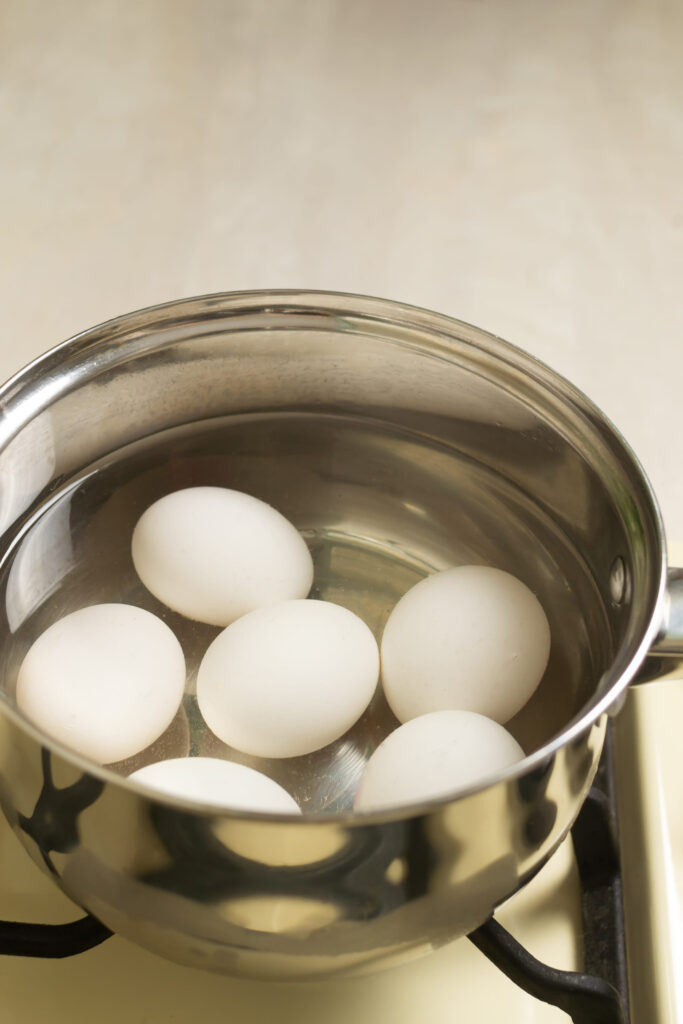
Hard-boiled eggs are small, pre-cooked, and appear harmless, but microwaving them whole is risky. Steam builds inside the egg faster than it can escape, causing it to burst violently. The result? Hot egg fragments can splash onto your skin, clothing, or even the interior of your appliance.
To safely reheat, slice the egg or pierce it gently to release steam. Alternatively, immerse it in hot water for a few minutes instead of microwaving. This simple step prevents sudden explosions while preserving texture and flavor.
Superheated Water Can Erupt
Heating plain water in a microwave might seem safe, but it can become superheated, heated past its boiling point without bubbling. When disturbed, the water can erupt suddenly, potentially causing severe burns. Adding a spoon, a tea bag, or instant coffee can trigger this dangerous reaction.
To avoid injury, never heat water in a clean, smooth cup for more than the recommended time. Allow the water to sit for a few seconds after heating before adding anything. Using a kettle remains the safest option, especially when preparing hot beverages for children or the elderly.
Baby Formula and Breast Milk
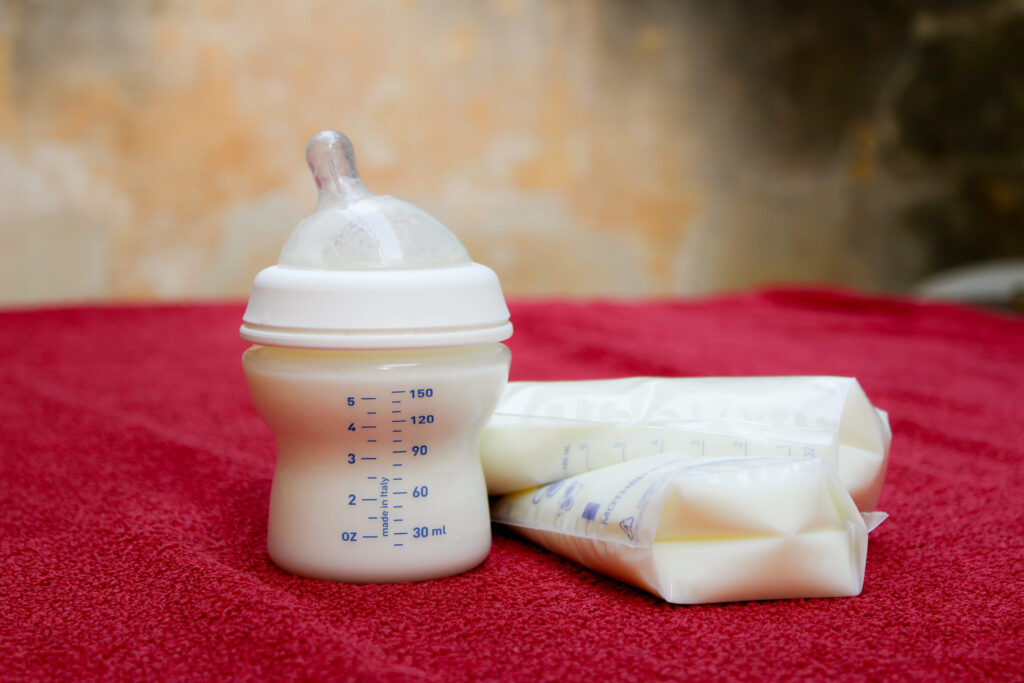
Microwaving infant formula or breast milk can create hot spots that burn delicate mouths. Uneven heating is common, even when the bottle feels lukewarm on the outside. Microwaving may also degrade essential nutrients, thereby reducing the milk’s health benefits.
The CDC and FDA recommend warming bottles in a bowl of warm water instead. Shake and test a few drops on your wrist before feeding to ensure the liquid is safe. Avoid microwaving entirely if possible; slow, even warming preserves both nutrients and taste.
Chili Peppers Can Irritate the Air
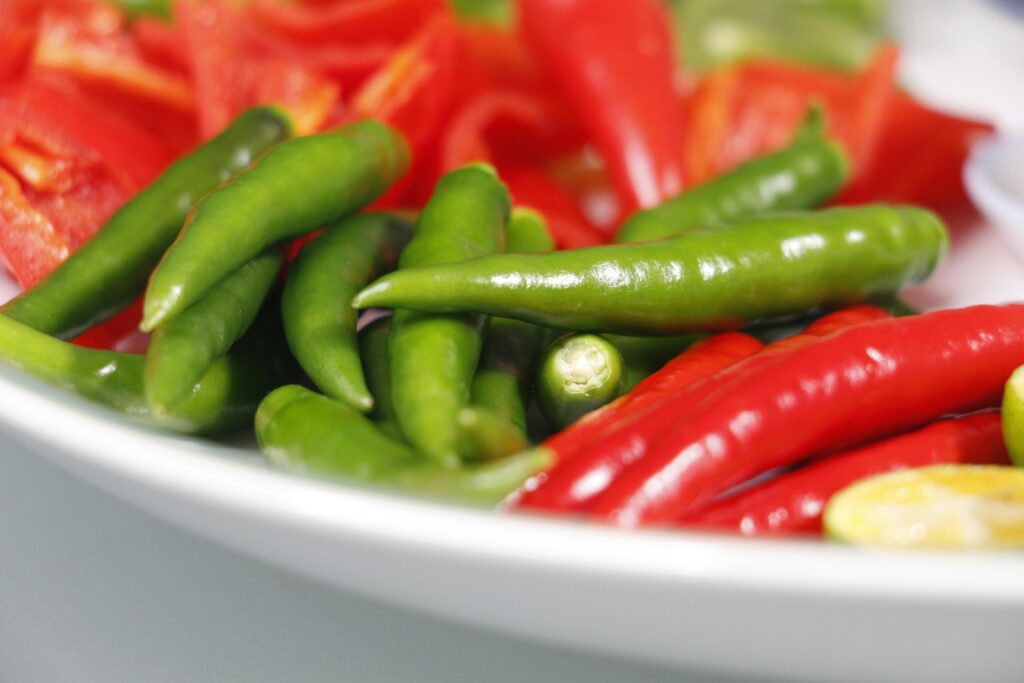
Microwaving hot chili peppers releases capsaicin into the air, which can irritate the eyes, nose, and lungs. Enclosed microwaves can amplify these fumes, leaving your kitchen uncomfortable or even causing coughing fits.
Safer alternatives include roasting, sautéing, or simmering peppers on the stove. This method infuses dishes with flavor without creating airborne irritation. For extremely hot peppers, gloves and proper ventilation are recommended.
Grapes Can Spark and Damage the Microwave

Whole grapes are deceptively dangerous in the microwave. Their size, moisture content, and skin structure can cause sparks, flames, or even plasma balls inside the oven.
The USDA warns that microwaving grapes can damage the appliance and pose a fire hazard. Instead, enjoy grapes cold, roast them in the oven, or heat them safely within dishes where moisture and space are controlled.
Tomato Sauce and Thick Liquids
Thick tomato sauces, stews, and gravies can erupt unexpectedly. Steam builds below the surface, creating pressure that causes splattering. This can make a mess or cause burns if handled too quickly.
Use a vented microwave-safe lid and stir halfway through heating. Heating in short bursts while stirring reduces the risk of sudden eruptions. Always give food a few seconds to settle before removing it from the microwave.
Empty Microwaves
It may seem obvious, but running a microwave empty can damage the appliance. Without food to absorb the energy, microwaves reflect inside the oven, potentially harming components or causing a fire.
Always ensure there is something inside the microwave before starting it. Even a small cup of water prevents energy from reflecting dangerously. Manufacturers explicitly warn against running microwaves empty for more than a few seconds.
Conclusion
Microwaves are powerful tools that save time, but their convenience comes with rules. Avoiding metal, unsafe plastics, Styrofoam, whole eggs, superheated water, baby bottles, spicy fumes, grapes, thick sauces, and empty operation keeps both food and appliance safe.
Small preparation steps using microwave-safe containers, vented lids, stirring, and short heating intervals make a huge difference. With proper use, the microwave remains your kitchen ally, safely and efficiently reheating meals.