Sitting feels harmless because almost everyone does it. We sit at work, in traffic, at the dinner table, on the couch, and in front of screens. After 30, and especially after 40, the body may start sending small signals that it wants more movement.
The problem is not sitting for a short rest. The problem is sitting for long hours with very few breaks. Health groups link too much sitting and low activity with higher risks for heart disease, type 2 diabetes, some cancers, and early death.
Your Back Feels Tight Before The Day Is Over

A sore back can be one of the first signs that your body is tired of sitting. When you sit too long, your back, hips, and neck stay in the same position for hours. That can make your muscles feel stiff, weak, or achy.
This can happen even when your chair looks comfortable. Your body was made to move, bend, stretch, and stand. Harvard Health notes that long sitting is linked with back pain, poor posture, and muscle loss, especially when it becomes a daily habit.
Your Legs Feel Heavy Or Swollen
Your legs need movement to help blood flow well. When you sit too long, your legs stay still. That can make them feel heavy, puffy, or tired.
Long sitting can also raise concern about blood clots, especially during long car rides, flights, or hours at a desk. Better Health explains that deep vein thrombosis can happen when a clot forms in the leg, and it can become serious if part of the clot travels to the lungs.
You Feel Tired Even After Doing Almost Nothing
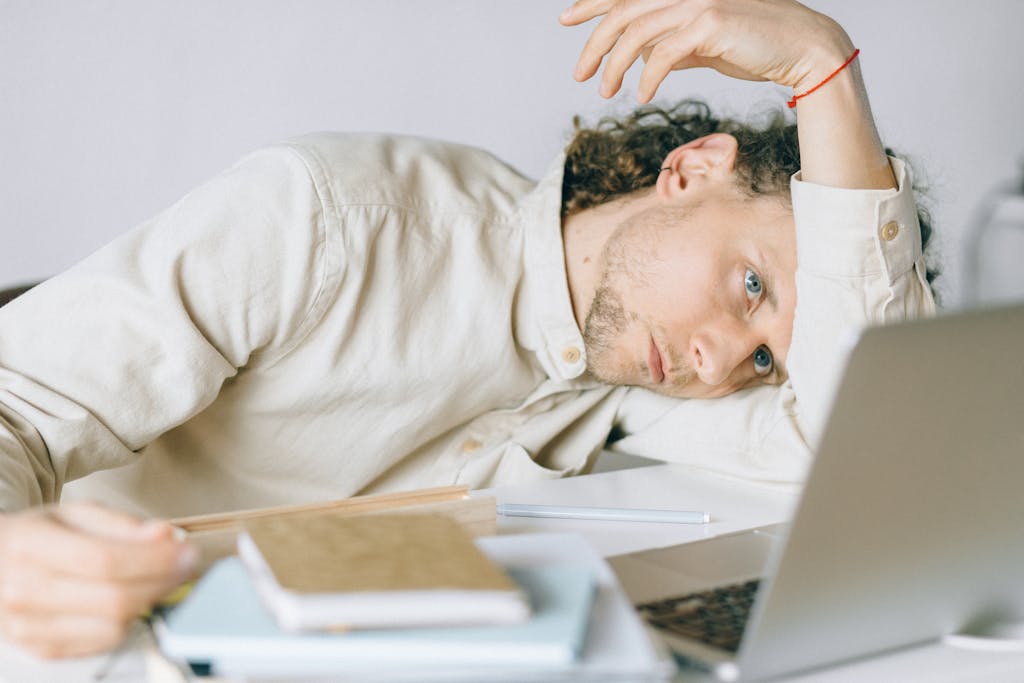
Sitting too much can make you feel more tired. Your body may feel slow because your muscles are not being used enough. Your brain may also feel foggy after hours of screen time and little movement.
A short walk can help wake the body up. The CDC says physical activity can support thinking, learning, sleep, and mood as people age. That means movement is not just about weight. It also helps your energy and mind.
Your Weight Creeps Up Around The Middle
Many adults notice this after 30. The belly feels softer, clothes fit tighter, and the scale moves up even when meals have not changed much. Sitting for long hours can be part of that slow shift.
When the body sits too much, it burns less energy. The NHS explains that prolonged sitting may slow metabolism, affecting how the body controls blood sugar, blood pressure, and fat breakdown.
Your Blood Pressure Or Blood Sugar Starts Acting Up
You may not feel high blood pressure right away. You may not feel a rise in blood sugar right away, either. That is what makes this warning sign tricky.
Too much sitting can quietly affect the systems that keep the heart and blood vessels healthy. The American Heart Association says sitting too much and being inactive are linked with higher risks of heart disease and type 2 diabetes.
Your Mood Feels Flat Or Restless

Sitting too much can affect more than your back and legs. It can also affect how you feel. Long hours in one spot may leave you restless, bored, low, or easily annoyed.
Movement gives the brain a reset. Even a few minutes of walking, stretching, or standing can break up the heavy feeling. The CDC notes that regular physical activity can reduce the risk of depression and anxiety and help adults sleep better.
The Simple Fix Is To Break The Sitting Spell
You do not need to become a gym person overnight. You need to stop letting your body stay frozen for hours. Stand up during phone calls, walk for a few minutes after meals, stretch your hips, or set a reminder to move every 30 to 60 minutes.
Mayo Clinic notes that people who sat more than eight hours a day with no physical activity had health risks similar to those linked with obesity and smoking. Still, moderate activity helped offset the effects of too much sitting.
Conclusion
Sitting is part of modern life, but too much of it can make the body feel older than it is. A tight back, heavy legs, low energy, belly weight, rising health numbers, and a flat mood are all signs worth noticing.
The goal is simple. Sit less, move more, and break up long stretches of inactivity before they become your norm. Your body does not need perfection. It just needs more chances to move every day.