A hydro garden can look like a little green paradise at sunset and a plant emergency by morning. One evening, the lettuce is standing tall, the basil smells fresh, and the roots look busy doing their quiet underground work. Then the next day, the leaves sag, the stems soften, and the whole setup looks like it lost a fight in the dark.
That sudden collapse is what makes hydroponics feel so unforgiving. Soil gardens usually give growers more time to notice trouble because soil acts like a cushion. Hydro gardens do not offer that same mercy. The roots sit directly in water, nutrients, oxygen, light, and temperature changes, so one small problem can race through the entire system before breakfast.
The Roots Quietly Run Out of Oxygen
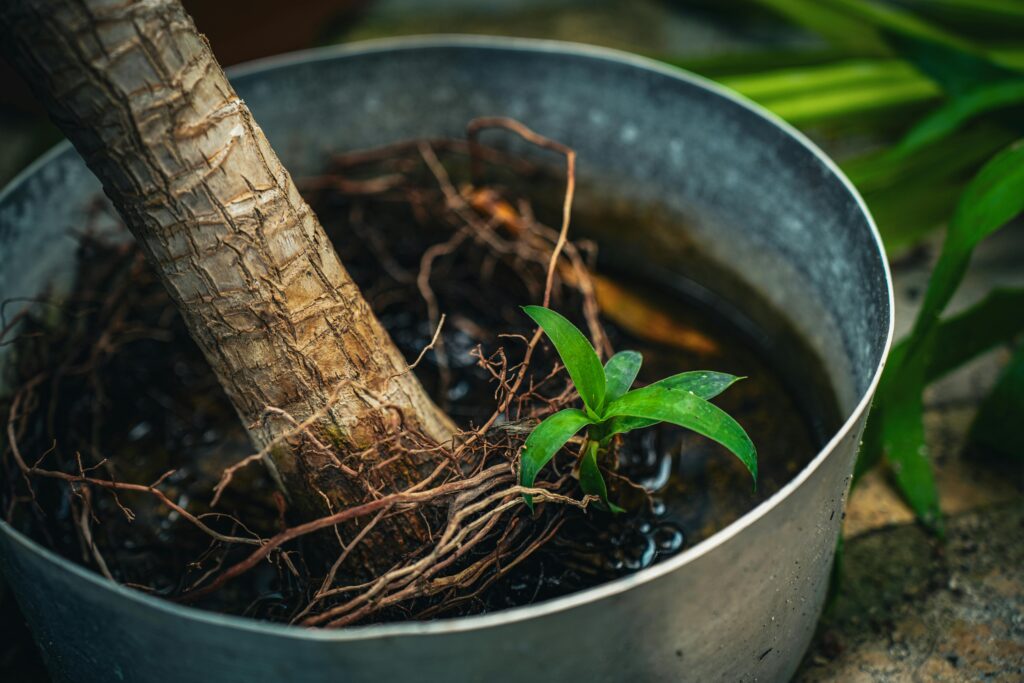
Most people think plants only need water and light, but roots also need oxygen. In hydroponics, roots depend on air stones, pumps, falling water, or steady circulation to keep the nutrient solution alive and breathable. Once that oxygen drops, the roots begin to suffocate, even if the reservoir is full.
This is why a plant can look thirsty while sitting in water. The issue is not always a lack of water. It often lacks air around the roots. If an air pump slows down, tubing bends, or an air stone clogs overnight, the plants may wake up limp, dull, and weak.
The scary part is that this problem does not always announce itself loudly. A pump may still make noise, but not enough oxygen may be reaching the roots. By the time the leaves droop, the underground damage has already started.
Warm Water Turns the System Against the Plants
A warm reservoir can quietly ruin a hydro garden. Water that gets too warm holds less oxygen, which means the roots lose the air support they need. That one change can stress the entire garden fast.
Heat often sneaks in from grow lights, sunny windows, hot rooms, or enclosed grow tents. The grower may focus on leaf color or nutrient strength, while the real danger sits in the reservoir. When the root zone gets too warm, plants struggle to drink, breathe, and defend themselves.
Warm water also invites root disease. Bad microbes love the same stale, warm, low-oxygen conditions that plants hate. That is why a hydro garden may look healthy during the day but collapse after one hot night.
The pH Slips Out of Balance.
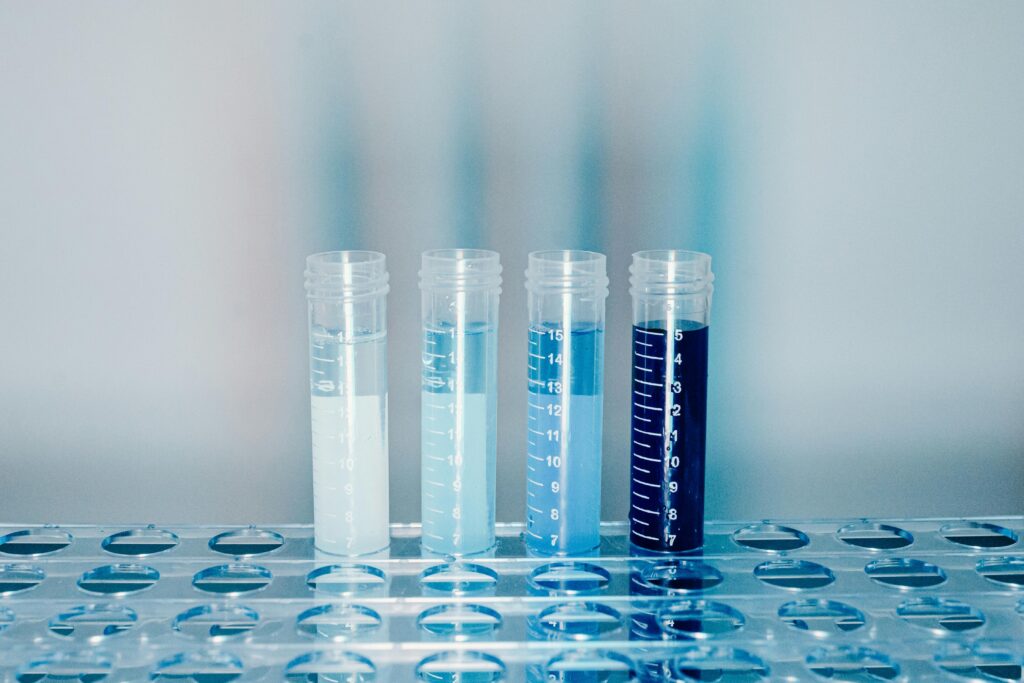
pH may sound like a boring science class word, but in hydroponics, it controls whether plants can actually use their food. The nutrients may be in the water, but the plant cannot properly absorb them if the pH is too far out of range. That is when a full reservoir can still produce hungry-looking plants.
This problem is called nutrient lockout. Leaves may turn yellow, curl, spot, or stop growing, even though the grower has added fertilizer. The plant is not being dramatic. It is stuck in water filled with food it cannot take in.
The biggest mistake is adding more nutrients before checking pH. That only makes the solution stronger and more stressful. A simple pH problem can turn into root burn, salt stress, and sudden plant collapse.
The Nutrient Mix Gets Too Strong
Hydro gardens do not reward the grower who thinks more fertilizer means faster growth. Too much nutrient strength can burn roots and make it harder for plants to absorb water. The result looks strange because the plant wilts even though it is surrounded by liquid.
This usually happens when water evaporates, but minerals stay behind. The reservoir level drops, yet the nutrient concentration rises. If the grower keeps adding nutrient solution instead of plain water at the right time, the mix can become too harsh.
Young plants suffer the fastest. Seedlings and fresh transplants cannot handle the same feeding strength as mature plants. One strong feeding can leave them curled, scorched, and stunned by morning.
A Hidden Clog Stops the Flow
Hydroponic systems depend on movement. Water must circulate, nutrients must reach the roots, and oxygen must keep moving through the system. When a line clogs or a pump filter blocks, the garden can decline quickly.
Clogs can come from algae, loose growing medium, dead root pieces, mineral buildup, or cheap tubing that bends too easily. One blocked drip line may starve one plant. A bigger blockage may affect the whole system.
This is one reason hydro gardens sometimes fail unevenly. One plant may droop, another may yellow, and another may still look fine for a few hours. The system is no longer feeding every root zone equally, so the plants react at different speeds.
Root Rot Spreads Through Shared Water
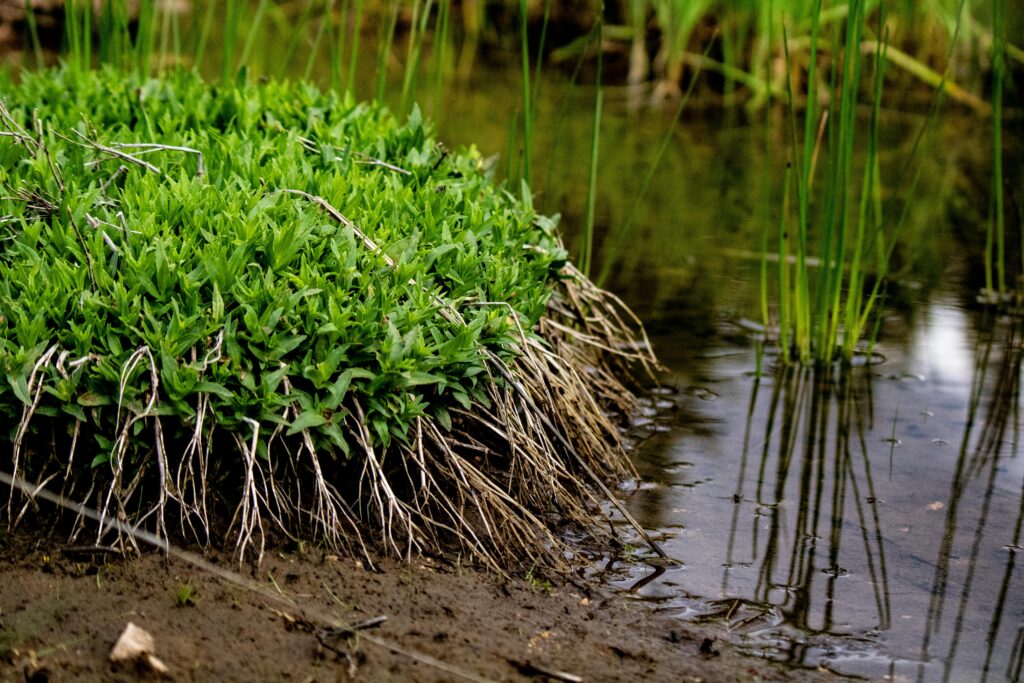
Root rot is one of the most alarming hydroponic problems because it travels easily. In soil, a sick root zone may persist around a single plant for a while. In hydroponics, shared water can carry trouble through the reservoir, channels, pumps, and tubes.
Healthy roots usually look pale, firm, and clean. Sick roots may turn brown, slimy, tangled, and sour-smelling. The leaves often droop even when the system has enough water and nutrients because damaged roots can no longer do their job.
This is where hydroponics can feel brutal. The disease may build quietly below the surface for days. Then the roots lose too much function at once, and the leaves suddenly look like they gave up overnight.
Light Stress Pushes Weak Plants Over the Edge
Light can help a hydro garden thrive, but too much of it can punish plants that are already stressed. Grow lights placed too close can dry, curl, or scorch leaves. Weak lights can create pale, stretched plants that never build enough strength.
The real danger appears when light stress combines with root stress. A plant with warm water, low oxygen, or poor pH cannot handle intense light well. The leaves lose moisture faster than the roots can replace it.
That is why sudden lighting changes can create sudden problems. A stronger lamp, longer light schedule, or lower fixture may seem helpful, but stressed plants need balance before intensity. Hydro gardens grow best when the roots and leaves can keep up with each other.
Dirty Equipment Creates a Slow Disaster
A dirty hydro system can look harmless until it becomes a problem. Old nutrient film, algae, dead roots, and residue inside tubes can create a perfect hiding place for disease. The reservoir may look fine from above, while the system is dirty where it matters most.
Hydroponics lacks soil to buffer every mistake. The grower becomes the manager of the entire root environment. If dead plant matter sits in the reservoir or light reaches the nutrient-rich water, algae and harmful microbes can grow quickly.
Clean systems are more stable systems. Removing dead leaves, blocking light from the reservoir, rinsing equipment, and checking pumps can prevent many overnight failures. It may not be the most exciting part of gardening, but it is often what keeps the plants alive.