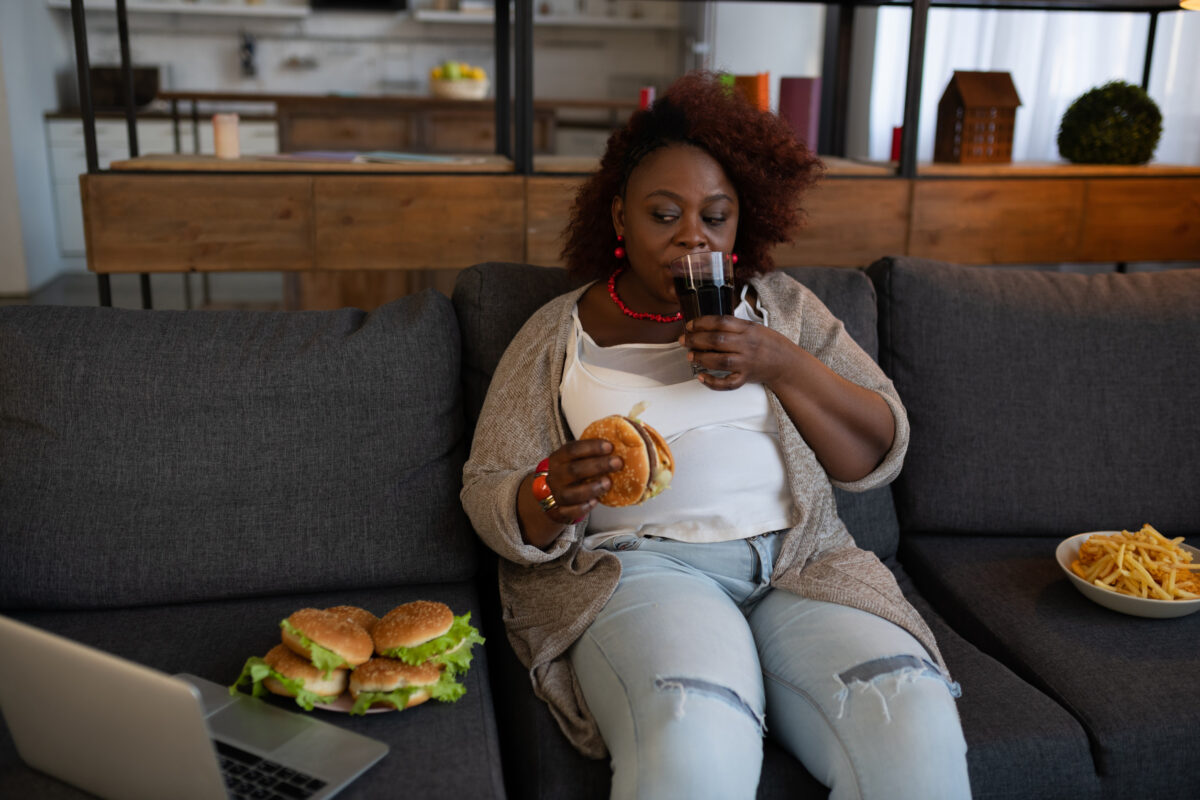
Late-night hunger has a sneaky way of sounding harmless. One minute, we are brushing our teeth, closing the laptop, and convincing ourselves the day is finished. The next minute, we are standing in front of the refrigerator, eating cold leftovers by the glow of the kitchen light, as if the snack were somehow calling our name.
The problem is not that food after sunset is automatically dangerous. Life gets busy, schedules shift, and some people work late hours. The real issue begins when late-night eating becomes a pattern built around heavy meals, sugary snacks, emotional cravings, and lying down too soon after eating. Over time, these small habits can disrupt sleep, digestion, blood sugar balance, weight management, and overall energy levels.
We often think about what we eat, but we do not always think about when we eat. The body follows a natural rhythm, and nighttime is usually when digestion slows, sleep hormones rise, and the body prepares to repair itself. When we keep feeding it large portions, greasy foods, caffeine, alcohol, or sugar close to bedtime, we force it to keep working when it should be winding down.
Eating Heavy Meals Too Close to Bedtime
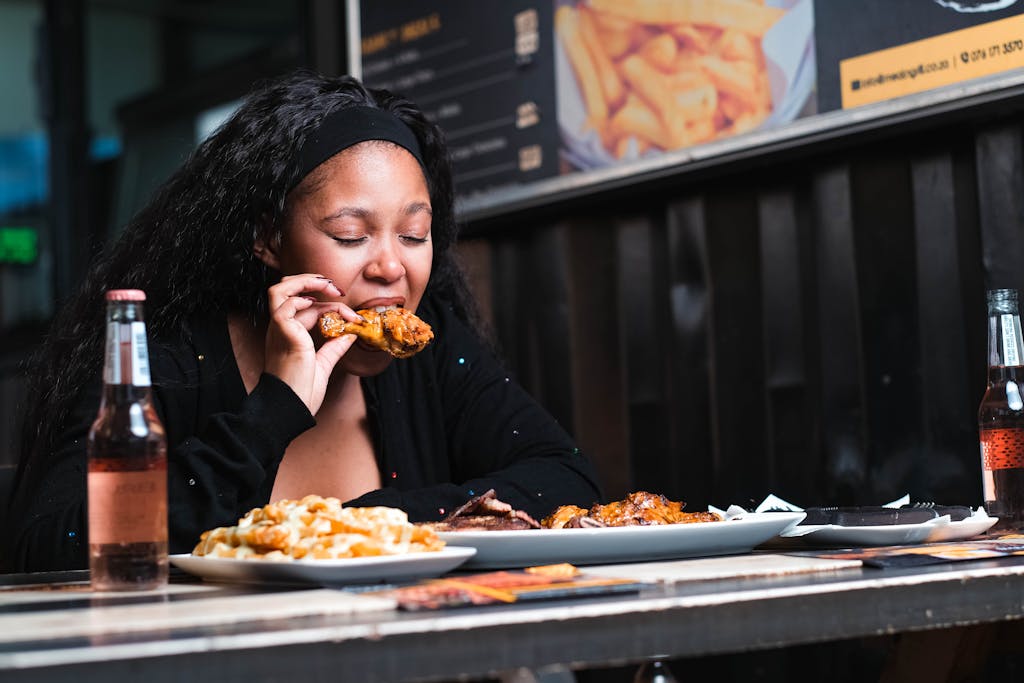
A large dinner late at night can feel comforting, especially after a long day of work, errands, stress, and skipped meals. We may tell ourselves we deserve a full plate because we barely ate earlier. But when we eat a heavy meal close to bedtime, the body has to digest it while we try to sleep, which can leave us tossing and sweating, bloated, or waking up tired.
Heavy meals often take longer to move through the stomach, especially when they include fried foods, red meat, creamy sauces, cheese, or large portions of refined carbohydrates. Lying down too soon can also make it easier for stomach acid to move upward, which may trigger heartburn, coughing, sour taste, or chest discomfort. Even when the meal tastes satisfying, the night that follows may feel restless.
A better evening pattern starts earlier in the day. When we eat balanced meals at breakfast, lunch, and dinner, we are less likely to feel desperate for a giant plate at night. A lighter dinner that includes lean protein, vegetables, whole grains, and healthy fats can still feel filling without overwhelming digestion before bed.
Turning Late Night Snacking Into a Daily Ritual
A small snack at night is not always a problem. The trouble begins when late-night snacking becomes automatic. We finish a show and reach for chips. We answer emails and grab cookies. We scroll through our phones and suddenly notice an empty bowl beside us.
This habit can quietly increase daily calories without much awareness. Snack foods eaten at night are often calorie-dense and low in fiber, making them easy to overeat and rarely satisfying for long. Chips, pastries, candy, ice cream, crackers, and sweet drinks can turn a normal day of eating into a high-calorie day before we even realize it.
The goal is not to shame those who are hungry. If we are truly hungry, a planned snack can be reasonable. The smarter move is to choose something that supports the body rather than feeding cravings. Greek yogurt, a boiled egg, a small bowl of oatmeal, fruit with nut butter, or a handful of nuts can satisfy hunger without causing the same blood sugar spike and crash that sugary snacks do.
Choosing Sugary Foods When the Body Wants Rest
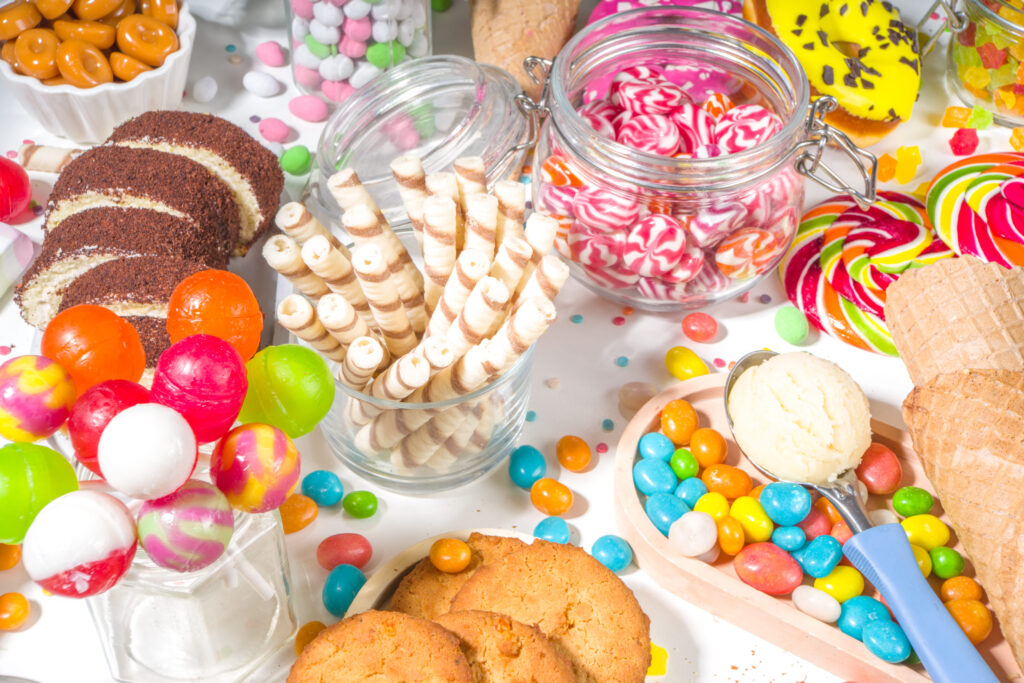
Late-night sugar has a special kind of appeal. It feels quick, emotional, and instantly rewarding. A cookie, soda, a bowl of sweet cereal, or a slice of cake can feel like a tiny celebration after a draining day. Unfortunately, the body may not handle that sugar as smoothly at night as it does earlier in the day.
Sugary foods can raise blood sugar, and that rise may be followed by a drop that leaves us waking up hungry, restless, or foggy the next morning. For people with insulin resistance, prediabetes, diabetes, or a family history of blood sugar problems, frequent late-night sugar can be especially unhelpful. It trains the body into a cycle in which cravings occur at the same time every night.
We can soften this habit by making the evening less dependent on food as a reward. A warm shower, herbal tea, stretching, reading, or a calm bedtime routine can replace the emotional comfort that sugar often provides. When something sweet still feels necessary, a small portion of fruit or yogurt with cinnamon gives the mouth a hit of sweetness without turning bedtime into a dessert routine.
Using Food to Cope With Stress, Loneliness, or Boredom
Late-night eating is often not about hunger. It is about silence. The house gets quiet, the phone gets louder, and the mind starts replaying everything that went wrong during the day. Food becomes a quick way to soften stress, fill boredom, or distract from emotions we do not want to sit with.
This pattern can become difficult because it teaches the brain to connect bedtime with eating for comfort. We may start craving food whenever we feel anxious, lonely, angry, or overstimulated, even if our stomachs are not asking for anything. Over time, emotional eating can create guilt, poor sleep, digestive discomfort, and a cycle of trying to “do better tomorrow.”
A healthier approach begins with pausing before we eat. We can ask, “Am I hungry, or am I overwhelmed?” If the answer is emotional, the body may need something different. Journaling, calling someone, taking a slow walk, breathing deeply, or setting tomorrow’s plan on paper can reduce the urge to use food as a nightly escape.
Drinking Caffeine Too Late in the Evening

Caffeine is not only found in morning coffee. It hides in evening lattes, energy drinks, cola, black tea, green tea, chocolate, and some pre-workout products. When we take caffeine too late, we may still fall asleep, but the quality of that sleep can suffer.
Caffeine can stay active in the body for hours. That means an evening cup may still be working while we are trying to drift into deep sleep. The result can be lighter sleep, more waking, faster thoughts, and a morning that feels heavier than it should. We may then reach for more caffeine the next day, creating a loop that keeps repeating.
We can protect sleep by setting a caffeine boundary. For many people, cutting caffeine after the afternoon makes a noticeable difference. Evening drinks can shift toward water, caffeine-free herbal tea, warm milk, or decaf options. The goal is to let the nervous system slow down instead of asking it to stay alert when the body is ready for rest.
Pairing Late Night Meals With Alcohol
Alcohol can make us feel sleepy at first, which is why some people use it as a nightcap. The problem is that feeling sleepy is not the same as getting good sleep. Alcohol can disturb sleep later in the night, increase bathroom trips, worsen snoring, and make reflux more likely when paired with heavy meals.
Late-night drinking can also weaken food choices. We may eat more than planned, choose saltier or greasier foods, or ignore fullness signals. Pizza, wings, fries, burgers, and chips often become more tempting after alcohol. That combination can leave the stomach heavy, the throat irritated, and the next morning uncomfortable.
We do better when alcohol is not part of the bedtime routine. If we choose to drink, having it earlier, keeping it moderate, and avoiding heavy late meals can reduce some of the discomfort. Hydration also matters. Water between drinks and a balanced dinner earlier in the evening can prevent the late-night spiral of alcohol, cravings, poor sleep, and morning regret.
Lying Down Right After Eating
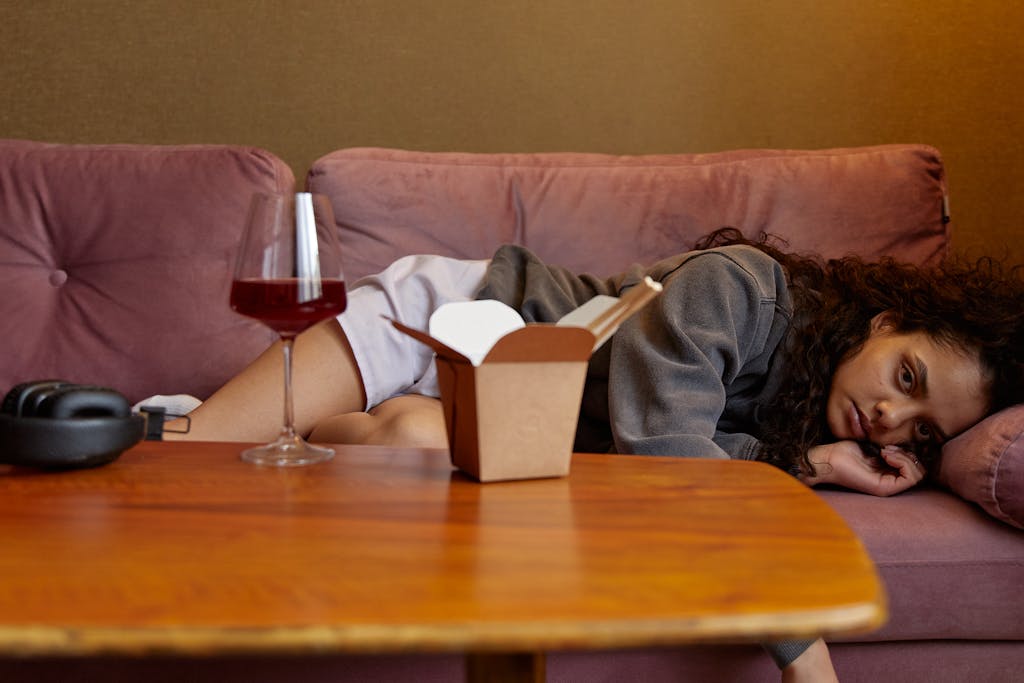
This is one of the simplest habits to overlook. We eat, feel tired, and head straight to bed or the couch. It feels natural because fullness can make us sleepy. But lying down immediately after eating can make digestion harder and increase the chance of acid reflux.
Gravity helps keep stomach contents where they belong. When we lie flat too soon, that support disappears. People who already deal with heartburn, indigestion, chronic cough, sour burps, or throat irritation may notice symptoms more often after late meals. The discomfort can wake us up or make it harder to settle into deep sleep.
A practical fix is to build a buffer between dinner and bed. We can use that time for light movement, cleaning the kitchen, preparing clothes for the next day, reading, or taking a calm walk. The point is not intense exercise. It is simply giving the body time to begin digestion before we ask it to sleep.
Healthier Late Night Eating Choices That Support Better Sleep
Late-night eating does not have to disappear completely. The healthier goal is to make it intentional. If hunger is real, we can choose foods that are lighter, calmer, and easier on digestion. A small snack with protein and fiber can help without turning the night into a second dinner.
Good options include banana with peanut butter, cottage cheese, plain yogurt, oatmeal, whole grain toast, boiled eggs, nuts, or fruit. These choices are more balanced than candy, fried foods, pastries, or salty packaged snacks. They also help us avoid the extreme hunger that can lead to overeating the next morning.
We should also pay attention to patterns. If we are hungry every night, dinner may be too small, lunch too light, or daytime meals poorly balanced. Late-night cravings often begin much earlier than bedtime. Fixing the day usually helps fix the night.
Conclusion
Late-night eating becomes harmful when it turns into a routine of heavy meals, sugary snacks, emotional eating, caffeine, alcohol, and lying down immediately afterward. These habits may seem small in the moment, but they can quietly affect digestion, sleep quality, blood sugar balance, weight control, and morning energy. The body needs nighttime to repair, reset, and rest, not to fight through a second round of digestion.
The better path is simple and realistic. We can eat enough during the day, keep dinner balanced, choose lighter evening snacks, stop using food as the main way to cope with stress, and give the body time to digest before bed. When we treat nighttime eating with more intention, we protect our sleep, support our metabolism, and wake up feeling more like ourselves.