The internet has a strange way of turning small moments into permanent evidence. One emotional caption, one proud photo, one “harmless” update, and suddenly strangers know more about your life than some of your relatives do. Social media can feel casual, but it is never truly private once your words, images, and personal details leave your hands.
That is why smart posting is not about being secretive. It is about protecting your peace, your safety, your relationships, and your future. Psychologists often talk about boundaries as a form of self-respect, and the online world needs those boundaries more than ever.
A post can entertain people for a few seconds, but the wrong post can follow you for years. Employers can see it, scammers can study it, exes can twist it, strangers can save it, and friends can misunderstand it. Before you hit publish, these are the things you should think twice about sharing online.
Your Home Address or Neighborhood Clues

Posting your home address is obviously risky, but many people reveal it without meaning to. A front porch photo, a street sign in the background, a delivery label on a box, or a school badge on a child’s uniform can say more than you realize. The internet is full of people who can zoom, pause, screenshot, and connect details quickly.
Your home should be your safest place, not a place for strangers to study. Even if your account feels small, public posts can spread beyond your followers. A beautiful photo is not worth giving the wrong person directions to your door.
Your Full Personal Details
Your full name, birth date, address, phone number, workplace, school, and daily routine may seem harmless when shared casually. The problem is that personal information works like puzzle pieces. A scammer, stalker, or impersonator does not always need everything at once because a few pieces can help them guess the rest.
This is especially risky when people combine details across posts. A birthday post shows your age, a work selfie reveals your company, and a location tag shows your routine. What feels like normal sharing can slowly build a public map of your private life.
Your Vacation Plans Before You Return
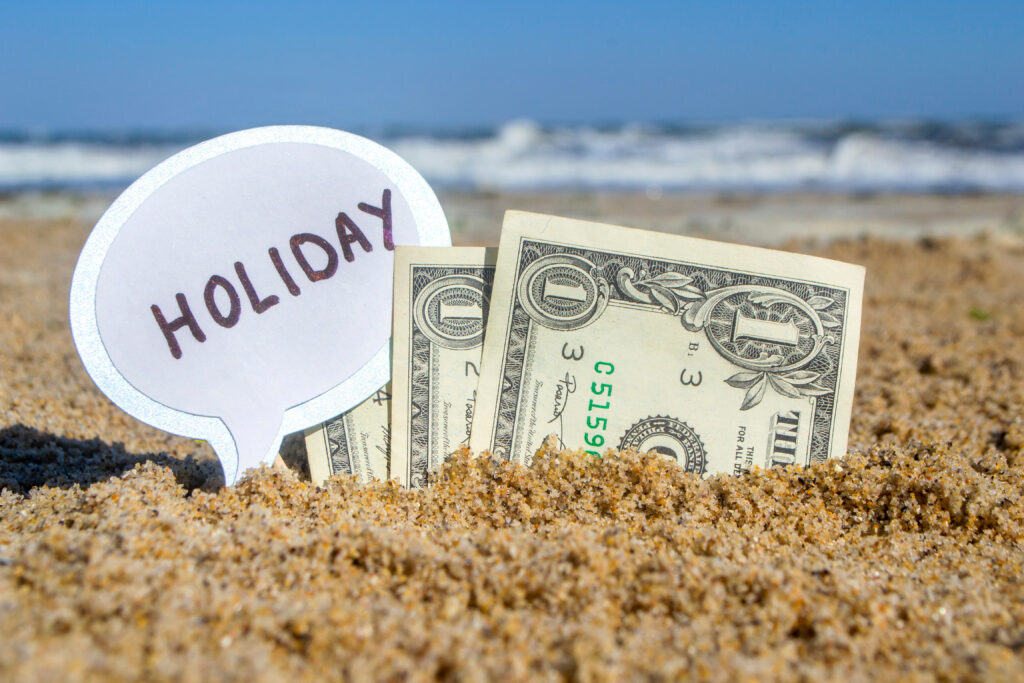
Announcing that you are away from home can feel exciting. You may want to share the airport selfie, the beach view, the hotel breakfast, and the countdown to your dream trip. Unfortunately, that same excitement can tell people your house is empty.
A safer choice is to post vacation memories after you return. You still get to share the fun without broadcasting your absence in real time. Privacy does not kill the joy of travel, but it can protect you from turning a lovely trip into a security risk.
Emotional Rants About People You Know
Everyone gets angry, hurt, disappointed, or embarrassed. The danger comes when that emotion goes straight from your chest to your keyboard. A dramatic post about a partner, friend, relative, coworker, or boss may feel satisfying for ten minutes, but it can damage trust for years.
Online rants rarely solve private problems. They invite outsiders into situations they do not fully understand, and this can make reconciliation harder. If the relationship matters, handle it through a conversation, not a comment section.
Private Relationship Problems

A relationship does not become healthier because hundreds of people watched the argument unfold online. Posting screenshots, private messages, cheating claims, bedroom issues, or emotional fights may bring sympathy, but they can also create shame, gossip, and long-term regret. Once a private wound becomes public content, it becomes harder to control.
This does not mean people should suffer in silence. If you are unsafe, manipulated, or mistreated, seek trusted support offline or through proper help channels. But turning every conflict into a public performance can weaken your emotional boundaries and make healing messier than it needs to be.
Photos of Children Without Careful Thought

Children deserve privacy before they are old enough to understand what privacy means. Cute school photos, bath pictures, tantrum videos, medical updates, report cards, and embarrassing stories can follow them into a future they never agreed to. What feels funny or sweet today may feel humiliating to them later.
Parents and guardians should ask a simple question before posting. Would this child want strangers, classmates, or future employers to see this someday? If the answer is uncertain, the safer choice is to keep it offline or share it only with trusted family in private spaces.
Your Money, Luxury Items, or Financial Struggles

Posting cash, expensive purchases, jewelry, bank screenshots, debt problems, or salary details can attract the wrong kind of attention. It can invite jealousy, judgment, scams, fake friends, and even theft. Money content is powerful because it triggers emotion fast, and not every reaction will be kind.
There is also a psychological side to this. Constantly proving success online can trap you inside a performance of wealth. Your peace becomes tied to applause, and suddenly your life feels like a showroom instead of a real home.
Workplace Drama or Career Complaints
Complaining about your job online may feel harmless after a stressful day, but it can create real consequences. A single post about a bad boss, lazy coworkers, annoying customers, or secret company problems can travel further than expected. Screenshots move faster than apologies.
Your future career also has a memory. Hiring managers, clients, and professional contacts may judge your judgment based on how you speak online. It is better to vent privately to someone you trust than to turn workplace frustration into a public record.
Medical Details You Are Not Ready to Defend
Health updates can bring support, especially during difficult seasons. Still, sharing deeply personal medical information online can invite unsolicited advice, gossip, fear, judgment, and invasive questions. Once people know something intimate about your body or mind, they may feel entitled to opinions you never asked for.
You have every right to share your story when it helps you heal or helps others feel less alone. The key is control. Share from a place of clarity, not pressure, panic, or the need to explain yourself to everyone watching.
Anything You Would Hate to See Misused
This is the final rule, and it may be the most important. If a post could be twisted, mocked, screenshotted, shared out of context, or used against you later, pause before posting it. The internet does not always treat your intentions fairly.
A joke can become a scandal. A photo can become gossip. A vulnerable confession can become ammunition in the wrong hands. Before you post, ask yourself if the future you would feel protected by this choice or trapped by it.
Conclusion
The internet rewards exposure, but peace often comes from restraint. You do not owe strangers your location, your pain, your children’s private moments, your relationship fights, your money story, or your emotional breakdowns. Some aspects of life become more powerful when kept sacred.
Posting wisely does not make you boring. It makes you careful, grounded, and harder to manipulate. In a world where people share too much for attention, protecting your privacy can be one of the strongest and smartest things you do.