Your body has a way of sending messages that something serious could be brewing beneath the surface, and often, we dismiss these signs as minor annoyances. From mysterious aches to unusual changes in appearance or sensation, recognizing these warning signals early can make the difference between catching a problem in time and facing severe complications. Here’s a deep dive into 15 strange yet critical symptoms that warrant immediate medical evaluation.
Sudden Jaw Pain That Isn’t Normal

Jaw discomfort might seem unrelated to your heart, but sharp or unexplained pain in the jaw, especially on the left side, can signal a blockage in the arteries.
Even without chest pain, this symptom can indicate heart issues like angina or a potential heart attack. Coupled with shortness of breath, dizziness, or nausea, jaw pain warrants immediate medical attention to prevent a catastrophic cardiac event.
Swollen Ankles and Feet

Fluid retention in the ankles or feet is more than just a nuisance; it can be a key indicator of underlying kidney dysfunction. When the kidneys fail to efficiently remove excess sodium and water, the body retains fluid, leading to swelling that starts in the extremities.
Persistent ankle swelling may also point to heart or liver issues, making early diagnosis essential for preventing more serious complications.
Asthma-Like Symptoms Without a Clear Cause
Experiencing chest tightness, difficulty breathing, or wheezing can mimic asthma, but these symptoms might also be warning signs of heart problems. Blocked arteries can cause a sensation of breathlessness or chest pressure, which is often misinterpreted as seasonal allergies or anxiety.
Any sudden onset of these symptoms, particularly in individuals without a history of asthma, should trigger an urgent consultation.
Excessive Urination and Nighttime Trips to the Bathroom
Frequent urination can indicate diabetes, particularly type 2, where excess sugar in the blood forces the kidneys to filter more and increase fluid output.
For men, it may signal prostate problems. Ignoring these symptoms can allow chronic conditions to progress undetected, potentially causing long-term organ damage or complications like urinary tract infections.
Persistent Hiccups That Refuse to Quit
Hiccups usually resolve quickly, but chronic hiccups lasting over 48 hours can signal more serious issues.
They can be caused by irritation of the diaphragm or vagus nerve, and in rare cases, may indicate tumors or neurological problems, including strokes. Long-lasting hiccups are often dismissed, yet they warrant careful evaluation to rule out serious conditions.
Constant Chills and Feeling Cold

A persistent cold sensation can indicate thyroid dysfunction, especially hypothyroidism, where the body’s metabolic rate drops. It may also be linked to anemia or nutritional deficiencies, which can reduce your energy levels and overall body warmth.
Chronic chills should prompt blood work to identify potential endocrine or hematologic disorders before they escalate.
Dramatic Changes in Bowel Habits
Diarrhea, constipation, or the presence of blood and mucus in stool can reveal a range of serious issues, from intestinal infections and irritable bowel syndrome to colorectal cancer.
Changes that persist beyond a few weeks, or that come with abdominal pain, unexplained weight loss, or fatigue, must be evaluated promptly to detect and treat potentially life-threatening conditions.
Sore or Swollen Tongue

A painful tongue, particularly when accompanied by fatigue, brittle nails, or pallor, can be an indicator of vitamin B12 deficiency. Left untreated, this deficiency can progress to anemia and neurological complications.
Simple blood tests can identify nutrient gaps and enable corrective measures such as supplementation or dietary changes.
Unusual Facial Hair Growth or Pattern Baldness in Women
Excess facial hair or a sudden change in hair distribution can point to hormonal disorders such as polycystic ovary syndrome (PCOS).
This endocrine condition affects multiple organ systems and can increase risks for diabetes, heart disease, and infertility if left unchecked. Consulting a healthcare provider for evaluation and management is essential for long-term health.
Insatiable Thirst
Extreme thirst can indicate poorly controlled diabetes, where high blood sugar draws fluid from the body, leading to dehydration and electrolyte imbalances.
Ignoring this symptom can precipitate serious complications such as diabetic ketoacidosis, particularly in type 1 diabetes, requiring immediate medical intervention.
Thinning Eyebrows
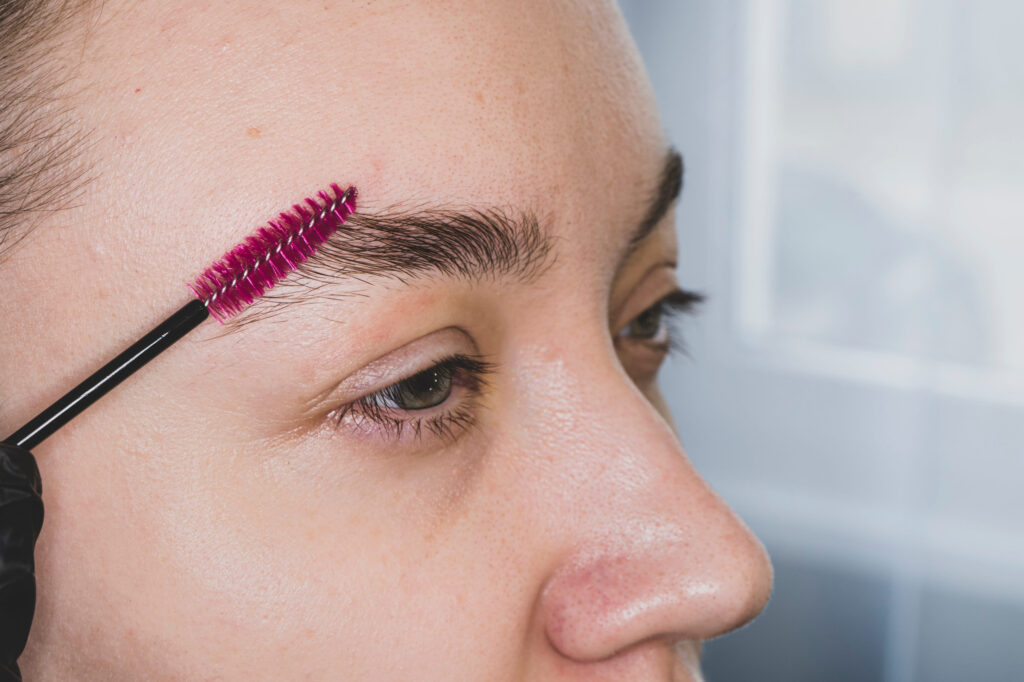
Notable thinning, particularly at the outer edges of the eyebrows, is a classic sign of thyroid disease. Both hyperthyroidism and hypothyroidism can affect hair growth, and early detection can prevent further metabolic and cardiac complications.
Laboratory testing for thyroid function is the key first step in addressing this subtle yet significant symptom.
Tingling or Numb Hands and Feet
Peripheral neuropathy, often associated with diabetes, can manifest as tingling, burning, or numbness in the extremities.
These sensations are early warning signs of nerve damage and can lead to permanent disability if ignored. Proper glucose control, medical evaluation, and timely treatment are critical to prevent progression.
Loss of Taste or Smell
A sudden or progressive loss of taste can signal neurological conditions, including the early stages of Alzheimer’s disease.
It is often overlooked as a minor inconvenience, yet it can precede cognitive symptoms by months or years. Identifying the underlying cause early allows for interventions that may slow disease progression.
Persistent Itchy Skin

Chronic itching without an obvious cause can indicate serious dermatological, hepatic, or hematologic conditions. Disorders such as liver disease, kidney failure, or certain cancers may initially present as persistent pruritus. Early evaluation helps to pinpoint the source and prevent complications associated with untreated systemic disease.
Blurred or Double Vision
Changes in vision can indicate a wide range of conditions, from uncontrolled diabetes causing retinopathy to neurological events like stroke or multiple sclerosis.
Sudden or progressive blurriness should prompt immediate examination, as timely treatment can preserve sight and prevent permanent damage.