You pick up your phone for one quick scroll. You only want to relax, laugh a little, or see what people are doing. But after a few minutes, your mood changes. You may feel behind, left out, worried, irritated, or tired. Nothing big happened around you, yet something inside you feels different.
For many adults between 30 and 65, social media is no longer just a fun place. It can bring quiet pressure, comparison, fear, and emotional stress. The hard part is that it does not always feel harmful at first. It steals peace slowly, one post at a time.
It Makes You Compare Your Life to Someone Else’s Best Moment

Social media often shows the best parts of people’s lives. You see vacations, clean homes, happy couples, new cars, work promotions, smiling children, and big celebrations. What you do not see are the bills, stress, arguments, health worries, or lonely nights behind those pictures.
That can make your own life feel smaller than it really is. You may start thinking your home is not nice enough, your job is not good enough, or your progress is too slow. But real life is not always picture perfect. Many adults are doing quiet, important things every day, even if nobody claps for them online.
It Can Make You Feel Left Out
Seeing people gather without you can hurt more than you expect. A birthday dinner, family event, wedding, trip, or simple hangout can make you feel forgotten. Even if you would not have gone, seeing the pictures can still sting.
Adults still want to feel remembered and included. That feeling does not disappear with age. Social media makes it harder because you see everything in real time. You see the smiles, the food, the group photos, and the comments. Suddenly, a peaceful evening can turn into a painful reminder that you were not part of the moment.
It Fills Your Mind With Too Much Bad News
Many people open social media to relax, but they end up seeing bad news. Crime, sickness, family drama, money stress, political fights, and angry comments can fill the screen quickly. One sad story can lead to another, and before long, your mind feels heavy.
This can make you feel worried or upset without knowing why. You may start the day feeling calm, only to lose it before breakfast. Adults already carry enough pressure from work, family, bills, and health concerns. Taking in too much online fear can make the world feel darker than it really is.
It Makes Normal Life Feel Boring
Social media can make a simple life feel like it is not enough. A quiet dinner, a normal home, a small birthday, or a regular weekend may suddenly feel dull when compared to what others post. You may feel pressure to make every moment look special.
But life does not have to be grand to be meaningful. Love can look like cooking after work, paying a bill, resting after a hard week, helping a child, or caring for a parent. These moments may not get many likes, but they still matter. Real peace often lives in ordinary things, not in perfect photos.
It Makes You Chase Approval Without Noticing
A simple post can turn into an emotional test. You share a photo, a thought, a family moment, or a business update. Then you start checking who liked it, who ignored it, and who commented. especially when you don’t know when to stop and end up posting things you shouldn’t
This can quietly affect your mood. If many people react, you may feel seen. If few people react, you may feel embarrassed or forgotten. If someone close to you says nothing, you may start overthinking. Adults are not too old to want care and attention. But your value should not depend on likes, views, or comments.
It Keeps Your Brain Busy When It Needs Rest

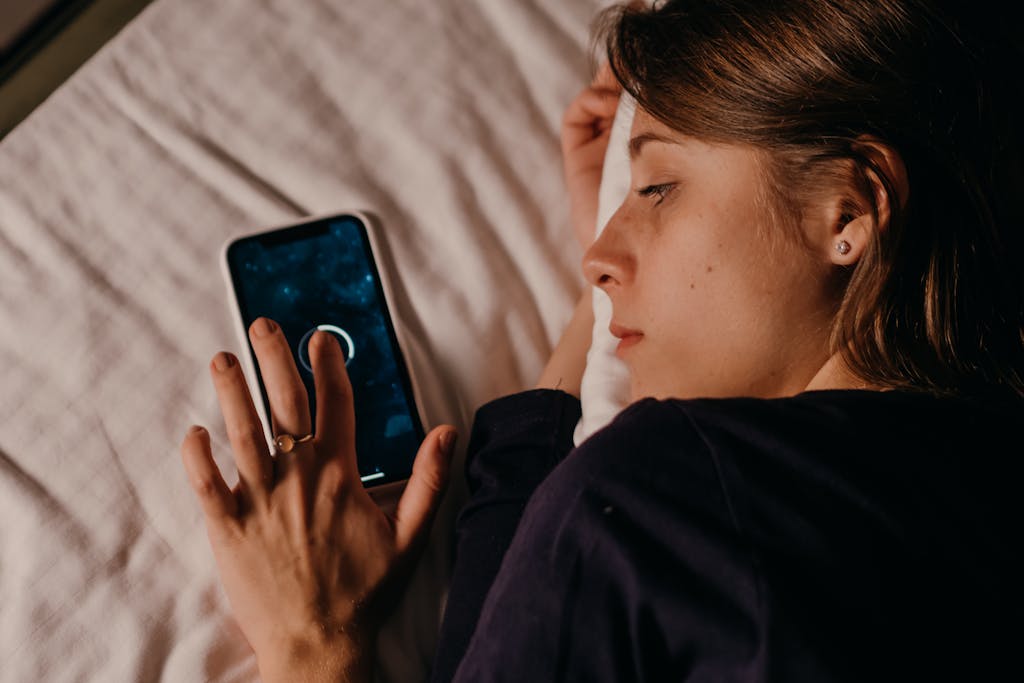
Many adults scroll at night to relax. After work, errands, family duties, and daily stress, the phone feels like an easy escape. But scrolling is not always rest.
One minute you are watching something funny. The next minute, you see bad news, a perfect couple, an argument, a sad story, or an ad telling you to buy something. Your body may be lying down, but your brain is still jumping from one feeling to another.
This can make sleep harder and mornings heavier. Your mind needs quiet to recover. Sometimes, the most peaceful thing you can do is put the phone away and let your brain slow down.
Conclusion
Social media is not always bad. It can help people connect, learn, laugh, promote a business, and share memories. But it can also steal peace in quiet ways.
It can make you compare your life, feel left out, carry too much bad news, chase approval, and stay mentally busy when you need rest. These things may seem small, but they can affect your mood more than you think.
For adults between 30 and 65, peace is important. It helps you sleep better, think clearly, love better, work better, and enjoy your real life. Sometimes, protecting your peace starts with one simple choice: put the phone down and return to the life in front of you.