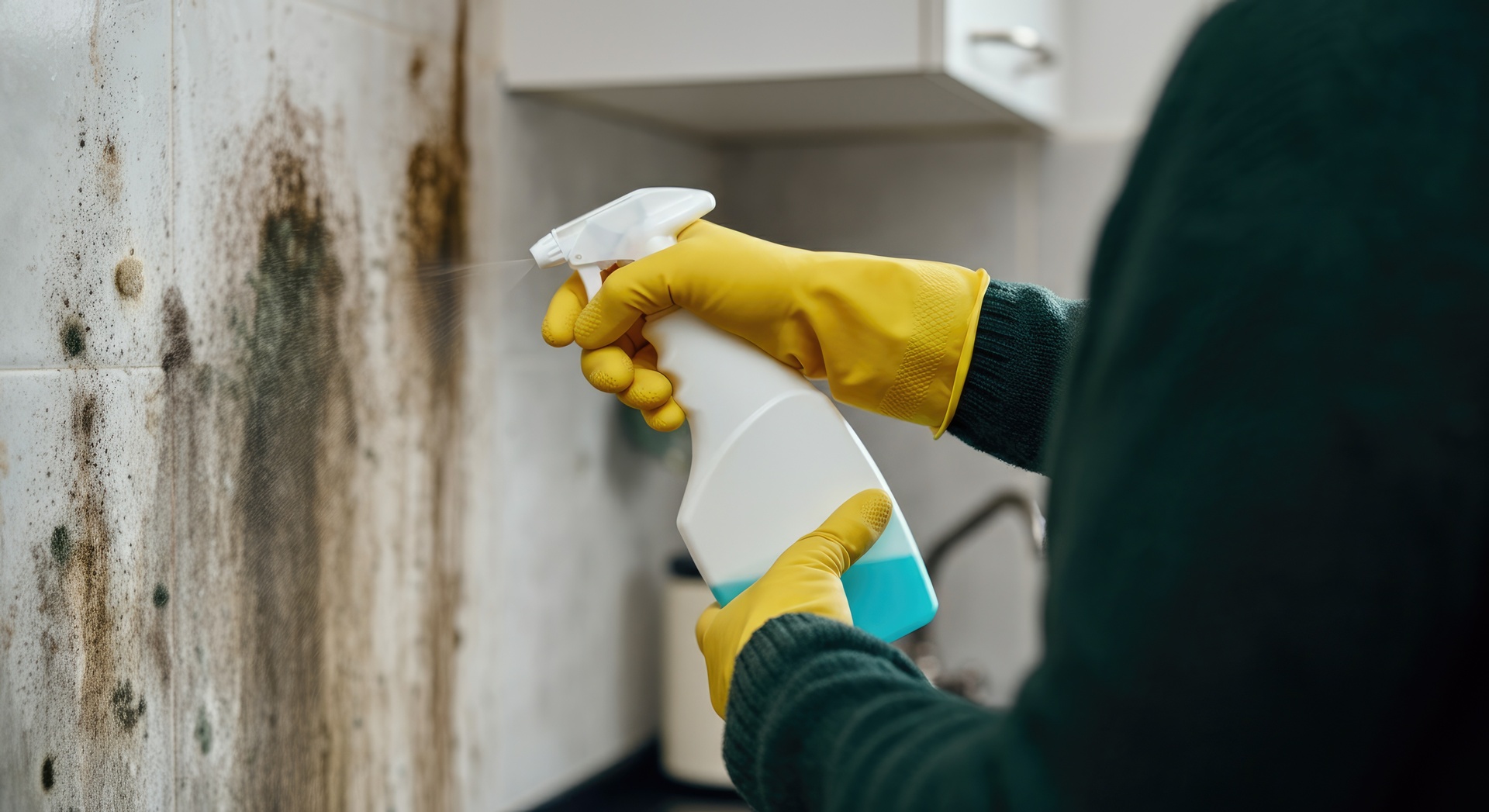
Spring cleaning has a way of making us feel heroic before it makes us feel exhausted. One minute, we are opening windows, grabbing sprays, and imagining a home that smells like lemons and victory. The next minute, we are standing in the middle of a half-cleaned room, surrounded by dirty cloths, streaky mirrors, damp floors, and a suspicious pile of clutter we no longer know where to put.
The problem is not that people are lazy. The problem is that the spring cleaning rewards strategy, not panic. A rushed deep clean can spread dust, damage surfaces, waste money, and even pose safety risks when incompatible products come into contact. Before turning the house upside down, it helps to know the mistakes that make cleaning harder than it needs to be.
Cleaning Without a Real Plan

The fastest way to lose a whole Saturday is to start cleaning wherever your eyes land first. You wipe the counter, notice the cabinet, open the cabinet, find old containers, move to the pantry, then somehow end up sorting batteries in a drawer you have ignored since last summer. That is not spring cleaning. That is chaos wearing rubber gloves.
A better approach is to move room by room and top to bottom. Start with dry dusting, then surfaces, then floors, because gravity does not care about your schedule. When you clean in a clear order, you stop redoing the same job twice, and the house starts looking better instead of more defeated.
Using Paper Towels for Everything
Paper towels feel convenient because they are already there, but they are often the expensive backup singer of cleaning supplies. They can shred, leave lint, streak glass, and vanish by the roll when you use them for every spill, mirror, counter, and appliance. By the end, the trash can is full, and the surface still looks slightly dusty.
Microfiber cloths usually do a better job of wiping, dusting, and polishing because they grab particles instead of just pushing them around. Keep a few separate cloths for glass, bathrooms, kitchens, and general dusting so you are not spreading sink grime onto the coffee table. Wash them properly after use, and they can save both money and frustration.
Treating Vinegar Like a Magic Potion
Vinegar has a loyal fan base for good reason. It is cheap, simple, and useful for some cleaning jobs. The trouble starts when people treat it like it belongs on every surface in the house, from stone countertops to hardwood floors and grout lines.
Vinegar is acidic, which means it can dull, etch, or weaken certain materials over time. Natural stone, unsealed grout, some metals, and wood finishes deserve more caution. Before using vinegar, check the surface type and test a small hidden spot. “Natural” does not automatically mean harmless, especially when the surface is expensive to repair.
Spraying Disinfectant on Dirty Surfaces
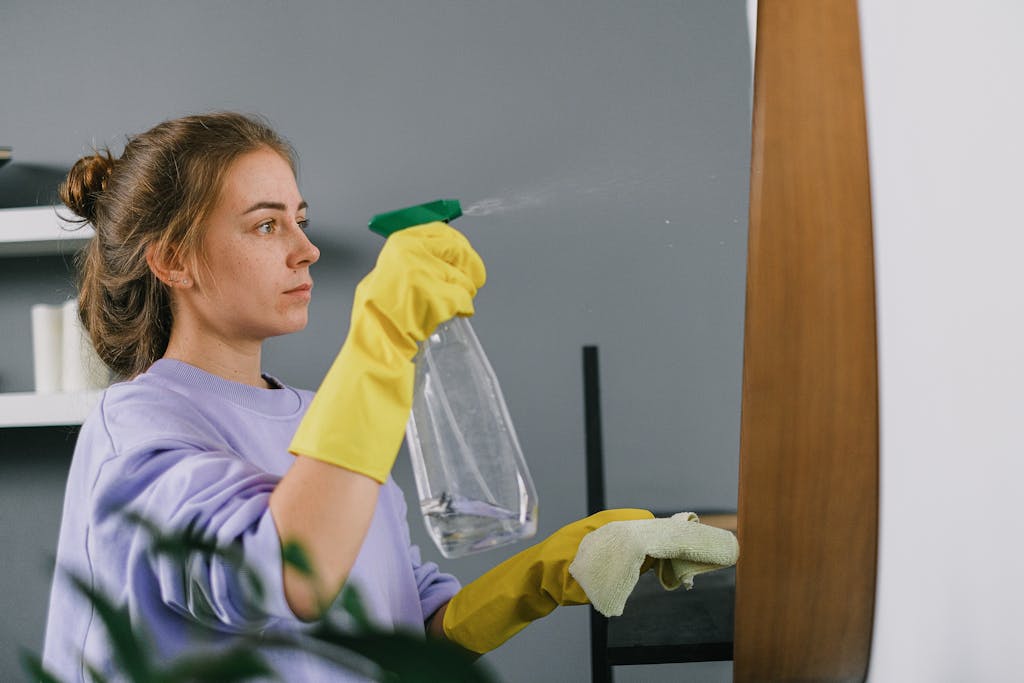
Disinfectant can feel powerful because it sounds serious. The word alone makes people imagine germs fleeing the room in defeat. But disinfectants are not miracle cleaners, and many work best only after dirt, grease, crumbs, and visible grime have already been removed.
The smarter method is simple. Clean first with soap, water, or an appropriate cleaner, then disinfect only where it actually makes sense, such as high-touch areas or surfaces exposed to illness. If you spray disinfectant over a dirty counter and wipe it away too quickly, you may be doing little more than perfuming the mess.
Mixing Cleaning Products Like a Home Scientist

This is one of the most dangerous spring cleaning mistakes because it can turn an ordinary bathroom scrub into a chemical emergency. Bleach should never be mixed with ammonia, vinegar, acids, or other cleaning products. The result can release irritating or toxic gases that can affect the eyes, throat, and lungs, and compromise breathing.
The rule is boring, but it can protect you. Use one product at a time, follow the label, rinse when required, and ventilate the room. More chemicals do not mean more cleaning power. Sometimes they mean more risk, more fumes, and a very bad afternoon.
Cleaning Windows on a Hot Sunny Day

A bright, sunny day feels like the perfect time to attack the windows, because every fingerprint and streak suddenly becomes visible. Unfortunately, direct sunlight can dry cleaner too quickly, leaving lines before you have time to wipe properly. That is how a window can look worse after you clean it.
Choose a cloudy day or clean windows when the glass is not hot. Use a proper glass cloth or squeegee, work in sections, and avoid drowning the surface in spray. The goal is not to scrub the window into submission. The goal is to remove residue before it bakes itself into a streaky little reminder of poor timing.
Forgetting to Clean the Cleaning Tools
A dirty mop does not clean the floor. It simply introduces yesterday’s grime to today’s room. The same problem happens with clogged vacuum filters, dusty broom bristles, grimy scrub brushes, and sponges that should have retired long ago.
Before a big clean, check the tools first. Empty the vacuum, rinse mop heads, wash cloths, replace worn sponges, and remove hair from brushes and rollers. Clean equipment makes every task faster. Dirty equipment quietly sabotages the whole mission and makes you wonder why the house still smells odd after all that effort.
Using Abrasive Cleaners Too Aggressively
Abrasive cleaners can be useful for tough grime, but they are not gentle. Used on the wrong surface, they can scratch sinks, dull finishes, scuff appliances, and leave permanent marks that no amount of polishing will fully hide. The damage often appears slowly, then suddenly looks obvious under good light.
Start with the mildest effective method before reaching for something harsh. Give cleaners time to work rather than immediately scrubbing harder. Use soft cloths or non-scratch pads where needed, and always check whether the surface can handle abrasion. The best cleaning job removes dirt without leaving evidence of a fight.
Steam-Mopping Floors That Hate Moisture
Steam mops look satisfying because they make the floor feel deeply cleaned. But moisture and heat can be rough on certain flooring, especially hardwood and some laminate surfaces. Too much steam can seep into seams, affect finishes, and contribute to warping or swelling.
A damp microfiber mop is often the safer choice for wood floors when used with the right cleaner. The cloth should be damp, not dripping. Spring cleaning should make floors shine, not give them a moisture problem that shows up weeks later.
Ignoring Hidden Moisture
Spring cleaning often uncovers the little damp problems we have been pretending not to see. A musty cabinet, condensation near a window, a slow leak under the sink, or damp laundry left too long can become more than a smell problem. Moisture gives mold the kind of invitation it does not politely decline.
Dry wet areas quickly, fix leaks, run fans in bathrooms, and pay attention to corners where air does not move well. If something smells musty, do not just spray fragrance over it and move on. Find the moisture source. A clean home is not just one that looks polished. It is one that stays dry, breathable, and easier to maintain.
Conclusion
Spring cleaning goes wrong when we treat it like a race instead of a reset. The goal is not to attack the house with every spray bottle under the sink. The goal is to clean in the right order, use the right tools, protect your surfaces, and avoid shortcuts that create bigger problems later.
A cleaner home should feel lighter, safer, and easier to live in. When you stop making these common mistakes, spring cleaning becomes less of a punishment and more of a fresh start that actually lasts.