Money problems often sneak up quietly. You might think you’re managing your finances well, but small habits can quietly drain your wallet over time. These invisible traps affect millions of adults every day, often without anyone realizing it. Understanding them can help you take control before they become a bigger problem.
Let’s explore the spending habits that quietly chip away at your savings and financial freedom.
Subscriptions You Forgot
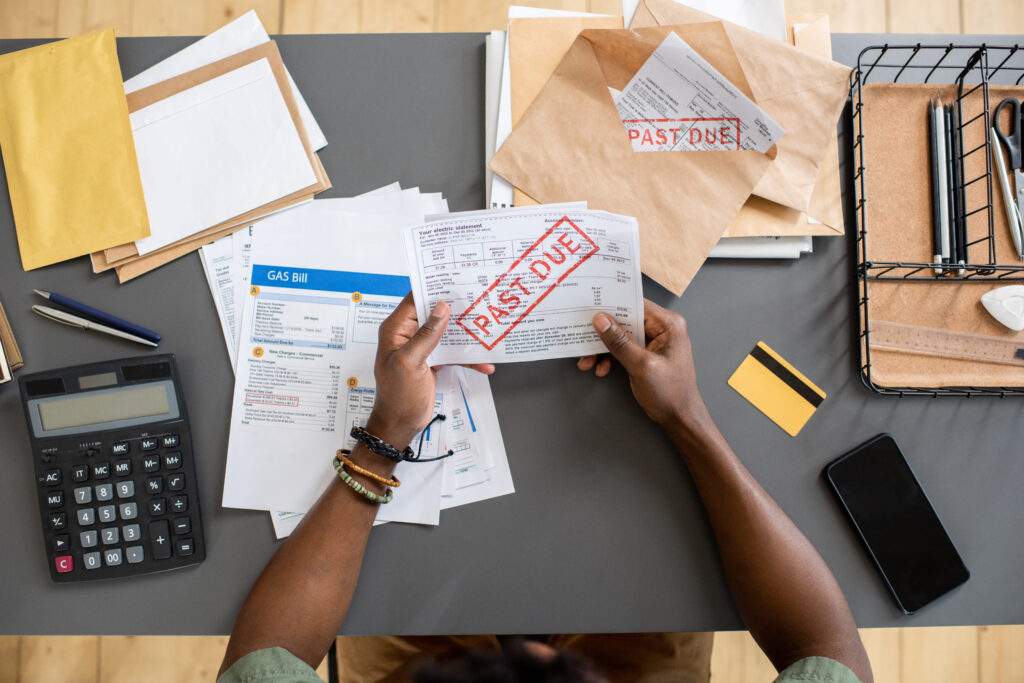
Many adults sign up for services and forget about them. From streaming platforms to magazine apps, these recurring charges quietly add up each month. Over time, they can cost hundreds or even thousands of dollars a year, yet offer little real value.
Checking your bank statements and canceling unused subscriptions can free up money instantly. Small changes, like reviewing accounts monthly, prevent money from disappearing without a trace.
Impulse Online Shopping
Buying things online can feel easy and harmless. One click might bring clothes, gadgets, or accessories straight to your door. But small, impulsive purchases add up quickly, quietly draining your finances.
Setting a 24-hour rule before buying anything online can reduce unnecessary spending. Adults who take the time to consider each purchase often save significant money.
Eating Out Too Often
Restaurants and takeout may feel convenient, but frequent meals away from home quietly hurt your budget. Coffee runs, lunch orders, and dinner deliveries can add up over time. What seems like small expenses can become a large financial drain.
Cooking at home or planning meals can save hundreds of dollars each month. Even small adjustments, like packing lunch or brewing coffee, help regain control of spending.
High-Interest Debt

Credit cards and payday loans often come with high interest rates. Carrying balances from month to month quietly increases what you owe. Adults can easily pay far more in interest than the original purchase cost.
Paying down high-interest debt first is key. Understanding how interest works can prevent small purchases from becoming financial traps.
Ignoring Small Fees
Bank fees, late payment charges, and service fees may seem minor individually. But together, they quietly take a large chunk out of your finances. Adults often overlook these tiny charges until they add up.
Reviewing statements and asking about hidden fees can save money immediately. A small amount of awareness can prevent thousands of dollars from vanishing each year.
Overusing Credit Cards
Using credit cards for everyday purchases feels safe, but overspending can be dangerous. Adults may believe they can pay later, but balances grow quietly, making it harder to manage money. Spending carelessly and not being aware of your credit score is one of the dangers of overspending on credit cards
Limiting credit card use and paying off balances each month keeps finances under control. Awareness of spending habits helps prevent unexpected debt.
Buying Name Brands Only
Paying more for brand names can feel worthwhile, but many products have equally good alternatives. Adults often spend extra money without realizing that the quality is comparable to that of cheaper options.
Comparing prices and trying store brands can significantly reduce spending. Being mindful about everyday purchases keeps more money in your wallet.
Forgetting to Plan for Emergencies
Life is unpredictable, and unexpected expenses happen. Adults without emergency savings often rely on credit or loans, quietly increasing financial stress. Lack of planning can turn small emergencies into major money problems.
Building even a small emergency fund creates a sense of security. Saving gradually prevents financial traps from catching you off guard.
Conclusion
Money mistakes don’t always scream; they creep in quietly through small habits and unnoticed charges. Subscriptions, eating out, high-interest debt, and hidden fees can quietly drain your finances if left unchecked. Awareness, planning, and small changes in daily habits help adults regain control and protect their wealth.
Key Takeaway: The most dangerous spending traps are often invisible until it’s too late. Are you noticing the quiet ways your money is slipping away?