A late-night snack can feel harmless until your stomach starts staging a rebellion at midnight. One minute, you are reaching for pizza, chocolate, chips, or a fizzy drink because the day was long and the kitchen is right there.
The next minute, you are wide awake, thirsty, bloated, hot, wired, or wondering why your body refuses to power down.
The problem is not that food after dark is automatically bad. The real issue is choosing foods that push your digestion, blood sugar, body temperature, heartburn, or alertness in the wrong direction just when your body needs calm.
These are the late-night foods and drinks that may look innocent on the plate but can quietly turn bedtime into a battle.
Coffee And Other Caffeinated Drinks
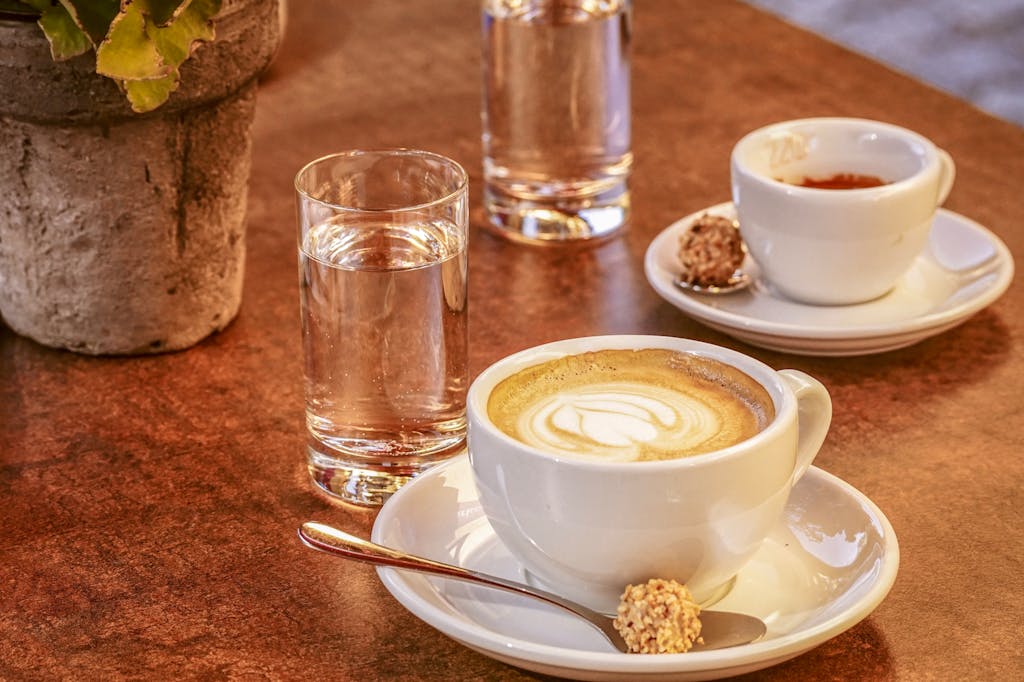
Coffee is the obvious sleep thief, but it still catches people off guard because caffeine does not leave the body the moment the cup is empty.
A late cappuccino, iced coffee, black tea, green tea, cola, or energy drink can keep the brain alert long after your pajamas are on.
Caffeine works by blocking adenosine, the chemical that helps build sleep pressure, so your body may feel tired while your brain keeps tapping its foot. This is why afternoon and evening caffeine can be risky for sensitive sleepers.
Some people can drink coffee at dinner and sleep like a cat in a sunbeam, but many others pay for it with lighter sleep, longer wakefulness, or a restless night. If sleep has been poor, caffeine after lunch deserves a serious side-eye.
Chocolate Desserts
Chocolate feels like the perfect comfort snack, especially at night, but it can bring more stimulation than people expect.
Dark chocolate contains caffeine, and cocoa also has theobromine, a natural compound that can feel mildly energizing. That small square of chocolate may not equal a full mug of coffee, but it can still matter if you already struggle to fall asleep.
Chocolate desserts can also contain sugar and fat, which can worsen the nighttime problem. Brownies, chocolate ice cream, lava cake, and candy bars may hit the brain like a reward, then hit the stomach like extra homework.
If you crave something sweet at night, chocolate is one of the treats that can make sleep feel oddly out of reach.
Spicy Foods
Spicy food has main-character energy at dinner, but it can be a poor bedtime companion. Hot wings, peppery noodles, chili, spicy tacos, and curry can trigger heartburn in some people, especially when lying down. Capsaicin, the compound that gives peppers their heat, may also make the body feel warmer, which is not ideal when your system is trying to cool down for sleep.
The cruel part is that spicy food often tastes best when eaten late, with friends, as leftovers, or as takeout.
Your mouth may enjoy the heat, but your throat and stomach might complain once the lights go out. Anyone prone to reflux should treat late-night spice like a loud guest who refuses to leave.
Fried Foods
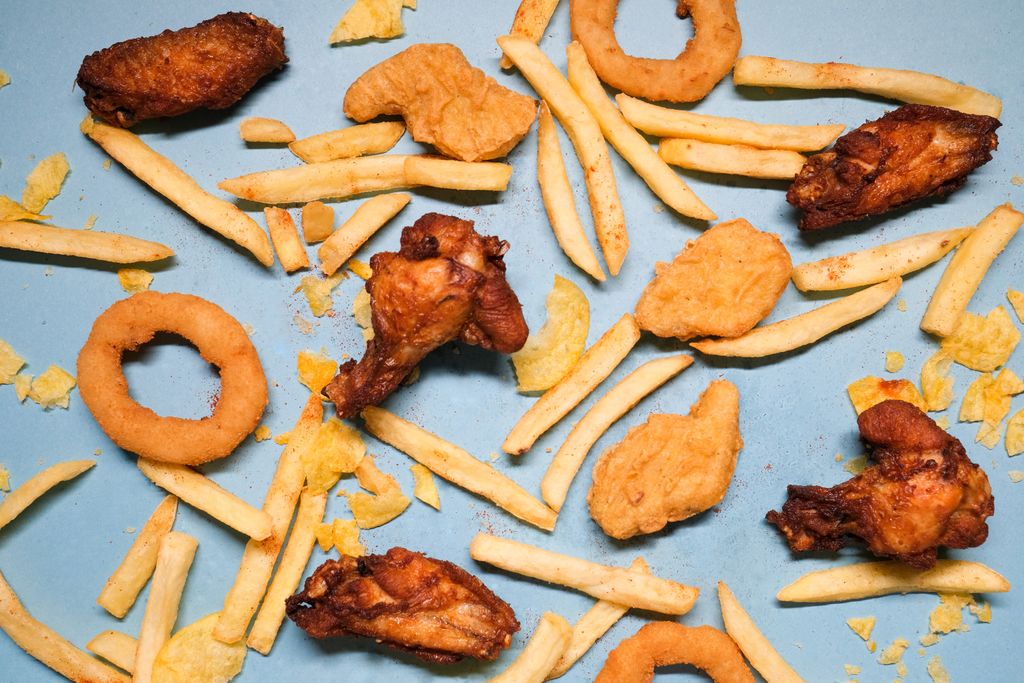
Fried foods are heavy, salty, and delicious in the exact way that makes them dangerous before bed. Fries, fried chicken, onion rings, mozzarella sticks, and greasy takeout can sit in the stomach longer than lighter meals. That slower digestion can make lying down feel uncomfortable, especially after a large meal. Greasy foods can also raise the chance of reflux because fat tends to relax the valve that helps keep stomach acid where it belongs. This does not mean fried food is forbidden forever, but timing matters. Eating it close to bedtime can turn a quick craving into hours of burping, burning, and tossing around like a rotisserie chicken.
Sugary Cereal And Candy
Sugary cereal at night has a sneaky reputation because it looks small, quick, and innocent. The problem is that many sweet cereals, candies, pastries, and cookies can raise blood sugar levels quickly. That quick hit can feel comforting at first,
but later leave the body dealing with a crash, hunger, or disrupted rest. Candy and sugary snacks also make it easy to eat more than planned because they do not feel like a real meal.
A handful becomes a bowl, a bowl becomes a second bowl, and suddenly, bedtime has turned into a mini sugar festival. If your sleep already feels fragile, late-night sugar is one of the easiest places to cut back.
Pizza And Tomato-Based Foods
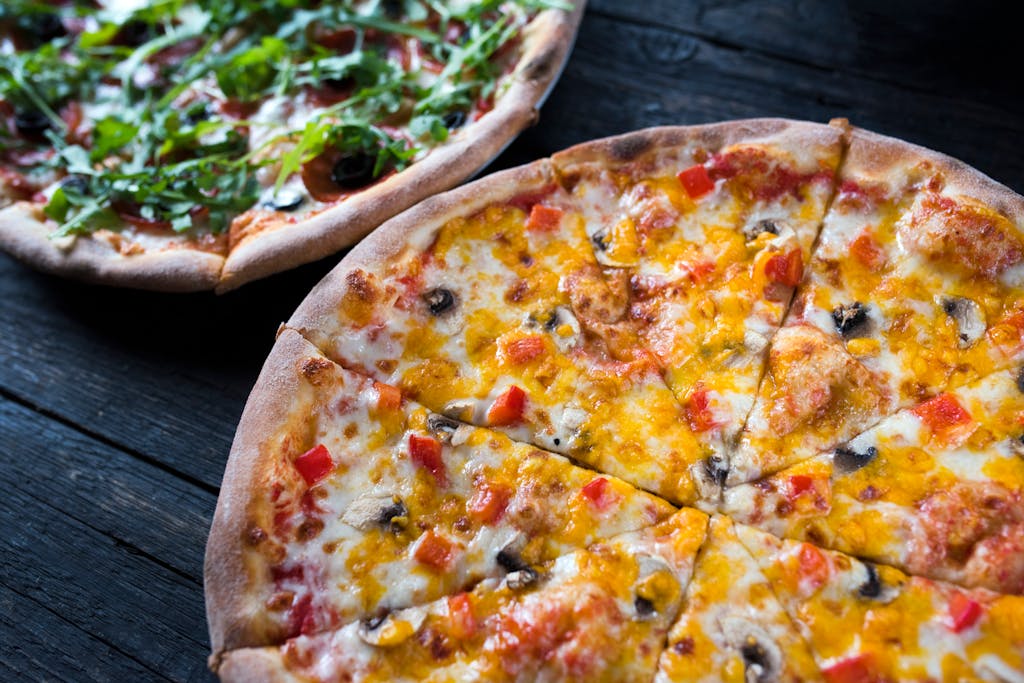
Pizza is one of the most tempting late-night foods because it checks every craving box. It is cheesy, salty, fatty, acidic, and usually eaten in bigger portions than intended.
Unfortunately, that combination can be rough on sleep because tomato sauce can trigger reflux, cheese adds fat, and the crust can make the meal feel heavier.
Tomato-based foods like pasta with red sauce, lasagna, salsa, and ketchup-heavy meals can cause similar trouble for people prone to heartburn. The issue gets worse when you eat them late and then lie flat. Pizza may feel like a reward after a long day, but your stomach may read it as an overnight assignment.
Alcohol
Alcohol can trick people because it may make them feel sleepy at first. A glass of wine, beer, cocktail, or nightcap can relax the body enough to fall asleep faster, but that does not mean the sleep is good. As the body processes alcohol, sleep can become lighter, more broken, and less refreshing.
Alcohol may also increase bathroom trips, dehydration, snoring, and overnight wake-ups. That is why someone can sleep for seven hours after drinking and still wake up feeling like they were unplugged halfway through the night.
If the goal is real rest, alcohol close to bedtime is more of a saboteur than a sleep aid.
Beans And Gas-Producing Vegetables
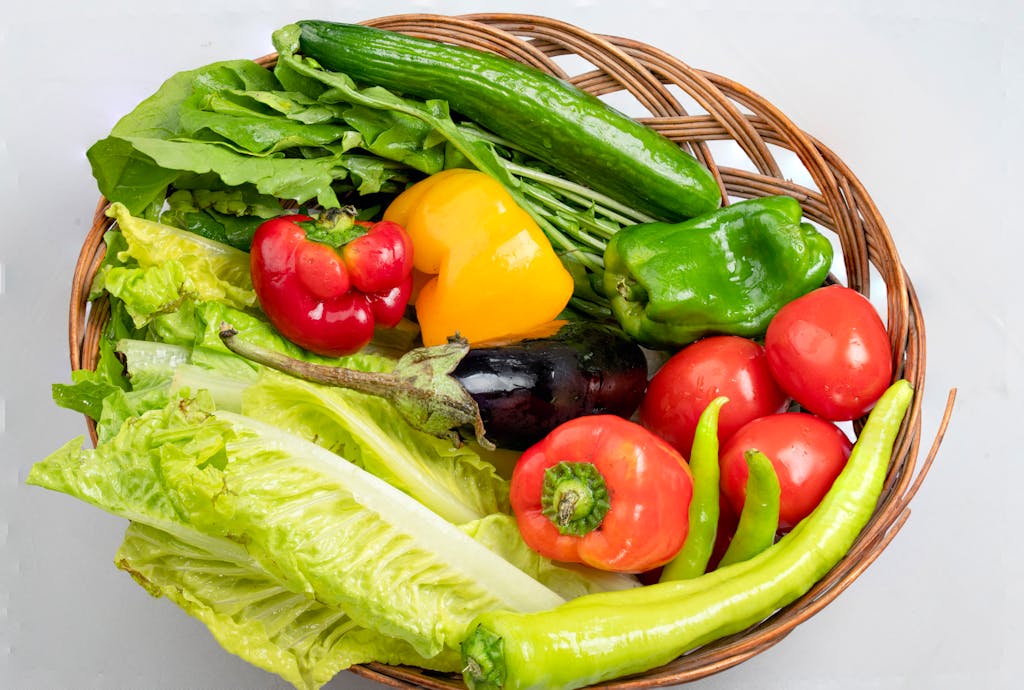
Beans, lentils, broccoli, cauliflower, cabbage, and Brussels sprouts are healthy foods, but healthy does not always mean bedtime-friendly.
These foods contain fibers and carbohydrates that gut bacteria ferment, which can create gas. During the day, that may be manageable, but at night it can turn into bloating, cramps, and uncomfortable pressure.
The issue is not that these foods are bad. Many of them are nutrient-rich and worth keeping in your diet.
The smarter move is to eat them earlier in the day or in smaller portions at dinner, especially if your stomach tends to get dramatic after dark.
Salty Snacks
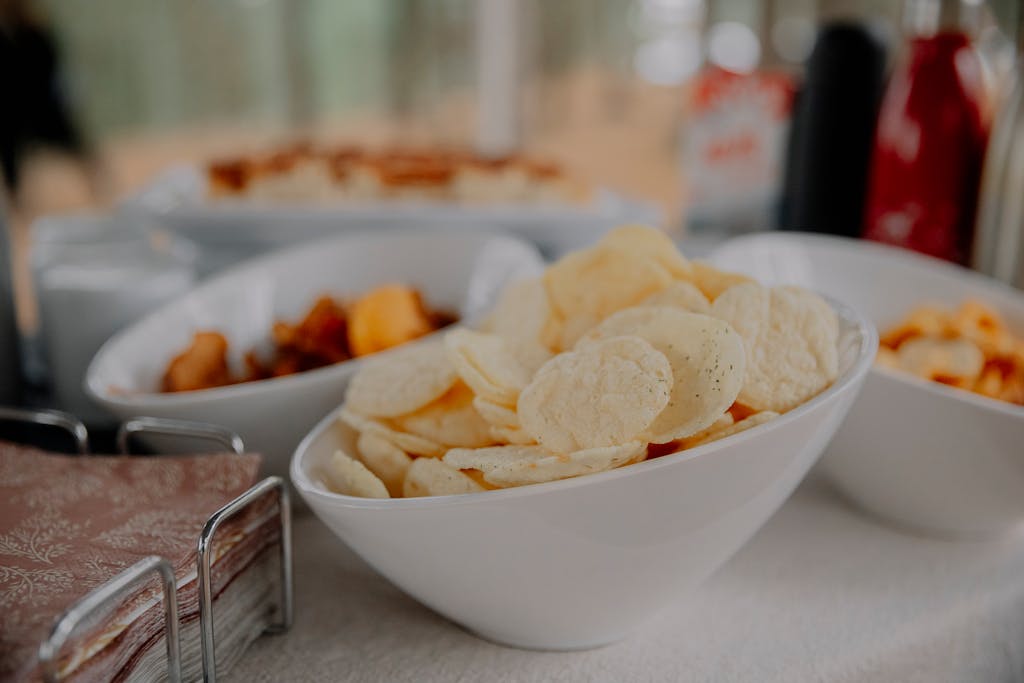
Chips, pretzels, processed meats, instant noodles, and salty crackers can create a different kind of sleep problem. They may not always make you feel weird, but they can leave you thirsty right when you are trying to settle down.
More thirst means more water, and more water can mean more midnight bathroom trips.
Salty snacks also encourage mindless eating because they are crunchy, easy to eat, and designed to keep your hand moving.
A small snack can turn into half a bag before you notice. If you often wake up thirsty or puffy after late-night snacking, salty foods may be to blame.
Conclusion
The best nighttime eating rule is simple. Do not make your body work harder right before you expect it to rest.
Caffeine, alcohol, greasy foods, spicy meals, sugar, chocolate, pizza, beans, and salty snacks can all interfere with sleep in different ways, from reflux and bloating to bathroom trips and late-night alertness.
You do not have to fear food after sunset. A light snack can be perfectly fine when you are truly hungry, especially if it is gentle, balanced, and not overloaded with sugar, fat, spice, or caffeine.
The real win is learning which foods make your nights worse, then saving those for earlier in the day when your body has more time to handle them.