Donating unwanted items sounds like one of the easiest ways to declutter and help someone else at the same time. You clean out a closet, fill a few bags, and imagine your old things getting a second life with someone who needs them.
But some donations are not helpful at all, and they can create extra work, safety concerns, and disposal costs for charities. The truth is simple.
Donation centers are not dumping grounds for broken, expired, unsafe, or unsanitary items. Before you load the car, these are the things you should keep out of the donation pile.
Used Underwear and Worn- Out Socks
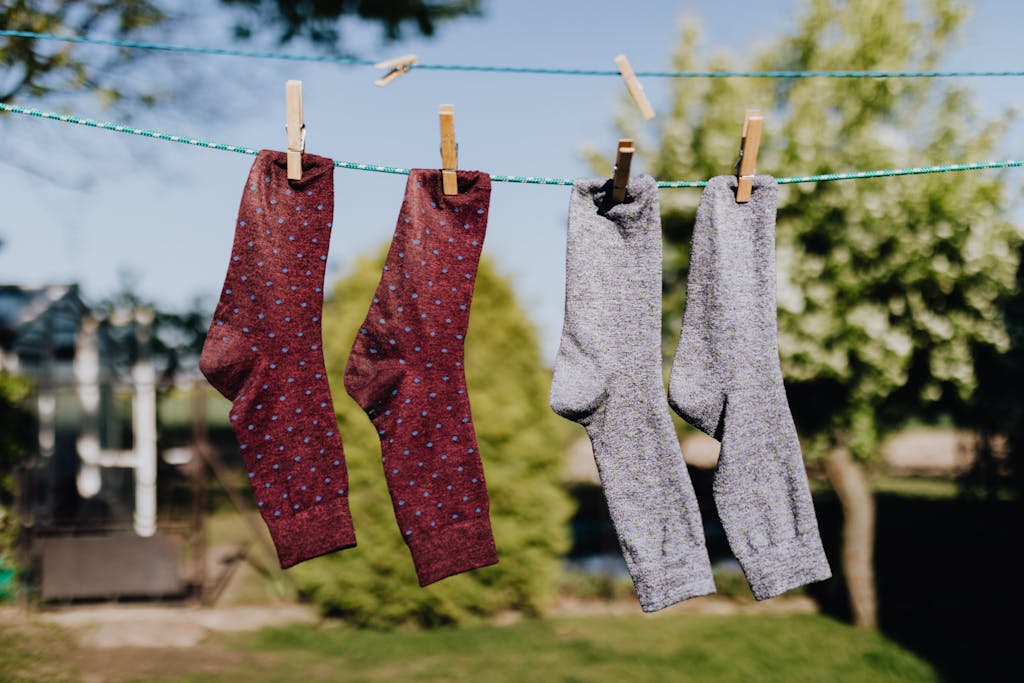
Used underwear should never go into a donation bag, even if it has been washed. Most charities cannot resell or distribute intimate clothing due to hygiene concerns, and volunteers often have to throw it away.
Worn-out socks create the same problem when they have holes, stains, or stretched fabric. New socks and sealed underwear are usually welcome, but used items belong in textile recycling or the trash.
Old Mattresses and Box Springs
A mattress may look usable, but donation centers often reject it because of stains, odors, bed bug concerns, and sanitation rules. Mattresses are also heavy, bulky, and expensive for charities to move if they cannot be reused.
Box springs create similar headaches because they take up space and are difficult to inspect properly. A better option is a mattress recycling service or a local disposal program that handles large household items safely.
Expired Car Seats
Car seats are safety products, not ordinary baby gear. Once they expire, become damaged, or are involved in a crash, they may no longer protect a child properly.
Donation centers usually avoid used car seats because they cannot confirm the full history. Parents should check for recycling events or trade-in programs instead of passing along a seat that could put a child at risk.
Used Bike Helmets
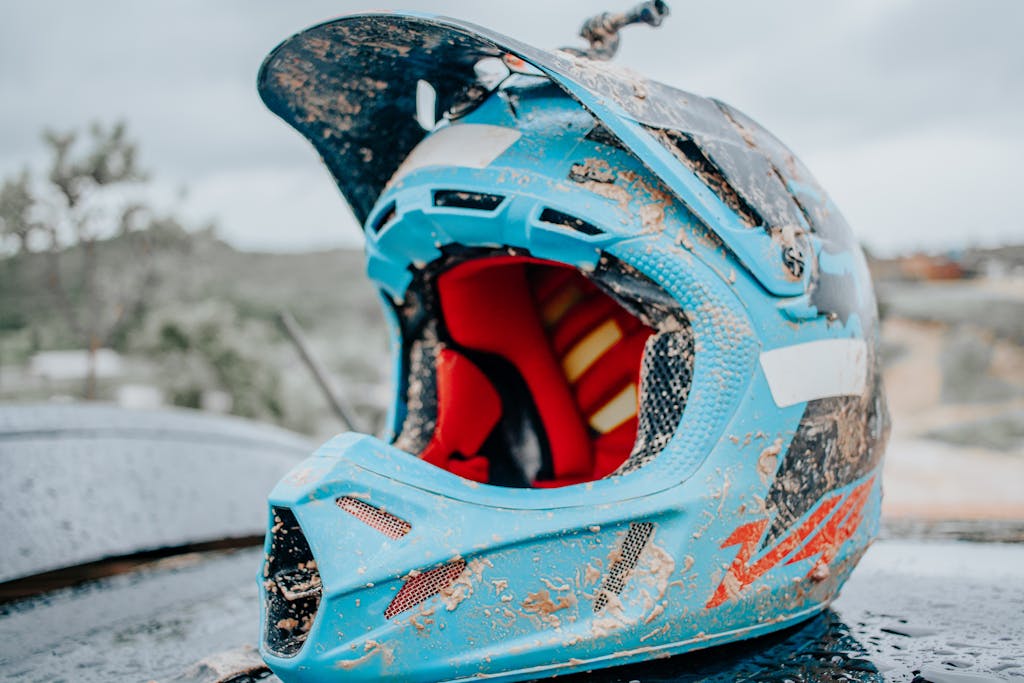
A helmet can look fine from the outside and still be unsafe after a fall. The inside foam is designed to absorb impact once, so a used or crashed helmet may no longer offer reliable protection.
That makes helmets risky donation items. Unless it is new and unused, it is better to recycle it if possible rather than give someone safety gear that may fail when they need it most.
Opened Makeup and Old Cosmetics
Opened makeup should not be placed in donation boxes, as it can harbor bacteria. Mascara, lipstick, foundation, and creams come into contact with the skin, eyes, and lips, making them unsafe to share.
Expired cosmetics are even worse because formulas can break down over time. Unopened, sealed products may be accepted by some organizations, but anything used should be discarded responsibly.
Used Pillows
Pillows collect sweat,skin cells, oils, dust mites, and allergens over time. Even when they appear clean, they are difficult to sanitize sufficiently for donation.
Most charities prefer new pillows in original packaging. Old pillows can sometimes be repurposed for pet bedding or textile recycling, but they should not be handed off as household donations.
Torn or Stained Clothing
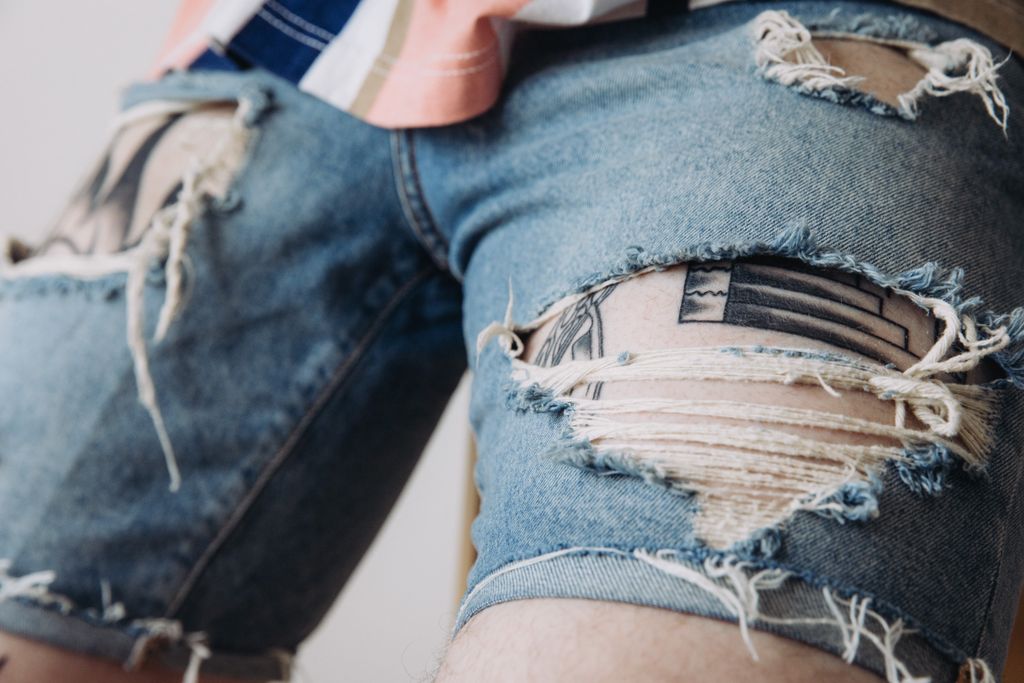
Charities need clothing people can actually wear. Shirts with heavy stains, broken zippers, strong odors, or major tears are usually not sellable or suitable for donation.
Donating damaged clothing may feel better than throwing it out, but it often creates more work for volunteers. If the item is beyond repair, look for textile recycling instead.
Shoes Without Their Pair
A single shoe rarely helps anyone. Most donation centers need complete pairs that are clean, wearable, and in decent condition. Mismatched shoes usually end up in the discard pile unless a specialty recycling program accepts them.
Before donating footwear, tie pairs together or place them in the same bag so they do not get separated.
Broken Furniture
A wobbly chair, stained couch, or cracked table may seem fixable, but charities may not have the time, money, or tools to repair it.
Large furniture also takes up valuable storage space. If furniture is unsafe or badly damaged, donating it simply shifts the disposal problem onto someone else.
Sell it for parts, repair it first, recycle it, or arrange for proper bulky-item pickup.
Hazardous Household Chemicals

Paint, pesticides, motor oil, solvents, and strong cleaning products should never be donated. These items can leak, spill, release fumes, or create dangerous reactions if stored improperly. Charities are not equipped to handle hazardous waste.
Your city or county likely has a safe drop-off program for household chemicals, paints, and other hazardous materials.
Dirty Towels and Bedding
Towels, sheets, and blankets can be useful donations only when they are clean and in good condition. If they are stained, smelly, torn, or damp, they become a sanitation problem.
Animal shelters may accept some worn towels or blankets, but you should always ask first. Never assume a charity can use linens that are not clean enough for a person to use.
Expired or Prescription Medications

Medication should never be placed in a donation box. Prescription drugs are regulated, and expired medicines may be unsafe, ineffective, or dangerous in the wrong hands.
The safer choice is to use a medication take back program at a pharmacy, police department, or local health agency. That protects both the public and the environment.