Trucks may feel like the ultimate symbol of freedom and power on the road, but owning one comes with a hidden set of challenges. From poor fuel economy to cramped interiors, the downsides can quietly add up.
Before you make that shiny pickup your next car, it’s worth looking at what life with a truck really involves.
Even if you think you’ll use it for hauling or towing, most people find their trucks are more of a burden than a benefit. The reality is that trucks are designed for very specific uses, and everyday drivers may not get the value they expect. Here’s what you need to know.
Most People Rarely Use a Truck’s Capabilities
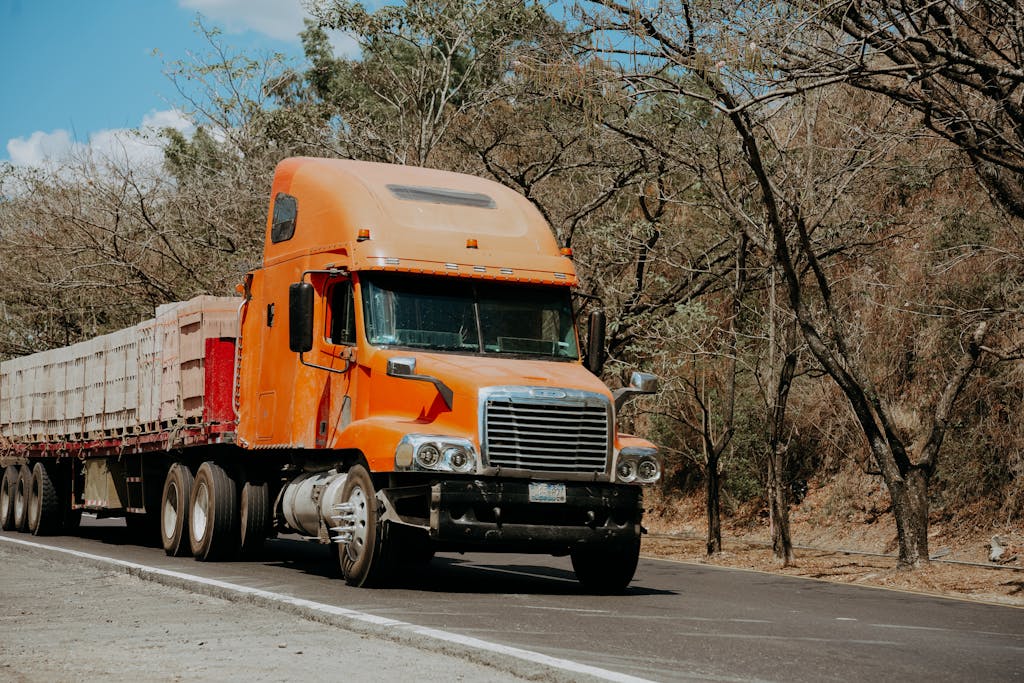
Trucks are designed to tow, haul, and tackle off-road terrain, but many owners never take advantage of these features.
Daily commuting, school runs, and errands rarely require such power. Paying extra for capabilities you never use can leave you with a truck that feels oversized for everyday life. Even occasional hauling doesn’t always justify the high cost and maintenance.
For many drivers, a standard SUV or crossover provides all the cargo space they need without the extra bulk. If you only tow a trailer or carry heavy loads once or twice a year, a truck may not make sense.
Size Makes Parking and Maneuvering a Challenge
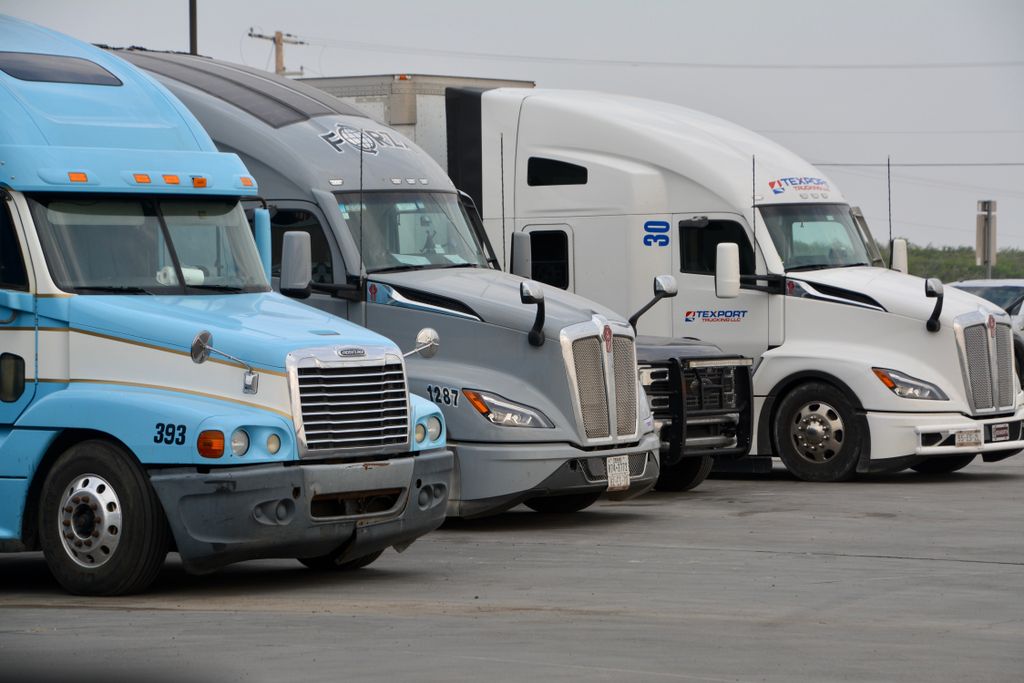
Modern pickups have grown considerably in length, width, and height. Fitting into parking spaces, navigating tight streets, and squeezing through traffic can be stressful.
Large trucks also make simple errands more time-consuming than in a smaller vehicle. Even experienced drivers can misjudge distances due to a truck’s elevated height.
Maneuvering in urban environments becomes more stressful, and parallel parking can feel daunting. The sheer bulk can turn everyday driving into a mental workout.
Loading Cargo Isn’t Always Convenient
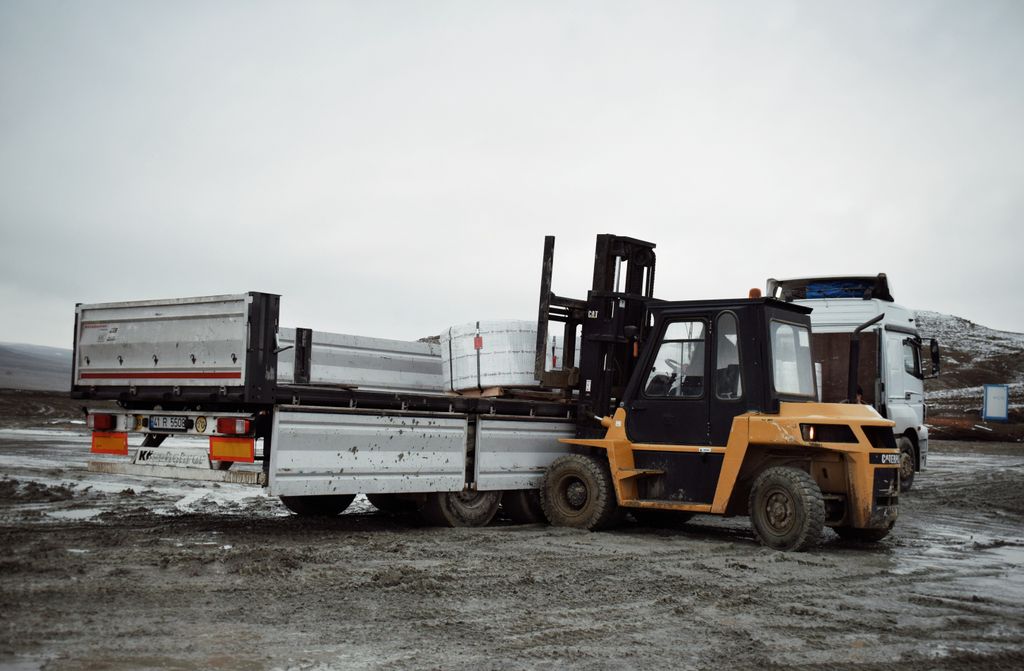
The truck bed is high off the ground, making heavy lifting cumbersome. Loading groceries, boxes, or furniture can quickly become awkward. Unlike SUVs, which have lower cargo floors, pickups require more effort to access and secure your items.
For smaller items, the bed may feel excessive and inconvenient. Many owners find themselves avoiding it altogether, limiting the truck’s usefulness. The convenience of hauling often comes with the hidden cost of extra strain on your back.
Exposed Truck Beds Offer Little Security
Unlike hatchbacks or SUVs, trucks do not offer secure storage for valuables in the bed. Anything left outside is vulnerable to theft or the weather.
This can be frustrating if you frequently transport tools, electronics, or groceries. Adding bed covers or toolboxes is an extra cost, but even then, the space feels less private than interior storage.
Every day, convenience often suffers, making trucks less practical for items you want protected.
Smaller Cabs Can Feel Cramped
Some trucks come with small or extended cabs that limit rear passenger comfort. Legroom may be minimal, and seats can feel tight for adults.
Crew cabs increase space but also increase vehicle size, complicating parking and driving. This can make long trips or daily commutes less comfortable than a standard SUV or sedan. Passenger space is often traded for the utility of the bed, leaving families and friends in a tighter spot than expected.
Body-On-Frame Design Reduces Efficiency
Most trucks use body-on-frame construction, which adds strength but also weight. The heavier frame makes trucks less aerodynamic and more fuel-hungry than car-based crossovers.
Over time, the extra weight contributes to higher fuel bills and a larger carbon footprint. This traditional design also makes trucks feel stiffer on the road.
While it excels in rugged environments, the payoff for everyday urban or suburban driving is often minimal.
Poor Fuel Economy
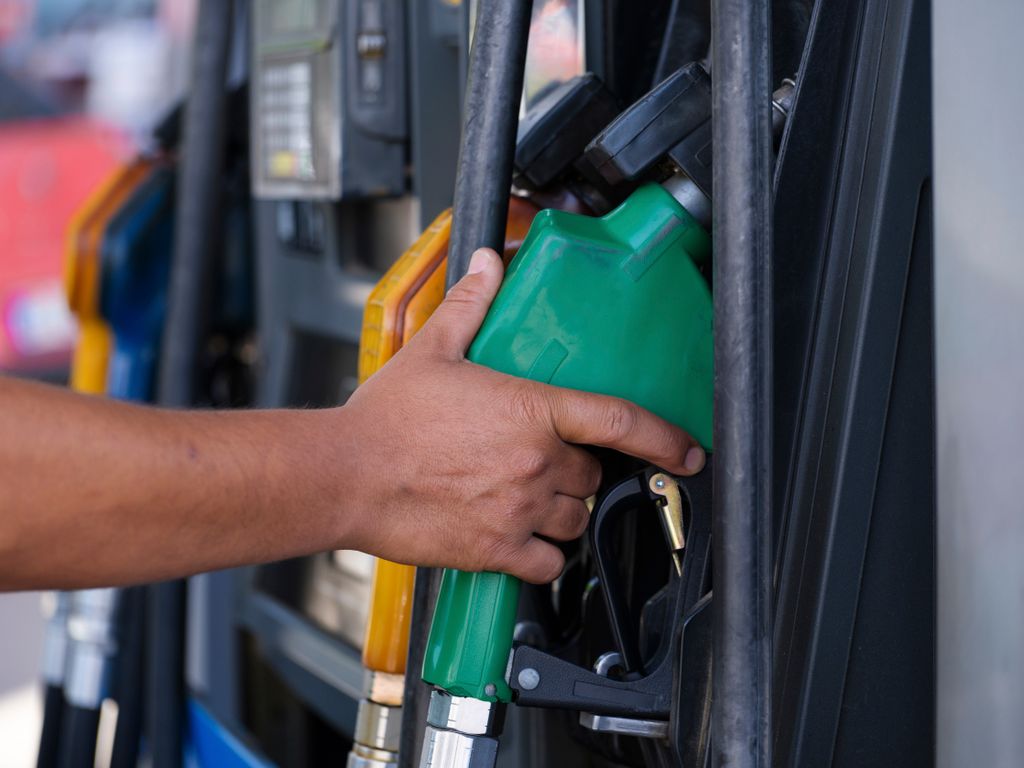
Fuel efficiency is one of the most obvious downsides of owning a pickup. Many full-size trucks average less than 20 miles per gallon, and heavier towing or off-road driving reduces it further.
Filling up frequently can add high costs over time. Compared to SUVs, sedans, or hybrids, trucks are expensive to operate on fuel alone. Even newer, more efficient models still lag behind smaller vehicles in gas mileage.
Environmental Impact
Higher fuel consumption translates to greater greenhouse gas emissions. Trucks are inherently less eco-friendly than cars or smaller SUVs, which can be a concern for environmentally conscious drivers.
Choosing a truck comes with a hidden environmental cost. Electric trucks are emerging, but most pickups on the road today still rely on gas or diesel engines.
For those worried about sustainability, owning a truck may conflict with personal environmental goals.
Trucks Are Expensive

The base price of full-size pickups has climbed to around $40,000, with higher trims often exceeding $50,000. Insurance, maintenance, and fuel costs increase the overall financial commitment.
For buyers on a budget, trucks may not provide sufficient value compared to other vehicles. Even modest add-ons or bed accessories add up quickly.
The total cost of ownership can surprise first-time truck buyers who only consider the sticker price.
Owning a Truck Makes You the Neighborhood Helper
This is less about mechanics and more about lifestyle. Friends, family, and neighbors may assume you are always available for moving, towing, or hauling tasks.
Being the designated helper can feel exhausting rather than empowering. While having a truck is convenient, it often comes with expectations that are not required of other drivers. This social cost is an overlooked downside of owning a pickup.