Deep-fried foods
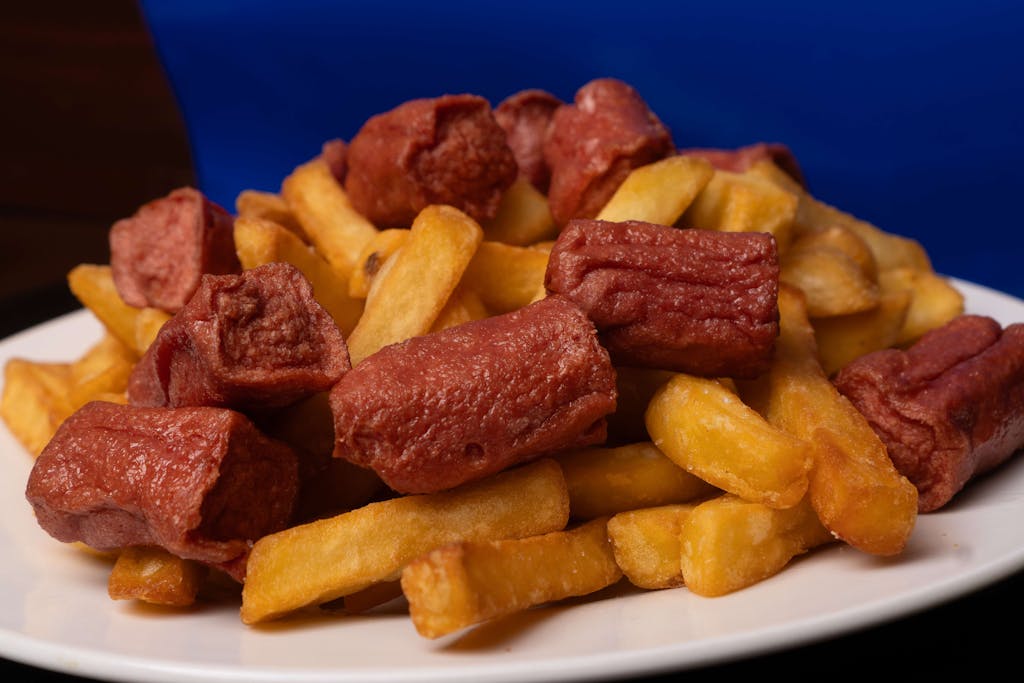
Hot oil and pressure cooking are a terrible match. The Instant Pot is built to trap steam and build pressure, not to handle bubbling oil the way a deep fryer does.
Trying to fry chicken, fries, doughnuts, or anything else in a sealed pressure cooker can damage the appliance and create a serious safety risk.
Even if nothing dramatic happens, the food will not come out right. Fried food needs open heat, air movement, and space for moisture to escape, which is why a skillet, deep fryer, or air fryer works better.
Inside an Instant Pot, steam softens the coating instead of crisping it, leaving you with greasy breading and a bad mood.
Popcorn

Popcorn sounds like a fun Instant Pot experiment until the kernels refuse to cooperate. Popcorn needs fast, intense, dry heat so the moisture inside each kernel can build pressure and burst.
The Instant Pot does not heat the same way a stovetop pot or microwave bag does, so many kernels may stay stubbornly unpopped.
The popped pieces can also become chewy because trapped moisture has nowhere to go. That turns a simple snack into a bowl of half-popped kernels and sad, soft popcorn.
For movie night, the easier answer is still the best one: use the microwave, stovetop, or an actual popcorn maker.
Creamy dairy sauces
Milk, heavy cream, sour cream, and cheese can turn ugly under pressure. High heat can separate dairy, leaving the sauce grainy, curdled, or oily instead of smooth.
That dreamy, creamy pasta idea can quickly turn into a pot full of broken sauce and sticky residue.
The better move is to pressure-cook the main ingredients first, then stir in the dairy at the end, after the pressure has released.
This keeps sauces smoother and gives you more control over texture. The Instant Pot can help build the meal, but dairy usually deserves a gentler final touch.
Delicate seafood
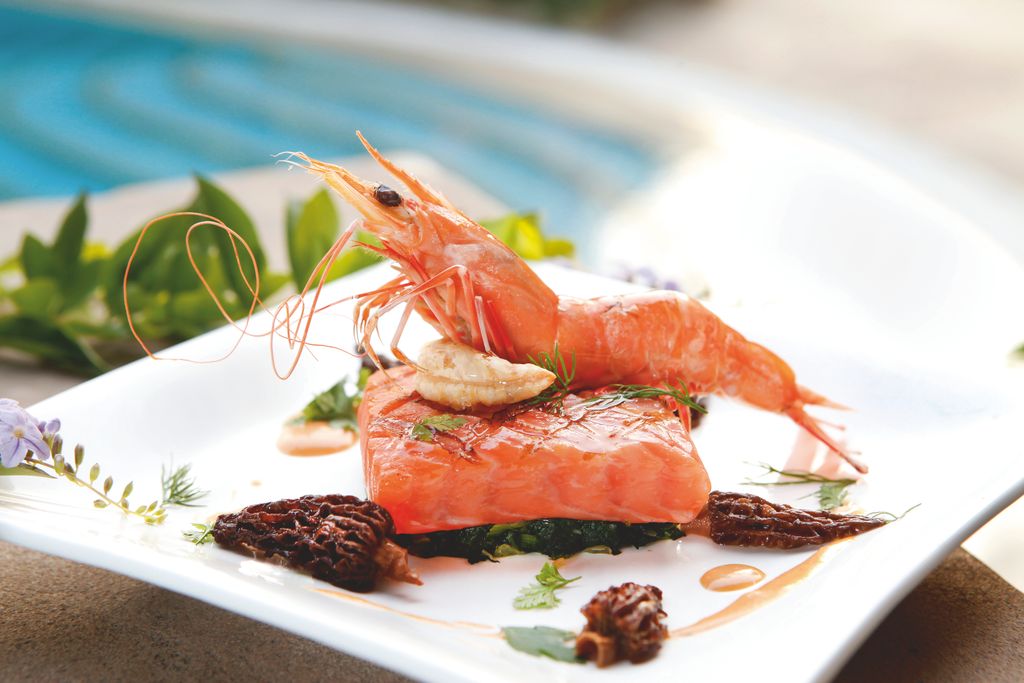
Shrimp, scallops, thin fish fillets, squid, and similar seafood cook too quickly for most pressure cooker meals. A few extra minutes can turn tender seafood into rubber.
Since the Instant Pot needs time to build pressure and release it, delicate seafood can overcook before you even realize what happened.
Seafood also tends to leave behind a strong smell inside the sealing ring. That smell can linger and quietly haunt your next batch of rice, soup, or beans.
If you want seafood that tastes fresh and tender, a skillet, steamer basket, or oven usually gives you better control.
Pasta without careful timing
Pasta in an Instant Pot can work in some recipes, but it is also one of the easiest ways to make a gummy mess.
Pasta begins softening before the pot reaches pressure, then continues cooking during the pressure cycle and release. That timing can push noodles past tender and straight into mush.
This gets worse with thin pasta, small shapes, or recipes with too much liquid. The starch can cause the mixture to foam, stick, or develop a heavy texture that feels nothing like fresh stovetop pasta.
If pasta is the star of the dish, boiling it separately often gives the best bite.
Broccoli and zucchini
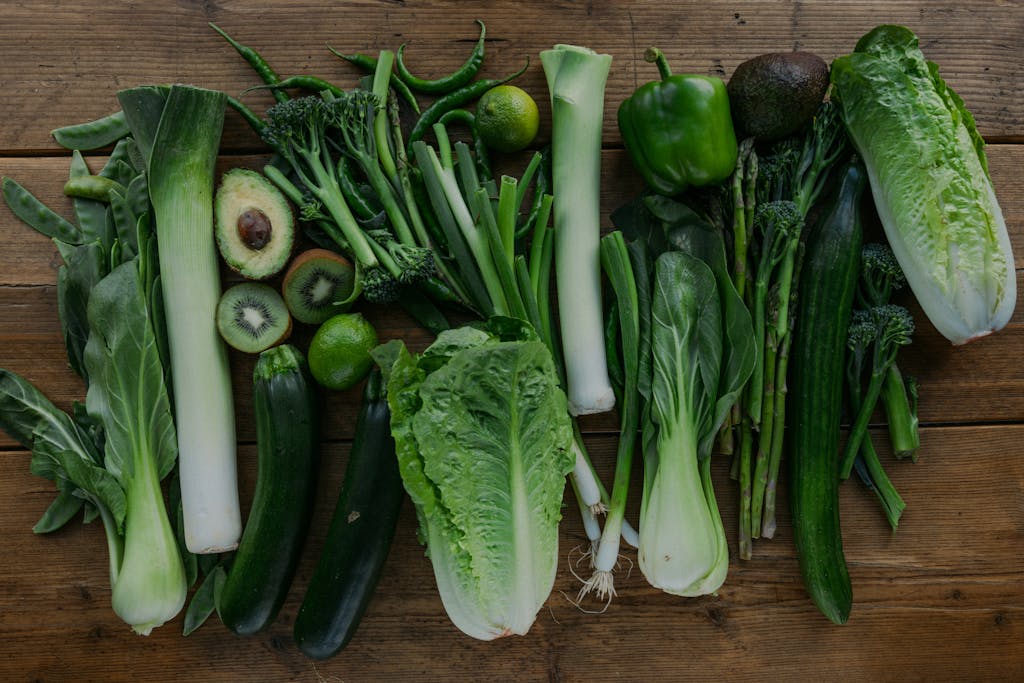
Tender vegetables can lose their charm fast in an Instant Pot. Broccoli, zucchini, asparagus, peas, and spinach do not need much time to cook, so pressure cooking can make them limp, dull, and watery.
Zucchini can practically disappear into a sauce if it spends too long under pressure.
These vegetables are better added after the main cooking cycle or cooked quickly on the side. A short sauté or light steam keeps their color, shape, and texture intact.
The Instant Pot is great for tough ingredients, but delicate vegetables need a lighter hand.
Lean cuts of meat
Lean cuts like pork loin, chicken breast, and some steaks can dry out under pressure if the timing is off. The Instant Pot shines with tougher cuts that have connective tissue and enough fat to become tender.
Lean meat has less protection, so pressure can leave it tight, dry, and bland.
This is why chuck roast, short ribs, pork shoulder, and stewing meats usually perform better
They benefit from moisture and pressure because they need time to break down. Lean cuts often taste better when seared, roasted, grilled, or cooked quickly with close attention to detail.
Cookies and crispy baked goods

Cookies need dry heat, space, and direct baking conditions to develop golden edges. The Instant Pot traps steam, which works against everything a good cookie needs.
Instead of crisp edges and a chewy center, you may get pale, soft dough rounds that feel more steamed than baked.
The same problem applies to many foods that depend on crunch, crust, or browning. Biscuits, crackers, and crispy pastries do not belong in a moist pressure environment. If the goal is a crisp bite, the oven remains the better tool.
Low-acid foods for canning
Using an Instant Pot for home canning can be risky, especially with low-acid foods like vegetables, meat, beans, seafood, and soups.
Safe canning depends on tested equipment, correct pressure, proper jar size, altitude adjustments, and verified processing times. A regular electric multi-cooker is not the same thing as a tested pressure canner.
This matters because low-acid foods can create conditions that allow dangerous bacteria to survive if the process is handled incorrectly.
Canning is one kitchen task where shortcuts can carry real consequences. For shelf-stable preservation, it is safer to use approved canning methods and equipment designed for that job.
The Instant Pot is still one of the most useful appliances in a busy kitchen, but it performs best when used for the foods it was built to handle. Beans, stews, soups, tough meats, rice dishes, and hearty meals can come out beautifully.
The trouble starts when we expect one appliance to replace every cooking method in the kitchen.