Steak has a funny way of wearing a health halo and a warning label at the same time. It gives you protein, iron, zinc, and that rich, satisfying flavor people crave after a long week. At the same time, the wrong cut can turn a simple dinner into a heavy plate loaded with excess fat, oversized portions, and calories you never planned for. That is why choosing the right steak matters more than most people think.
The healthiest cuts of steak are usually the leaner ones. They still give you that beefy flavor, but they do not carry as much visible marbling or heavy fat as richer cuts like ribeye or brisket. The trick is knowing what to buy, how to cook it, and how to keep the meal balanced without making it feel boring. Here are five smarter steak choices that help you enjoy beef without letting dinner become a nutritional mess.
Eye of Round Can Save You From a Fat, Heavy Steak Mistake

Eye of round is one of the leanest steak cuts you can buy, which makes it a strong choice for anyone trying to enjoy beef without going overboard on fat. It comes from the cow’s rear leg, so it is naturally firm, tight, and much less marbled than richer steakhouse favorites. That lower fat content is exactly what makes it useful for a healthier steak dinner.
The downside is tenderness. Eye of round can turn tough if you treat it like a buttery ribeye and throw it on high heat without a plan. This cut needs moisture, patience, and smart seasoning. A marinade can help soften the texture, especially one with vinegar, citrus, garlic, herbs, or a small amount of olive oil.
For the best results, slice the eye of round thinly against the grain after cooking. That one step can make a big difference by shortening the muscle fibers and making each bite easier to chew. It works well in steak salads, grain bowls, wraps, and quick stir-fry meals. Instead of making it the giant center of the plate, use it as a lean protein that supports the rest of the meal.
Tenderloin Can Be Healthy, But Only If You Do Not Overdo It
Tenderloin has a fancy reputation, and for good reason. It is soft, mild, and naturally tender, which makes it one of the easiest leaner cuts to enjoy. Many people know it as filet mignon, the elegant steak that appears on special-occasion menus. Compared with fattier cuts, it can be a smarter choice when you want something tender without too much marbling.
The problem is that tenderloin can become expensive and easy to over-serve. Because it feels lighter and softer than richer cuts, people may forget that portion size still matters. A smaller piece can be enough, especially when the plate includes vegetables, whole grains, or a bright salad.
Tenderloin does not need much help. Salt, pepper, garlic, and a hot pan can do the job. Sear it quickly, avoid overbuttering, and let it rest before slicing. This keeps the texture juicy and prevents the need for heavy sauces.
For a healthier dinner, treat tenderloin as the premium accent, not the whole event. Add asparagus, green beans, mushrooms, spinach, or a crisp salad beside it. That way, you keep the luxury of steak while avoiding the trap of a plate that is all meat and no balance.
Top Round Keeps Dinner Lean Without Losing Real Steak Flavor
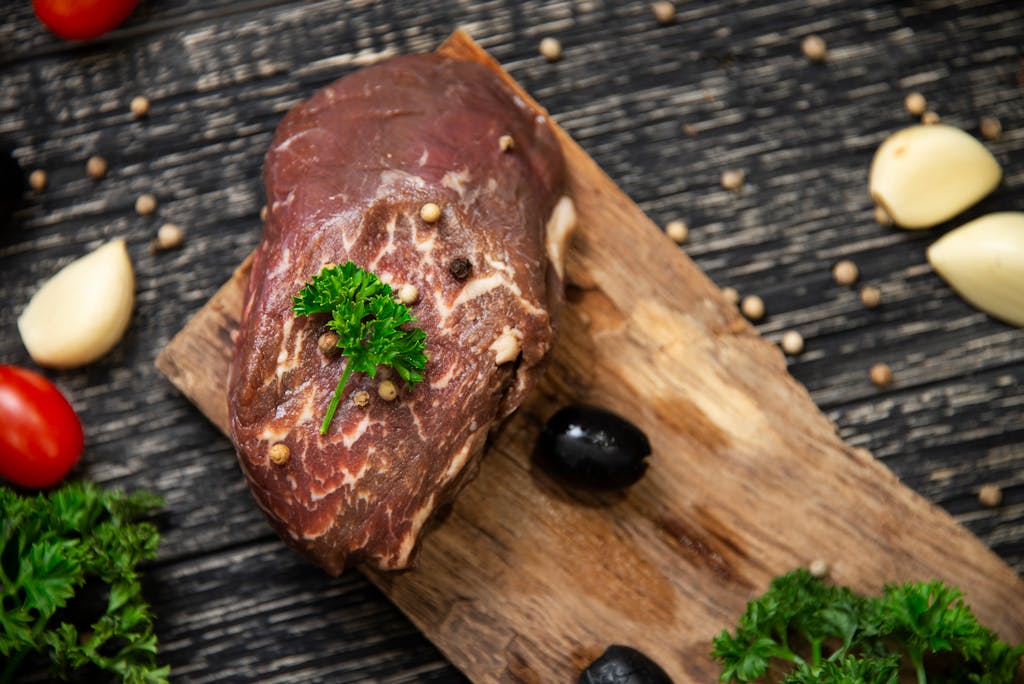
Top round is another lean steak cut that often gets overlooked because it lacks the glamorous reputation of filet mignon or New York strip. That is actually part of its appeal. It gives you a serious beef flavor without the heavy marbling that can make some steaks feel too rich. For people watching their saturated fat intake, top round is a practical pick.
This cut also works well for meal prep. You can cook it once, slice it thin, and use it across several meals during the week. It pairs well with salads, sandwiches, rice bowls, tacos, and vegetable-heavy plates. That makes it useful for anyone who wants steak flavor without having to rely on huge portions.
The top round does best when you avoid overcooking it. Medium rare to medium usually gives a better texture than well done. If you cook it too long, it can become dry and chewy. A simple marinade with herbs, pepper, garlic, lemon juice, and a small splash of oil can help keep it flavorful without turning it into a calorie bomb.
The smartest way to serve top round is with volume from vegetables. Add roasted broccoli, greens, peppers, mushrooms, or a bean salad, and suddenly a modest steak portion feels like a full meal. That balance keeps the plate satisfying without letting the steak take over everything.
Bottom Round Can Go Wrong Fast Unless You Cook It Slowly

Bottom round is lean, affordable, and useful, but it can punish lazy cooking. Since it comes from a hardworking muscle, it has less fat and more chew. That makes it a healthier choice in terms of fat content, but it also means you need to cook it with care. If you rush it, you may end up with dry meat that feels more like homework than dinner.
This is where slow cooking helps. Bottom round works beautifully when braised, roasted gently, or cooked low and slow until the fibers relax. It is the kind of cut that benefits from broth, onions, garlic, herbs, and time. Instead of chasing a steakhouse sear, think of it as a lean beef option for hearty, comforting meals.
One smart way to use bottom round is to roast it, then slice it thin for multiple meals. It can become a lighter roast beef sandwich, a protein topping for a salad, or a filling for a vegetable-packed dinner bowl. Since the cut is naturally lean, the flavor should come from spices, aromatics, and cooking technique rather than heavy sauces.
Be careful with creamy gravies and butter-loaded finishes. Those extras can undo the benefit of choosing a leaner cut in the first place. Bottom round is healthiest when you keep the preparation simple, savory, and portion-controlled.
Top Sirloin Helps You Avoid the Ribeye Trap
Top sirloin is one of the best choices for people who want steak that still feels like steak. It is leaner than many popular cuts, but it has enough tenderness and flavor to satisfy the craving. That makes it a good middle ground between very lean round cuts and fattier restaurant-style steaks.
This cut is especially useful for grilling or pan-searing. It can handle direct heat better than some tougher lean cuts, which makes it easier for home cooks. A little salt, pepper, garlic, and smoked paprika can bring out the flavor without needing a heavy marinade or sugary sauce.
Top sirloin also helps with portion control because it feels satisfying even in a smaller serving. You do not need a giant slab to feel like you had a real steak dinner. Pair it with roasted sweet potatoes, sautéed greens, grilled vegetables, or a fresh salad, and the meal feels complete without being excessive.
The biggest mistake is treating top sirloin like an excuse to pile on extras. Butter, creamy steak sauce, fried sides, and oversized portions can turn a smart cut into a heavy meal. Keep the sides simple, let the steak carry the flavor, and you get a dinner that feels indulgent without being reckless.
Conclusion
A healthy steak dinner does not mean giving up steak. It means choosing cuts that align with your goals rather than quietly working against them. Eye of round, top round, bottom round, top sirloin, and tenderloin all give you ways to enjoy beef with a smarter balance of flavor, protein, and lower fat.
The real danger is not the steak itself. It is picking the fattiest cut, doubling the portion, adding heavy sauces, and pretending the plate is still light. Choose leaner cuts, cook them properly, and build the meal around vegetables and satisfying sides. That is how steak stays enjoyable without becoming the reason your healthy dinner falls apart.