Raw Meat
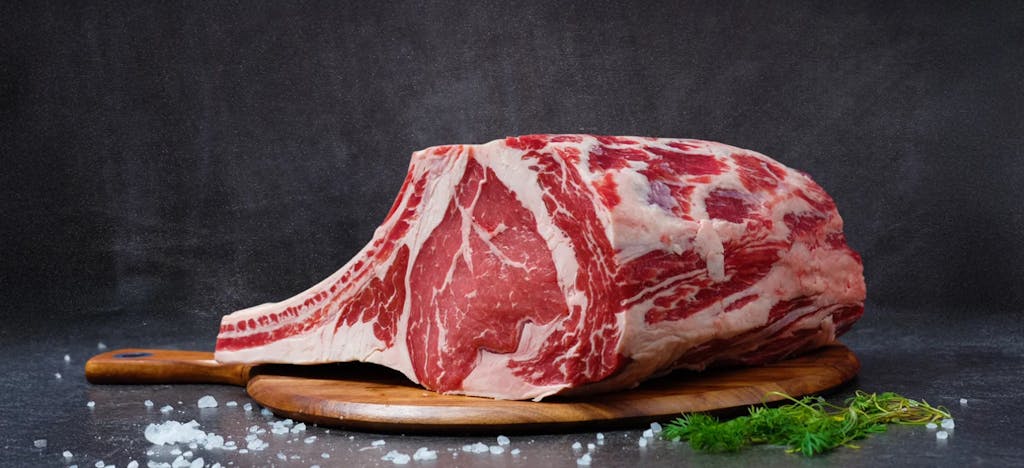
Raw meat should never sit on the kitchen counter longer than necessary. Chicken, beef, pork, and seafood can carry bacteria that spread easily to nearby utensils, plates, produce, and hands.
One small leak from a meat package can turn a clean prep space into a cross-contamination problem.
The safest habit is to keep raw meat in the refrigerator until you are ready to cook it.
Use a separate cutting board, clean the area right away, and avoid placing other food near it. A counter may look clean after a quick wipe, but raw meat needs a more serious cleanup.
Medications
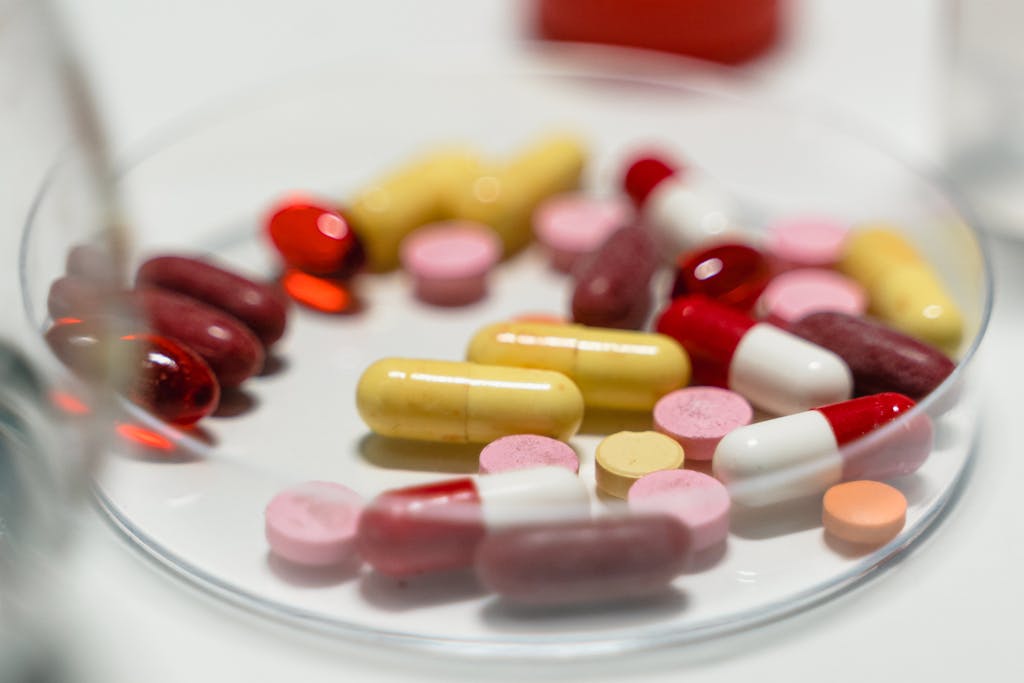
Medicine bottles may seem convenient near the coffee maker or sink, but the kitchen counter is not the best place for them.
Heat, light, steam, and humidity can affect pills, vitamins, and supplements over time. A bottle sitting near a stove or kettle can be exposed to changing conditions every day.
There is also a safety issue if children, pets, or guests can easily reach them. Medication should be stored in a cool, dry place where it stays protected and out of sight.
The kitchen counter may feel practical, but convenience is not worth the risk.
Phones, Keys, Mail, and Cash
The kitchen counter often becomes a landing zone for everything people carry in from outside. Phones touch public surfaces, keys fall on dirty tables, mail moves through many hands, and cash can carry grime from countless places.
Once these items land near your food prep area, they bring outside germs into the kitchen.
This does not mean you need to panic every time you bring in groceries or open mail. It simply means your counter should not be the default drop zone for personal items.
A small tray near the door can keep those things away from the place where dinner is made.
Spices
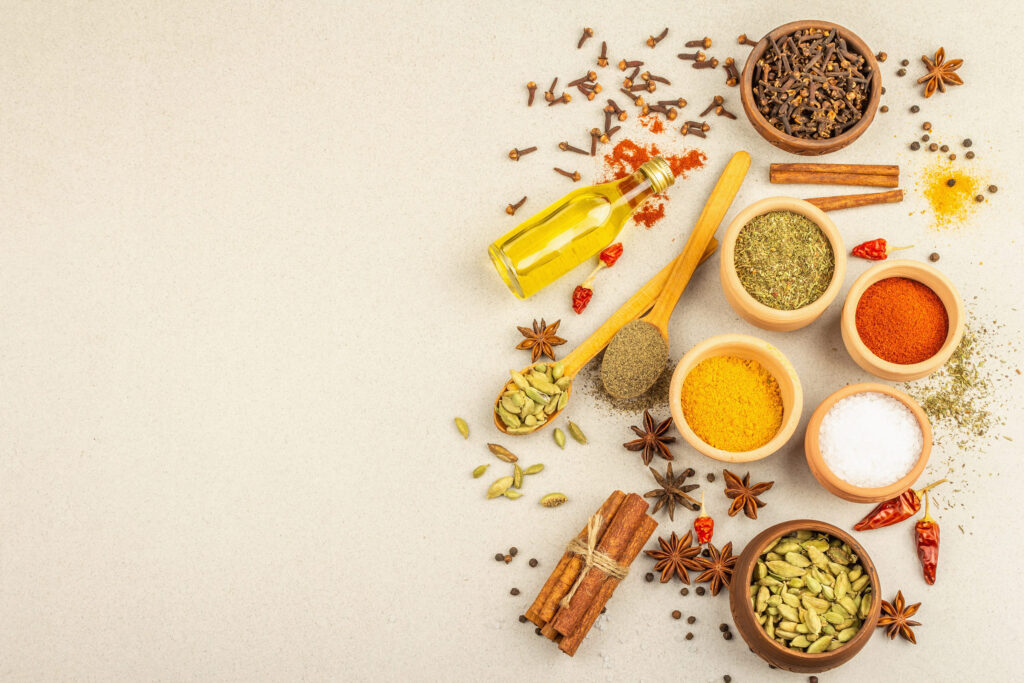
Spice jars look cute on the counter, especially when they are lined up near the stove. The problem is that heat, sunlight, and moisture can weaken their flavor faster.
A spice that should make food taste bold can turn dull when it sits in the wrong place for too long.
This is especially true for spices stored in clear jars or near cooking steam. Cabinets, drawers, or dark pantry shelves help preserve their aroma and taste.
If you want your food to taste better, your spices need shade and distance from heat.
Cooking Oils
Cooking oils are another countertop favorite that can go bad more quickly when exposed to light and heat. Olive oil, vegetable oil, avocado oil, and other oils can lose freshness and develop an unpleasant taste when they sit too close to the stove.
A pretty bottle on the counter may look useful, but it may not be doing the oil any favors.
Oil can also stain some countertop surfaces if it drips, leaks, or seeps into porous material. This is one of those small kitchen mistakes that can become annoying over time.
Store oils in a cool, dark cabinet and wipe bottles before putting them away.
Knives and Cutting Boards
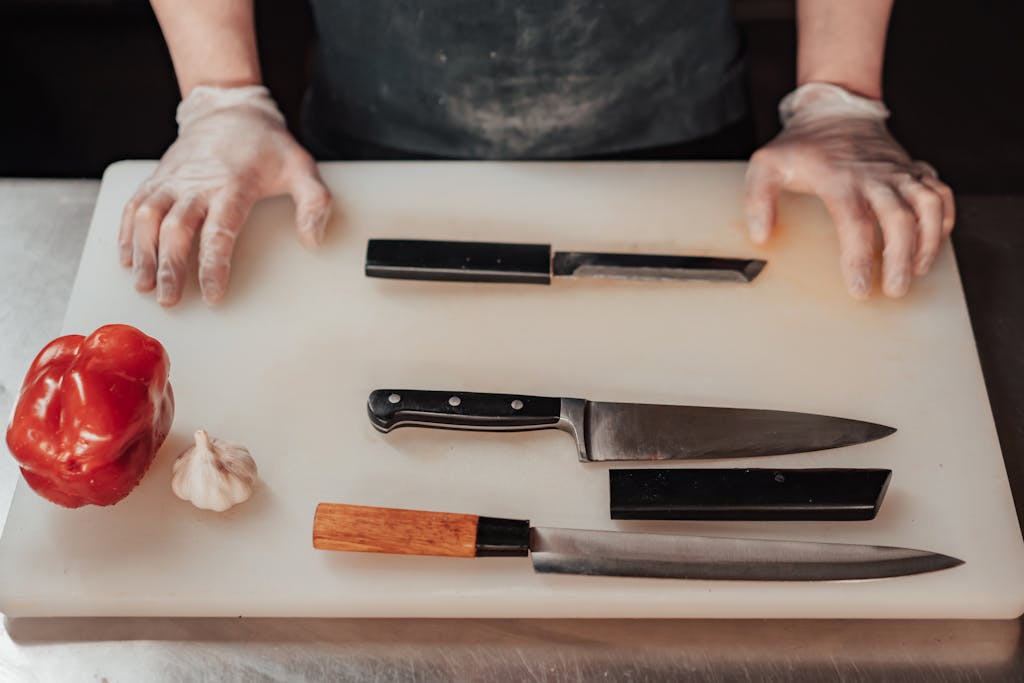
Knives do not belong scattered across a counter after cooking. They can cause cuts, especially in homes with children, pets, or anyone rushing through the kitchen.
Even a knife that looks safely placed can become dangerous when someone reaches for something nearby.
Cutting boards can also hold food residue, especially after raw meat, onions, garlic, or strong-smelling ingredients.
Leaving them out without washing and drying them properly can make the kitchen smell bad and feel unsanitary. Clean them quickly, let them dry well, and store them upright or in a safe cabinet.
Perishable Fruits and Vegetables
Some produce looks beautiful in a bowl, but not all fruits and vegetables belong on the counter. Berries, leafy greens, cut fruit, and many delicate items spoil faster at room temperature.
That starts as a charming display can quickly become soft, moldy, or wasted food.
Other produce needs a cool, dark place instead of bright counter space. Potatoes, onions, and yams often last longer when kept away from heat and direct sunlight.
A good storage habit helps food last longer and saves money that would otherwise go straight into the trash.
Pet Food and Pet Bowls
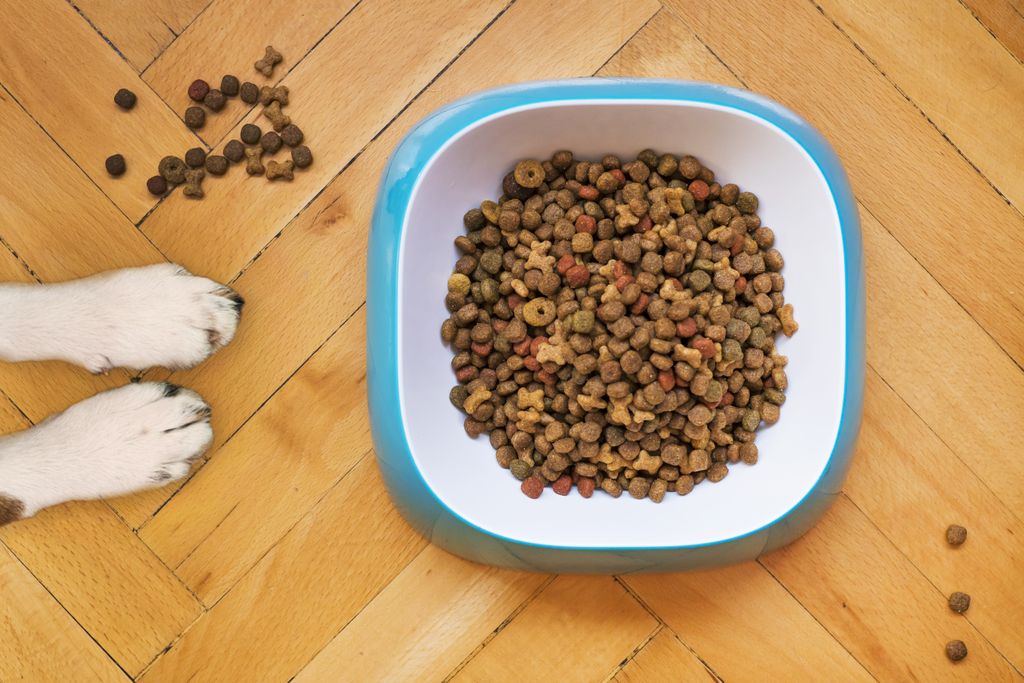
Pet food should stay away from kitchen counters, even if it feels easier to keep it there. Kibble, treats, and wet food can attract ants, roaches, rodents, and other pests when left exposed.
Pet bowls can also carry saliva, crumbs, and bacteria that do not belong near human food.
The better option is to feed pets in a separate spot and store their food in sealed containers. This keeps the kitchen cleaner and reduces the likelihood of pest problems. Your counter should be for food prep, not a pet buffet.
The Kitchen Counter Should Not Be a Storage Unit
A clean counter makes the whole kitchen feel calmer, safer, and easier to use. It gives you space to cook without moving clutter from one side to the other.
It also reduces the risk of mixing dirty items with food, which is the kind of mistake most people don’t notice until it becomes a problem.
The best rule is simple. If an item does not help you prepare food right now, it probably does not need to live on the counter. A little extra storage discipline can make your kitchen look better, smell fresher, and feel far less chaotic.