A perfectly cooked steak is more than just a piece of meat. The crust, the juiciness, the marbling, all of it creates a sensory experience that deserves respect. Even the most expensive cut can feel cheap when paired with the wrong sides or sauces, so choosing carefully is essential for a restaurant-quality meal at home.
We take steak seriously. Every element on the plate should either highlight the beef’s natural flavour, provide a textural contrast, or offer a refreshing counterpoint. Missteps happen when sweetness, heaviness, or conflicting textures dominate the bite, leaving the steak lost in its own dinner.
Ketchup Clashes with Umami and Crust
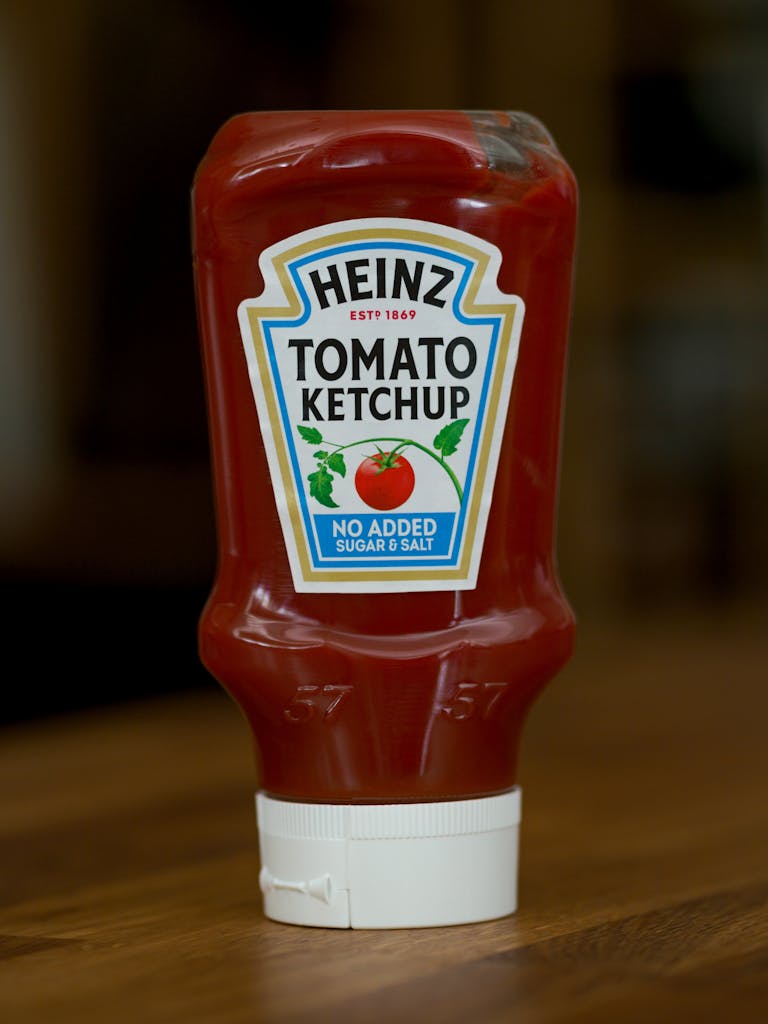
Ketchup is rarely the right choice for steak. Its sugary acidity overwhelms the roasted, umami-rich crust of a well-seared cut. Flavor science shows that sweetness can mask savory notes, preventing your palate from appreciating the meat’s natural depth.
A better option is a sauce or topping that enhances the beef’s umami or contrasts with bright acidity. A touch of chimichurri, a spoon of red wine reduction, or a small dab of horseradish cream complements the meat rather than drowning it out.
Sweet Barbecue Sauce Overpowers the Meat
Sugary barbecue sauce can turn a tender ribeye into a sticky, confusing bite. The sweetness repeats the smoky notes already present in the crust, making the steak feel heavy and unbalanced. Temperature contrast worsens this; a hot steak with a thick, sugary glaze feels cloying instead of luxurious.
For steakhouse-style flavor, a dry rub or lightly reduced sauce preserves the meat’s integrity while adding depth. Using spice and smoke rather than sugar ensures the steak remains the centrepiece.
Dessert-Style Sweet Potatoes Distract From the Beef
Loaded sweet potatoes, drizzled with sugar, butter, or marshmallows, overpower the steak and disrupt mouthfeel. Nutrition-wise, pairing high-fat meat with dense, sugary sides can leave the meal feeling unbalanced and overly heavy.
Roasted sweet potato wedges seasoned with smoked paprika, salt, and a hint of citrus preserve the vegetable’s natural sweetness while supporting, not fighting, the steak. Simplicity allows the meat to remain the focus.
Applesauce Is Misguided on a Beef Plate
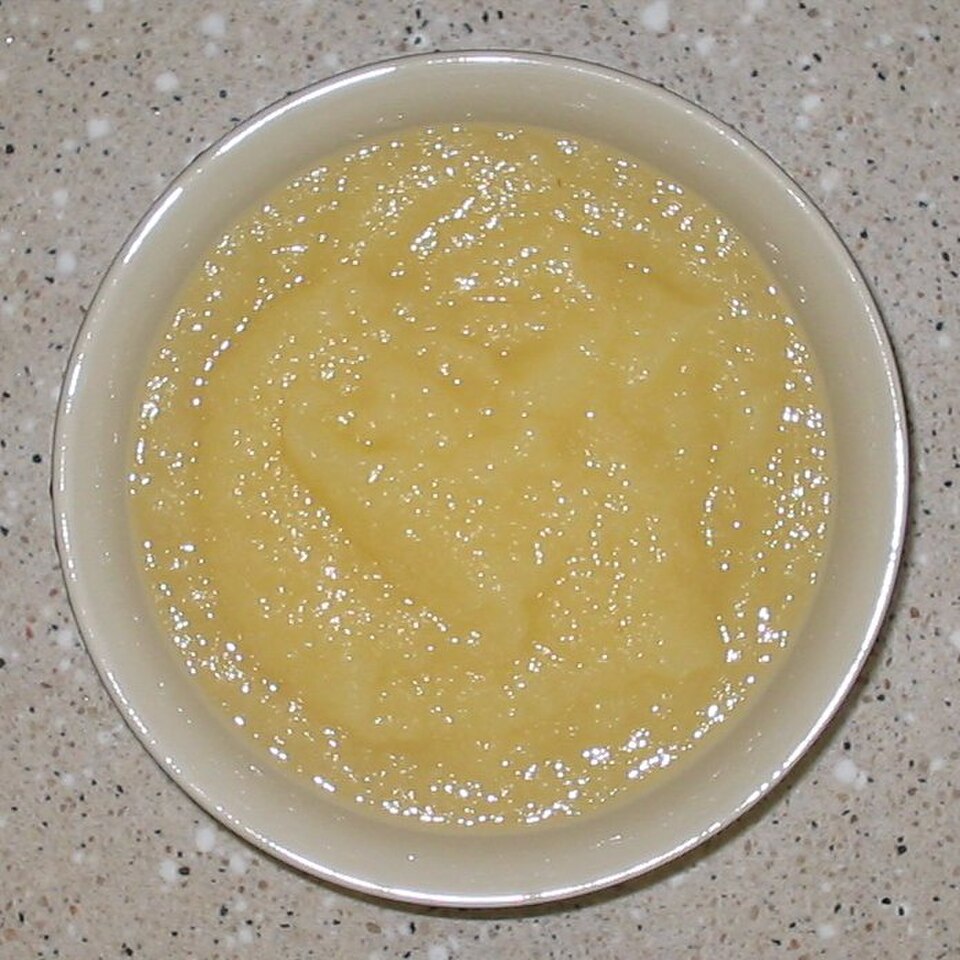
Fruit accompaniments work best with mild proteins like pork, but applesauce next to steak creates an awkward clash of flavours and textures. The sweetness, smooth consistency, and cool temperature distract from the meat’s crust and fat richness.
If fruit is desired, subtlety is key. A few roasted figs, a pomegranate garnish, or a wine-reduced berry sauce can brighten the plate without stealing the spotlight. These controlled applications enhance flavour through contrast, not conflict.
Creamy Pasta Feels Like a Second Entrée
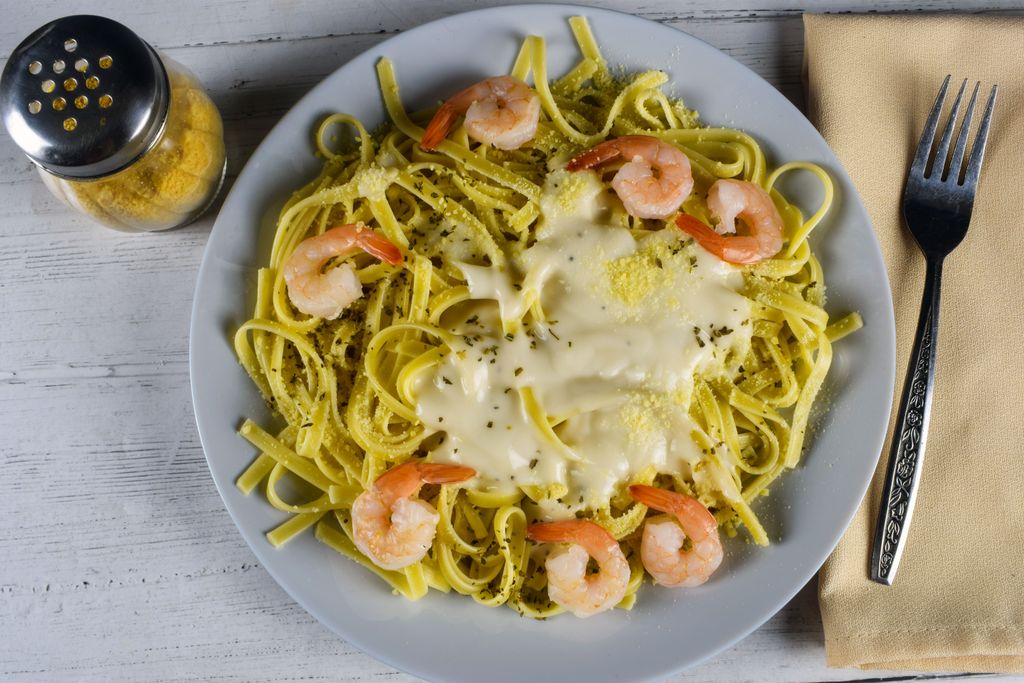
Rich pasta dishes next to steak can make the plate feel cluttered. Both are main-course-calibre items, and combining them often diminishes the impact of each. Taste perception and visual cues show that lighter, oil-based pasta or herb-seasoned grains work far better than heavy cream sauces.
This principle aligns with cultural pairing practices. In Italy or Argentina, steak rarely shares the plate with dense pastas. Instead, the sides are carefully chosen to complement the protein rather than compete with it.
Mac and Cheese Competes with Richness
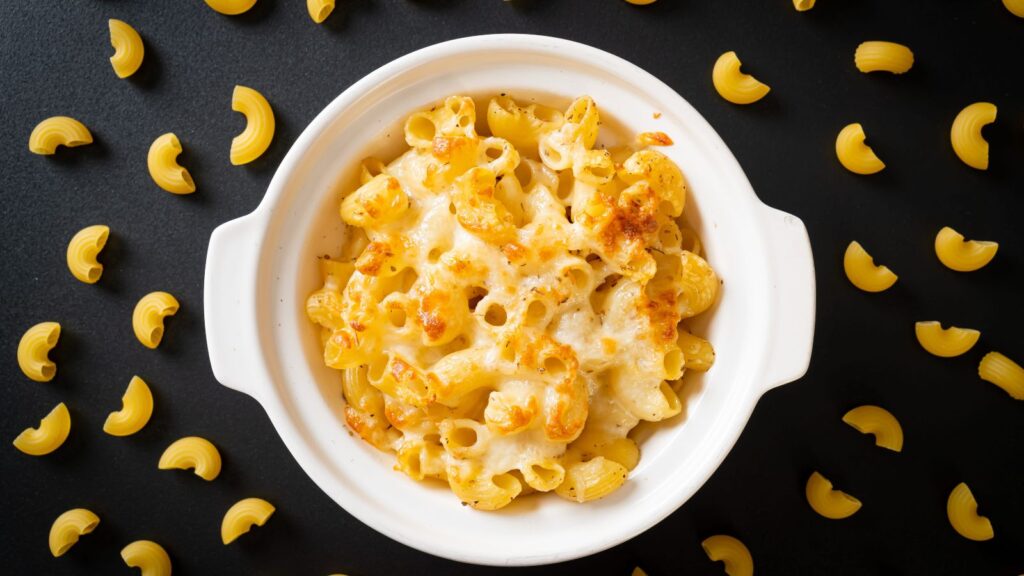
Macaroni and cheese is indulgent, but pairing it with a fatty steak creates a double dose of heaviness that numbs the palate. Creamy pasta coats the tongue, dulling the perception of the steak’s seared surface and tender interior.
Better textural and flavour contrast comes from crisp vegetables, roasted root vegetables, or even lightly buttered potatoes. These sides provide structure and refreshment while allowing the beef to shine.
Heavy Tomato Sauce Masks the Flavor
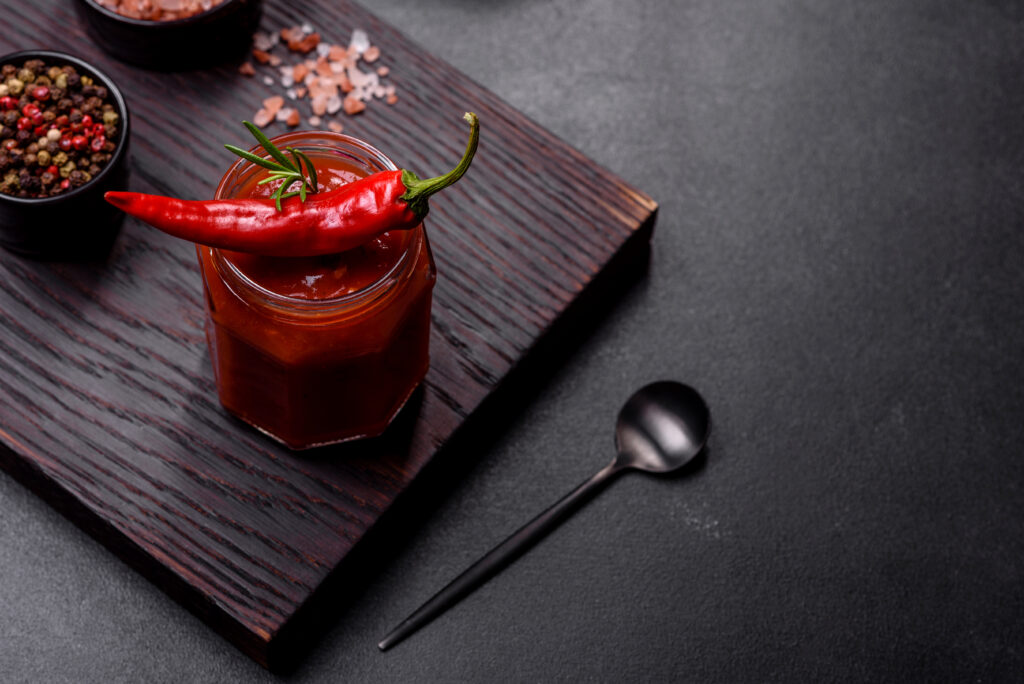
Tomato sauce’s acidity and sweetness can fight the natural umami of steak. While fresh tomatoes or a controlled garnish of cherry tomatoes brighten the plate, traditional pasta-style sauces tend to dominate the palate and obscure the meat’s richness.
A focused approach is critical. Consider light tomato-based accents incorporated into a chimichurri, salsa verde, or roasted vegetable medley, which preserve the steak’s flavour while adding colour and freshness.
Plain Yellow Mustard Is Too Harsh
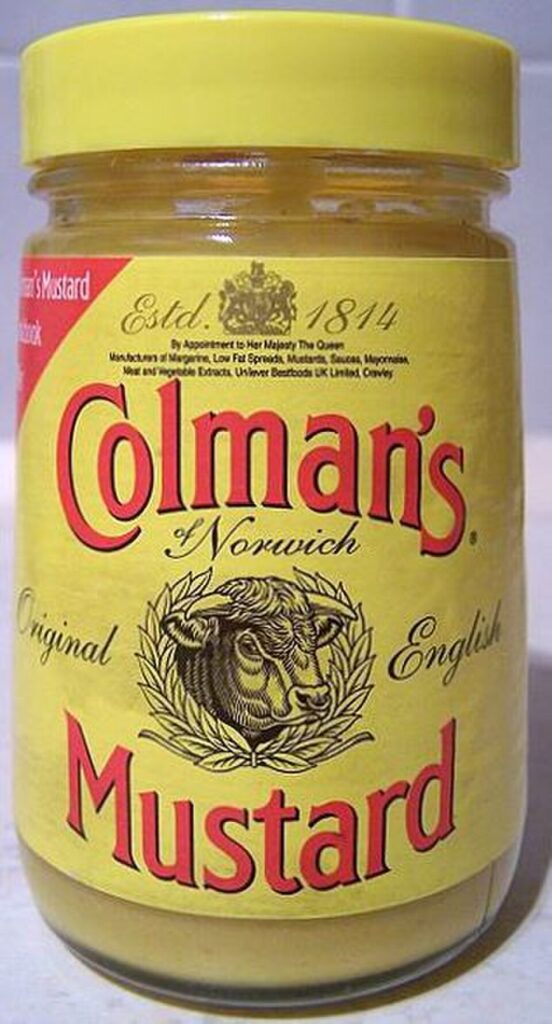
Yellow mustard delivers vinegar and spice, which can overpower a delicate filet or sirloin. Flavour chemistry demonstrates that a strong acid can diminish perception of fat and crusted flavours. Controlled use in a marinade or small sauce can work, but a stripe of plain mustard on the side overwhelms the plate.
Dijon mustard blends better with complementary ingredients, forming sauces that highlight savory depth without introducing discordant acidity.
Fruit Salad Dulls the Steak Experience
Fruit salad, though refreshing, introduces sweetness and moisture that conflict with seared, umami-rich beef. The palate expects complementary flavours, and cold, juicy fruit interrupts the meat’s mouthfeel.
Small fruit accents or reductions work when designed intentionally, such as a few grilled peaches, pomegranate arils, or a mild berry compote incorporated into a sauce. This approach respects texture, temperature, and flavour balance.
Baked Beans Create an Overly Casual Plate
Baked beans, often sweetened with molasses or brown sugar, overwhelm steak with competing sweetness and soft textures. Culinary tradition pairs beans with smoked meats, but not with premium steak intended for elegance.
Savoury white beans, lightly seasoned with rosemary and garlic, are a better alternative, offering subtle earthiness without stealing the focus. The key is texture and balance, not replicating a backyard cookout.
Milk Fails to Cleanse the Palate
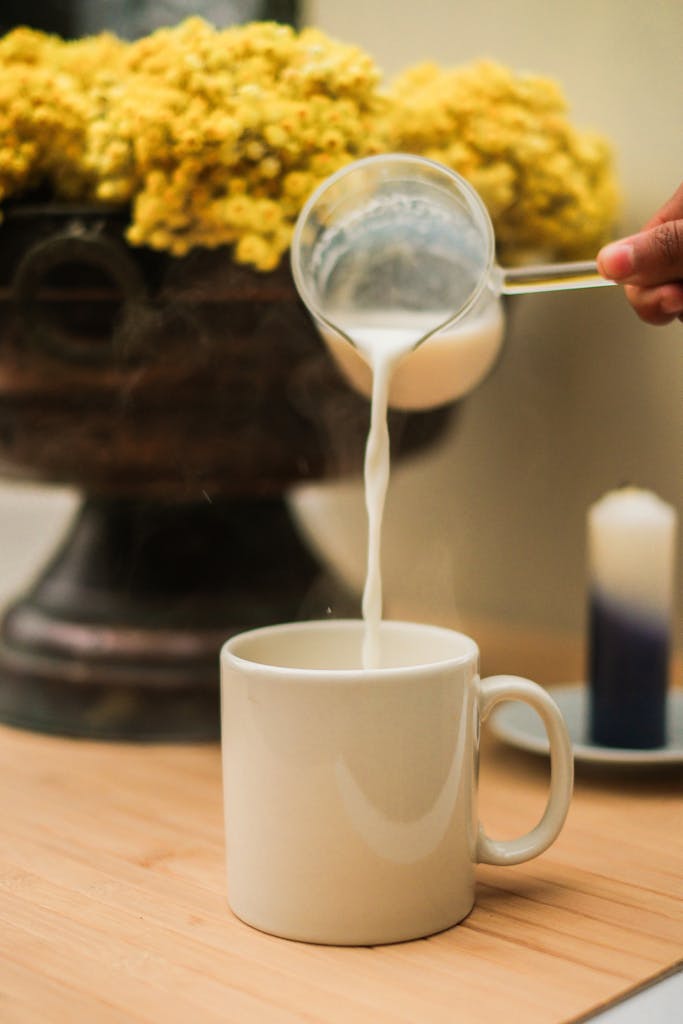
Milk is too creamy and flat to pair effectively with steak. Taste science shows that fats in both the meat and milk coat the tongue, dulling flavour perception. Steak benefits from beverages that cleanse or contrast, such as sparkling water, red wine, beer, or whiskey.
Dairy works on the plate in moderation, compound butter, a small cheese accent, or a cream sauce complementing vegetables, but not as a drink beside the steak.
Overly Creamy Salads Compete With Freshness
Salads can elevate steak, but overdressing with creamy Caesar, ranch, or blue cheese dressing masks the steak’s natural flavours. Freshness, crunch, and acidity enhance beef, while heavy dressings dominate both palate and plate.
Herbaceous greens with lemon, olive oil, or light vinaigrettes provide contrast and cleanse the palate, ensuring the steak remains the centre of attention.
Strategic Steak Pairing Principles
A professional steak plate balances richness and freshness while supporting savoury elements. Roasted potatoes, mushrooms, butter, and lightly cooked vegetables add richness. Crisp greens, citrus-accented salads, and lightly grilled vegetables add freshness. Umami-enhancing sauces like peppercorn, chimichurri, or a red wine reduction provide savoury depth.
Temperature, texture, and visual appeal are crucial. Hot, well-seared beef paired with sides of complementary warmth and vibrant colour maximises sensory impact. Culinary science confirms that this approach highlights the steak’s flavour while preventing clashes or overpowering swe