There’s growing anxiety about the future of work, not just because technology is changing jobs, but because the entire concept of a “career” as we knew it may be collapsing. Recent essays from career strategists warn that the old model of go to school, get a job, stay loyal, climb the ladder is now a liability in a world where stability has vanished, and AI accelerates disruption.
But the real problem isn’t just job loss. It’s that most people are reacting with denial, vague “learn AI” advice, or short‑term pivots that won’t protect them from the structural shifts already reshaping labor markets. Understanding these harsher truths is critical if you want to survive, let alone thrive, in the coming decade.
Below are seven brutal realities about the career collapse nobody wants to admit, and why relying on outdated career strategies will leave the majority behind.
The Career Ladder Is Already Crumbling
For decades, professionals believed in a linear progression: entry‑level → mid‑career → senior roles. Today, that model is under threat because many entry‑level jobs, the very rungs that once launched careers, are disappearing as AI takes over routine tasks. Younger professionals, especially Gen Z, are already experiencing fewer opportunities to gain experience and build long‑term career momentum.
This breakdown isn’t temporary; it’s structural. When the first steps vanish, the whole ladder collapses, leaving workers without clear upward mobility and forcing many to rethink what “career success” even means.
Jobs Aren’t Just Shifting; Many Are Vanishing
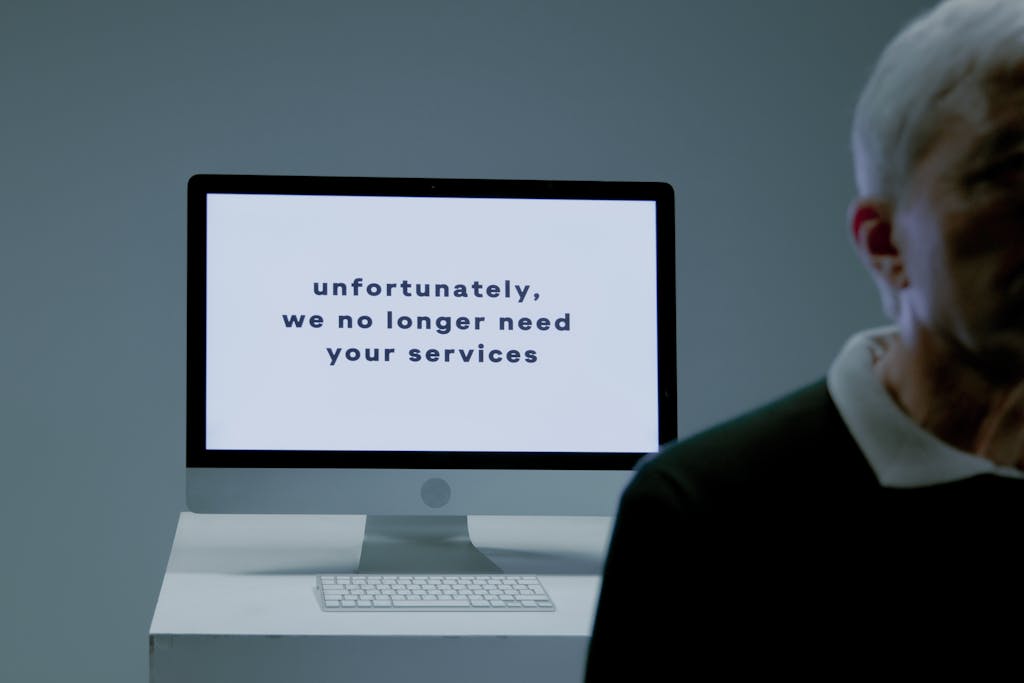
Contrary to optimistic reassurances that AI will only slightly reshape jobs, entire roles are at real risk. Repetitive, rule‑based work such as data entry, basic customer support, routine accounting, and clerical administration is extremely vulnerable to automation.
In some sectors, companies are replacing human labor with AI because it’s cheaper and faster, meaning that many people may find the jobs they expected to rely on don’t exist within a decade. This reality hits hardest those who built careers around stability and predictability.
Most Career Advice Is Not Actually Actionable

A lot of the “prepare for the future” content circulating online boils down to two vague ideas: learn AI tools or focus on human skills like creativity or empathy. But saying “learn AI” without specifics does nothing to help someone choose which skills or roles are truly resilient.
The reality is tougher: you need to identify precisely which tasks in your current role are automatable and consciously shift your work toward what cannot be automated, such as judgment, ethical reasoning, strategic leadership, and creative problem‑solving. High‑level planning, emotional nuance, and interdisciplinary thinking are increasingly valuable because machines cannot replicate them well.
The Top 10% Are Thinking Differently.

While most people cling to outdated career models, the highest‑performing professionals are already abandoning linear paths in favor of what some analysts describe as “bridge building” across skills, domains, and systems.
These workers aren’t just learning new tools; they’re learning how to learn, becoming versatile thinkers who can integrate technical knowledge with commercial, creative, or strategic contexts. They see careers not as ladders to climb but as ecosystems to navigate. In today’s world, that breadth of perspective bridging domains that used to be siloed is one of the few enduring advantages humans have over machines.
Many People Are Still in Denial
Despite mounting evidence of job disruption, large segments of the workforce remain in denial or, worse, pretend the status quo will return. Online discussions show that many professionals either underestimate the pace of AI advancement or assume their job is “too complex” to ever be at risk.
This complacency is dangerous. As systems become more capable, “doing the same old work” becomes a liability rather than just an inconvenience. Workers who fail to assess risk and begin meaningful reskilling honestly now are left scrambling after disruption strikes, not ahead of it.
Reskilling alone isn’t enough. You Need Resilience
Upskilling is useful, but true career resilience requires more than acquiring new skills: it involves strategic career design, deep adaptability, continuous learning habits, and the willingness to pivot roles or industries when necessary.
That means thinking about work not as a single job title or company, but as a portfolio of capabilities and skills you can transfer across contexts, industries, and functions. Workers who understand this shift and continuously test new roles, projects, and collaborations are more likely to remain relevant.
Human Skills Still Matter, but Only When Combined With Technical Fluency
Finally, while uniquely human traits like empathy, leadership, and creativity will continue to matter, they will only matter when paired with a deep understanding of technology and systems.
Creative thinkers who can leverage AI outputs, strategic leaders who understand how machines change markets, and professionals who can orchestrate human‑AI workflows are positioned at the intersection of what machines do and what humans interpret. In a world where AI is ubiquitous, the most valuable future‑proof careers are hybrid ones where human judgment and machine capability intersect.
Conclusion: The “Career Collapse” Is Real, and Most People Are Not Ready
The future of work isn’t about minor adjustments; it’s about confronting foundational shifts in how jobs are created, valued, and sustained. The old career ladder is collapsing under the weight of automation, economic uncertainty, and rapidly evolving technology. Those who cling to outdated models or the vague “learn AI” mantra are likely to be left behind.
To survive and thrive, workers must embrace continuous learning, think across domains, strategically shift toward non-automatable tasks, and build careers that leverage human strengths in coordination with AI capabilities. If you ignore these realities, the collapse won’t just affect your next job; it could change the trajectory of your whole working life.