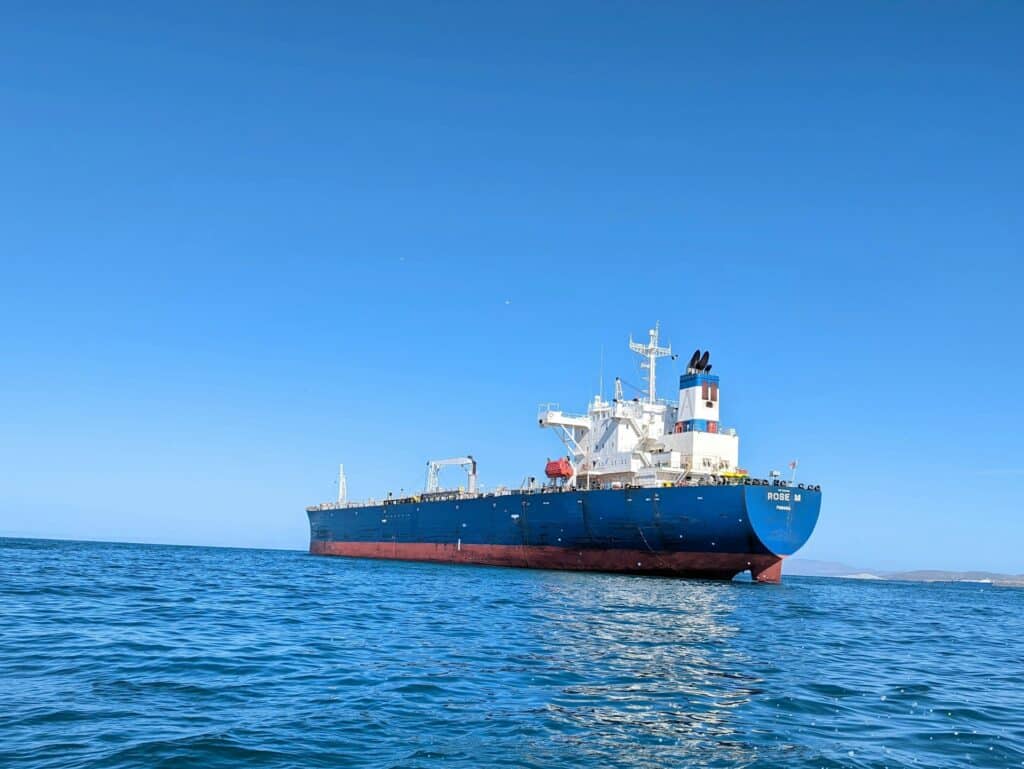
Oil prices remain artificially low as China’s reduced imports mask a global supply crunch stemming from the conflict in the Strait of Hormuz.
The global oil market is in a precarious state. Despite early predictions that prices would soar past $200 a barrel after the disruption in the Strait of Hormuz, crude has lingered near $94–$95. The reason is not stability; it is China quietly reducing imports, drawing from strategic reserves, and limiting refinery runs. This temporary cushion conceals a growing energy risk that could hit harder if these measures reverse.
China has cut crude imports to roughly 7.8 million barrels per day, the lowest in nearly a decade, offsetting 74% of the world’s reduced oil trade. Its strategic reserves, totaling 1.4 billion barrels, have allowed it to delay emergency purchasing. Weak domestic fuel demand further reduces refinery activity, keeping global oil prices lower than expected.
But this calm is fragile. Strategic reserves cannot last indefinitely, and China may soon face the choice of resuming imports at higher costs or risking domestic supply shortages. Combined with partial closures of the Strait of Hormuz and a U.S. market dependent on international pricing, the market remains exposed.
Analysts warn that the current lull is temporary. Once China rebuilds inventories or resumes normal crude purchasing, prices could spike sharply. Global energy markets are essentially borrowing time, and when the pause ends, the delayed crisis could amplify economic pressure worldwide.