President Donald Trump’s attempt to attach his name to the Kennedy Center has ended in a highly visible legal and political embarrassment.
Workers began removing Trump’s name from the John F. Kennedy Center for the Performing Arts on Friday after a federal judge rejected a last-minute effort to pause the court-ordered removal. The scene quickly spread across social media, with Reddit users and political observers reacting as scaffolding went up outside one of Washington’s most recognizable cultural landmarks.
For critics, the removal was more than just a change in signage. It was a symbolic reversal of a controversial push to reshape a national arts institution around Trump’s personal brand.
A Name Change That Sparked Immediate Backlash
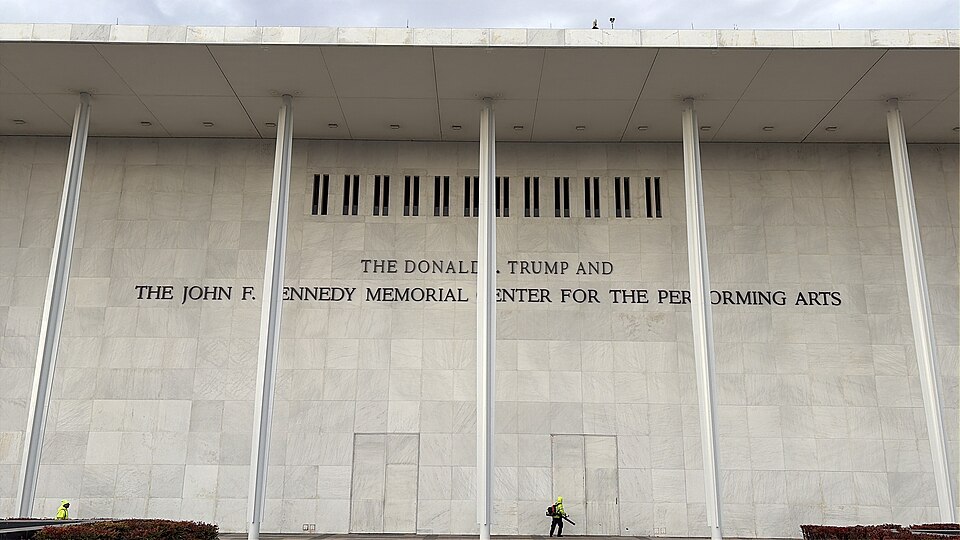
The Kennedy Center was created as a living memorial to President John F. Kennedy, and its name has long carried national and historical weight. That is why the decision to add Trump’s name triggered sharp criticism from the start.
Trump’s allies on the Kennedy Center board had moved to rename the institution to include his name alongside Kennedy’s. But opponents argued that the board lacked the legal authority to make that kind of change on its own.
That argument became central in court. U.S. District Judge Christopher Cooper ruled that only Congress could change the Kennedy Center’s name, not the board, not the president, and not political appointees acting unilaterally.
The Courtroom Loss Became a Public Spectacle
The removal did not happen quietly.
As workers prepared the building, images and videos began circulating online. On Reddit, the story quickly gained attention because it carried the kind of visual drama political audiences immediately recognize: a powerful name going up, then coming down under court order.
That made the moment especially damaging for Trump’s image. The issue was no longer just a legal dispute buried in court filings. It became a public scene, watched in real time by people who saw the removal as a rare institutional rebuke.
For Trump supporters, the fight may still look like another battle against courts and political opponents. But for critics, the removal looked like a direct check on what they saw as an overreach.
Why the Judge Said the Name Had to Come Down
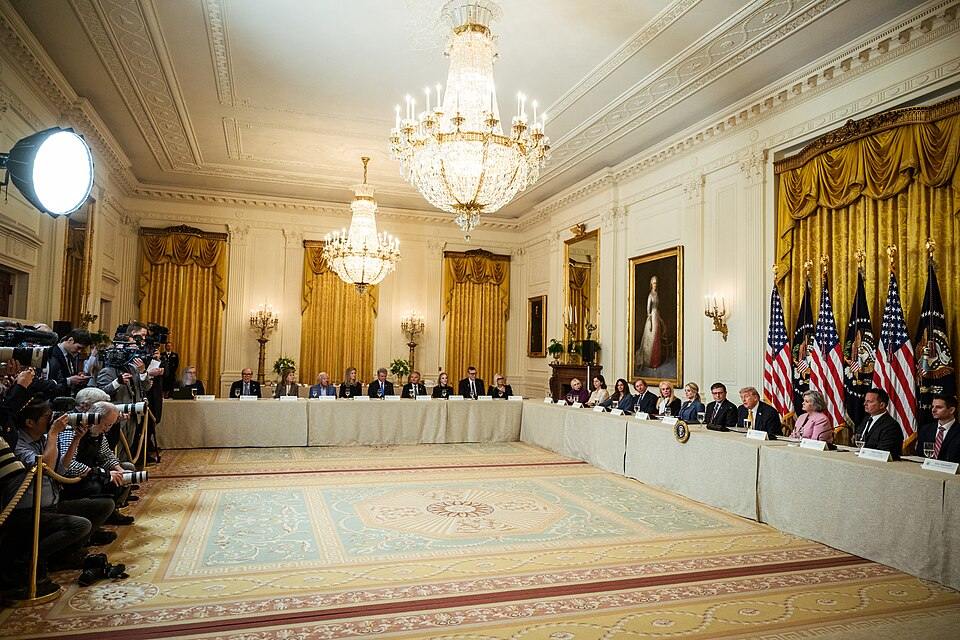
The judge’s reasoning was simple: the Kennedy Center’s name is protected by law.
The court found that the institution could not simply be renamed by a board vote. Because Congress gave the center its official name, only Congress has the power to change it.
That ruling forced the Kennedy Center to remove references to Trump from the building, website, promotional materials, and other official communications. The court also blocked, at least for now, a planned two-year closure tied to major renovations.
The ruling did not say the building cannot be repaired. It said that major decisions about the center must comply with the law and be made through a proper process.
The Rebrand Became a Political Liability
The controversy gave Trump’s critics a clean and damaging storyline: a president tried to put his name on a national memorial, and a judge ordered it removed.
That is the kind of political image that sticks. It is easy to understand, easy to share, and difficult to spin away.
The Kennedy Center is not a private hotel, casino, golf course, or office tower. It is a federally connected cultural institution named for a slain president. That difference helped fuel the backlash and made the Trump branding effort look, to many critics, less like recognition and more like personal self-promotion.
The court ruling turned that criticism into action.
What Happens Next

The legal fight may not be completely over. The Kennedy Center and Trump-aligned officials could continue to appeal, and the broader battle over the center’s leadership, renovations, and programming may continue to unfold.
But the immediate outcome is clear. Trump’s name was ordered off the Kennedy Center, and the institution was pushed back toward its original identity as the John F. Kennedy Center for the Performing Arts.
For now, the episode leaves Trump with a visible defeat at a place built to honor someone else’s legacy.
And in the world of politics, symbolism matters. A name being removed from a building can sometimes say more than a courtroom statement ever could