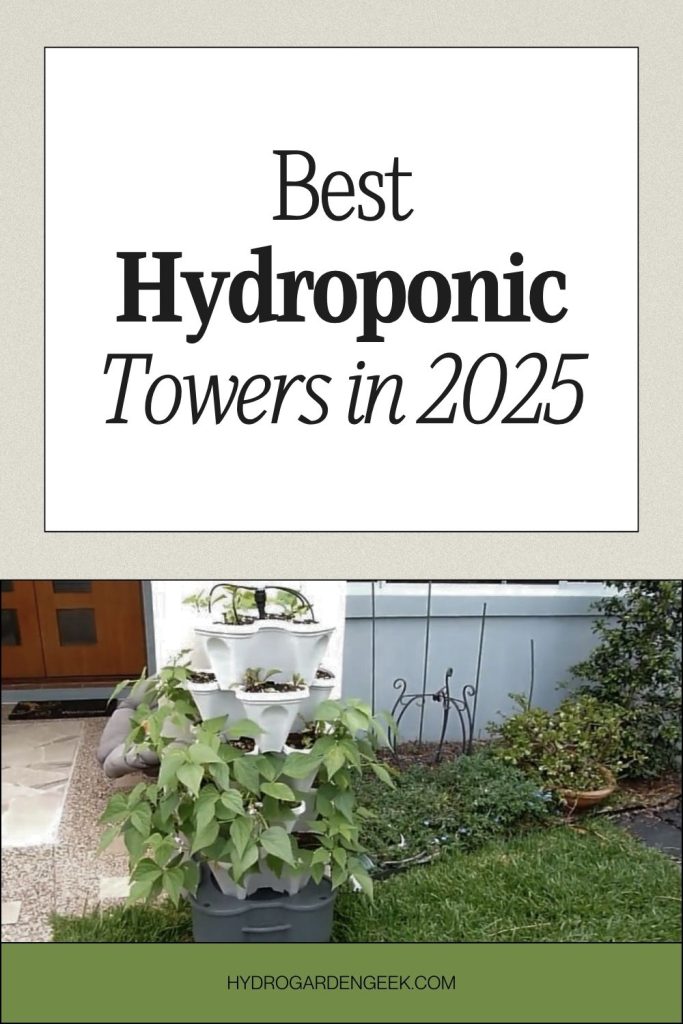
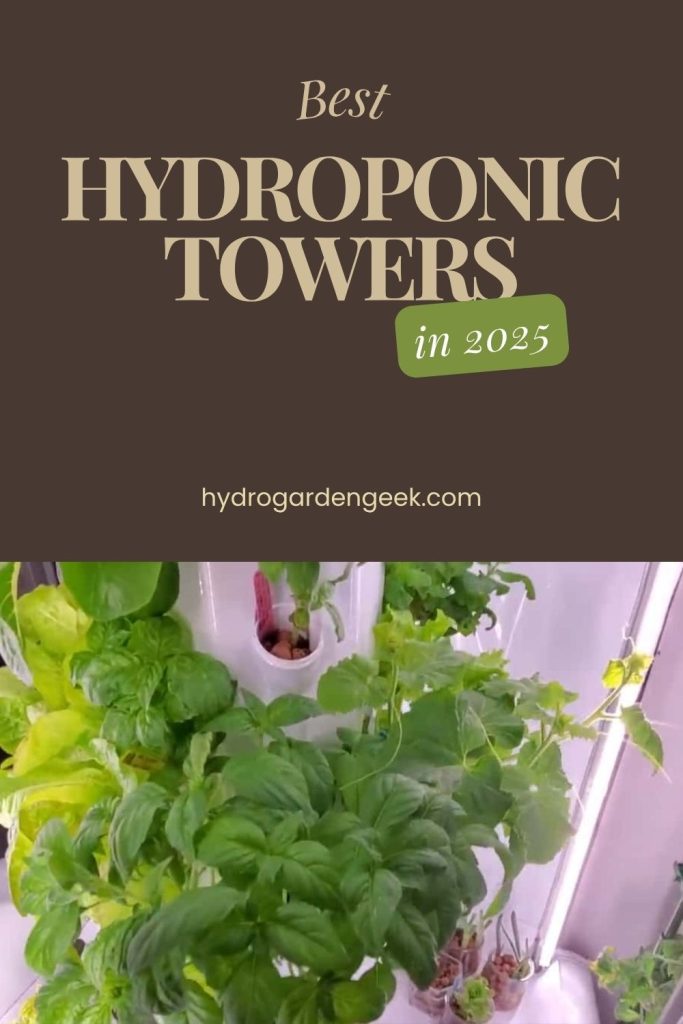
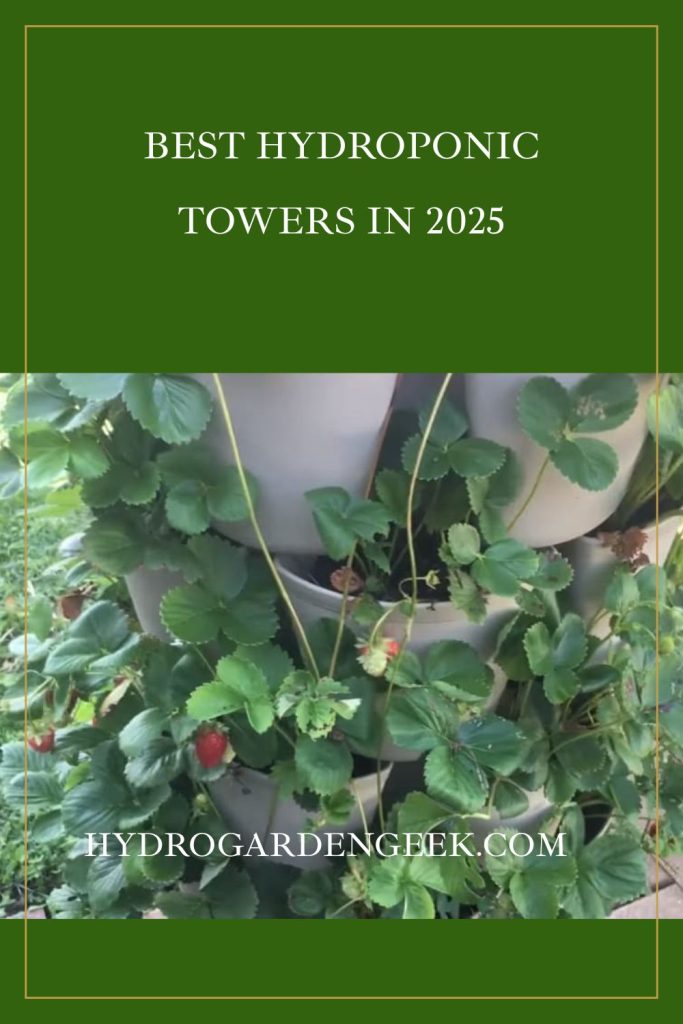
Vertical hydroponic tower gardens have soared in popularity in recent years, allowing anyone to grow abundant herbs, veggies, and greens even with limited yard or balcony space. These innovative vertical gardening systems use vertical space to maximize yields with the smallest possible footprint. Plants grow up instead of out, stacked in vertical columns and fed via nutrient-rich reservoirs.
From tabletop hydroponic towers under 3 feet tall to towering 6-to 8-foot models, there are now options to match each gardener’s unique space and growing aspirations. This article reveals the best hydroponic tower systems based on vertical reach, depth, durability, ease of use, successful plant growth and buyer reviews.

- Waterproof
- Replaceable Probe
- ±0.01 pH Accuracy
What is a Vertical Hydroponics System?

A vertical hydroponic system refers to any method of growing plants without soil in a stacked, vertical arrangement. Different structures can be used, like built-in vertical walls, freestanding towers, rotating cylinders, and stair-stepped configurations. But the key attribute is that plants are tiered, taking advantage of vertical space.
Vertical hydro farming is made possible by channeling nutrient-rich water and mineral solutions directly to plant roots via wicks, sprayers or drippers. Without the need for soil, crops can be grown in vertical rows or columns. This allows far higher plant density and yield than horizontal gardening layouts using the same footprint.
Vertical hydroponic systems are highly useful for areas limited in horizontal space like apartments, condos and urban settings. Patios, garages, and indoor spaces lacking yard access can produce bountiful harvests with vertical gardens. Essentially, the vertical dimension multiplies potential plant sites.
Cutting-edge vertical hydro systems even incorporate smart technology like automated lighting adjustments, remote monitoring, and precision nutrient dosing. This enables maximum productivity with less effort. Sophisticated vertical hydro gardens can benefit both hobby growers and commercial-scale operations.
If dealing with confined square footage, vertical hydroponics leverages vertical space to greatly boost output potential. From space stations to crowded cities, vertical hydro offers an ultra-efficient gardening approach for the future.
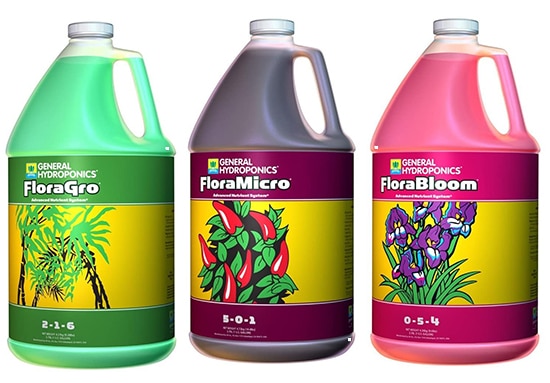
- Сomplete nutrient system
- Highly purified concentrates for maximum solubility
- NASAAntarctic research scientists choose flora series!
Benefits of Using Hydroponic Towers
Hydroponic tower gardens have surged in popularity thanks to their innovative vertical designs that yield bumper crops of herbs, veggies, and greens even in the smallest footprints. These vertical hydroponic systems offer a host of compelling advantages that make them a top choice for urban farmers, indoor gardeners, and anyone lacking generous gardening space.
Hydro towers not only save substantial room versus sprawling horizontal setups, they also provide the ultimate in access, control, and growing flexibility for the space-focused gardener. This section details six of the most enticing benefits to adopting a hydroponic tower system:
- Space Savings. Hydroponic towers can hold dozens of plants in a compact vertical structure that takes up little floor space. A 3′ by 3′ tower uses just 9 square feet of floor area yet grows in volume. Great for balconies, patios and indoor growing with confined areas. Make the most of cramped urban environments to maximize yields.
- Height Adjustability. Towers come in various heights from 3 feet up to 8 feet models available. Choose a unit that makes best use of your vertical room – basement heights, garage clearance, or fitting by a window. Scale height to your space dimensions and growing goals via adjustable or tiered towers.
- Ease of Access. Doors, panels and mesh walls provide easy access to plants in towers without obstruction. Reach every plant as needed for care, pruning and harvesting instead of just the sides/front. Towers keep plants organized and contained neatly in one unit, simplifying upkeep.
- Precise Control. Hydroponic towers allow total control over each plant’s nutrients, light and other inputs. Optimize conditions by adjusting formulas, airflow and lighting to perfect levels. Boost fruiting, flowering and growth tailored to the exact needs of what you grow.
- Year-Round Production. Get the most out of every season by moving towers outdoors in summer and back inside for winter harvesting. Maintain ideal temps and illumination for off-season growth. The tower enclosure also permits gardening in colder climates, which would not be possible otherwise.
- Automated. Options: Some cutting-edge towers integrate automated lighting shifts, pH controls, and auto-dosing of nutrient solutions matched to plant types. Advanced functions reduce maintenance while optimizing yields.
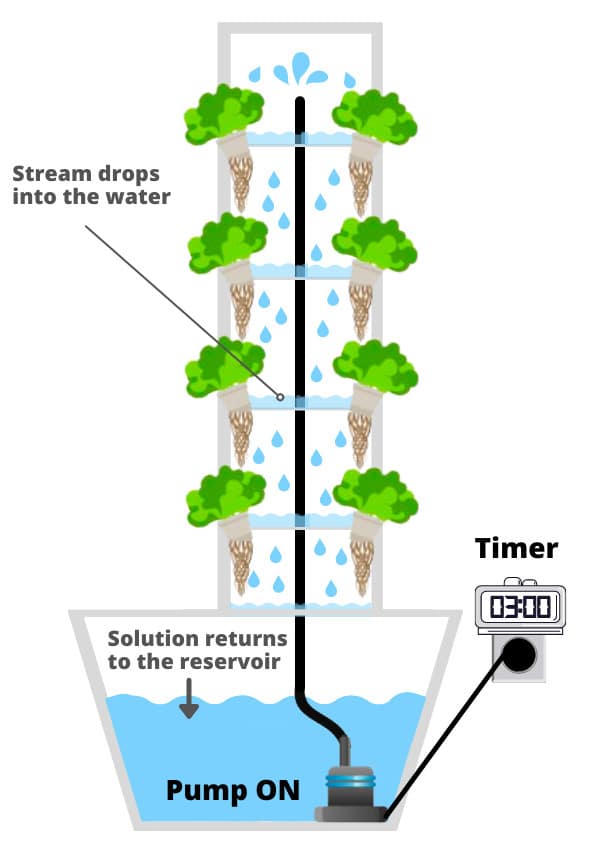
Potential Drawbacks of Hydroponic Towers
While vertical hydroponic towers offer phenomenal space efficiency and abundant harvest potential, even these innovative systems come with downsides to consider. As with any gardening approach, towers have inherent constraints and practical realities, including size, setup, maintenance requirements, and plant compatibility. Before diving headfirst into a tower garden system, have realistic expectations by understanding the flip side as well:
- Height Limitations. While extending vertical reach, tower height is still confined by indoor ceiling clearance or outdoor area dimensions. Consider overhead piping, ducting, wiring or other obstructions during placement. Getting maximum elevation also requires sufficient lighting rigging.
- Floor Support Needs. Larger tower units can weigh over 100 lbs fully watered and laden with plants. Ensure the selected floor area has adequate structural support for the concentrated tower load without sag. Bracing or reinforcement may be necessary in some home locations.
- Greater Energy Use. Adding growing lights, pumps, and other equipment in a tower increases energy consumption over in-ground gardens. Keep electrical needs in mind for indoor tower placement, using efficient LEDs to save on costs.
- Initial Investment Costs. Well-designed towers with durable materials and smart features retail upwards of $700 to even $2,000+ for the largest sizes. The investment may pay dividends long-term but constitutes significant upfront expenditure nonetheless.
- Ongoing Maintenance. Although automated functions help, tower gardens still need regular checking of pH, nutrient levels, water quantity, cleanliness, etc. to uphold. Larger units mean more plants to routinely inspect and care for overall.
- Limited Crop Variety. The enclosed structure and scale of most home towers better suit smaller greens, herbs, and vegetables. Larger fruiting warm-season vines or bushes prove difficult. Tailor plant selections accordingly.
- Drainage/Spills. Towers hold 20+ gallons of water at capacity. Locate towers where accidental flooding or spills from failed components won’t damage the surroundings. Having a catch basin or tray underneath is wise.
Types of Hydroponic Towers
Hydroponic towers come in a range of shapes and sizes, but generally fall into two main categories: stackable hydroponic planters or integrated vertical hydroponic systems.
When it comes to vertical hydroponic towers, growers face the choice between stackable planter options or complete pre-fabricated tower systems. Stackable towers feature multiple plastic planters or woven baskets fitting neatly atop one another, getting maximum elevation through modular layers. Vertical hydroponic systems instead have growing sites embedded directly into unified towers with integrated water reservoirs and, often, automated controls.
Stackable planters
Stackable tower planters consist of multiple plastic growing pots or woven baskets that sit atop each other vertically. Each pot contains growing medium and sites 1–2 plants in each layer, stacking upwards of 10+ high. Self-contained drip irrigation pipes or liquid fertilizer injectors deliver nutrients to each level.
Stackable towers take up very little floor space relative to their total number of plants hosted. Their modular nature also allows flexibly adding more layers or customizable dimensions. However, most stackable planter towers lack automated features or advanced controls over their environment.
Vertical Hydroponic Systems
Pre-fabricated vertical hydro towers provide a fully integrated, all-in-one system for effortless vertical growing. Plants sites insert directly into holes fronting vertical columns wrapped with grow lights. An integrated reservoir delivers nutrient solution via internal plumbing to each plant.
Sophisticated tower systems allow adjusting lighting spectra, automatically dosing nutrients, managing airflow, and monitoring pH digitally. This automates much of the growing process while optimizing yields. Contemporary vertical towers come self-contained in a range of sizes from 3 ft to over 8 ft tall.
Choosing the Most Suitable Hydroponic Tower Garden
With the availability of towers in varied dimensions, plant capacities, feature sets and configurations, selecting the right hydroponic tower model calls for careful consideration. Determine key factors like:
- Physical Space. Carefully measure the floor space and vertical room the tower can utilize. Factor in surrounding shelves, overhead pipes or lights, ceiling height, potential overflow, etc. This defines the maximum dimensions and elevation possibilities when choosing among tower units. Select models fitting your constraints.
- Light Exposure. Determine what direction sunlight hits your intended tower’s placement across mornings, afternoons and seasons. Maximize use of natural light’s intensity and duration via thoughtful positioning. Supplement with adjustable grow lights to ensure adequate year-round illumination. Consider tower materials that diffuse light effectively.
- Planting Scale. Outline both short and long term planting goals, whether a small collection of household herbs or higher volumes of salad greens, tomatoes, etc. Compare current and future crop output targets against tower capacities – 2 plants per level on 10 tiers is far different from 10-site columns on 20 tiers! Right-size tower cubic footage and sites for intended scales.
- Level of Automation. Will simple manually top-watered planters suit your effort level, or do automate dosing of nutrients and pH balancing appeal? Reflect on maintenance realities before opting for costly high-tech towers requiring less involvement. But don’t overcommit if unwilling to provide consistent monitoring.
- Budget Limits. With DIY stackable hydroponic components costing around $100 but advanced smart tower systems running $2,000+, set spending caps based on functional needs and what’s financially viable long-term. Don’t overbuy features that won’t get utilized, just as budget picks may underdeliver.
- Placement Access. Consider the tower’s positioning in context of household flow, ensuring adequate room exists around it for adding soil, adjusting parts, accessing plants for care and harvest without limiting other activity zones or feeling overly intrusive.
Measure your unique growing environment and needs against the latest tower options on the market. Models with larger diameters or square footage allow greater plant density and diversity in crops. Carefully weigh productivity potential against cost.
What are the Best Hydroponic Tower Systems in 2023?
Hydroponic tower gardens have become an increasingly popular way to grow vegetables, herbs, fruits, and flowers without soil. These vertical hydroponic systems allow hobby gardeners and urban farmers to maximize limited space while leveraging the benefits of hydroponic gardening.
In 2023, there are more high-quality and innovative hydroponic tower systems available than ever before. From compact units designed for patios and balconies to large, multi-level towers capable of providing produce for families and markets, there is a configuration suitable for just about any need and budget.
| Image | Product | |
|---|---|---|
Best Choice 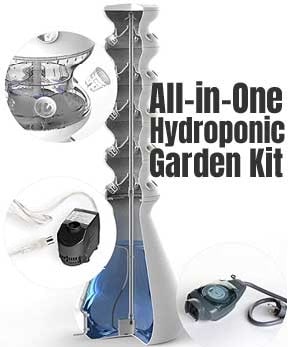 | 36-Plant LETTUCE Grow Farmstand
| Check Price |
Also Great 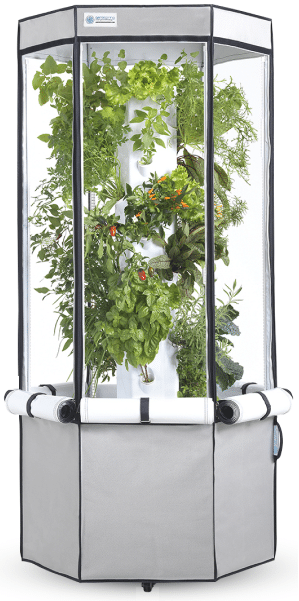 | Aerospring 27- Plant Vertical Hydroponic Indoor Growing System
| Check Price |
Best Family  | AeroGarden Farm 12XL & Grow Anything Seed Pod Kit
| Check Price |
Best Garden  | Mr. Stacky 5 Tiered Vertical Gardening Planter
| Check Price |
Best Ñeiling  | VIVOSUN 2-Pack 5 Tier Vertical Gardening Stackable Planter
| Check Price |
36-Plant LETTUCE Grow Farmstand

Reimagine feeding your family an abundance of farm-fresh lettuce each and every day with the 36-Plant LETTUCE Grow Farmstand. Unlike traditional gardening, this innovative vertical hydroponic system provides continual harvesting of bountiful lettuce heads in a compact footprint right on your kitchen counter.
Designed in a space-maximizing cylindrical tower formation, the LETTUCE Grow Farmstand houses 36 lettuce plants that grow out from opening slots all along the tower. An attached grow light panel delivers optimal lumens while the integrated hydroponic system includes a reservoir pump that automatically delivers a nutrient-rich solution to all the plants, eliminating manual watering and soil hassles altogether.

Included reusable net cups, organic nutrients and coconut coir growing medium provide everything you need to plant lettuce seeds or seedlings and watch them flourish into mature heads in record time. Producing up to 36 full-size lettuce heads every 2 weeks, the LETTUCE Grow Farmstand ensures your family a steady supply of beautiful salad greens all year round!
Bring the farm to your kitchen and make homegrown freshness a daily ritual with the space-saving convenience of the LETTUCE Grow Farmstand’s unique vertical hydroponic setup. It’s the modern way to grow lettuce!
| Pros | Cons |
|---|---|
| Grows 36 plants in a compact vertical design | Can only grow lettuce, herbs, and other leafy greens - not compatible with vegetables or larger plants |
| Energy-efficient full spectrum LED grow light | Relatively expensive upfront cost |
| Self-watering system automates hydration & feeding | |
| Tap water compatible, no pH adjustments needed | |
| Takes up just 4 sq. ft. of floor space | |
| Quiet operation, suitable for indoor use | |
| Made from food safe and BPA free materials | |
| Produces harvestable greens within 3–4 weeks |
Aerospring 27- Plant Vertical Hydroponic Indoor Growing System
The innovative Aerospring 27-Plant Hydroponic Growing System takes indoor gardening to new heights! This space-maximizing vertical tower houses 27 plants in a patented rotary design that positions plants optimally under grow lights to facilitate robust, rapid growth with minimal effort.
The hexagonal vertical structure is comprised of three 9-pod rotary platforms stacked atop each other. Each pod can accommodate large 5″ net pots allowing for plants with substantial root systems. The towers rotate 360 degrees powered by integrated motors controlled with an automated or manual setting.

Plants bask under vibrant full spectrum LED grow lights perfectly positioned overhead each pod section. The one reservoir recirculating deep water culture hydroponic system delivers oxygenated, nutrient-rich solution to all 27 net pot sites optimizing plant health, growth speed, and flavor.
With automated lighting and rotary pod movement working together, no adjustments are required ensuring luscious, even growth. The 4′ tall x 2′ diameter frame fits perfectly in corners taking up minimal space while producing substantial harvests! Grow bountiful herbs, lettuces, tomatoes, strawberries and more!
Bring the innovative rotary hydroponics of industrial growers into your home with the Aerospring 27-Plant Vertical Hydroponic Indoor Growing System! Maximizing yield and growth within a minimal footprint.
| Pros | Cons |
|---|---|
| Space-saving vertical design holds 27 plants | High upfront cost of equipment |
| Rotating hexagonal pods position plants perfectly | Limited expandability beyond 27 plants |
| Integrated pod motors for automated rotation | |
| Accommodates large 5′′ net pots | |
| Full spectrum LED grow lights overhead each pod | |
| One reservoir for entire DWC hydro system | |
| Automated lighting and rotation functions | |
| Minimal adjustments needed after setup | |
| Fits in 4’ x 2’ space for small footprint | |
| Higher yields than horizontal gardens |
AeroGarden Farm 12XL & Grow Anything Seed Pod Kit
The AeroGarden Farm 12XL is a countertop hydroponic garden that allows you to grow up to 12 plants up to 24 inches tall at a time using AeroGarden’s customizable Grow Anything seed pods. It uses energy-efficient LEDs, requires no soil and automatically delivers nutrients and water on a schedule you customize.
The Farm 12XL’s height, 360 watts of grow light power and robust pump system make it capable of reliably growing leafy greens, vegetables, herbs and more. Combine it with the Grow Anything seed pod kit for ultimate flexibility in planting your indoor garden.
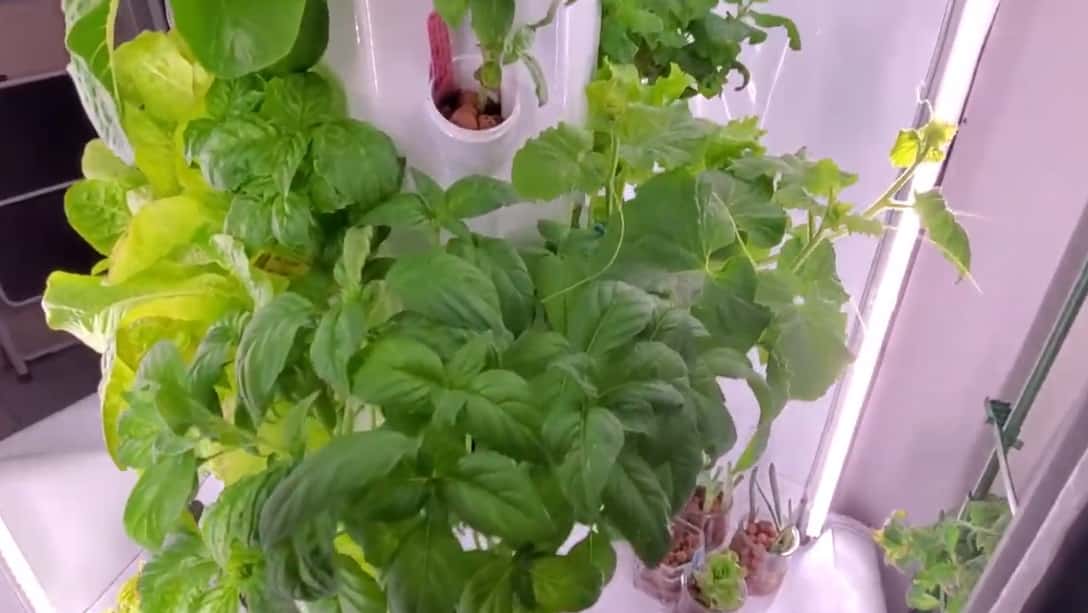
This indoor smart garden features full spectrum 20 watt LED grow lights optimized to fuel rapid, natural growth. The 12 planting slots accommodate a range of seed pod kits or can be customized with your own seedlings. GrowGeniusTM technology alerts when to add plant food, automatically turning lights on and off.
Place the sleek countertop farm on kitchen islands, hall tables, or living room stands to enjoy the convenience of fresh ingredients and greenery year-round. At just over 2 square feet footprint, the Farm XL slides neatly onto high shelves when not in use. Let the self-watering system handle producing bountiful harvests at home while you focus on savoring the flavors!
| Pros | Cons |
|---|---|
| Grow up to 12 plants up to 24" tall | More expensive than smaller AeroGarden units |
| Energy efficient 45W LED grow light panel | Ongoing costs for proprietary seed pods |
| Fully automated watering and nutrition | |
| Grow Anything seed pods allow flexibility | |
| Can sustain larger vegetables like tomatoes | |
| Wi-Fi enabled smartphone app control | |
| Height adjustable light panel | |
| 1-Year warranty | |
| Made in the USA | |
| Higher output than smaller aerogardens |
Mr. Stacky 5 Tiered Vertical Gardening Planter
The Mr. Stacky 5 Tier Vertical Gardening Planter provides 25 square feet of growing space spread over 5 stackable planter boxes. Each sturdy plastic planter box contains built-in brackets for stacking and connecting to self-water through a top box with a water reservoir. The tiered vertical design allows high-yield gardening in a compact footprint.
The connected self-watering system works by pouring water into the top reservoir planter box. Excess water then trickles down through drip holes to evenly irrigate plants situated in lower tiers. This automated gravity-feed concept reduces water usage up to 30% compared to traditional gardening methods. Grow a variety of vegetables, herbs, strawberries, or flowers year-round.

Each planter box measures 25”L x 20”W x 7’D for ample room for plants to thrive. The bottom box sits upon a matching plastic tray to contain overflow. Durable polypropylene construction resists weather elements for outdoor use, but also suits patios and decks. Accent your garden landscape, small yard, or urban rooftop with modern vertical style.
Optional add-ons like casters for mobility, trellises to support vining crops, and grow lights allow customization and expansion potential. The vertical gardening planter comes in dark green, brown, or terra-cotta red to complement any surroundings. Efficiently grow crops, maximize yields, and elevate your gardening productivity in any backyard.
| Pros | Cons |
|---|---|
| 5 tiers maximize vertical space | Can topple if not properly secured |
| 25 sq. ft. of growing area | Self-watering requires monitoring water levels |
| Lightweight plastic construction | |
| Stackable and modular design | |
| Connectors allow self-watering | |
| Includes coco liners and trellises | |
| Good for both gardens and patios | |
| Takes up little floor space | |
| Provides airflow and drainage | |
| Can grow variety of vegetables |
VIVOSUN 2-Pack 5 Tier Vertical Gardening Stackable Planter
This space-saving VIVOSUN vertical planter design stacks 5 rectangular plastic planter boxes in a tiered vertical column. The two 5-tower standalone units maximize growing productivity in just 10-12 square feet while allowing flexibility in placement. Water easily flows from top planter boxes down to nourish plants in lower levels. Wide plant boxes accommodate larger vegetables and vining plants with included trellises.
The five tiers provide ample room for leafy salad greens, herbs, strawberries, or pepper plants while occupying a modest floor footprint. The vertical configuration takes advantage of vertical wall space for planting, increasing yield potential in small gardens. Assembled dimensions are 23.6” wide by 63.8” high, but units can situate vertically against walls, fences, or tight corners.
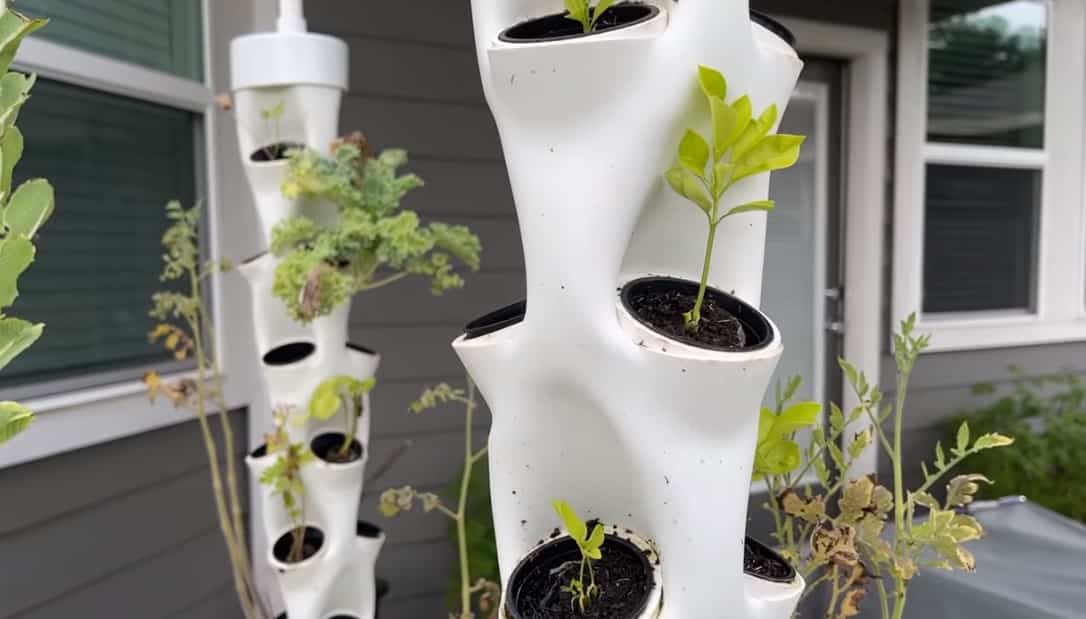
Structural support comes from powder-coated steel posts and connecting rods that bolt together securely. The plastic planter boxes making up each 12” deep tier feature drainage holes and channeling to facilitate water flow down to the reservoir collection tray. A compatible irrigation kit ties into any standard garden hose for automated watering.
The vertical planter allows flexibility to devote certain tiers to different plants chosen for symbiotic growing relationships. For example, incorporate nasturtiums or marigolds during a pepper plant cycle to naturally deter pests. Then alternate leafy greens and herbs the next season. The vertical growing environment reduces soil borne diseases and simplifies crop rotations.
| Pros | Cons |
|---|---|
| Stackable modular design | Lower weight capacity, tipping risk if unsecured |
| 10-12 sq. ft. footprint | Smaller container size limits root growth |
| Durable plastic with drainage holes | |
| Built-in trellis netting for climbers | |
| Allows flexibility in placement | |
| Good airflow to avoid mold | |
| Easy to assemble and connect | |
| Includes all necessary parts | |
| Can relocate or remove tiered towers | |
| No electricity or pump required |
What Plants Grow Well in a Tower Garden?
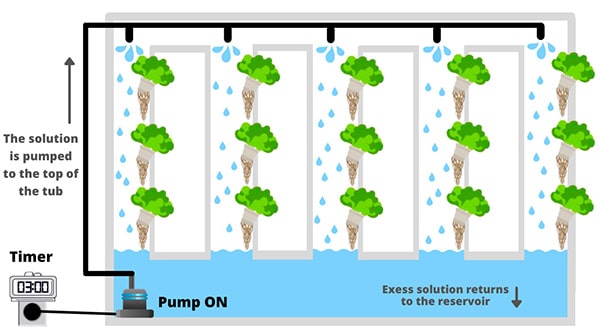
Vertical hydroponic tower gardens can support a wide variety of fast-growing plants in a small footprint. When selecting varieties to grow in your tower system, consider the space each plant needs, its support requirements, and the tower’s lighting conditions. In general, leafy greens, herbs, strawberries, and some flowering plants thrive in tower set-ups. Here are 5 great options to try:
- Leafy Greens. Kale, lettuce, spinach, Swiss chard, and arugula are nutritious leafy greens that grow quickly and prolifically in towers. These cool weather crops don’t need much space for their roots or height for their leaves, making them perfect candidates to plant in proximity on multiple tower layers. They thrive under LED lights.
- Bush Beans. Bush beans grow well vertically on a tower’s built-in trellising or additional supports. Pole bean varieties also work but require more training. Beans grow quickly and benefit from abundant light exposure from multiple angles. They do well in warmer temperatures with adequate watering at their roots.
- Strawberries. Day-neutral strawberry varieties produce sweet berries all season long when grown on a tower garden. The compact plants stay tidy, so towers can accommodate several plants. Strawberries have shallow roots and require bright light to fruit properly. Adding supplemental lighting can boost yields.
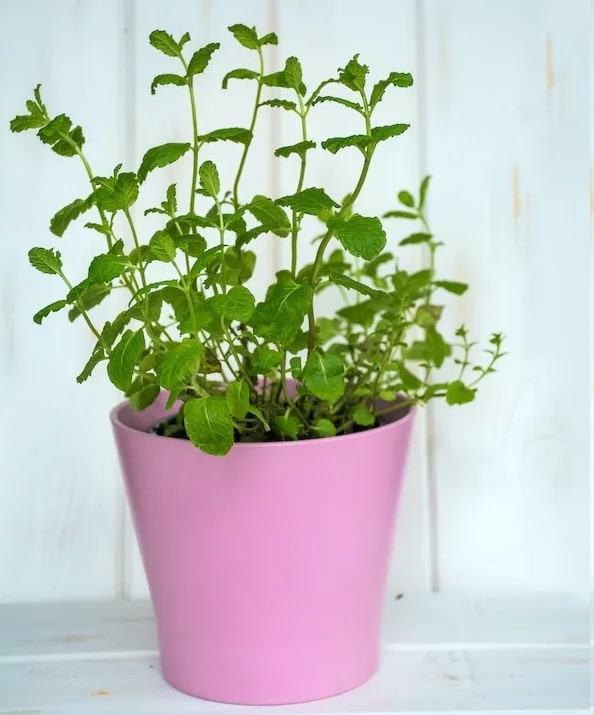
- Herbs. Tower gardens help satisfy almost any chef’s herb demands. Basil, parsley, cilantro, dill, oregano, chives, rosemary and more all prosper in tower culture. Herbs tolerate variations in temperature and light. Clip often to encourage dense, bushy plants without allowing them to bolt and seed.
- Petunias & Marigolds. For a tower loaded with vibrant colors and aromas, petunias and marigolds are perfect. They bloom continuously in the indoor conditions towers provide. Pinch back leggy petunias to maintain a bushy mound. Select short marigold varieties to minimize flopping over the tower edges.
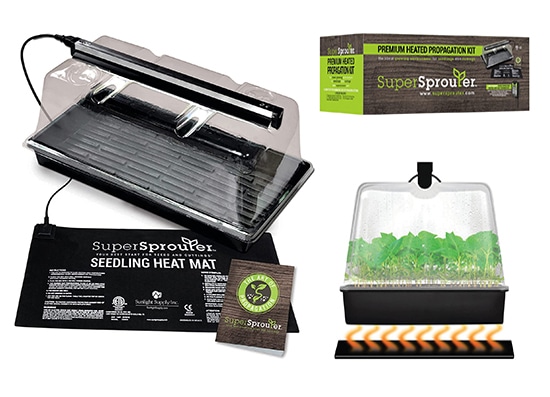
- Dome & T5 Light, 5 Piece, Black/Clear
- Art of Propagation booklet with expert advice for starting seedlings and cuttings
- Super Sprouter Seedling Heat Mat 10 in x 21 in is ETL listed
Comparing Hydroponic Towers vs. Stackable Planters
Hydroponic tower gardens and stackable planter systems take advantage of vertical space to maximize planting area in a small footprint. But there are important differences in how the two systems function.
Hydroponic towers are designed specifically for soilless cultivation, circulating water and nutrient solution to plant roots. The tower column structure supports a series of perforated grow pots at different heights optimized for light exposure. Towers use automated pumps or gravity flow to self-water, so plants have a consistent moisture and nutrient supply. Grow lights are always incorporated into towers to provide the full light spectrum indoor plants need.
In contrast, stackable planters are essentially self-contained vertical beds that can be soilless or soil-based. Stackable planters rely on manual watering and traditional fertilizing rather than centralized irrigation systems. They may be open, exposed to ambient conditions or enclosed with greenhouse-type plastic walls. Stackable planters usually utilize sunlight when used outdoors rather than supplemental grow lights.
Here’s a helpful comparison overview:
| Factor | Hydroponic Towers | Stackable Planters |
| Irrigation method | Self-watering, automated | Manual watering required |
| Lighting | Always integrated | Sunlight or user provided |
| Growing media | Soilless media | Can use soil mixes |
| Nutrition | Formulated hydroponic nutrients | Traditional fertilizer blends |
| Crops grown | Herbs, greens, vines | Wide variety, depending on size |
| Indoor/outdoor use | Primarily indoor | Both indoor and outdoor |
| Maintenance level | Medium, monitoring nutrient solution | Can be higher, more watering/fertilizing |
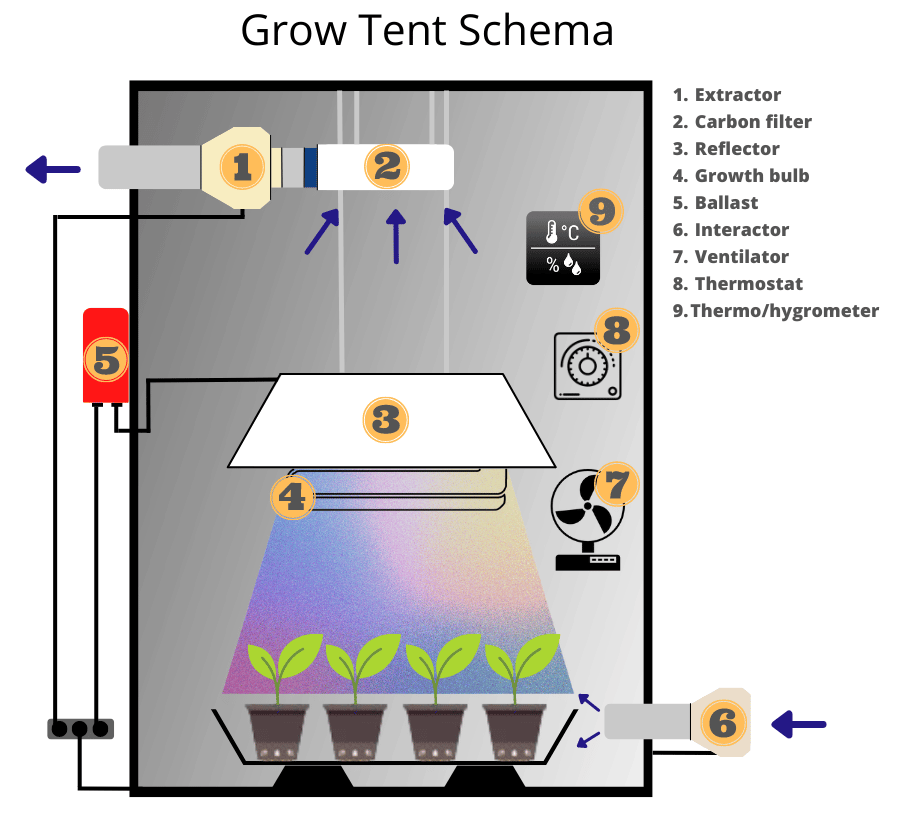
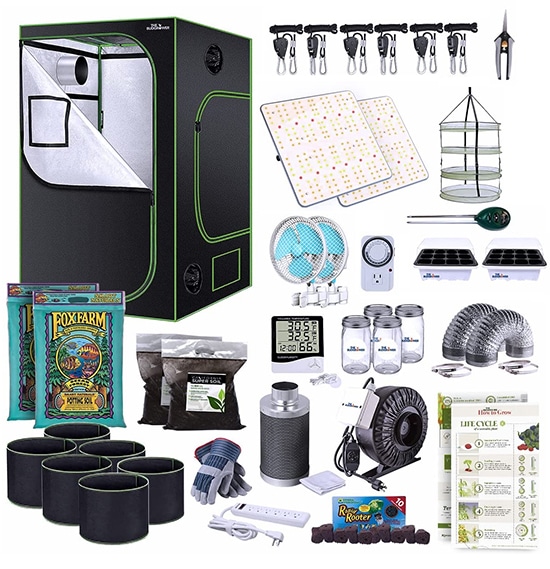
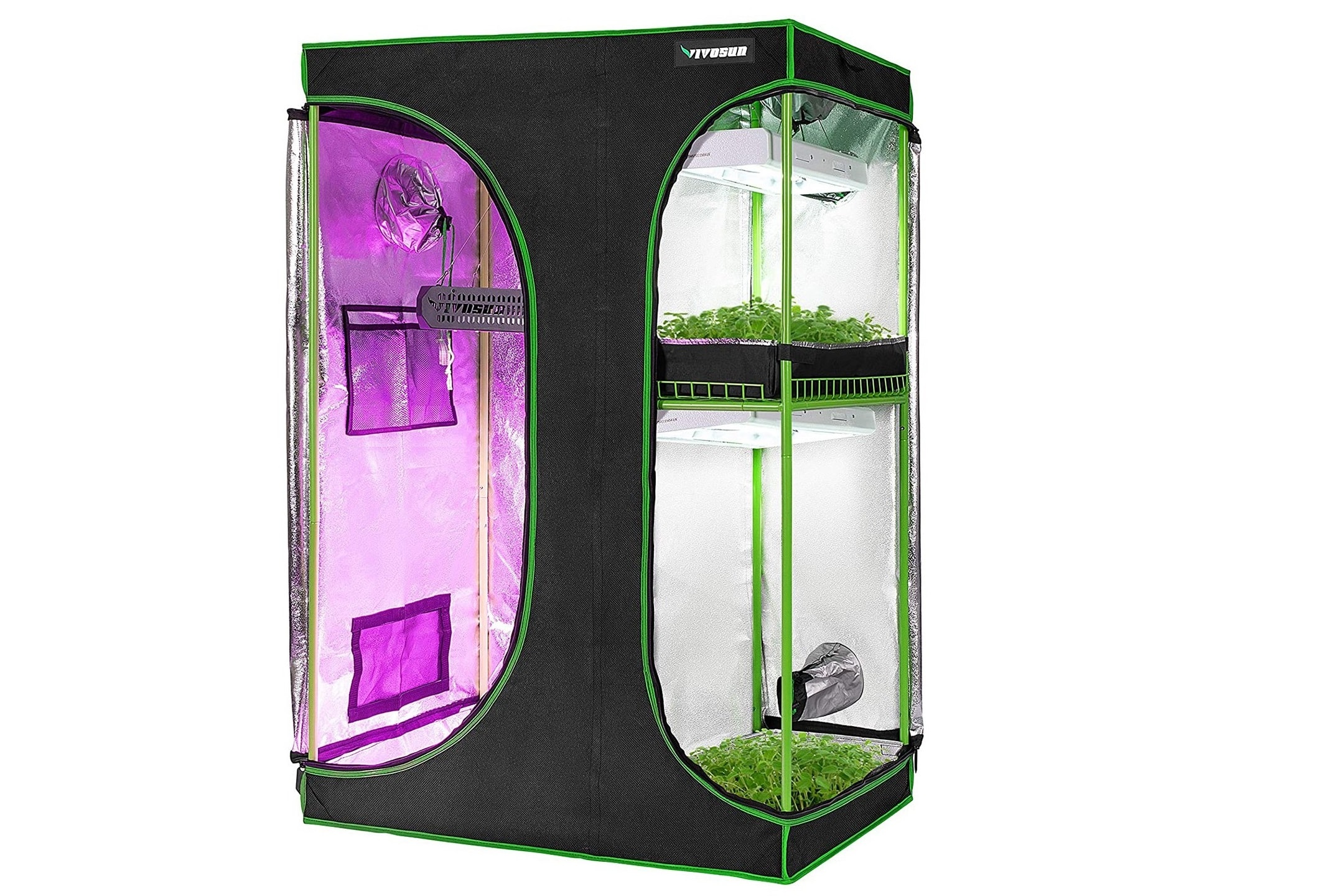
- LED lights specialty manufactured by VIVOSUN with Samsung LM301 diodes for FULL spectrum light
- The industries most durable grow tent – heavy duty 1680d oxford cloth
- Money & energy saving complete home grow tent kit
FAQs
Is installing a hydroponic tower a good investment?
Installing a hydroponic tower system is a good investment for many urban farmers or hobby gardeners lacking traditional gardening space. Towers provide high-density planting area to maximize yields from compact footprints. While the upfront system costs more than materials to construct raised beds, established towers quickly pay for themselves in productivity, turning out up to 30% higher yields.
Operation costs are reasonable since towers use 90% less water than soil cultivation. Towers allow year-round harvests as protected indoor systems, unaffected by seasons, weather, or pests common in outdoor gardens. With good maintenance, towers keep producing for 5+ years.
Which plants are unsuitable for hydroponic tower systems?
Larger vegetable plants with extensive root systems generally don’t thrive in the compact pods of vertical hydroponic towers. Crops like potatoes, melons, winter squash, corn, and trellised indeterminate tomatoes outgrow towers’ dimensions too quickly. Very dense or moisture-sensitive plants like celery and head lettuce may also struggle in towers. However, dwarf and patio varieties of many veggies can work well.
What are the electrical demands of hydroponic towers?
Hydroponic tower systems necessitate an electrical connection to run the integrated LED grow lights and water pumps. Towers designed for household use typically draw 150 to 400 watts depending on light wattage and pump size. Larger towers may have 800 watt high-output lights requiring a 20 amp electrical circuit. Mini tower models can operate on just 25 watts.
What equipment is essential to assemble a hydroponic tower?
Nearly all hobby-scale hydroponic tower systems available feature self-contained, plug-and-play designs requiring minimal assembly. Many include the central base, vertical planting tower(s), grow light fixtures, pump/irrigation components, seed starter plugs or pods, and mineral nutrient formulas. So upfront investments cover the full working system.
Can tap water be used in a hydroponic tower system?
Regular tap water can technically be used to fill hydroponic tower reservoirs, however it is not recommended. Tap water often contains harmful levels of chlorine, fluoride and dissolved solids that can accumulate over time. These can damage tender root systems, inhibit nutrient uptake, and alter water chemistry. It is safest to fill towers with filtered, non-chlorinated water or quality rainwater instead.
What pests and diseases commonly affect hydroponic towers?
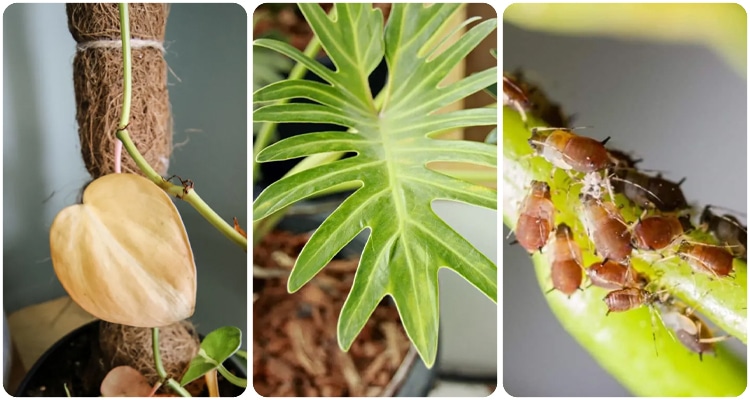
Hydroponic towers largely avoid traditional garden pests like nematodes, soil-dwelling insects, and burrowing animals that require soil to live. However, some insects can still infest tower components and bother above-ground plant parts. Aphids, spider mites, fungus gnats, thrips, and shore flies are common tower pests. The moist, nutrient-rich environment inside towers also enables root zone diseases like phytophthora, pythium, and fusarium if sterility isn’t maintained.
How can algae growth be prevented in a hydroponic tower?
Exposed nutrient solution in hydroponic tower reservoirs can foster algae growth, especially in transparent components exposed to light. Once established, algae can quickly clog irrigation lines and compete with roots for vital nutrients. To prevent algae in towers, paint opaque colors on reservoirs or wrap them in dark plastic sheeting to eliminate light exposure.
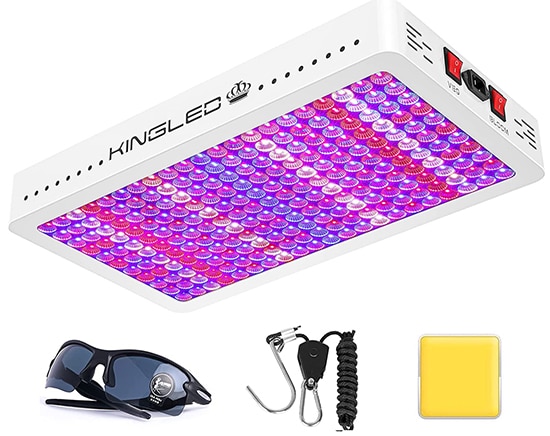
- Coverage Full Spectrum Grow Lights
- For Indoor Hydroponic Plants Veg Bloom
- 3 years Professional Service and free return for 90 days