Rosemary is a popular herb that enhances the taste of various dishes, such as mashed potatoes and chicken. It’s not just a culinary delight – this herb works wonders in aromatherapy and creates the perfect herbal tea.
But if you regularly use Rosemary and find yourself constantly indulging in it, why not grow it? In fact, you can grow rosemary from the stem cuttings that you find at the grocery store or garden center.
Let me show you exactly how to grow and propagate rosemary directly from its cuttings, allowing you to have fresh, regularly available herbs whenever you need them.

How to Grow Rosemary from Cuttings
Propagating rosemary from its cuttings is a quick and easy way to grow it. Here’s a step-by-step guide on how to propagate this fragrant herb.
What You’ll Need
- Rosemary branch
- Jar
- Water
- Sharp knife or scissors
Step 1 – Choose the right plant for rosemary propagation
When selecting a rosemary plant for propagation, it is essential to choose a healthy and mature plant. This ensures the cutting has the best chance of successfully rooting and developing into a vigorous plant.

Look for a rosemary plant with vibrant green foliage, free from any signs of discoloration, wilting, or pests. The stems should be sturdy and firm to the touch. Avoid plants that appear weak or have yellowing leaves, as these may indicate underlying issues or poor health.
While it is best to choose from a healthy mother plant, you can also pick up rosemary from the grocery store or garden center and use those rosemary stem cuttings. It will have similar results.
It’s also worth considering the variety of rosemary you’re propagating. There are different types of rosemary available, each with its unique flavor and growth habits. Choose a variety that suits your preferences and culinary needs.
Step 2
The next step is to remove the lower leaves from the bottom two-thirds of your cuttings. Use sharp scissors and snip the branches around 6 inches from the tip.
Step 3
Fill a jar full of water and place your cuttings into them. You want to leave your cuttings jar in a place that gets indirect light and is warm.

Your cuttings will sprout and develop roots within 3 to 8 weeks.
Step 4
Once your cuttings start growing new roots, they’re ready to be transplanted and planted in soil.
Ensure you use a sandy soil mix and plant your cuttings in containers. Drainage is key here. Dig a 3-inch hole in the container and place the cutting in the hole, making sure not to damage the roots.
You can also opt to plant your propagated rosemary plant in your outdoor herb garden.
Fill the holes and water just enough to moisten the soil.
Benefits of propagating rosemary from cuttings
Propagating rosemary from cuttings offers several benefits.
Firstly, it’s a cost-effective way to expand your garden. Instead of purchasing new plants, you can create multiple rosemary plants from just one cutting. This allows you to save money.

Secondly, propagating rosemary from cuttings ensures you start with a healthy plant. Selecting a cutting from a mature and disease-free plant eliminates the risk of introducing pests or pathogens.
Lastly, propagating rosemary from cuttings provides a consistent supply of fresh rosemary for culinary purposes. With your plants, you can harvest sprigs of rosemary whenever you need them, ensuring the highest quality and flavor in your cooking.
Common issues during propagation
While propagating rosemary from cuttings is a relatively straightforward process, a few common issues can arise. Here are some troubleshooting tips to help you overcome these challenges:
Root rot: Overwatering or poorly draining soil can lead to root rot. To prevent this, ensure the potting mix is well-draining and water the cuttings sparingly. Remove the affected cutting and replace the soil if you notice signs of root rot, such as wilting or browning leaves.
Lack of root development: If the cuttings fail to develop roots within 4-6 weeks, it may be due to low humidity or improper temperature conditions. Check the environmental conditions and adjust as needed. You can also try using a rooting hormone to stimulate root growth.

Mold or fungal diseases: Excessive moisture and poor air circulation can promote the growth of mold or fungal diseases. To prevent this, avoid overwatering and ensure the cuttings have proper ventilation. If mold or fungal issues occur, remove the affected plant material and improve air circulation.
Pests: Rosemary plants are generally resistant to pests; however, they can occasionally be susceptible to aphids, spider mites, or whiteflies. Monitor your plants regularly and promptly treat pest infestations using organic methods such as insecticidal soap or neem oil.
Tips for Caring For Rosemary Plants

Once you’ve planted your rosemary, you can care for and nurture it in many ways.
- Plant your rosemary in spring or fall for optimal outcomes, depending on your local climate.
- Keep your cuttings in indirect light and water them when the top of the soil feels dry.
- As your rosemary plant grows larger, transplant your rosemary to a larger pot or outdoors in a garden bed.
- Watch your plants for both pests and diseases. Rosemary is susceptible to several pests, including aphids, whiteflies, spittlebugs, and red spider mites.
- Rosemary is finicky and doesn’t like to be overwatered, which makes it vulnerable to root rot. To prevent root rot, ensure that the soil drains and dries out between waterings.
- Growing rosemary indoors can make it susceptible to mold, especially in areas with poor ventilation. To prevent this, use a fan near your plants.
- You can encourage your plants to grow through proper pruning. Pruning away damaged or dead branches will divert the plant’s resources to healthier parts and free up resources for growth. Pruning should occur in the spring and summer because there will be enough sun to fuel the plant and allow it to grow back what you’ve pruned.
- Plant rosemary alongside companion plants, such as broccoli, cabbage, cauliflower, parsnips, beans, or sage. Many of these plants attract insects, which the rosemary repels. Planting sage near rosemary enhances the health and flavor of the sage plant.
- Ensure you provide enough space for your rosemary to thrive, as it can develop into a sizable bush under favorable conditions.
- Protect from extreme temperatures: Rosemary plants are sensitive to cold or hot temperatures. If growing outdoors, protect during frost or heatwaves. Move potted plants indoors during winter if temperatures drop below freezing.
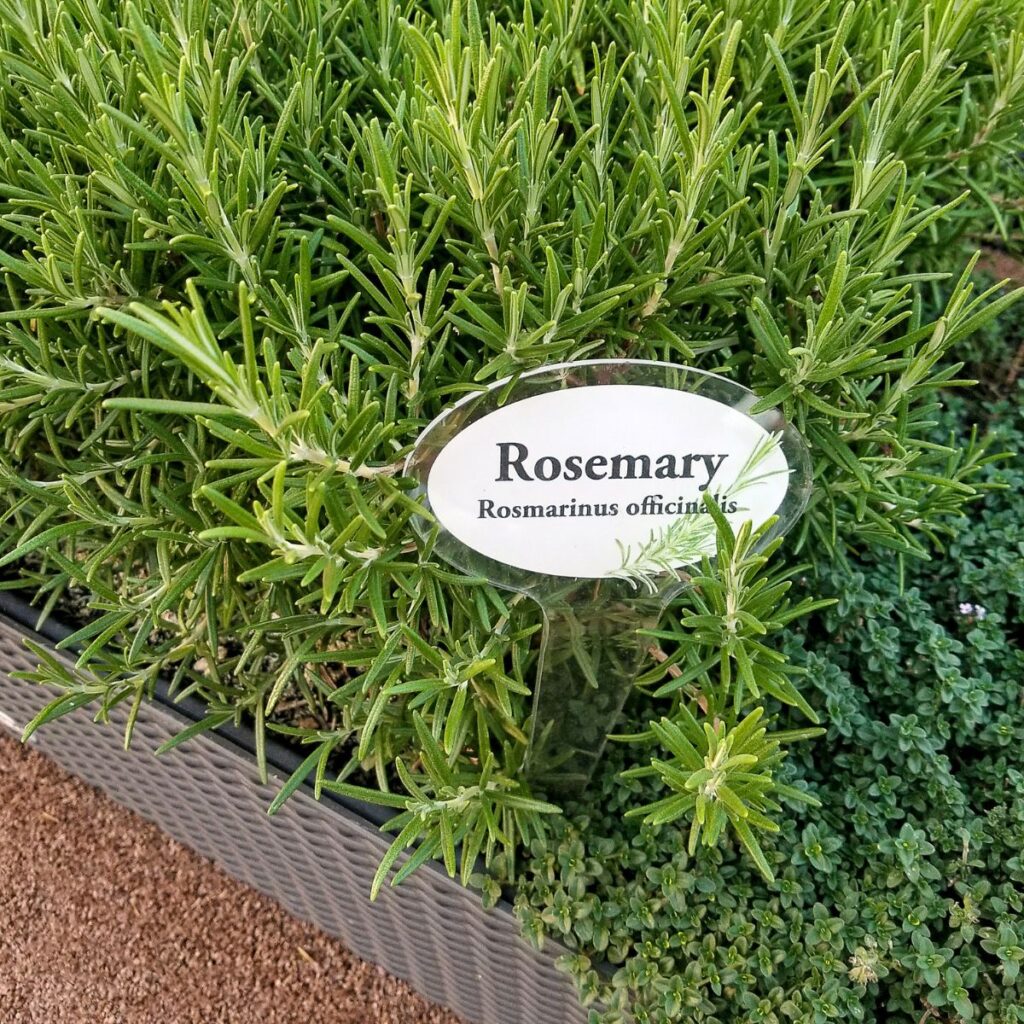
Harvesting your Rosemary Plant
One of the most important parts of rosemary ownership is knowing how to harvest it. After all the work you’ve put into caring for the plant, you want to enjoy the fruits of your labor.
Once your propagated rosemary plants have established themselves and reached a mature size, you can start harvesting sprigs of rosemary for culinary use.
To harvest rosemary, snip off sprigs from the plant using sharp pruning shears or scissors. Avoid cutting too much at once, as this can stress the plant. Leave at least a third of the plant intact to ensure continued growth and health.

The oils in rosemary that give it its flavor are at their maximum potential just before the plant blooms, making it the ideal time to harvest it. You can use fresh or dried rosemary leaves or sprigs.
Fresh rosemary is a versatile herb that adds flavor and aroma to a wide range of dishes. Use it to season roasted vegetables, marinate meat, or infuse oils and vinegar. You can also dry the harvested sprigs by hanging them upside down in a cool, well-ventilated area. Once dried, storing the rosemary in an airtight container for future use is a good idea.
Frequently Asked Questions
When is the best time to propagate rosemary?
Propagating rosemary from cuttings is most successful during the spring season when the plant is actively growing. This is typically between late spring and early summer. During this time, rosemary plants produce new growth, making them more responsive to rooting.
It’s important to avoid propagating rosemary during the winter months when the plant is dormant. This is because the plant’s energy is focused on survival rather than root development. Additionally, cold temperatures and wet soil can increase the chances of rotting or fungal diseases.
To ensure optimal success, it’s best to choose a day when the weather is mild and there is no risk of frost. This will provide the ideal conditions for the cuttings to take root and establish themselves.