
One of the joys of indoor gardening is discovering how easy it is to clone your plants. All you need to do is snip a stem or a loose leaf, add a bit of water or soil, and you end up with a whole new plant. Some houseplants take longer than others to root reliably when propagated. If you’re looking for one that you can propagate within a month, or even faster, here are 15 options to choose from.
1. Pothos (Epipremnum aureum)
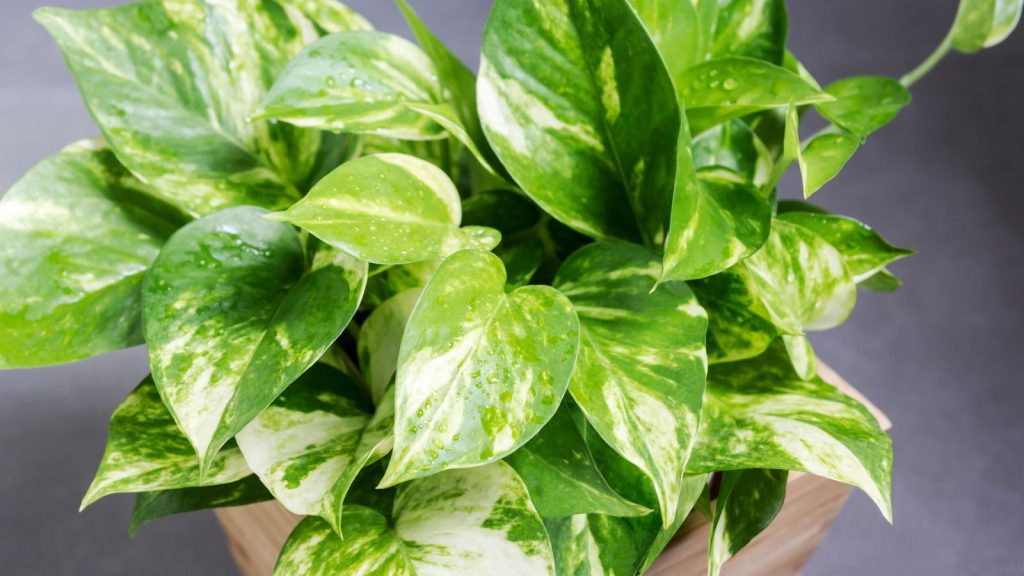
Pothos are one of the easiest and fastest houseplants you can propagate. You can plant a cutting in water or soil, and roots often appear within less than two weeks, sometimes as quickly as five days, under the right conditions.
Pothos are very forgiving plants, and even beginners can successfully propagate them on their first try. Simply snip the plant below a node, place the cutting in clean water, and position it in a bright location that is out of direct sunlight. Every other day, you can change the water to keep things fresh. Once the roots are approximately two inches long, you can transplant it into soil or continue growing it in water. Either way, it’ll thrive.
2. Spider Plant (Chlorophytum comosum)
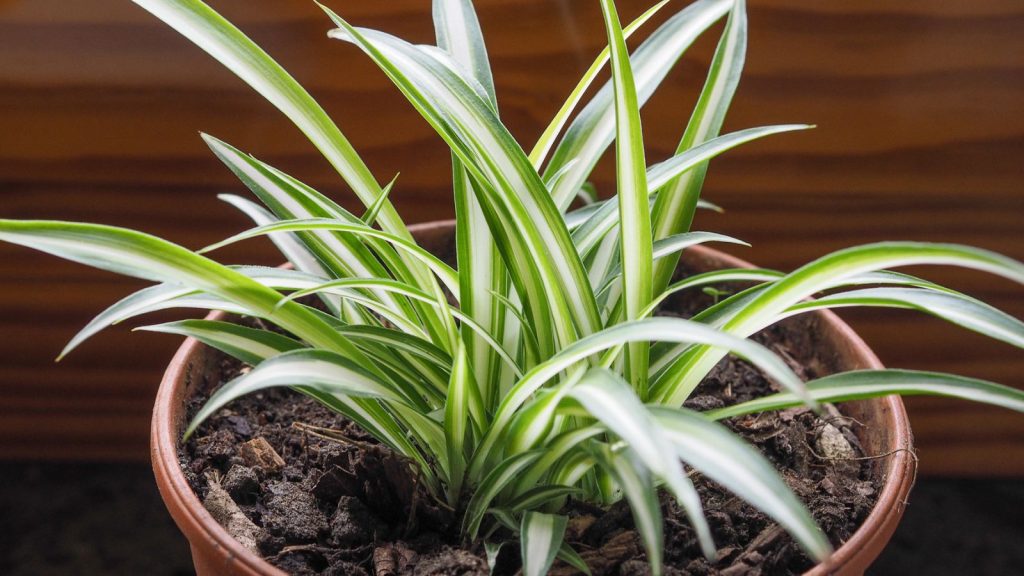
Spider plants can be easily propagated by their baby offshoots (also called spiderettes). These little plantlets dangle from the mother plant on long stems and already come with tiny roots forming.
You can snip them off and pop them into water or moist soil, and they’ll root within a week or two. Keep the plant under bright, indirect light to ensure a quick process.
3. Heartleaf Philodendron (Philodendron hederaceum)

Heartleaf philodendrons are soft-stemmed and incredibly fast to root in water. Cut just below a node and remove any leaves that may sit below the waterline. Place the cutting in a clear glass and let the roots develop, usually within 7 to 10 days.
Like pothos, philodendrons are unfussy, making them ideal if you’re starting out. Keep them in a warm, bright spot (out of direct sunlight) and you’re all set.
4. Wandering Jew (Tradescantia zebrina)

Wandering Jew (sometimes called inch plant) might be one of the fastest propagators out there. Stick a cutting in water, and you’ll often see roots forming in just 3 to 5 days. These plants love humidity and bright, indirect light.
They also do well when propagated directly in soil, if you prefer to skip the water phase. Just keep the soil slightly moist until the roots take hold. It’s an ideal plant if you’re the impatient type, as you’ll see results almost immediately.
5. Coleus

Coleus is a colorful plant with a fast growth rate and a total crowd pleaser. Once you have the stem cutting, place it in water, and roots will start appearing in under 10 days.
Be sure to pinch off the lower leaves and place the container in a warm, well-lit area. Once the roots are an inch or two long, pot the plant up and pinch back the top to encourage growth.
6. Mint (indoors)

Mint may be best known for its aggressive behavior in the garden, but indoors, it’s much more manageable and equally easy to grow. Cut a few healthy sprigs of mint and place them in a glass of water. Within a week, the roots should start showing up. Keep it on a sunny windowsill, and change the water every few days.
7. Basil (indoors)

If you’ve ever kept basil from the grocery store in a glass of water, you’ve probably seen it start to grow roots. That’s how easy it is to propagate basil. Cut a few healthy stems just below a leaf node and place them in a jar of water near a bright window.
Once the roots are about two inches long, plant them in soil and keep them slightly moist until fully established. Basil does well with warmth and plenty of light, so place it on a sunny windowsill.
8. English Ivy (Hedera helix)

It takes English ivy about 10 to 14 days to start growing new roots. Cut a 4–6 inch piece of stem, remove the lower leaves, and place the stem in a glass of water to root. English ivy requires humid conditions and bright, indirect light to thrive.
It also tends to spread, so give it room or remember to trim it back once it starts growing. Be patient and keep the water clean. Once the roots have developed, you can transfer the cutting into a small pot filled with soil.
9. Peperomia

There are many varieties of peperomia, and most of them root well from stem or leaf cuttings. It takes about 2–4 weeks for that to happen, depending on the variety. You can place the cutting in water or directly into moist soil.
Although peperomia roots well in water, it will struggle and oftentimes develop root rot in waterlogged soil. So if you’re going the soil route, use a light mix and avoid sogginess.
10. Chinese Money Plant (Pilea peperomioides)
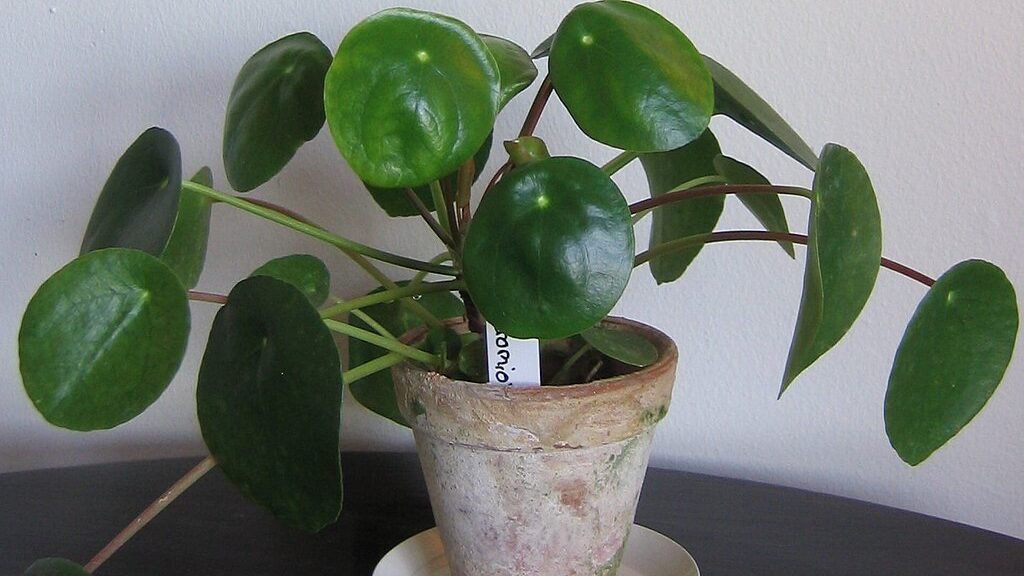
The Chinese money plant easily produces small offshoots (called pups) from the base of the mother plant that can be propagated. Gently dig the pups out using a fork (make sure some roots are still attached) and place them in a jar with an inch of water.
After about a week, they should have new roots, and you can move them into a pot. You can also propagate the Chinese money plant via leaf cuttings, but the process is significantly slower. If you want results within a month, go with the pups.
11. Aluminum Plant (Pilea cadierei)

The aluminum plant is easily propagated from soft-stemmed cuttings in water. In as little as 10 to 14 days, you’ll start to see the roots forming. Like most tropical plants, the aluminum plant prefers warm temperatures and high humidity.
Keep the water fresh and place it in a spot that gets good light without direct sun. Once potted, let the top inch of soil dry out before watering again to avoid root rot.
12. Ornamental Sweet Potato Vine (Ipomoea batatas)
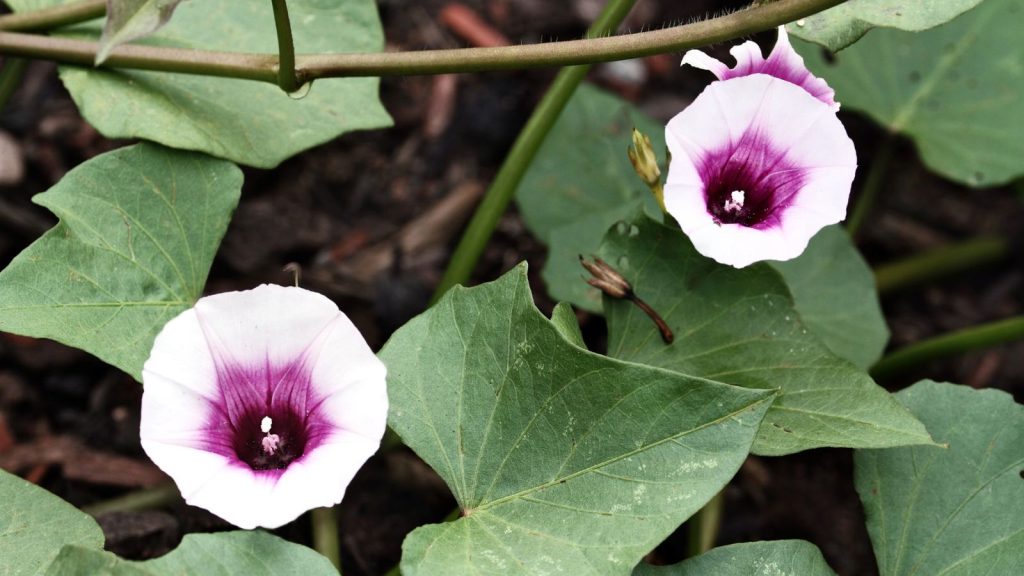
Ornamental sweet potatoes are perfect for trailing from a hanging pot or climbing along a trellis. While they’re technically tender perennials, people often grow them as annuals, so propagating is one way to keep the plants thriving all year round.
Ornamental sweet potatoes grow fast, especially in warm, bright conditions. Just pop a stem cutting in water, and you’ll see roots forming in a matter of days.
13. Satin Pothos (Scindapsus pictus)
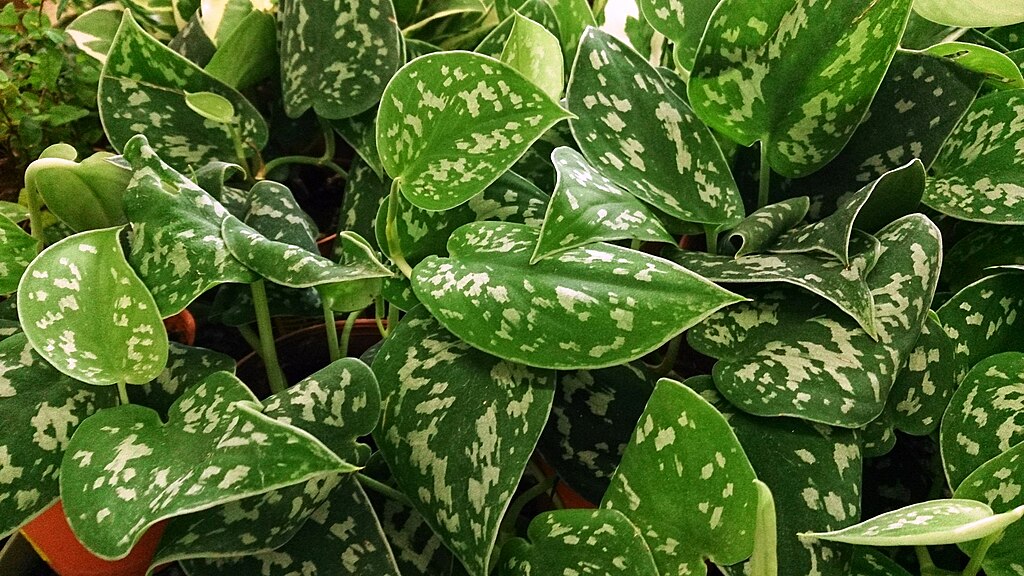
Satin pothos is closely related to regular pothos and propagates in much the same way. Cut the stem below a node, place it in water, and wait about 1–2 weeks for the roots to show. They’re slightly slower to grow than pothos but will reliably propagate within a month.
14. Rubber Plant (Ficus elastica)

Take a healthy, 20cm-long stem cutting and dip it in rooting hormone (optional but helpful). Then place the stem in a high-humidity environment, either in a jar of water with a plastic bag over the top or directly in soil that’s kept consistently moist. If you expose them to bright, indirect light, you can accelerate the process, and roots can start to show within 3–4 weeks.
Of all the plants in this list, rubber plants are probably the trickiest to propagate within a month. However, it is absolutely doable, especially if you enjoy challenging yourself.
15. Kalanchoe

Most kalanchoe varieties will handle the propagation for you. Mother of Thousands, for example, drops baby plantlets that root on their own in soil. You can gather these or take leaf or stem cuttings and lay them on dry soil. Roots usually appear in under two weeks. Keep the environment warm and dry to avoid rot.


