The Apple Store theft in Philadelphia looked like a quick grab at first, but the ending carried a cold surprise for anyone who thought the stolen devices would become easy money. The phones reportedly did not become prized street merchandise.
They became locked screens, warning messages, and a reminder that stealing modern technology is not the same as walking away with ordinary goods.
A viral Reddit post brought fresh attention to the incident by showing what happened after devices were taken from an Apple Store in Philadelphia. The post claimed Apple remotely blocked the stolen devices, turning the supposed loot into dead weight.
For many readers, the most striking part was not just the theft itself, but how quickly the stolen iPhones appeared to lose their value.
What Happened After the Raid

The incident tied back to a period when several Apple Stores across the United States were vandalized and robbed during unrest in 2020. In Philadelphia, attention focused on devices connected to the Apple store on Walnut Street. Local reporting at the time said stolen phones began showing messages telling whoever had them to return the device.
The warning did more than embarrass the people holding the phones. It reportedly told them the device had been disabled and could be tracked. That changed the story from a simple retail theft into a public technology lesson.
Why the Stolen Phones Were Not Easy Money
The reason the story spread so widely is simple. Many people still imagine a stolen phone as something that can be quickly resold, wiped, or passed to another buyer. Apple’s retail devices are different because display phones can run special software designed for in-store use.
That software can make the device useless once it leaves the controlled store setting. The phone may look valuable in someone’s hand, but the screen can tell a very different story.
A device worth hundreds of dollars, or even more than a thousand, at retail can become nearly impossible to use when it is locked, flagged, and tied to a store’s inventory system.
The Trap Hidden Inside Modern Retail Theft
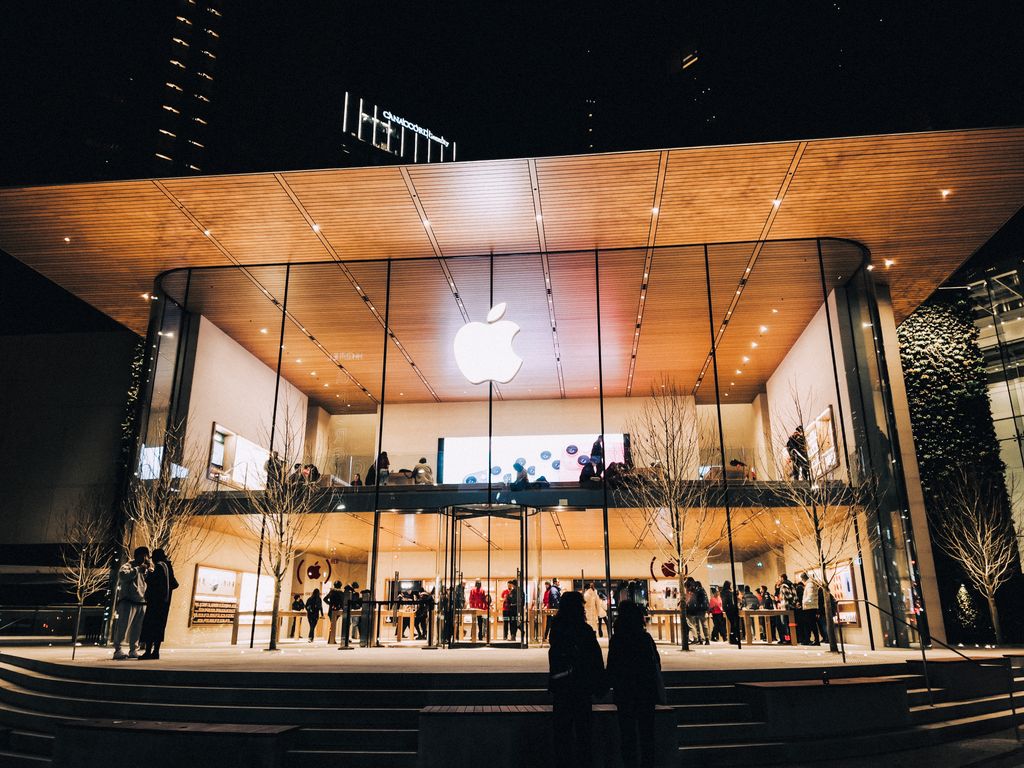
The Philadelphia case shows how retail theft has changed. Stores are no longer protecting only shelves, glass cases, and locked cabinets. They are also protecting products through software, serial numbers, location systems, and remote controls.
That matters because modern electronics can carry their own security trail. A stolen device may still connect to networks, identify itself, or display a warning once it is flagged. In other words, the product itself can become part of the evidence.
Why Locals Paid Attention
For Philadelphia residents, the story was bigger than a few stolen phones. It touched a familiar concern in many American cities: what happens when public disorder spills into local business corridors. A high-profile retail theft not only affects a corporation. It can make workers feel unsafe, force stores to close temporarily, and add pressure to already-strained downtown shopping areas.
Walnut Street is not just a name on a police report. It is part of a retail district where foot traffic, public safety, business confidence, and local jobs are connected. When people see a major store hit, they worry about what it says about the wider neighborhood.
The Public Reaction Was Brutal
Online reaction to the video was sharp because the outcome felt almost cinematic. The people who took the devices appeared to discover that Apple products are not easy objects to steal and flip. Instead of walking away with clean merchandise, they were left with devices that could warn, lock, and possibly expose them.
That is why the clip kept moving across social platforms. It gave viewers a strange kind of closure. The theft happened, but the stolen goods did not behave like rewards. They behaved like alarms.
A Bigger Warning for Secondhand Buyers
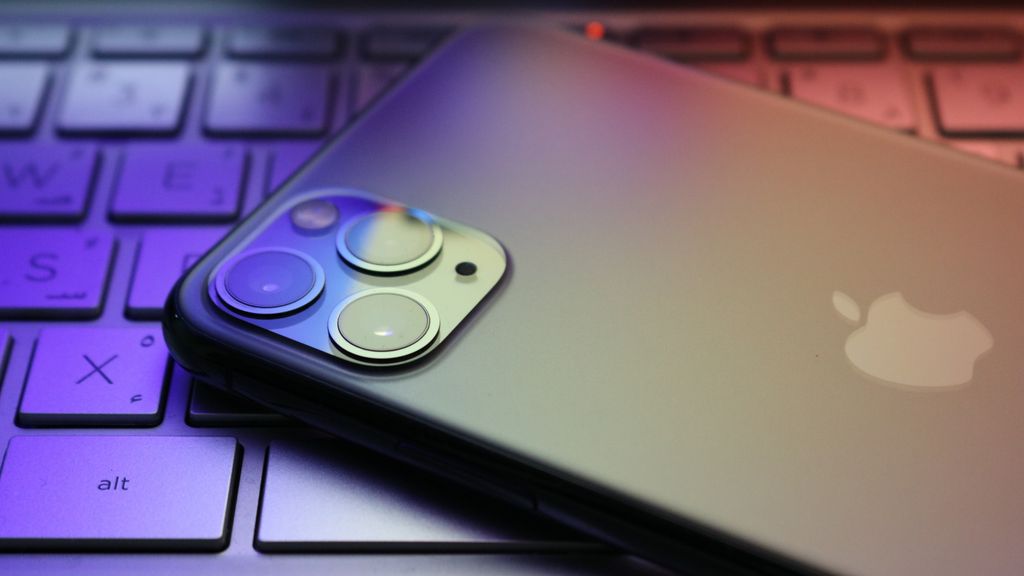
The story also carries a warning for people who buy phones through informal markets. A cheap iPhone from a stranger may look like a bargain until it turns on and reveals it is locked, reported stolen, or impossible to activate. The buyer can end up losing money even if they had nothing to do with the original theft.
That risk is one reason secondhand buyers should be cautious. A clean-looking device can still be blocked behind the screen. Without proof of purchase, activation status, and ownership checks, the deal can turn into an expensive mistake.
Why This Was Bad News for Thieves
The most damaging part of the Philadelphia Apple Store story is that the theft did not end at the door. The devices carried consequences once they left the store. They could be disabled, tracked, and made difficult to resell.
That undercuts the whole reason thieves target electronics in the first place. Phones are attractive because they are small, expensive, and easy to carry. But when the software turns against the thief, the value collapses.
What This Says About the Future of Store Security
Retail security is moving beyond guards and locked doors. The future is built into the products themselves. Companies can use serial numbers, activation systems, geofencing, and device management tools to make stolen items harder to use.
That does not mean theft will disappear. Some stolen devices may still be stripped for parts or pushed into shady resale channels. But it does mean the old idea of grabbing electronics and turning them into quick cash is becoming more fragile.